
Tea for Two 1971
The objective is to show myself visiting myself, and then showing the frustration of loneliness, by trying to be with myself. –Al Wong
The objective is to show myself visiting myself, and then showing the frustration of loneliness, by trying to be with myself. –Al Wong

A disaffected youth leaves home. With a friend, he explores a demolished house.

Sequel to "The Birth of Electronic Music: Part I" (1971) The 2nd installment covers the slightly more modern era.
This installment covers "electronic" music from 400 BC to 1950, including analog techniques such as the "soundhouses" of the 17th century to the glass harmonica, before finally moving along to early electronic instruments such as the Dynamophone and the Ondes Martenot.
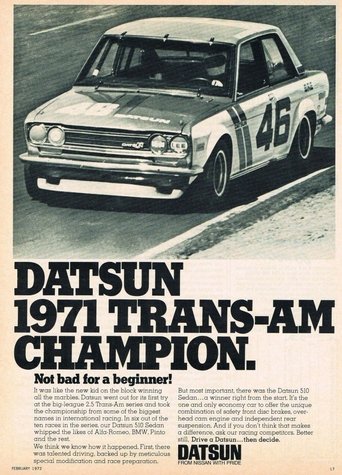
In this vintage promotional video from the early 1970s, witness how John Morton in the Brock Racing Enterprises Datsun 510 takes on (and defeats) all the European challengers in the drama-filled SCCA Under 2.5-liter Trans-Am championship. This is a charming look into a seminal chapter of Nissan's (Datsun's) motorsports history.
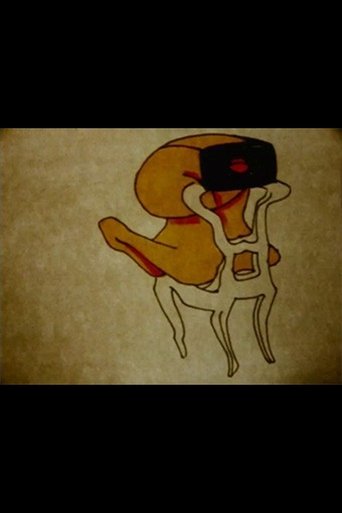
A slender chair works out while a cushioned one strains. Hand-drawn comedy with early cinema motifs. A woman arrives and sits, finding a perfect fit.
ACI Films takes you to the county fair.
Summer of '70 on the Adriatic: fun at the beach, a beauty contest, water skiing, holiday hedonism. A postcard of endless indifference when growing up in Yugoslavia.

Experimental film responding to the controversial Industrial Relations Bill of 1971.
Mohamed Aboulouakar’s diploma film from VGIK in Moscow, based on the short story by Ernest Hemingway.

A film about woman's onanistic fantasies.

Footage of American bombing of Vietnam.
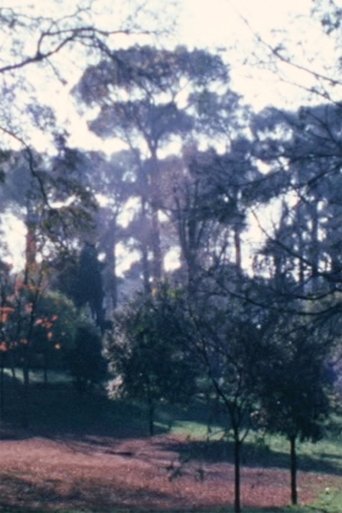
Werner von Mutzenbecher created Rom 70/71 with an Agfa Microflex super-8 camera, during a residency at the Istituto Svizzero (Swiss Institute) in Rome, from autumn 1970 to spring 1971. As he wanders the city streets in the afternoons, the artist captures, without any preconceived intentions, urbans details, or micro-events that draw his attention. Mutzenbecher describes Rom 70/71 as "reflex cinema" and develops a spontaneous form of filmed diary about a location, in this case a city, without focusing on human presence.
One frame of film for each page: the history of human knowledge becomes an illegible, strobing stream of images.
An older couple turns on the tv and is in for a surprise.
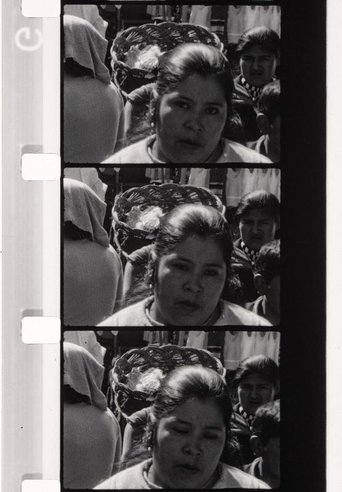
A man tries to train a camera.

Modish documentary exploring attitudes to nude modelling in Britain. Models, photographers, magazine editors and members of the public express their opinions about those who pose for top-shelf magazines, raising various questions about the depiction and presentation of women in such publications. Featuring the journalist and author Lynn Barber, who worked at Penthouse magazine during the 1960s-70s.
