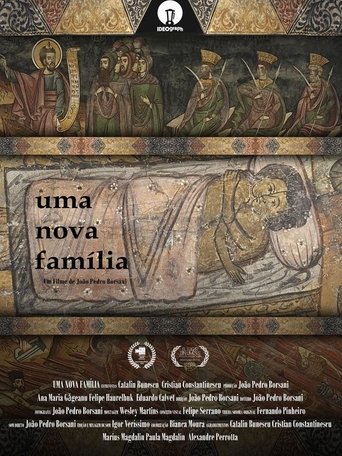
Uma Nova Família 2019
Although Romania is an European modern country, its population still has a traditional mentality, very different from western world, and Catalin and Cristi are a gay couple struggling to live in a rough reality.
Although Romania is an European modern country, its population still has a traditional mentality, very different from western world, and Catalin and Cristi are a gay couple struggling to live in a rough reality.

Estera is twenty now, so she must get married, her small-town family thinks. Estera obliges, but there is a trace of doubt on her face. Does she really want to marry? Does she even love this man? The film delves into Estera's doubts and worry as she's preparing for the 'best day of her life'.
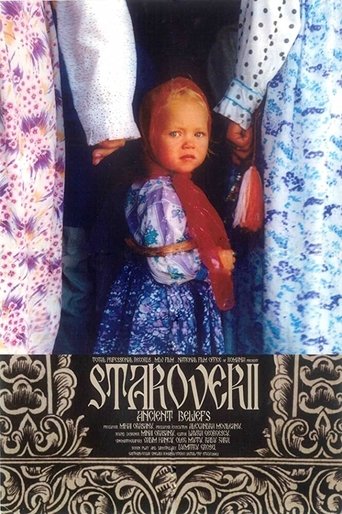
The story of the old Russians began in the XVI century, when the Patriarch of the Russian Orthodox Church, supported by the Czar, imposed religious reforms in Russia. Those who have refused to obey were brutally persecuted and forced to seek refuge in Siberia or in faraway places. Many hidden in Europe, and some of them settled down in China, Japan, America and Australia. The Russian Old Believers Community that settled down in Romania is one of the most numerous. The film explores the extraordinary power of this community to preserve their language, customs and religion, finding in their faith in God the source of strength to resist. This film tries to render the patriarchal air of the medieval Russia, from which these people came.

Lache is unemployed. He falls asleep on the border of Lake Floreasca while peeping at a group of girls who are bathing in the lake. This image makes him dream about himself being inside a harem where the guards catch him and throw him in jail. Here he is found by Lili Dinamita, an artist who was brought to the harem after having been kidnapped by the white slavers. The two try to escape and they almost succeed in doing it, when Lache wakes up among the girls he was admiring when he fell asleep.
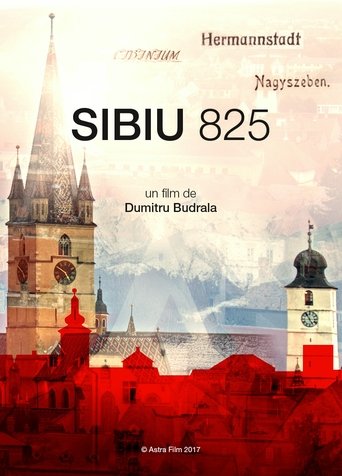
Sibiu is a city at the heart of Transylvania. This film tells the (short) story of the place from the moment it was born 825 years ago up to our present days. The storyline winds among centuries spotlighting troubled and perilous moments when the very existence of the city was under threat, as well as through happier times of prosperity that show a thriving city commanding a dominant position as Transylvania's prominent and respected commercial, military, administrative and cultural centre.
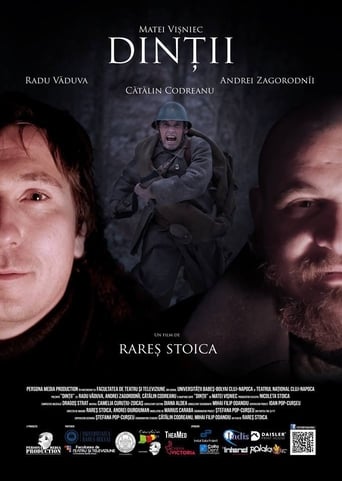
A couple of thiefs from a battlefield have a strange encounter that will change them forever.
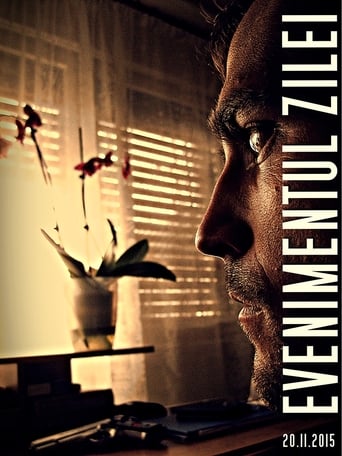
A man is faced with the consequences of a short moment of inattention.

Two Romanian boys roam around an abandoned building looking for metal to sell to a scrap dealer. The camera accompanies them as they explore spaces in the empty building, they discover the floors of the building are covered with a sea of thick old files. There doesn’t seem to be much left worth taking, as the building has been stripped to the bone already
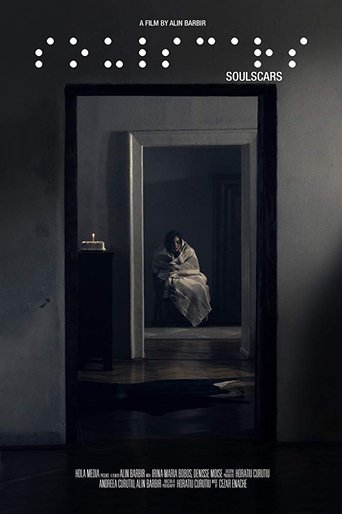
After a car accident, two female friends need to face the challenges of readjusting to their new life. Their apartment becomes a neurotic space, where blindness and depression shake hands leading the protagonist to explore her own mind.
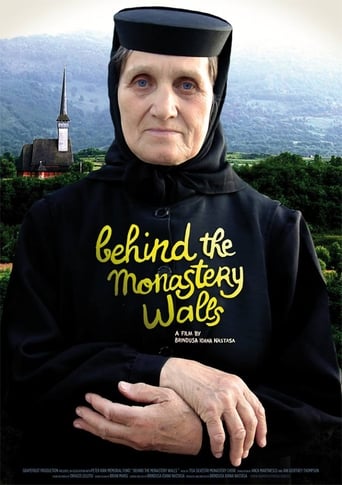
The monastery is the sacred home of God, but also home to the nuns and monks who have dedicated their lives to God. Romania’s monasteries are known worldwide for their magnificent beauty, but what do we know about the people that live there? How different is the life they lead? How different is the way they see the world? Behind the Monastery Walls presents a selection of intimate and inspiring interviews in which nuns and monks in Romanian monasteries lay bare their thoughts and beliefs.

A TV team visits the camp of a Roma community in Bucharest that was recently evicted and is protesting. During the interview, the protestors start questioning the motivations of the reporting team and claim their right to tell their version of the story. The film is based on the story and experiences of the evicted people from Strada Vulturilor 50 in Bucharest.
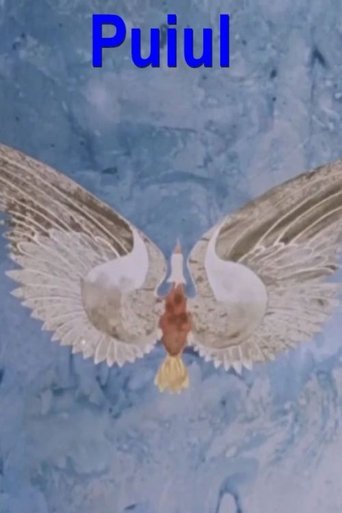
Puiul is a short animated art Romanian movie without dialogue.
Short film by Romanian director.

A documentary about the influence of music on identity. Interviews with musicians, composers and audiences at concerts. Can music improve behavior? And if so, how does this work?
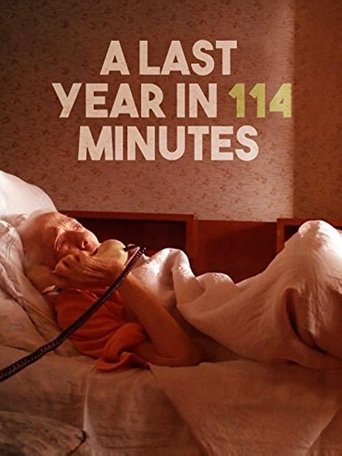
The director captures the final year in the life of the woman who helped raise him, as age slowly gets the best of her. The simple filming style, in which neither the camera nor the protagonist ever leaves her flat, results in an unusually intense and extremely personal record of time passing and the relationship with a loved one. It's a raw yet formal testament that sensitively manages to avoid any trace of sentimental kitsch, leading the viewer on an emotional journey of the everyday reality of Bunina's days and her mercilessly worsening physical and psychological condition.
A funeral procession pushes across the florid stillness of a deserted Romanian village.
A captivating portrait of sociology professor Nicolae Dumitru, who preaches a theory about true love but has difficulty putting it into practice in its own life
