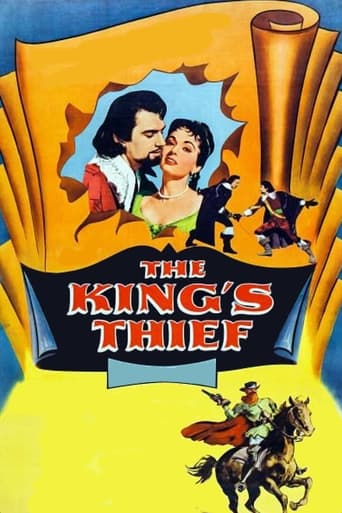
The King's Thief 1955
An ex-soldier turned highwayman uncovers a plot to take control of England from King Charles II.
An ex-soldier turned highwayman uncovers a plot to take control of England from King Charles II.

Slovak movie is based on the novel by the prominent representative of Slovak prose František Hečka, who was in 1952 awarded the State Prize. The novel and the movie successfully capture the development of Slovak village after the liberation in 1945. The narrative is centred around the characters of the old Púplava, who after the liberation begins to organise a new village life, and his struggle for the construction of settlements Mrzáčky, burnt by the fascists. It is centred around the conflict, greatly reflecting the situation of the countryside at this time: the conflict between the rural poor and the rural rich. In the movie, a rich personal and emotional life of other heroes pulsate besides the main storyline. The movie ends with the final defeat of the reactionary forces by Communists in February 1948, taking over all power in the state of workers and peasants. - "The Wooden Village" is released in celebration of the 7th anniversary of the Communist February Victory.
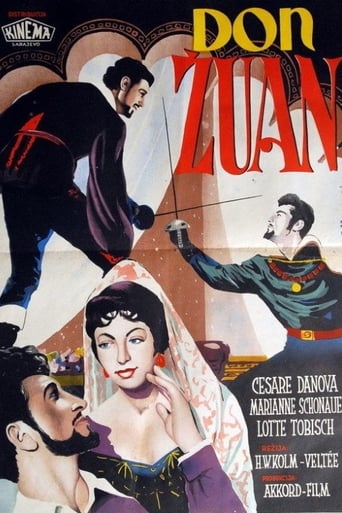
Don Juan arrives in a Spanish town and immediately becomes embroiled in amorous adventures. While looking for love affairs, he meets the beautiful Donna Anna, the commander's daughter, who mistakes the masked cavalier for Don Octavio because of his height and clothing.
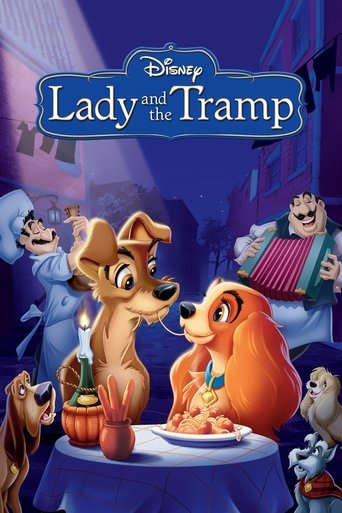
Lady, a golden cocker spaniel, meets up with a mongrel dog who calls himself the Tramp. He is obviously from the wrong side of town, but happenings at Lady's home make her decide to travel with him for a while.
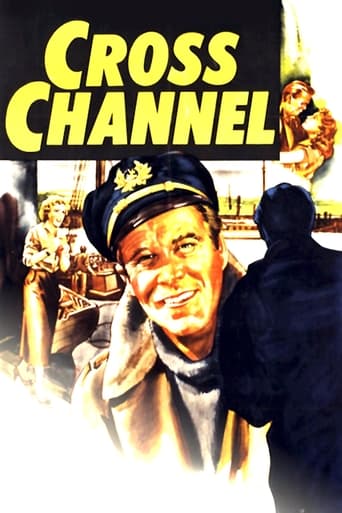
Charter-boat owner "Tex" Parker is framed on a murder rap by a gang of jewel-and-American currency smugglers operating from the coasts of England and France, with a mid-channel rendezvous. The smugglers use him, his boat and partner, "Soapy", to carry their goods back and forth across the English. During one of the trips, "Tex" is thrown overboard, but is picked up by a French fishing boat and the fisherman take him back to their village, Porte Soliare, where he meets Jacqueline. People who appear to be quite dead early on turn out to be not dead later on, and money and swag and goods keep changing hands with such regularity that, at one point, one guy is searching for something he already has (and doesn't know it), while another guy isn't searching for it because he thinks he has it...but doesn't.
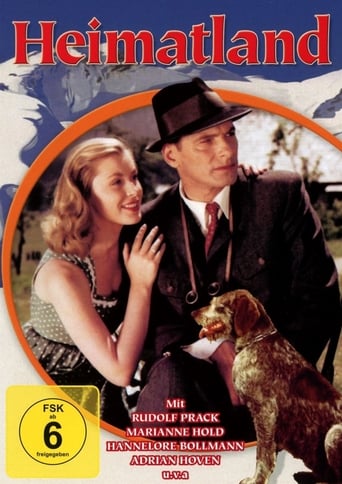
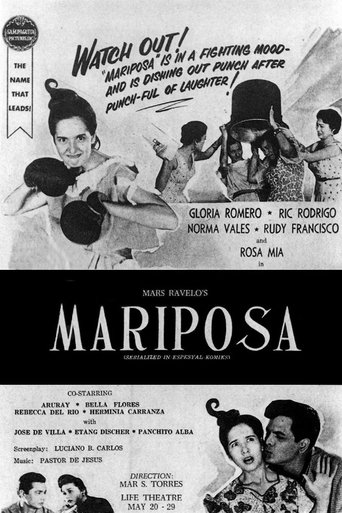
Join the merry-go-round as the three witches try to make life miserable for Mariposa until Mariposa learns how to turn the tables on them.
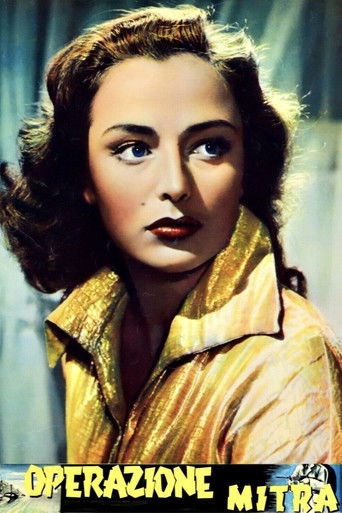
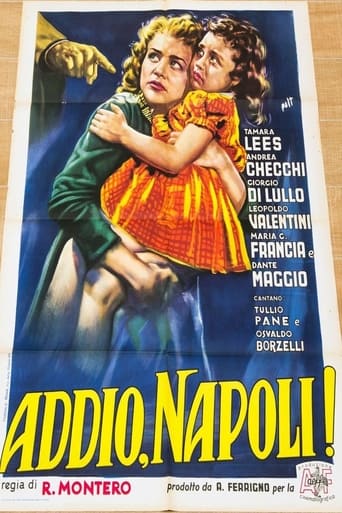

Two women—a fashion executive and her young model—experience parallel romantic disappointments during a trip to Gothenburg, exposing generational differences in desire, illusion, and emotional endurance. A transitional work in Ingmar Bergman’s mid-1950s cinema.
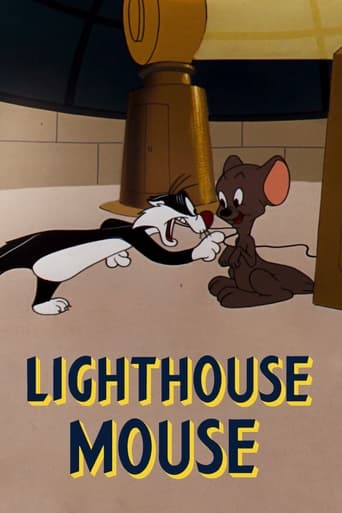
Sylvester Cat is a lighthouse keeper's mouse-catcher assigned to keep a mouse from unplugging the light. The mouse only wants a good night's sleep and asks Hippety Hopper, the baby kangaroo who has just crashed off of a ship on the nearby rocks, to help him fight Sylvester and keep the lighthouse light turned off.
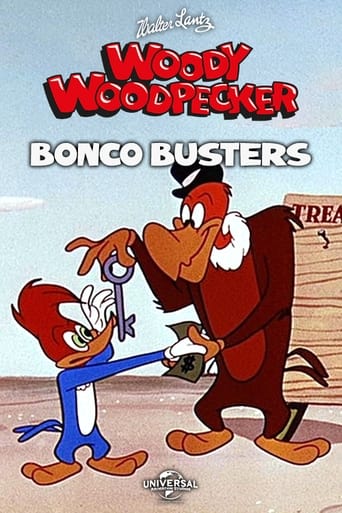
A member of the Bunco squad introduces the Case of the Gullible Woodpecker. It seems that Woody wins a pot full of dough that con man Buzz Buzzard notices and sets his sights on stealing. He leads Woody on a phony treasure hunt on Cataloni Island where all the materials Woody needs to continue the hunt (treasure maps, fire extinguishers, toll bridges, etc.) cost him a bundle.
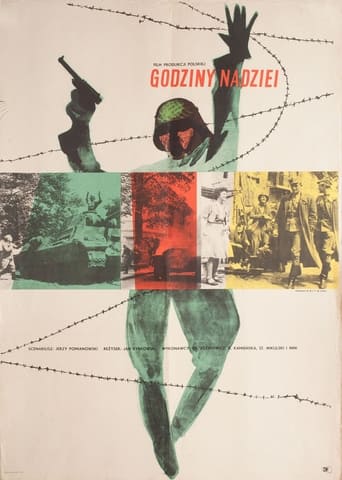
In the last days of World War 2, people of various ethnic background meet in a Polish military hospital in a small German town, whereas a Nazi SS division hides in the local forests and tries to move westwards.
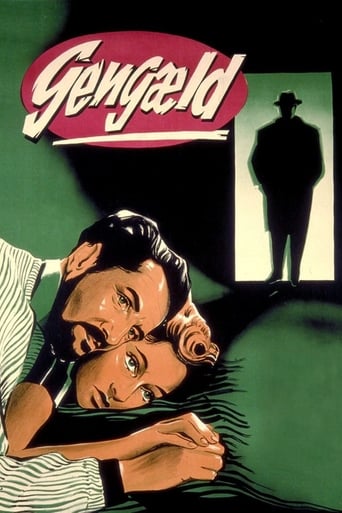
In one of Copenhagen's suburbs stands a large house, a villa-like property. The house is owned by the widow Elise Thomsen, who lives on the ground floor with her adult son, Eigil. Mrs. Thomsen rents out most of the villa. On the first floor lives the author Stefan Donner with his wife Lili and their 9-year-old son, Peter. Donner is talented but poor. The financial pressure on him and his family is getting on his nerves.
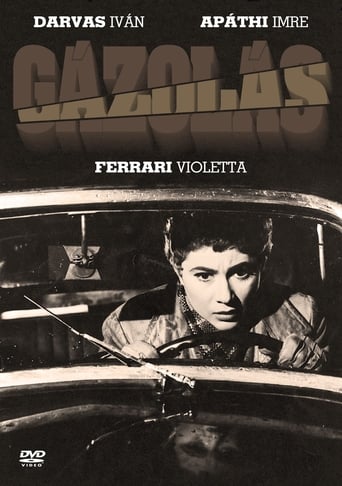
Judge Csanádi András makes a confession to his boss one night: he fell in love with the pretty, modern driver woman, Zenthe Judit in a fencing room. The girl suddenly returned his feelings. One night she confessed to him crying: she hit someone. The case was assigned to Csanádi, who wanted to investigate the circumstances meticulously despite his feelings. Thus the so far hidden life of Judit, which is bound to the past former world and its values is now highlighted. He is confused, asks his boss to absolve him from the assignment, but refuses to do so. Csanádi realises in the court room: Judit kept on telling lies, she played the lover for her own interest. The judge passed his crisis, he will deliver a fair sentence.
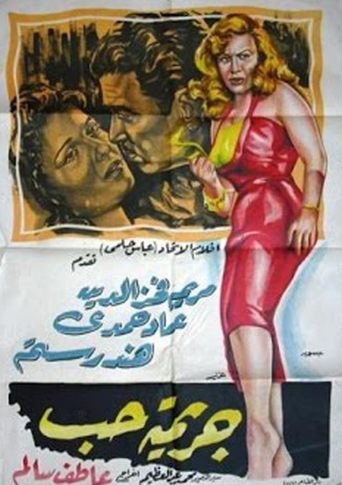
A lawyer defends his friend, but loses his innocence document at the bar and the friend is convicted. The lawyer gets involved in a relationship with a mistress and leaves his wife, whom he blames for losing the document. Mistress is murdered and the wife's lawyer is accused of killing her. He comes back to his senses and tries to prove his wife's innocence.
A Scotland Yard ballistics expert is called into identify a murderer through a scientific analysis of the bullet that killed a man.
A 1955 Hindi film directed by O.P. Dutta.
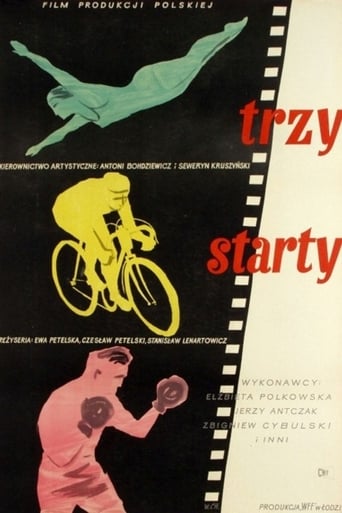
Three separate short stories about young athletes who lose their chances of success. Young swimmer - because of unhappy love. Boxer because of a fight with hooligans, for which the judges will disqualify him. But the cyclist must decide for himself what is more important for him: victory or friendship.
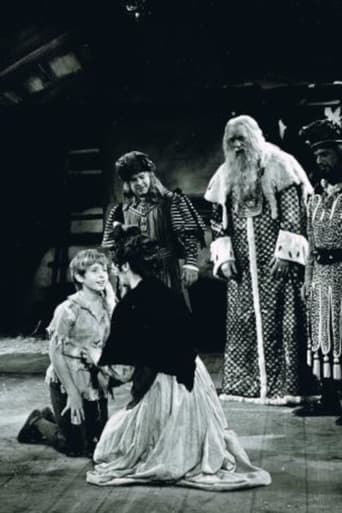
Matinee Theater is an American anthology series that aired on NBC during the Golden Age of Television, from 1955 to 1958. The series, which ran daily in the afternoon, was frequently live. It was produced by Albert McCleery, Darrell Ross, George Cahan and Frank Price with executive producer George Lowther. McCleery had previously produced the live series Cameo Theatre which introduced to television the concept of theater-in-the-round, TV plays staged with minimal sets. Jim Buckley of the Pewter Plough Playhouse recalled: When Al McCleery got back to the States, he originated a most ambitious theatrical TV series for NBC called Matinee Theater: to televise five different stage plays per week live, airing around noon in order to promote color TV to the American housewife as she labored over her ironing. Al was the producer. He hired five directors and five art directors. Richard Bennett, one of our first early presidents of the Pewter Plough Corporation, was one of the directors and I was one of the art directors and, as soon as we were through televising one play, we had lunch and then met to plan next week’s show. That was over 50 years ago, and I’m trying to think; I believe the TV art director is his own set decorator —yes, of course! It had to be, since one of McCleery’s chief claims to favor with the producers was his elimination of the setting per se and simply decorating the scene with a minimum of props. It took a bit of ingenuity.
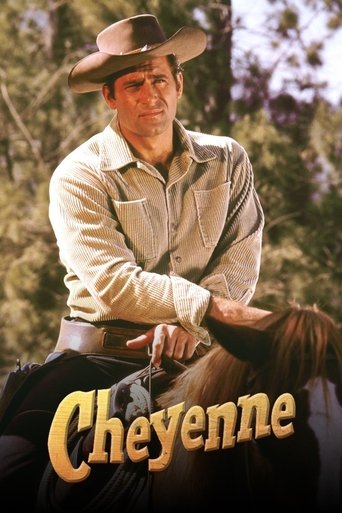
Cheyenne Bodie was a big man, a former army scout who went west after the American Civil War and drifted from job to job, here a cowboy, there a lawman, and always a larger-than-life hero. CHEYENNE is an American western television series of 108 black-and-white episodes broadcast on ABC from 1955 to 1963. The show was the first hour-long western, and in fact the first hour-long dramatic series of any kind, with continuing characters, to last more than one season. It was also the first series to be made by a major Hollywood film studio which did not derive from its established film properties, and the first of a long chain of Warner Brothers original series produced by William T. Orr.
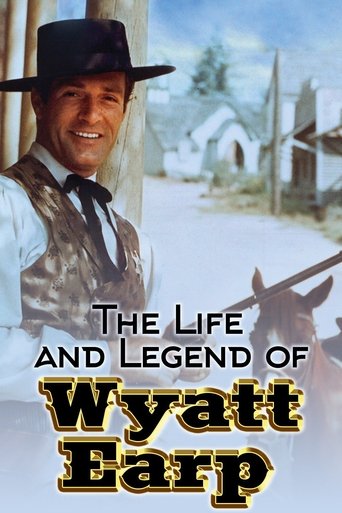
The Life and Legend of Wyatt Earp is a television western series loosely based on the life of frontier marshal Wyatt Earp. The half-hour black-and-white program aired for 229 episodes on ABC from 1955 to 1961 and featured Hugh O'Brian in the title role.

This is Your Life is a British biographical television documentary, based on the 1952 American show of the same name. It was hosted by Eamonn Andrews from 1955 until 1964, and then from 1969 until his death in 1987 aged 64. Michael Aspel then took up the role of host until the show ended in 2003. It returned in 2007 as a one-off special presented by Trevor McDonald, which to date was its most recent airing. In the show the host surprises a special guest, before taking them through their life with the assistance of the 'big red book'. Both celebrities and non-celebrities have been 'victims' of the show. The show was originally broadcast live, and over its run it has alternated between being broadcast on the BBC and on ITV.
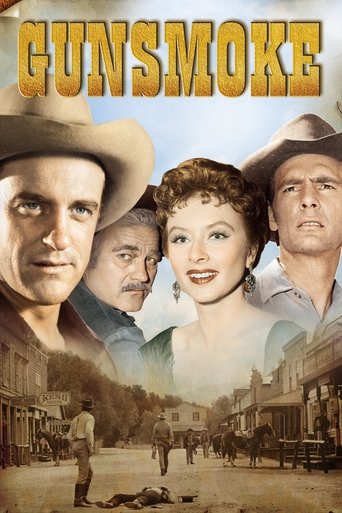
Gunsmoke is an American radio and television Western drama series created by director Norman MacDonnell and writer John Meston. The stories take place in and around Dodge City, Kansas, during the settlement of the American West. The central character is lawman Marshal Matt Dillon, played by William Conrad on radio and James Arness on television.
A television anthology series hosted by Alfred Hitchcock featuring dramas, thrillers, and mysteries.
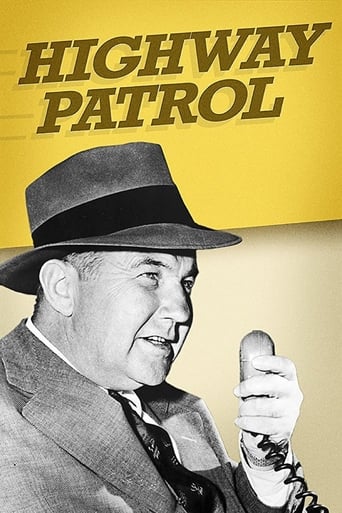
Highway Patrol was a syndicated, fictional police action series produced from 1955 to 1959, concerning the activities of the highway patrol and their leader, Dan Matthews (who held no rank). Although filmed in and around the Los Angeles area, the state setting for the stories was never identified, and city and street names were fictionalized.
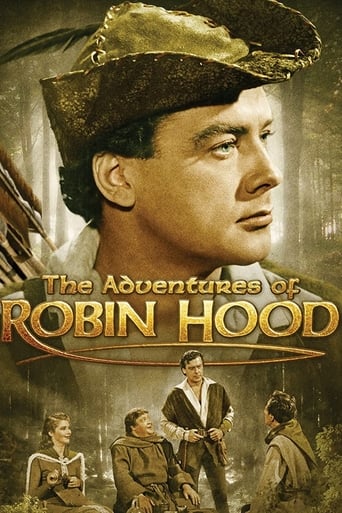
The legendary character Robin Hood and his band of merry men in Sherwood Forest and the surrounding vicinity. While some episodes dramatised the traditional Robin Hood tales, most episodes were original dramas created by the show's writers and producers.

Miss Universe is an annual international beauty pageant that is run by the United States-based Miss Universe Organization. The contest is the largest pageant in the world in terms of live TV coverage, airing yearly in more than 190 countries worldwide to an audience of over 2.5 billion people. Along with Miss World, Miss International, and Miss Earth, Miss Universe is one of the Big Four international beauty pageants. The Miss Universe Organization and its brand, along with Miss USA and Miss Teen USA, are currently owned by the WME/IMG talent agency.
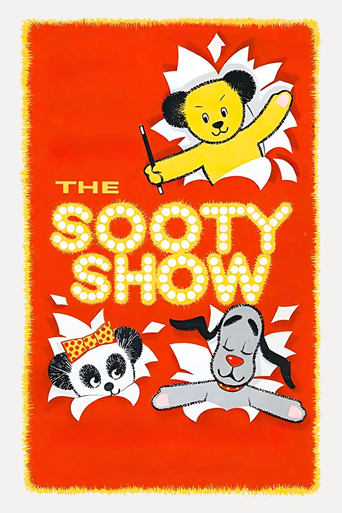
The Sooty Show is a British children's Puppet series which aired on the BBC from 1955 to 1967 and ITV from 1968 to 1992. It follows the adventures and comedic day to day life of puppets Sooty, Sweep and Soo with their owner Harry Corbett, and in later years, his son Matthew.
Navy Log is an American drama anthology series that initially aired for one season on CBS. It relates the greatest survival war stories in the history of the United States Navy. This series premiered on September 20, 1955, but the following year, it was moved to ABC, where it aired until September 25, 1958. The program aired for a total of three seasons and 102 episodes.
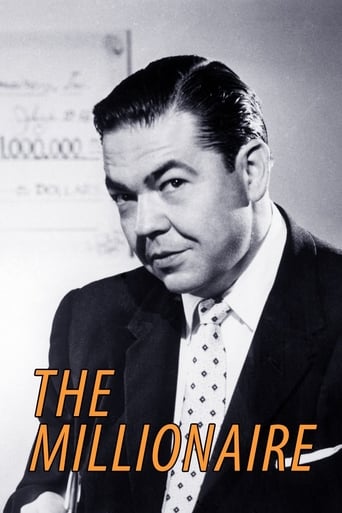
An anthology series that explored the ways sudden and unexpected wealth changed life for better or for worse. It told the stories of people who were given one million dollars from a benefactor who insisted they never know him, with one exception.
British drama anthology television series that ran from 1955 to 1965 on ITV and later transformed into ITV Playhouse in 1967. Each drama was usually 60 minutes.
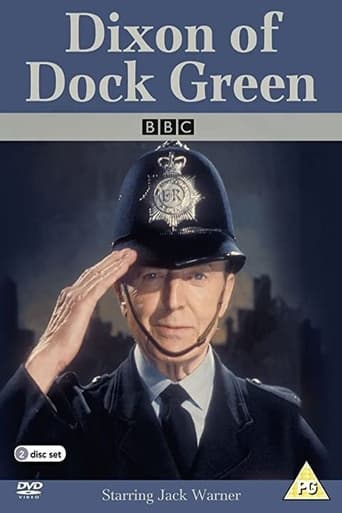
Dixon of Dock Green was a BBC television series following the activities of police officers at a fictional Metropolitan Police station in the East End of London from 1955 to 1976. Some episodes were later remade as a BBC radio series in 2005 and 2006.
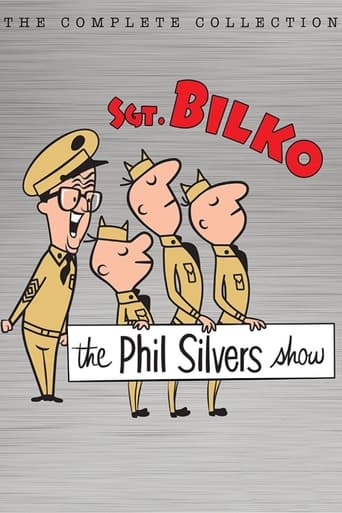
The Phil Silvers Show, originally titled You'll Never Get Rich, was a sitcom which ran on CBS from 1955 to 1959 for 142 episodes, plus a 1959 special. The series starred Phil Silvers as Master Sergeant Ernest G. Bilko of the United States Army. The series was created and largely written by Nat Hiken, and won three consecutive Emmy Awards for Best Comedy Series. The show is sometimes titled Sergeant Bilko or simply Bilko in reruns, and is very often referred to by these names, both on-screen and by viewers. The show's success transformed Silvers from a journeyman comedian into a star, and writer-producer Hiken from a highly-regarded behind-the-scenes comedy writer into a publicly recognized creator.
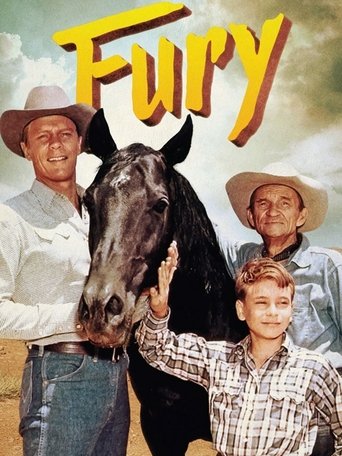
Fury is an American western television series that aired on NBC from 1955 to1960. It stars Peter Graves as Jim Newton, who operates the Broken Wheel Ranch in California; Bobby Diamond as Jim's adopted son, Joey Clark Newton, and William Fawcett as ranch hand Pete Wilkey. Roger Mobley co-starred in the two final seasons as Homer "Packy" Lambert, a friend of Joey's. The frequent introduction to the show depicts the beloved stallion running inside the corral and approaching the camera as the announcer reads: "FURY!..The story of a horse..and a boy who loves him." Fury is the first American series produced originally by Television Programs of America and later by the British-based company ITC Entertainment.

A UK anthology series of single plays from major playwrights old and new. It ran from 1955 to 1974, producing about five hundred ninety-minute episodes from Granada Television. Season 1 also incorporates the Plays from the 'H.M. Tennant Globe Theatre' series, some of which were incorporated and labelled in listings as official Play of the Week episodes and some of which were played in place of Play of the Week episodes in alternative ITV regions. All 8 plays have been incorporated into this entry for convenience.

A variety show featuring a cast of child performers.
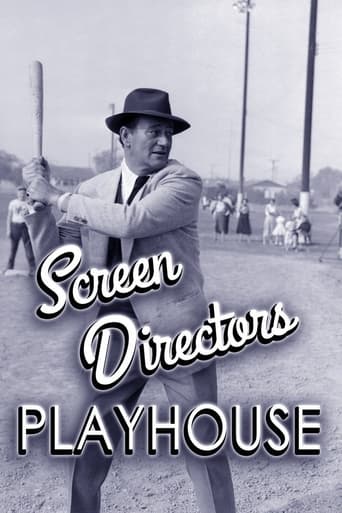
Presented by Eastman Kodak, this show was a series of original scripts directed by acclaimed directors and featuring well-known performers. The stories ranged from musicals to comedies and dramas.
