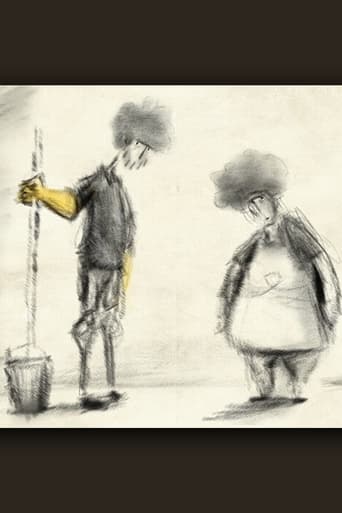
St. Moritz 2019
The relations between a mother and son are tested during the preparations for the Passover cleaning ritual when the son decides to burn down the house to set them both free.
The relations between a mother and son are tested during the preparations for the Passover cleaning ritual when the son decides to burn down the house to set them both free.

A man and a woman have an intimate conversation about birds and everything between them.
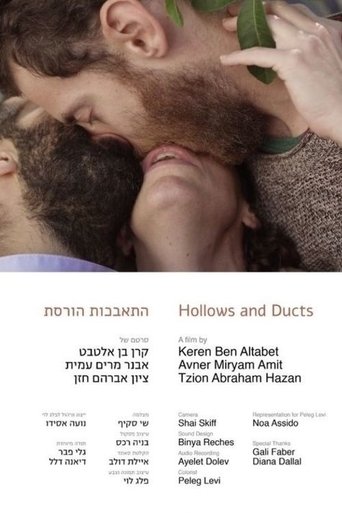
The filmmakers gather to sing in a unique position, in which the mouth of one envelops the nostrils of the other, as all three voices vibrate potently throughout the body cavities.
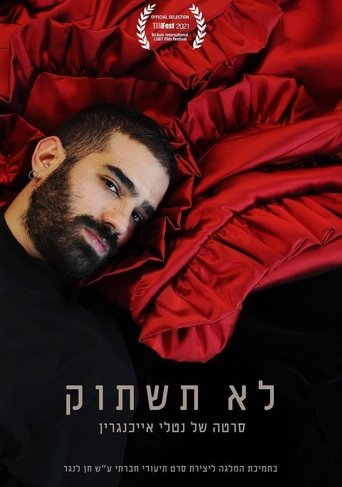
Aharon went through ongoing sexual abuse as an ultra-orthodox youth in a Yeshiva in Bnei Brak. A decade later, he has come out and is living as a secular homosexual. The silence he kept inside is bursting in his fashion collections.
From 1941-1944, 300,000 Jews were killed at the hands of Rumanian officials in Transnistria, an area of southern Ukraine bordering Rumania. Dubbed the "land of exile" by the Rumanian Jews herded there, hundreds of ghettos and concentration camps dotted the landscape. Unlike the "killing industry" of Auschwitz, Rumanian death camps used the "old methods" of "long drawn-out deaths": shooting, starvation, freezing, and illness. Of those who survived, only the children are left. Now adults living in Israel, these orphans of Transnistria give testimony with their memories, paintings, letters, and photographs. Scholars, including Dalia Ofer, Leon Wallovitz, and Shmuel Ben-Tzion, discuss the history of Transnistria and probe the reasons why this area has become known as the "Forgotten Cemetery."
Workers from different jobs in Tel Aviv taking their lunch breaks
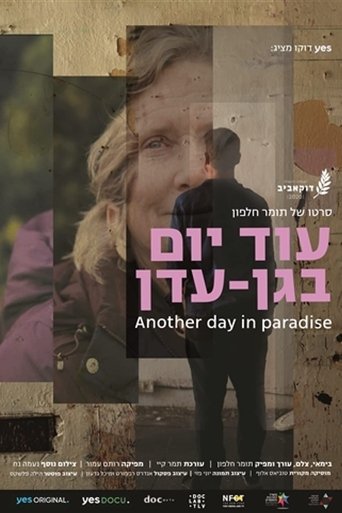
When Israeli-born Tomer moves to Hawaii in search for a better life, he expects to start a family with his friend Mataia. He could never have known that Mataia's mother, Trina would interrupt their plans with a suicide attempt. Living with bipolar disorder, Trina's struggles exacerbate after the loss of her son and life is never the same again. Waking up from a 70-day coma, Trina is compelled to re-evaluate her own life - and her own death. Following her post-attempt life, thoughts and feelings, Another Day in Paradise poses important questions about mortality, morality, mental-health and the conscience to remain in this world or not.
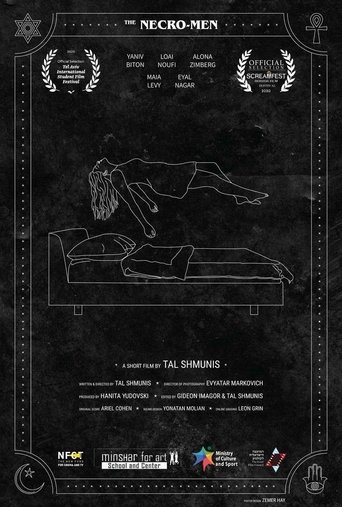
Two con-artists, a Haredi Jew and a Muslim, perform (false) exorcisms and rituals for naive God-fearing people, until one day they are confronted by a real live Dybbuk that exposes their most private sins.
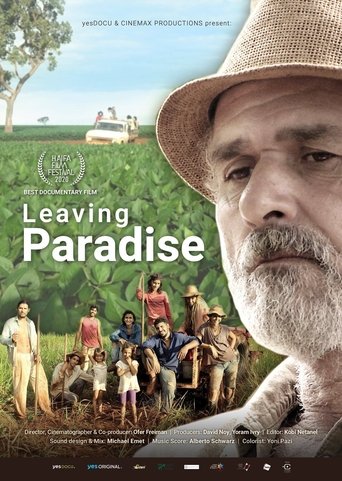
Cleo fulfilled his dream: to leave the big city with his wife and fifteen children, to establish a family commune on a farm in Brazil. Exploring their family-roots leads the children to discover their surprising heritage, which undermines the existence of the communal paradise.

In Israel, one learns at a young age of the country’s constant “state of emergency”. The education system in collaboration with the “Homefront Command Office” are dedicated to inserting that notion into the public’s mind. The film follows a class of fifth-graders in their mandatory course on “Home-Command Education” while at the same time follows the adult world, where through an on-going series of drills and simulations they prepare for the next war to come.
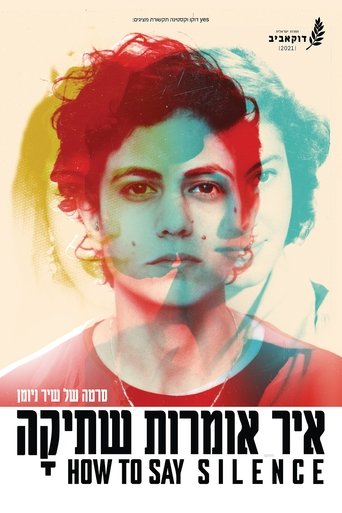
A photo found by the filmmaker at her grandmother’s house after her death seemed strange. She has a pregnant belly. But she had told the story of adopting the director’s father because she was not able to conceive. Her old friends explained the kibbutz decided state-building efforts preclude giving birth, and she had an abortion that damaged her womb. This set the director’s curiosity about her biological grandmother. The adoption file told of Shoshana, 16, an Iraqi immigrant who got pregnant out of wedlock. Her sister revealed that the family abused her but she refused to give up the baby, who was eventually taken from her. Both suffered patriarchal oppression and remained silent. The grandmothers’ stories led the filmmaker to confront her parents about her own silence on sexual abuse in the family. For the sake of the three, she must break silence.
To the occasional onlooker, my childhood yard may appear like another shabby parking space in a Jerusalem ultra-orthodox neighborhood. To me, it is the first "outside" I encountered, the landscape of the only home I have ever known. I have been living in this yard for thirty-four years. As an adult, it continues to fascinate me with its ever-changing mood. It had embraced secular, religious, and ultra-orthodox atmospheres, but today, we are one of the last non-Ultra orthodox families living here. A film by Yochay Rosenberg
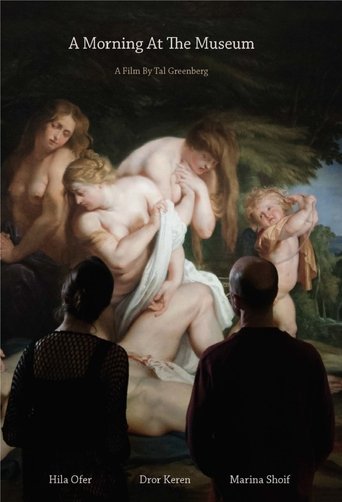
Today is Assaf's day off, but his wife Michal drags him to a museum. Over the course of their visit to a place that never changes, Assaf wonders how he and Michal have changed since they met. A chance encounter with a lovely tourist prompts Assaf to choose between a perfect stranger and the wife he knows.
2014. Israel is at war in Gaza again. Inside an Israeli hospital, hundreds gather to boost national morale, and Uri, a wounded Israeli soldier, finds himself unwillingly turned into a war hero. A private family hardship turned public spectacle, offers an inside critical look into Israeli society and the way war as a state of mind is shaping it as a nation.
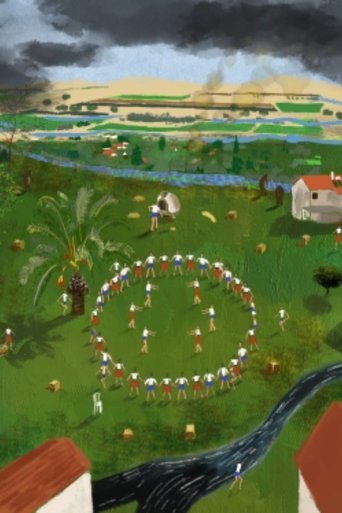
The animated triptych shows a sophisticated satirical look at the Zionist settlement in the Land of Israel. The seasons, agricultural work, kibbutznik dances and much more move endlessly in a circle in it, combining Jewish proverbs and images from the history of art, reminiscent, in particular, of the paintings of Brueghel and Bosch.
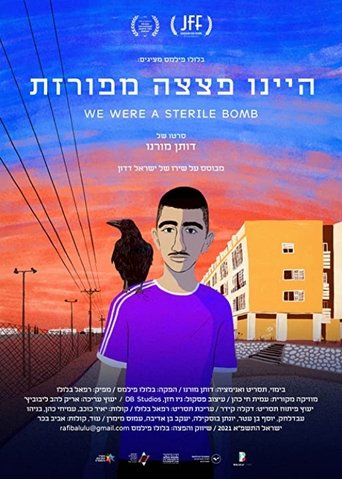
Coming-of-age story of Avi, living in a small Israeli town in the late 1990s. Avi, lonely and introverted, wanders around the city. An encounter with a young man his age shakes his numb world.
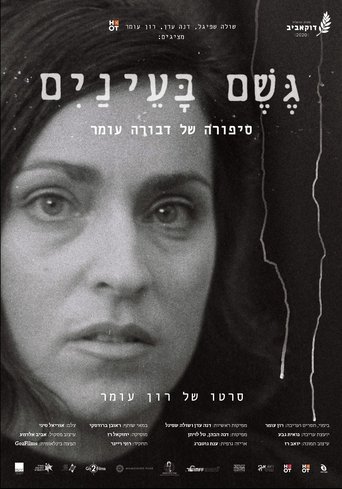
Kibbutz Maoz Chaim children's house, 1943. A gunshot rings out, followed by silence.11-year-old Dvor'aleh is orphaned. She was told that her mother was killed by a stray bullet during weapons training, but soon begins hearing the word "suicide" whispered among the kibbutz members. Dvora is deeply troubled: was it an accident or was it suicide? If it was suicide, how could her mother leave her alone in the world like that? Only years later does Dvora discover the truth. Journeying to the past, her son, the filmmaker, revisits the childhood of a mother with "rain in her eyes", as she described herself - a mother whose tormented life story shaped her writing and her relationship with her children and family.

