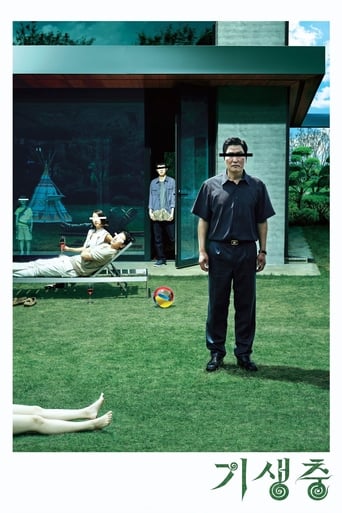
Mo kle Working Class
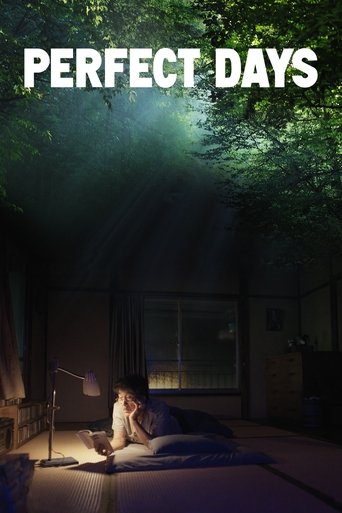
PERFECT DAYS 2023
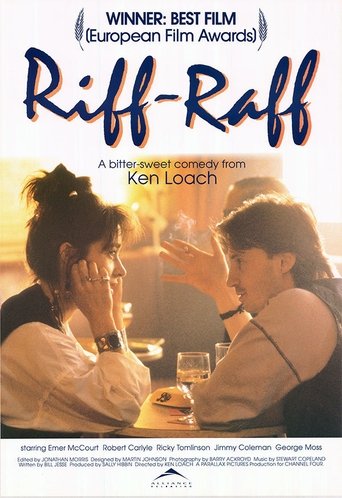
Riff-Raff 1991
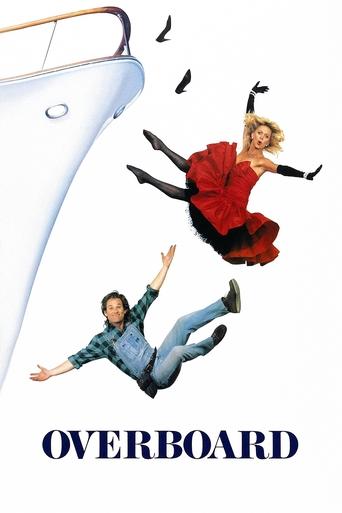
Overboard 1987
Brooklyn 2015
Blue Jasmine 2013
Kådisbellan 1993
Maria Soprano 1970
Night School 2016
Metello 1970

Belfast 2021
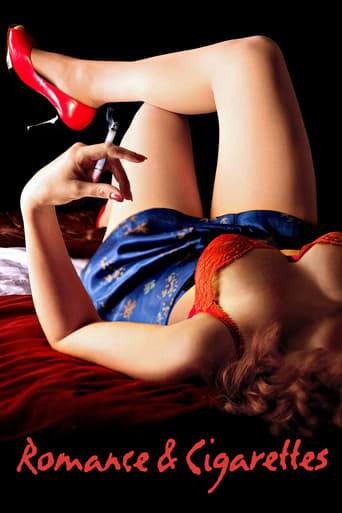
Romance & Cigarettes 2005
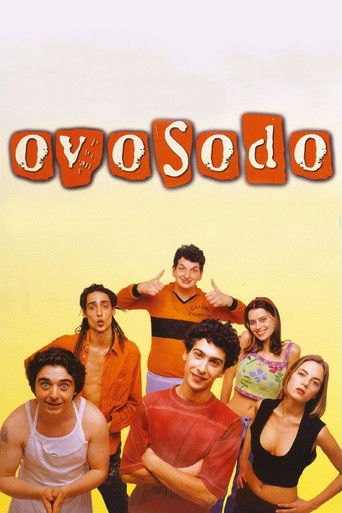
Ovosodo 1997
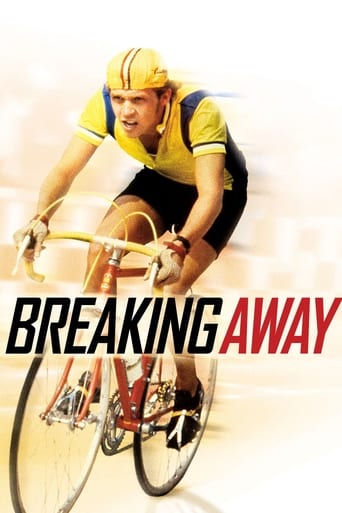
Breaking Away 1979
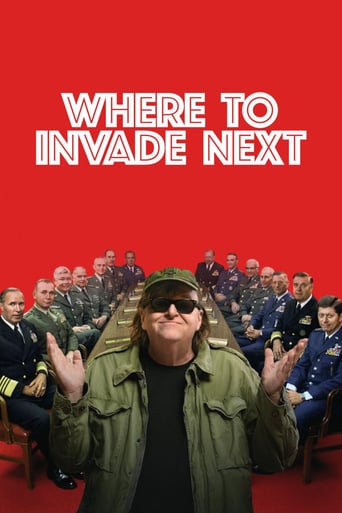
Where to Invade Next 2015
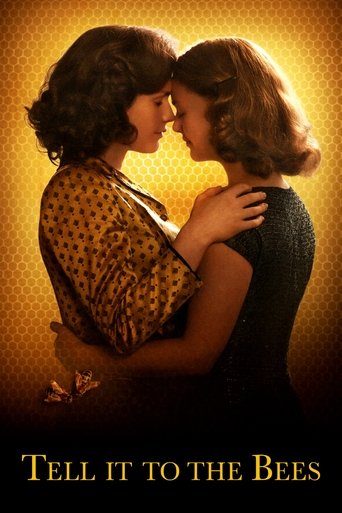
Tell It to the Bees 2019
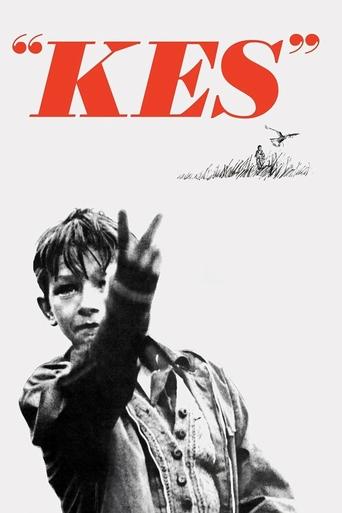
Kes 1970
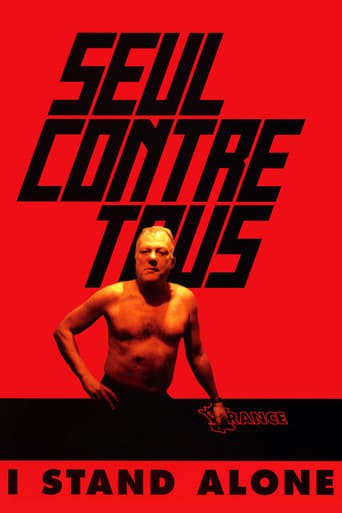
Seul contre tous 1999
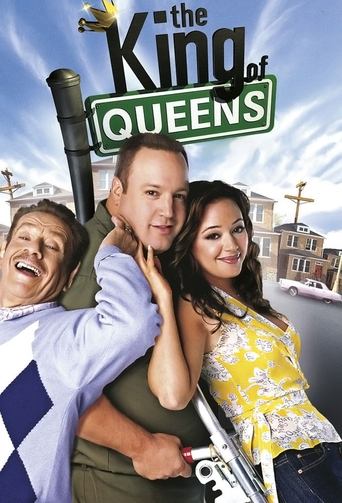
The King of Queens 1998
Life’s good for deliveryman Doug Heffernan, until his newly widowed father-in-law, Arthur, moves in with him and his wife Carrie. Doug is no longer the king of his domain, and instead of having a big screen television in his recently renovated basement, he now has a crazy old man.
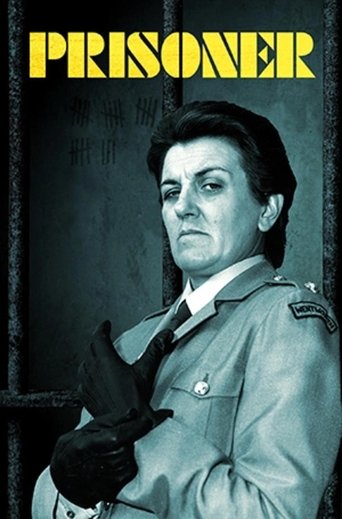
Prisoner 1979
Prisoner is an Australian soap opera that is set in the Wentworth Detention Centre, a fictional women's prison.
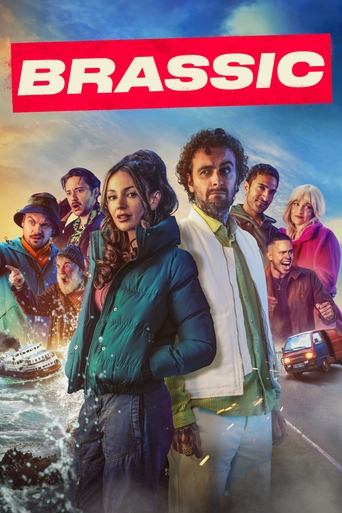
Brassic 2019
A group of working-class friends finding unconventional ways to win at life in suburban northern England. These lads have dealt, scammed, bribed and conned their way through adolescence, but now, their dealing and stealing is catching up with them and a whole load of trouble is heading their way.
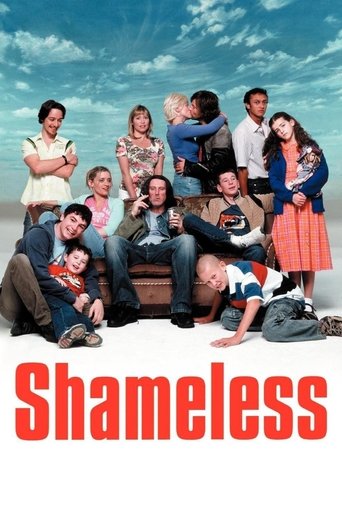
Shameless 2004
The story of a young group of siblings pretty much abandoned by their parents, surviving by their wits - and humor - on a rough Manchester council estate. Whilst they won't admit it, they need help and find it in Steve, a young middle class lad who falls for Fiona, the oldest sibling, and increasingly finds himself drawn to this unconventional and unique family. Anarchic family life seen through the eyes of an exceptionally bright fifteen year old, who struggles to come of age in the context of his belligerent father, closeted brother, psychotic sister and internet porn star neighbors.
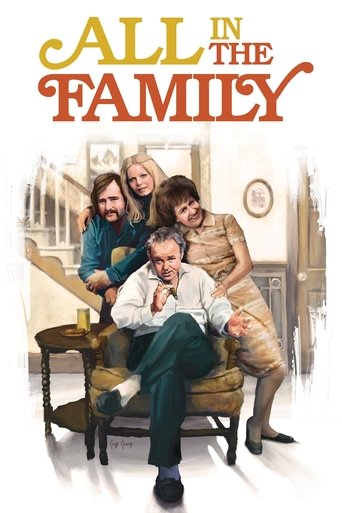
All in the Family 1971
Archie Bunker, a working class bigot, constantly squabbles with his family over the important issues of the day.
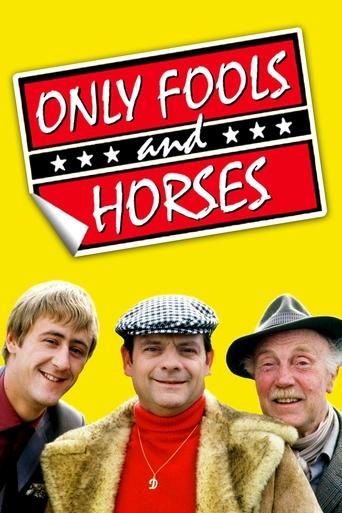
Only Fools and Horses 1981
Only Fools and Horses.... Is a British sitcom created and written by John Sullivan. Seven series were originally transmitted on BBC One from 1981 to 1991, with sixteen sporadic Christmas specials aired until 2003. In working-class Peckham in south-east London, ambitious market trader Derek 'Del Boy' Trotter and his younger half-brother Rodney, explore their highs and lows in life, in particular their attempts to get rich. Initially not an immediate hit and receiving little promotion early on, it later achieved consistently high ratings, and the 1996 episode "Time on Our Hands" (originally billed as the series finale) holds the record for the biggest UK audience for a sitcom episode, attracting 24.3 million viewers. The series bears a significant influence on British culture, contributing several words and phrases to the English language.
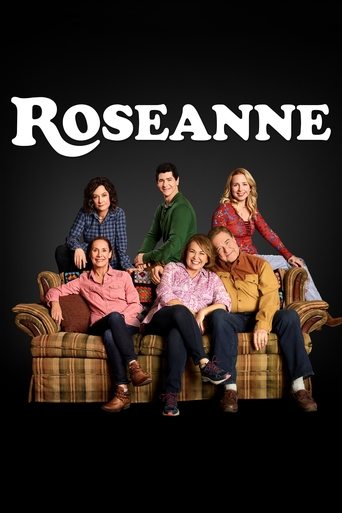
Roseanne 1988
A working-class family struggles to get by on a limited income in the fictional town of Lanford, Illinois.
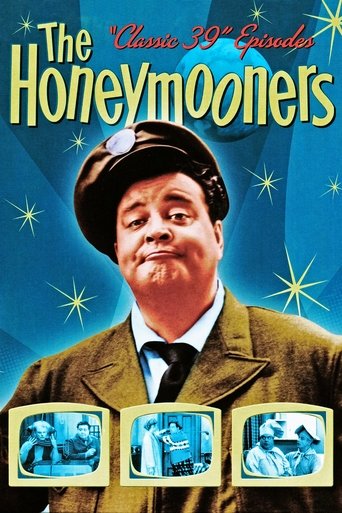
The Honeymooners 1955
A bus driver and his sewer worker friend struggle to strike it rich while their wives look on with weary patience. One of the most influential situation comedy television series in American history.
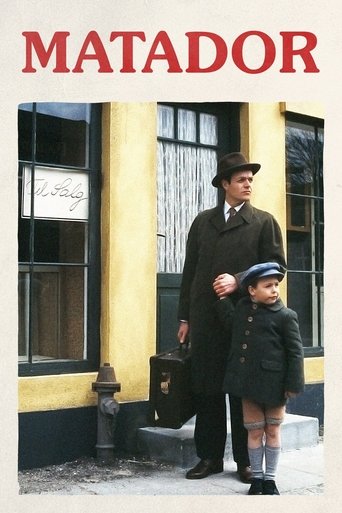
Matador 1978
Matador is a Danish TV series produced and shown between 1978 and 1982. It is set in the fictional Danish town of Korsbæk between 1929 and 1947. It follows the lives of a range of characters from across the social spectrum, focusing specifically on the rivalry between the families of two businessmen: The banker Hans Christian Varnæs, an established local worthy, and social climber Mads Skjern, who arrives in town as the series opens. The name Matador was taken from the localised edition of the boardgame Monopoly, also the series' tentative English title. In addition, in contemporary Danish a "matador" is often used to describe a business tycoon, in the series referring to the character of Mads Skjern and his craftiness as a self-made entrepreneur. Directed by famed Danish film maker Erik Balling, Matador was the idea of author Lise Nørgaard who wrote the bulk of the episodes alongside Karen Smith, Jens Louis Petersen and Paul Hammerich. The series is one of the most well-known and popular examples of Danish television and represents the peak of longtime development of Danish TV drama by the public service channel Danmarks Radio. The series has become part of the modern self-understanding of Danes, partly because of its successful mix of melodrama and a distinct warm Danish humour in the depiction of characters, which were portrayed by a wide range of the most popular Danish actors at the time; but also not least because of its accurate portrayal of a turbulent Denmark from around the start of the Great Depression and through Nazi Germany's occupation of Denmark in World War II.
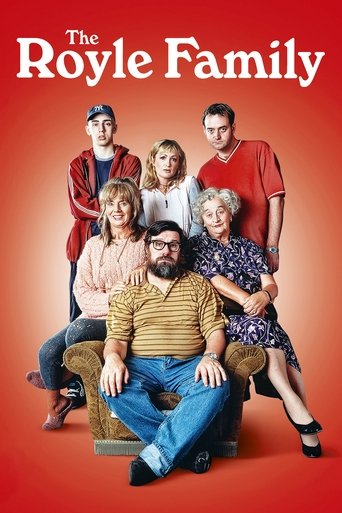
The Royle Family 1998
The Royle Family is a British sitcom created by Caroline Aherne and Craig Cash, and produced by Granada Television for BBC Two (series 1) and BBC One (series 2 and 3). It centres on the lives of a television-fixated Manchester family, the Royles, comprising lazy patriarch Jim, his hard-working wife Barbara, their entitled daughter Denise, their put-upon son Antony, and Denise's lad fiancé–later husband–David.
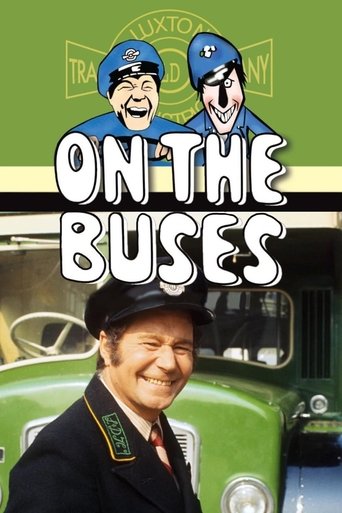
On the Buses 1969
On the Buses is a British comedy series created by Ronald Wolfe and Ronald Chesney, broadcast in the United Kingdom from 1969 to 1973. The writers' previous successes with The Rag Trade and Meet the Wife were for the BBC, but the corporation rejected On the Buses, not seeing much comedy potential in a bus depot as a setting. The comedy partnership turned to a friend, Frank Muir, Head of Entertainment at London Weekend Television, who loved the idea; the show was accepted and despite a poor critical reception became a hit with viewers.
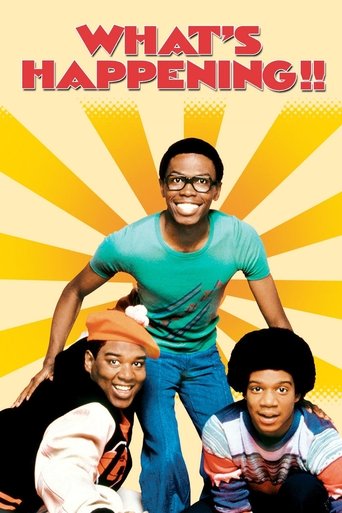
What's Happening!! 1976
What's Happening!! is an American television sitcom that aired on ABC from August 5, 1976 to April 28, 1979. The show premiered as a summer series. With good ratings and reviews, and after the failure of several other shows on the network, What's Happening!! returned in November 1976 as a weekly series. It remained a regular show until 1979; ratings were modest. What's Happening!! was loosely based on the motion picture Cooley High, also written by Eric Monte.

The Jeff Foxworthy Show 1995
Jeff Foxworthy is a hardworking husband and father. Between paying his mortgage, running his heating and air company business and raising his precocious son, he learns what every self-respecting redneck knows: tractor pulls come and go, but family is forever!
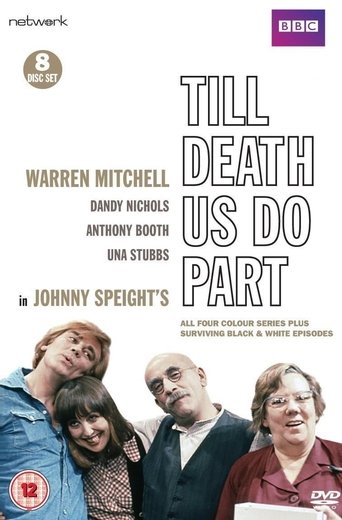
Till Death Us Do Part 1966
This English follows the East End working-class Garnett family, headed by patriarch Alf, a reactionary working-class man who wields racist and anti-Socialist views. His long-suffering wife Else manages to keep things in control... for the most part. Their progressive daughter Rita lives with them, as does her Irish husband Mike, who, with an array of liberal worldviews, often quarrels with his father-in-law. It inspired the American show "All In The Family" and several other international variations on the same theme.
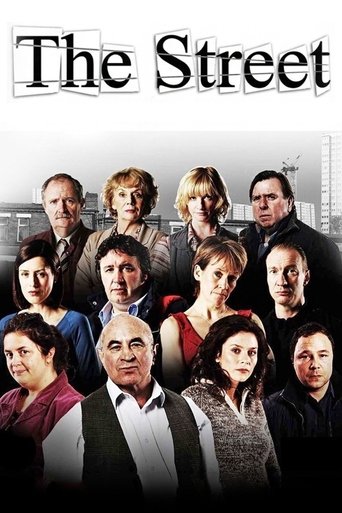
The Street 2006
Anthology drama following the lives and passions of neighbors on a northern English street.
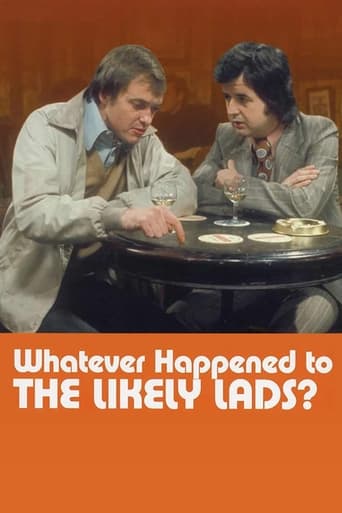
Whatever Happened to the Likely Lads? 1973
Whatever Happened to the Likely Lads? is a British sitcom which was broadcast between 9 January 1973 and 9 April 1974 on BBC1. It was the colour sequel to the mid-1960s hit The Likely Lads. It was created and written, as was its predecessor, by Dick Clement and Ian La Frenais. There were 26 television episodes over two series; and a subsequent 45-minute Christmas special was aired on 24 December 1974. The cast were reunited in 1975 for a BBC radio adaptation of series 1, transmitted on Radio 4 from July to October that year. In 1976, a feature film spin-off was made. Around the time of its release, however, Rodney Bewes and James Bolam fell out over a misunderstanding involving the press and have not spoken since. This long-suspected situation was finally confirmed by Bewes while promoting his autobiography in 2005. Unlike Bewes, Bolam is consistently reluctant to talk about the show, and has vetoed any attempt to revive his character.
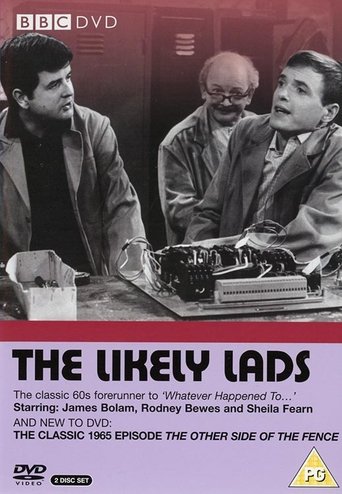
The Likely Lads 1964
Terry Collier and Bob Ferris are good friends. Terry was working class and secure in his life, whereas Bob was more aspirational, determined to work his way to a better place. Both viewed the others' worldview with disdain, but they were united by events, generally revolving around the pursuit of women. Although 20 total episodes were filmed, only 10 are currently known to survive. There is one missing from the first season, three from the second, and six from the final run.
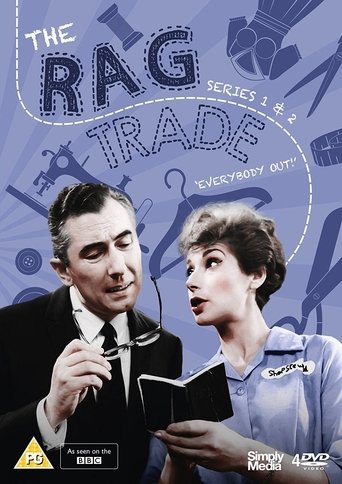
The Rag Trade 1961
The Rag Trade is a British television sitcom broadcast by the BBC between 1961 and 1963 and by LWT between 1977 and 1978. The scripts were by Ronald Wolfe and Ronald Chesney, who later wrote Wild, Wild Women, Meet the Wife and On the Buses. Wild, Wild Women was a period variation of The Rag Trade. The action centred on a small clothing workshop, Fenner Fashions in London. Although run by Harold Fenner and Reg the foreman, the female workers are led by militant shop steward Paddy Fleming, ever ready to strike, with the catchphrase "Everybody out!" Other cast members included Sheila Hancock, Esma Reese Cannon, Wanda Ventham and Barbara Windsor. The Rag Trade was revived by ITV company LWT in 1977, with Jones and Karlin reprising their roles. The 1977 version ran for two series, most of the scripts being based on the BBC episodes from the 1960s, and featured Anna Karen and future EastEnders star Gillian Taylforth as factory workers. The theme tune for the LWT series was written and performed by Lynsey De Paul.
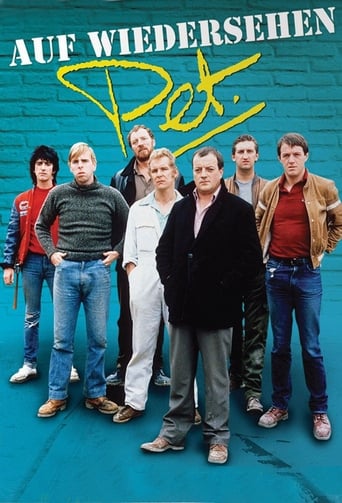
Auf Wiedersehen, Pet 1983
Seven British construction workers escape Britain's ever growing dole queues and travel to Germany to work on a site in Dusseldorf. We follow their trials and tribulations of working away from home and away from the women they left behind.
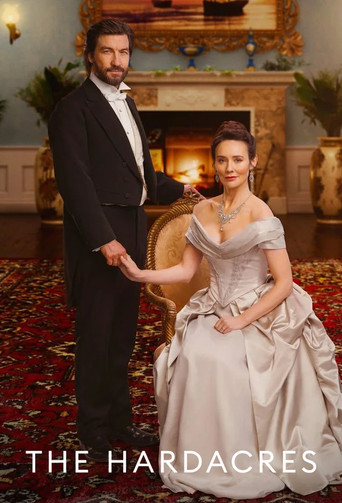
The Hardacres 2024
The sweeping rags to riches story of the Hardacres, a working-class family in 1890s Yorkshire who strike it rich and move from a grimy fish dock to a vast estate.
