The Panic in Needle Park

The Panic in Needle Park 1971

6.79

A stark portrayal of life among a group of heroin addicts who hang out in Needle Park in New York City. Played against this setting is a low-key love story between Bobby, a young addict and small-time hustler, and Helen, a homeless girl who finds in her relationship with Bobby the stability she craves.

1971

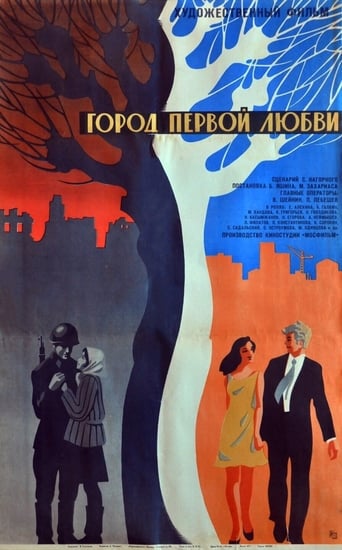
The City of First Love

The City of First Love 1971

9.00

The film tells about the inhabitants of the Russian city of Tsaritsyn-Stalingrad-Volgograd. The film consists of three novellas, united by the theme of love and the scene - a city on the Volga.

1971

Adaletin Bu Mu Dünya

Adaletin Bu Mu Dünya 1971

1

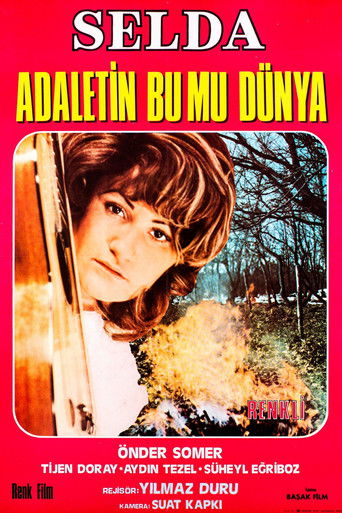
The film tells the story of a young girl who dreams of becoming a singer. Selda is the daughter of a middle-class family. Selda lost her father at a young age and was raised by her mother. Selda continues her university education. However, her true dream is to become a singer. Kudret, a famous singer, falls in love with Selda. Selda decides to test Kudret's love, as he is known for his womanizing ways.

1971

Metadata

Metadata 1971

8.00

This short experimental film from Peter Foldès hails from the very early days of computer animation. Created entirely on a computer belonging to the National Research Council of Canada, it registered hundreds of movements to produce a fluid, evolving effect with images seamlessly morphing into one another.

1971

A Clockwork Orange

A Clockwork Orange 1971

8.18

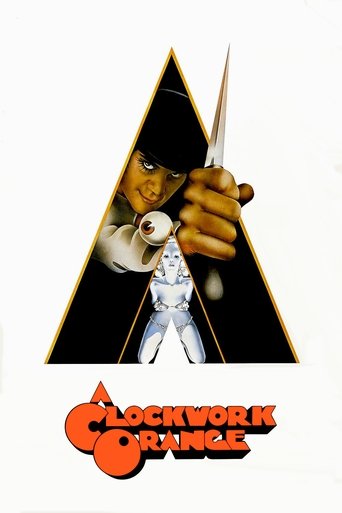
In a near-future Britain, young Alexander DeLarge and his pals get their kicks beating and raping anyone they please. When not destroying the lives of others, Alex swoons to the music of Beethoven. The state, eager to crack down on juvenile crime, gives an incarcerated Alex the option to undergo an invasive procedure that'll rob him of all personal agency. In a time when conscience is a commodity, can Alex change his tune?

1971

The Only House in Town

The Only House in Town 1971

3.50

A collection of explicitly simulated sexual vignettes ranging from rape and orgy to historical events.

1971

No One Will Notice You're Naked

No One Will Notice You're Naked 1971

4.75

Rosario Trapanese is determined to show he is not the typical old-fashion Sicilian. When his firm sends him to Denmark, a more sexual liberated nation than Italy, he immediately adopts the Danish "free-sexual-taboo" way of life. He meets and married Karen and succeeded to come back in Italy. Once here, he discovers Karen did a porn movie and his determination on being open minded is over. The typical Sicilian jealousy drives him crazy. Anyway, after a while, Rosario understands that what his wife did before to meet him it has not to be an issue for him. Karen confesses Rosario she signed a contract for a second movie and she could refuse only by paying a fine. The couple doesn't have enough money so they need to find a solution. And what a solution!

1971

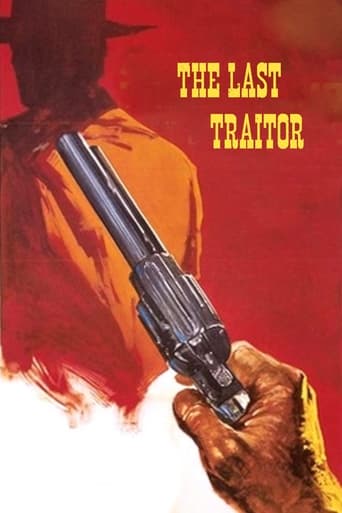
The Last Traitor

The Last Traitor 1971

4.00

Wedding guests awaiting the arrival of the bride suddenly become nervous when they notice that the table has been laid for 13... an ominous number. Their worries are confirmed when the bridal carriage pulls up outside bearing the lifeless bride and the corpses of three other guests. The suspicions rise between the thirteen guests, and the identity of the murderer is a shocking surprise.

1971

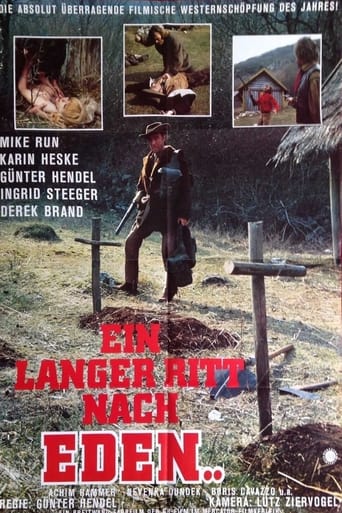
A Long Ride To Eden

A Long Ride To Eden 1971

2.00

Two bank robbers encounter two religious couples in a remote hut. Tensions grow while the gangsters are waiting for their third partner.

1971

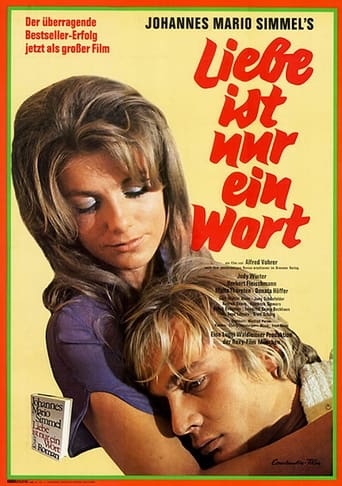
Love Is Only a Word

Love Is Only a Word 1971

3.30

The 21-year-old student Oliver Mansfeld attends a boarding school in Frankfurt. There he meets the married banker's wife Verena. A passionate affair develops between them, which does not remain undiscovered by Verena's husband for long.

1971

A Prison Should Be Dark

A Prison Should Be Dark 1971

1

Kafkaesque story of man arrested and imprisoned for no reason, and then – in impressionistic style – forced to reflect on his life.

1971

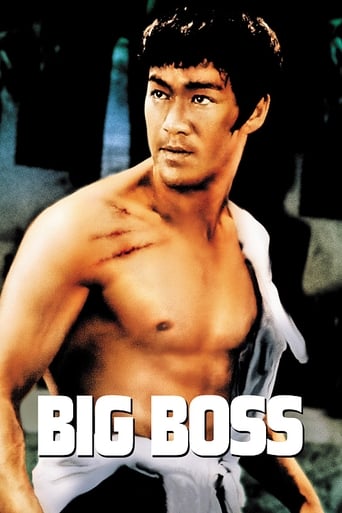
The Big Boss

The Big Boss 1971

7.10

Cheng is a young Chinese mainlander who moves in with his expatriate cousins to work at an ice factory in Thailand. He does this with a family promise never to get involved in any fights. However, when members of his family begin disappearing after meeting the management of the factory, the resulting mystery and pressures force him to break that vow and take on the villainy of the Big Boss.

1971

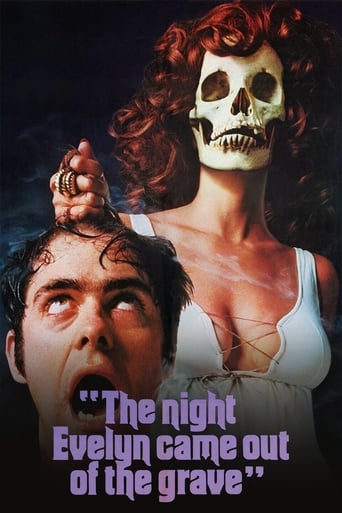
The Night Evelyn Came Out of the Grave

The Night Evelyn Came Out of the Grave 1971

5.98

A rich, mentally-unstable man with a penchant for playing deadly S&M games with women who resemble his dead wife, sparks off a chain of bizarre events after getting remarried.

1971

Mayuko hitori

Mayuko hitori 1971

1

Kano is known as a "cocoon child" whose father is an agriculturist. Her mother disappeared when she was little and since then Kano has been wondering why her mother left her thus changing the shape of her life.

1971

The Old Grey Whistle Test

The Old Grey Whistle Test 1971

7.50

The Old Grey Whistle Test is an influential BBC2 television music show that ran from 1971 to 1987. It took over the BBC2 late night slot from "Disco Two", which had been running since January 1970, while continuing to feature non-chart music. It was devised by BBC producer Rowan Ayers. According to presenter Bob Harris, the programme derived its name from a Tin Pan Alley phrase from years before. When they got the first pressing of a record they would play it to people they called the old greys—doormen in grey suits. The songs they could remember and whistle, having heard it just once or twice, had passed the old grey whistle test.

1971

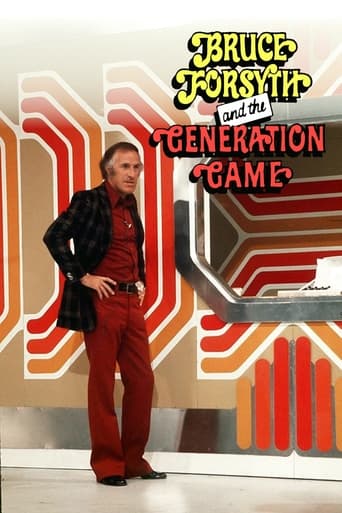
The Generation Game

The Generation Game 1971

9.00

The Generation Game was a British game show produced by the BBC in which four teams of two competed to win prizes. The programme was first broadcast in 1971 under the title Bruce Forsyth and the Generation Game and ran until 1982, and again from 1990 until 2002. The show was based on the Dutch TV show Een van de acht, "One of the Eight", the format devised in 1969 by Theo Uittenbogaard for VARA Television. Mrs. Mies Bouwman - a popular Dutch talk show host and presenter of the show - came up with the idea of the conveyor belt. She had seen it on a German programme and wanted to incorporate it into the show. Another antecedent for the gameshow was 'Sunday Night at the London Palladium' on ATV, which had a game called Beat the Clock, taken from an American gameshow. It featured married couples playing silly games within a certain time to win prize money. This was hosted by Bruce Forsyth from 1958, and he took the idea with him when he went over to the BBC.

1971

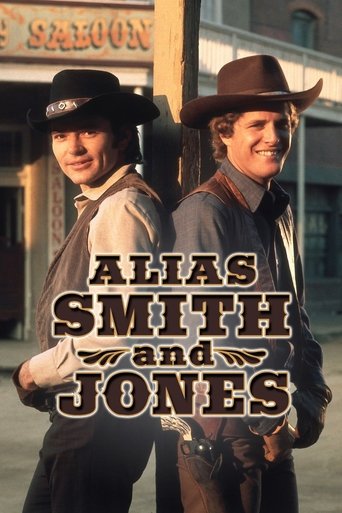
Alias Smith and Jones

Alias Smith and Jones 1971

6.97

Alias Smith and Jones is an American Western series that originally aired on ABC from 1971 to 1973. It stars Pete Duel as Hannibal Heyes and Ben Murphy as Jedediah "Kid" Curry, a pair of cousin outlaws trying to reform. The governor offers them a conditional amnesty, as he wants to keep the pact under wraps for political reasons. The condition is that they will still be wanted— until the governor can claim they have reformed and warrant clemency.

1971

Spectreman

Spectreman 1971

8.10

Spectreman is the name and title superhero of a tokusatsu sci-fi TV series. Produced by P Productions and created by producer Souji Ushio, this series aired on Fuji TV from January 2, 1971 to March 25, 1972 with a total of 63 episodes, not counting the pre-series pilot episode. This was the first major superhero show of the 1970s.

1971

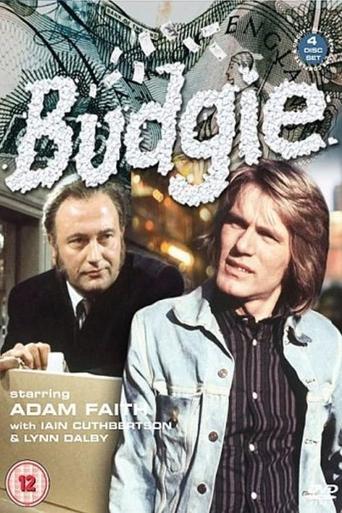
Budgie

Budgie 1971

7.00

Budgie is a popular British television series starring former popstar Adam Faith which was produced by ITV company London Weekend Television and broadcast on the ITV network between 1971 and 1972. The series was created by Keith Waterhouse and Willis Hall . The show was produced by Verity Lambert, Rex Firkin was the Executive producer.

1971

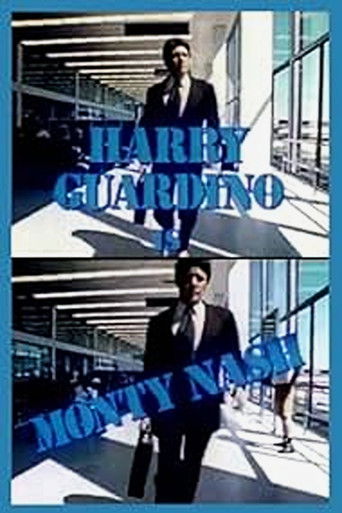
Monty Nash

Monty Nash 1971

5.50

Monty Nash is a government agent who often goes undercover to apprehend criminals.

1971

Return of Ultraman

Return of Ultraman 1971

8.60

In a fight between two giant monsters named Takkong and Zazahn, young race car driver Hideki Go is killed while trying to rescue a little boy and a dog from the falling rubble. His valiant sacrifice is noted by everyone, even his friends and the new defense force MAT, but an unseen being also takes notice. Looking over Go is the "New Ultraman", who is so touched by Go's actions that he decides to combine his life force with that of Hideki, thus bringing him back to life. Hideki Go then joins the MAT and fights alongside them and Ultraman against monsters and alien invaders.

1971

Parkinson

Parkinson 1971

6.10

Parkinson (1971) is a British television Interview show that was presented by Michael Parkinson.

1971

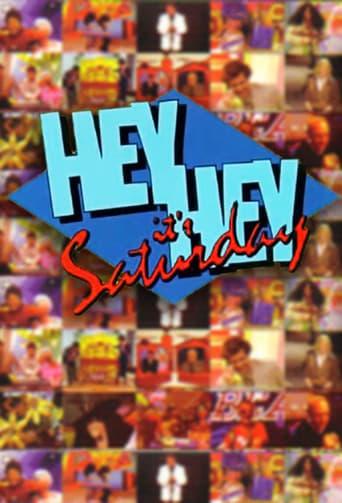
Hey Hey It's Saturday

Hey Hey It's Saturday 1971

8.00

Hey Hey It's Saturday was a long-running variety television program on Australian television. It initially ran for 27 years, debuting on the Nine Network on 9 October 1971 and broadcasting its last episode on 20 November 1999. Its host throughout its entire run was Daryl Somers, who would later become executive producer of the program. The original producer, Gavin Disney, left the program in the 1980s and Somers then jointly formed his own production company, Somers Carroll Productions, with on-screen partner Ernie Carroll, the performer of Somers' puppet sidekick Ossie Ostrich.

1971

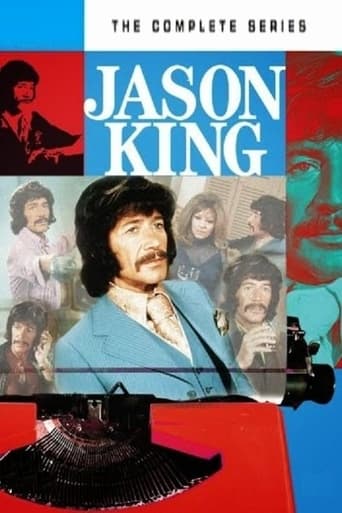
Jason King

Jason King 1971

7.60

Jason King - a suavely sophisticated former secret agent turned novelist - travels the world searching for material to fill his books, encountering an endless parade of glamorous women, exotic locales, menacing villains and daring intrigue! Before Austin Powers swung into action, Jason King set the standard for the hip crime-fighting international playboy!

1971

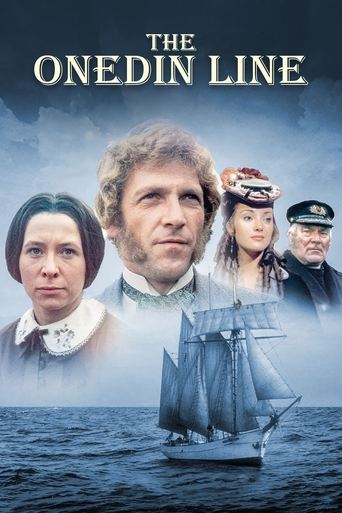
The Onedin Line

The Onedin Line 1971

6.80

The Onedin Line is a BBC television drama series which ran from 1971 to 1980. The series was created by Cyril Abraham. The series is set in Liverpool from 1860 to 1886 and deals with the rise of a shipping line, the Onedin Line, named after its owner James Onedin. Around this central theme are the lives of his family, most notably his brother and partner, shop owner Robert, and his sister Elizabeth, giving insight into the lifestyle and customs at the time, not only at sea, but also ashore. The series also illustrates some of the changes in business and shipping, such as from wooden to steel ships and from sailing ships to steam ships. It shows the role that ships played in affairs like international politics, uprisings and the slave trade.

1971

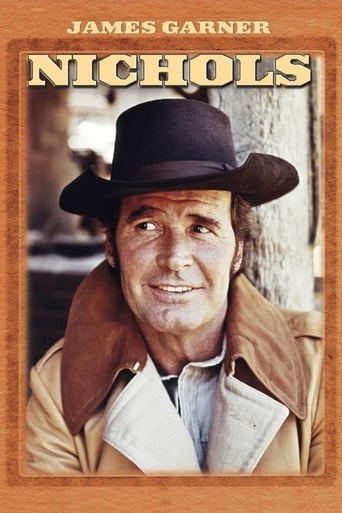
Nichols

Nichols 1971

5.00

Nichols is an American Western television series starring James Garner broadcast in the United States on NBC during the 1971-72 season. Set the fictional town of Nichols, Arizona, in 1914, Nichols differed from traditional Western series of the era. The main character, a sheriff, rode on a motorcycle and in an automobile rather than on the traditional horse. The hero did not carry a firearm and was generally opposed to the use of violence to solve problems, preferring other means. Margot Kidder portrayed Ruth, the love interest/barmaid of Nichols.

1971

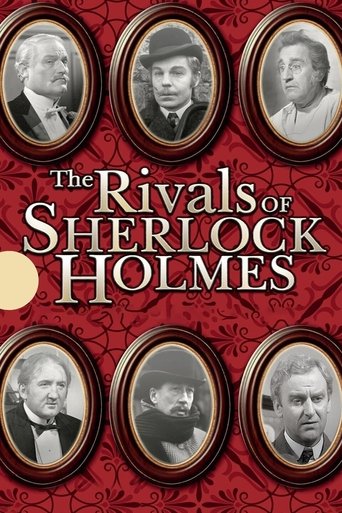
The Rivals of Sherlock Holmes

The Rivals of Sherlock Holmes 1971

7.40

An anthology series produced by Thames Television, comprised of short mystery, suspense or crime adaptations featuring, as the title suggests, detectives who were literary contemporaries of Arthur Conan Doyle's Sherlock Holmes.

1971

Disco

Disco 1971

1

Disco was a pop music program that aired in Germany on the ZDF network from 1971 to 1982. It generally aired on the first Saturday of each month at 7:30PM, each show running 45 minutes. 133 shows were produced. The show was hosted by German actor and comedian Ilja Richter. Its lesser known predecessor on ZDF, 4-3-2-1 Hot & Sweet was aired between 1966 and 1970, presenters included Ilja Richter and Suzanne Doucet. Disco generally served a younger pop-oriented audience compared to ZDF's Hitparade, and until 1972, its main competitor was Beat-Club, followed by Musikladen, both on ARD. Repeats of Disco have been aired since 1984 on ZDF Musikkanal, after its closedown in 1989 on 3sat. Since 2004, the digital ZDF Theaterkanal aired repeats of the entire series. In 2007, ZDF Dokukanal began to air reruns, starting with episodes from 1975 and also multiple repeats of the series have been shown on hit24 in 2008. The show focussed on chart hits current at the time of airing, giving about equal airtime to international pop music and German Schlager. Despite its name, it did not particularly focus on disco music although it featured many disco hits as long as they were chart relevant..

1971