
Why the Moon Doesn‘t Have a Dress 2009
Animation based on a popular Serbian tale about the moon and why it doesn‘t have a dress.
Animation based on a popular Serbian tale about the moon and why it doesn‘t have a dress.

A short film
Through the creative use of archival footage, documentary filmmaker Maka Gogaladze tells a story of her family – from her birth till the present day, intertwined with the turbulent history of Georgia over the last 30 years.
21-year-old Marisha works the night shift at a hotel full of Russian tourists to earn money for her studies. When she arrives in Tbilisi after two years of online classes, Marisha struggles to find a place to live, due to the influx of Russians escaping mobilization.
Local betting casino and its unique society.

This short hybrid documentary is a portrait of a 13-year-old girl in Gori, Georgia with a vivid imagination and love of storytelling.
In 2008, through Russian military interventions, South Ossetia was declared an “independent” territory. Robinson and part of his family still live in the Georgian settlement that was built for the refugees. The story of a parallelism: while Robinson gazes into the distance, uprooted, life for his grandchildren begins in the here and now.

A film about St. Gabriel (Urgebadze) of Georgia
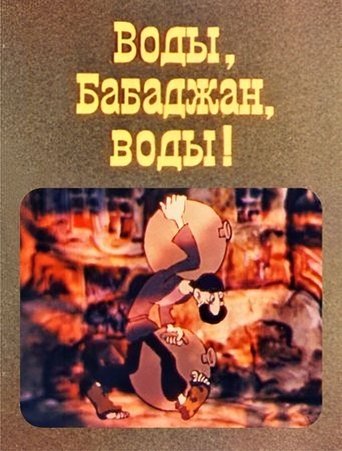
The story is about Babajan, a water peddler who constantly gets into different uncomfortable situations.
The Greeks used to call the Black Sea ‘Ponto Euxino’ — hospitable sea. That is the feeling one gets with this summery journey through the Black Sea through the drawings and insights narrated by dozens of children and crafted to form a small epic poem of recognition and adventure.
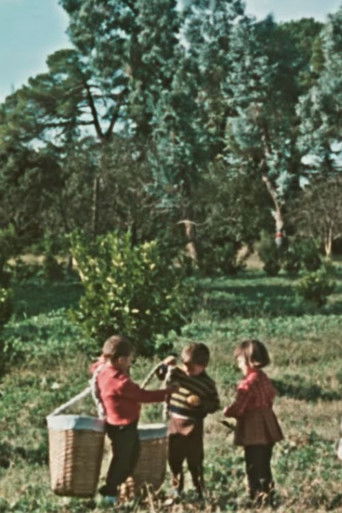
Soso Chkhaidze's documentary film "Kolkhida". Director's course work. Shot in 1967, in the third year of the Moscow Institute of Cinematography (ВГИК) (Pavel Chukhray's studio).
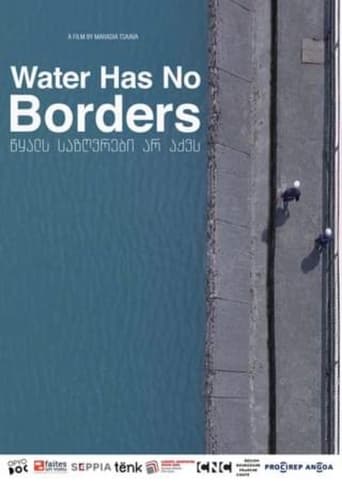
Since the end of the civil war in the early 1990s, the region of Abkhazia has been acting independently of Georgia. This has turned a massive dam into a border. But the hydroelectric power station also connects the two political entities: Because over a distance of fifteen kilometres the water flows freely, underground, from one side to the other. When a young journalist gets stranded here, stories of division emerge.

Henry is a 20 year-old American gay boy studying Georgian folk music. He will be a hostage, a victim, fiance, sweetheart and knight. A strange exotic tradition. Henry's humanity character saves a girl's life.
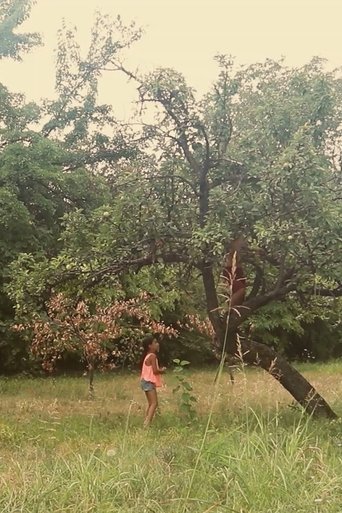
In front of a little kid, unrolls a story of two groups of people, whose conflict revolves around Georgian society's cultural and political challenges which lead them into a mystical, and tragic, journey. Coming from elements of the society such as fairy tales, religion and pop-culture the film is filled with unforeseeable twists and shifts in the story, aesthetics, and genres.
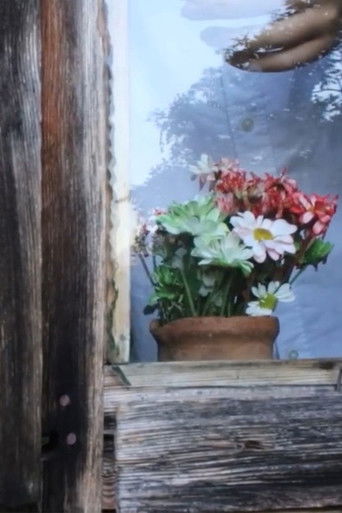
Irakli and Elena escape city life in a highland village. They want to restore a good relationship. Elena tries to create spiritual peace through yoga, while Irakli is addicted to alcohol, therefore they do not have a harmonious relationship, nevertheless they continue to live together.
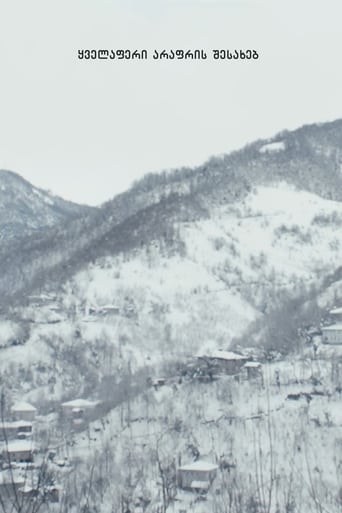
The film tells the story of a large family in a village, which is locked in one space due to snow, but despite being in the same building, they do not have close contact with each other. The main character is Nika, disabled persons. He is excluded from siblings and only has a relationship with the father.
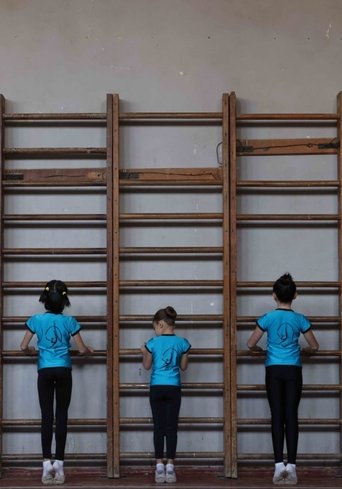
I, the daughter of a Georgian tiger mother, travel around classrooms and observe children to help portray my childhood. I juxtapose these images with my mother's letters, reflecting her attempt to transform me from a restive child into a model citizen.
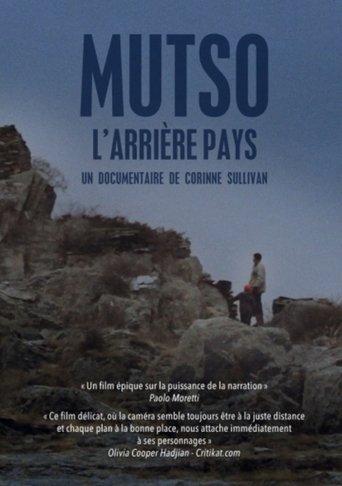
Nugzari has settled down with his family in the ruins of Mutso, his childhood village in the deserted mountains of the Caucasus. Nourished by the epic legends created around this territory, Nugzari tries to pass on to his son his intimate relation to the stones and the past of this sacred hinterland of Georgia.
