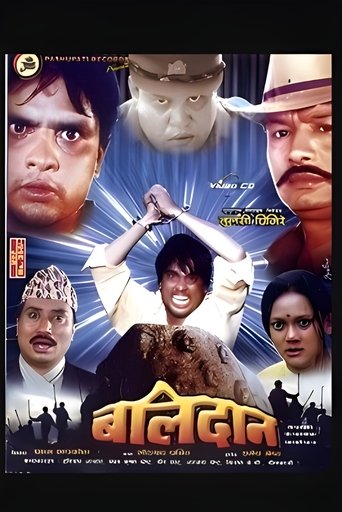
Balidaan 1997
Balidaan (Sacrifice) is a 1997 Nepali historical drama film set in Panchayat-era Nepal, and depicts a fictionalised version of the contemporary democracy movement.
Balidaan (Sacrifice) is a 1997 Nepali historical drama film set in Panchayat-era Nepal, and depicts a fictionalised version of the contemporary democracy movement.

Shishir (Ashirwad Chhetri) is a skilled cinema actor who enjoys performing action parts. He has a daughter, Ditya (Avelina Khadka), with whom he spends a lot of his after-work time. Shishir has always loved and cared for his child, Ditya, who has never gotten affection from her mother. The father- daughter team admired one another. Ditya's birthday has arrived, and her father is still not home, which makes her very upset. When her father arrives home, he wishes her a happy birthday, drives her to school, and promises to take her to one of the finest restaurants to celebrate. On the drive, Ditya asks Shishir about her mother, but he terminates the subject by saying that he will illustrate it later. After school, they go to a restaurant to celebrate their birthday.

Drawing inspiration from Frederick Wiseman’s classic aesthetic, Nepalese filmmaker Kesang Tseten spends a year observing the community and culture of Himalayan immigrants in and around the Jackson Heights neighborhood of Queens. During the buildup to the 2020 U.S. Census, the inhabitants reveal their motivation to have their presence recorded, encouraged by visits from their political representatives, including Alexandria Ocasio-Cortez. In carefully captured verite footage, we see a rich portrait of people deeply connected to homeland traditions while adjusting to life in exile.
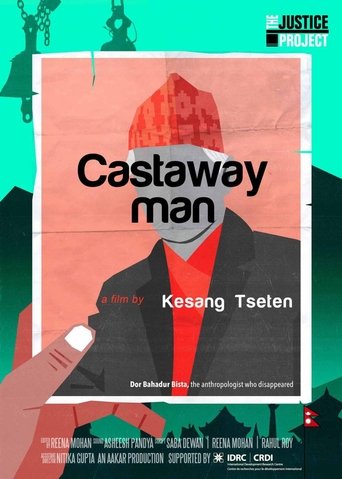
Dor Bahadur Bista, Nepal’s most controversial intellectual in modern times, disappeared without a trace in 1996.

Serap Sherpa, an accomplished mountain guide from Nepal, now drives a cab in New York City and gets lost in his memories of the mountains.

Harry and his 'Pyaari' Jenny, are chasing similar goals in life, but the extent to which they both go about to achieve this is unimaginable.

A suspense story of a nurse, who struggles for case and love.

Based on a short story by writer Guru Prasad Mainali of the same name, the story follows the lives of husband and wife, Chame and Gauthali. Mainali is a writer from the realism school of thought, or ‘yatharthabadh’ in Nepali. His other popular stories include Naso (The Ward) and Sahid (The Martyr).

Yatra is a story of 5 friends aka 'Panch Panchi' who are filmmaking students and actively works for social causes. For their last semester project, they are searching for some life-changing subject and got to know about a mysterious girl through Samriddhi Rai's vlog.
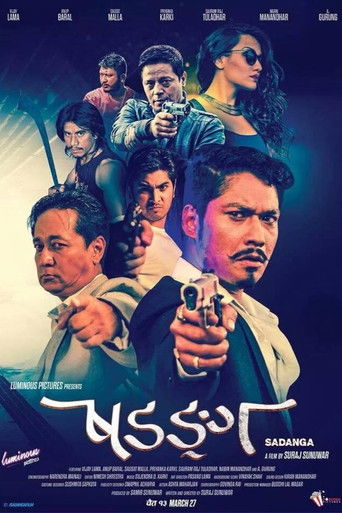
Kalu Yadav frees Vicky from prison and works under crime boss Raja. A police raid ruins Raja’s drug deal, and Kalu suspects rival gangster Bhalu. Salina secretly cheats on Raja with Vicky. Kalu becomes the main suspect in a builder’s murder and faces pressure from Raja. After learning Bhalu tipped off the police, Kalu kills him but Raja abandons Kalu. In hiding, Kalu partners with Malik Bhai and plans to kill Raja. Kalu and Vicky murder Raja and bury his body. The money Vicky gives Kalu turns out to be fake. A violent fight breaks out between Kalu and Vicky. The DSP kills both of them, revealing Salina planned everything to take Raja’s property and leave with another man.
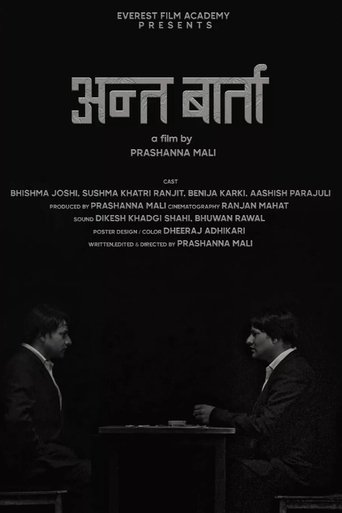
A psychological short film exploring a young man's imagined final conversation with his mother. Shot in black and white, it delves into themes of grief, memory, and emotional closure. Directed by Prashanna Mali, the film has received international acclaim, including an award at the World Film Festival in Cannes.
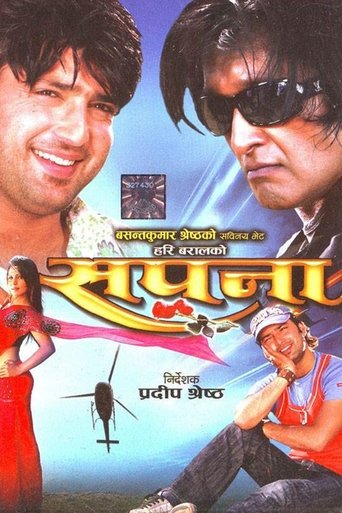
A story follows a girl named Sapana, who dreams of marrying a man just like the one she has always imagined. However, she is completely unaware that the one truly meant for her has been by her side all along.

Two men on a journey to make their next Vulgar Social Awareness Short Movie meets a YouTuber who turns their life upside down.
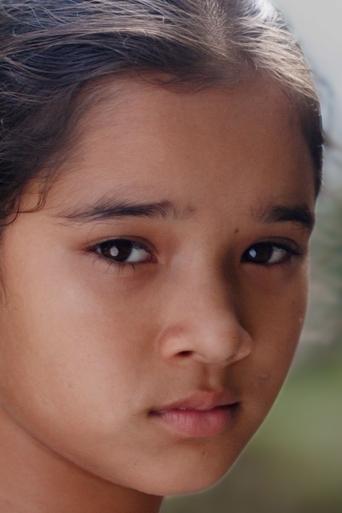
When Dhuckia's father discovers that she is showing the early symptoms of leprosy, he must make a devastating choice. Based on a true story.
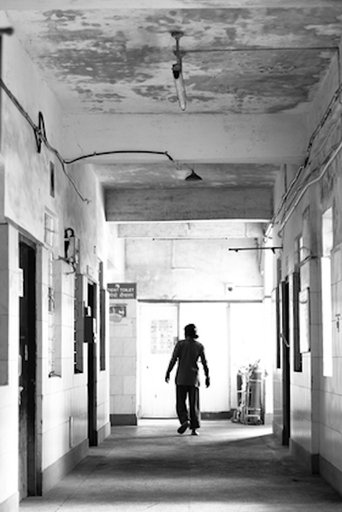
This experimental video essay explores the space and time of a post-colonial hill station set up by the British as a sanatorium for therapeutic recovery from the heat and humidity of India. Invoking the closing sequences of Ritwik Ghatak’s film, Meghe Dhaka Tara (The Cloud-Capped Star) (1960), the film explores how mountains became a metaphor not just for malaise and affliction, but also the human will to survive in the corridors of a creaky healthcare system. Framed through fissures in the dark, derelict walls of a once glorious cinema hall in Darjeeling, the events within turn, hang in liquid suspension. The same landscape becomes a haven for the tourist-turned-environmental-refugee who crawls up the winding mountainside in summer, fleeing the furnace of the Indian plains. But the haven itself is occupied by giant pile drivers pounding steel into the industrial night.
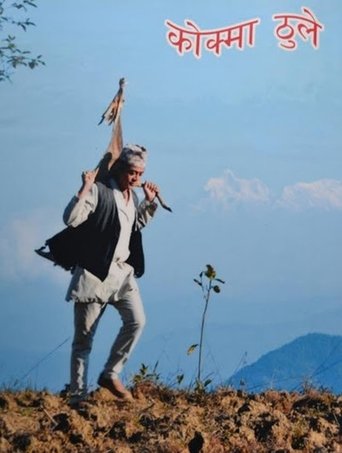
This is the story of a Limbu family. A father loves to play the traditional Chyabrung drum at village ceremonies, his son has problems with school, his wife works hard at home. Losing his beloved drum, the father needs a tree trunk and leather to make a new one.
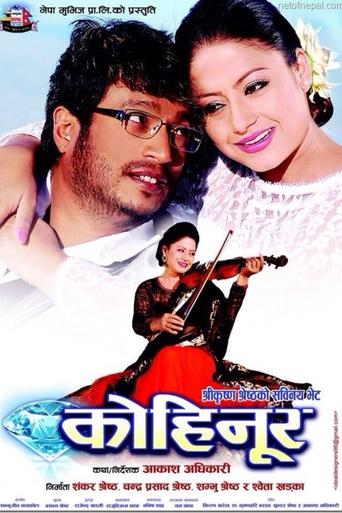
The 2014 Nepalese film Kohinoor follows the story of a man who accidentally sells a girl in the Indian market. due to a misunderstanding, he ends up selling a girl named Kohinoor to human traffickers. Saddened and feeling guilty, Siddharth embarks on a perilous journey to save Kohinoor from the clutches of the traffickers. As he navigates through the treacherous world of human trafficking, he faces several challenges and risks his own life to rescue Kohinoor. As they journey together, Siddharth falls in love with Kohinoor, and their love story develops amidst the chaos of their situation.

Madan Krishna Shrestha buys and wins a house in a lottery which he purchased from the one rupee coin that Hari Bansha Acharya dropped, just to find out later that the house is haunted. The epic episode most Nepalese remember for the haunting cover of "Ghas Kaatne Khurkera" by Hari Bansha Acharya.

We'll sing and dance while thinking of the two couples.
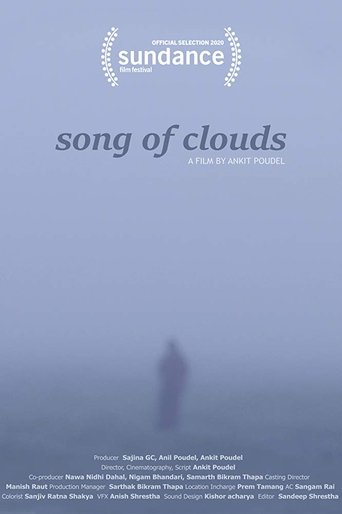
A haunting visual fever dream, and a meditation on the afterlife; the journey to the next world, and what gets left behind among the living.
