
Quo vadis homo sapiens 1982
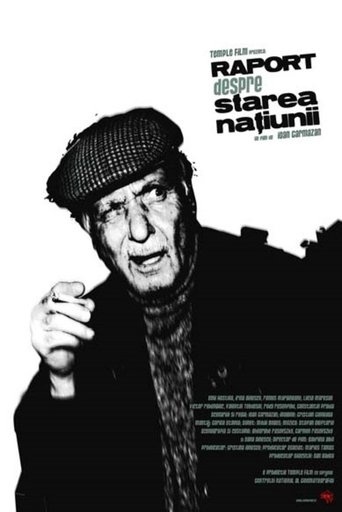
An anthology made up of numerous short films featuring Gopo's Little Man.
An anthology made up of numerous short films featuring Gopo's Little Man.
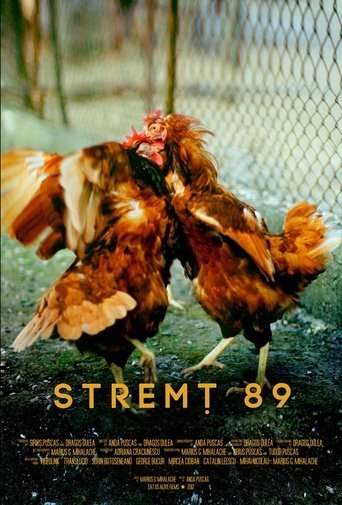
The road through Stremt ends in a mountain wall. Still, in 1989 people were eagerly awaiting army tanks, terrorists and glory. Today, though partly forgotten, partly imagined, the past is crystal clear.

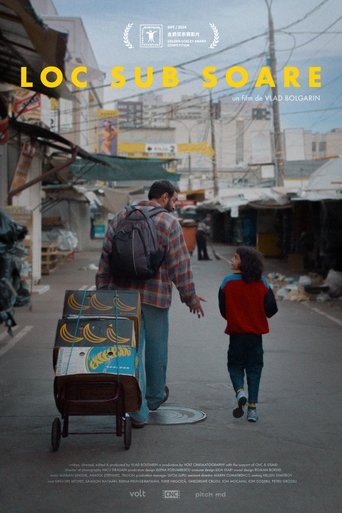
A talented pianist and his 8-year-old son struggle to find a place to sell vegetables at the biggest market in Moldova's 2000'. When the father seems to give up under the burden of his precarious existence, a gesture from his son brings new hope.

A couple past their prime have to adapt to the new capitalist times. They both work as caretakers of the capital's Carol Park and lead a relatively quiet life, divided between the bean soup the woman cooks and the lunches the man takes in the mausoleum where some of the most important figures in Romanian politics of the last century sleep their final resting place. Everything falls apart when Trident chewing gum appears in their lives, in the guise of young girls who are intensely promoting a competition organized by the distributing company.

Ion Marin writes a letter to the editor of his local newspaper extolling the virtues of collective agriculture.
Let’s work, but how? reproachfully asks one of the workers from the Station for the Mechanization of Agriculture (SMA) in Țăndărei, where filmmaker T. Barta was sent to document the lives of an agricultural brigade. Commissioned by the Ministry of Culture, the film was intended for screening in cinemas. Eight days had been allocated for the full shoot, without prior recce. On the first day, the filmmaker gathered the men round a fire—without having informed the local mayor, the Party Secretary or the head of the SMA, as was customary at the time—and recorded their thoughts about their work: sound only, no images. Once that was completed, the remaining days were dedicated to collecting images of the community.

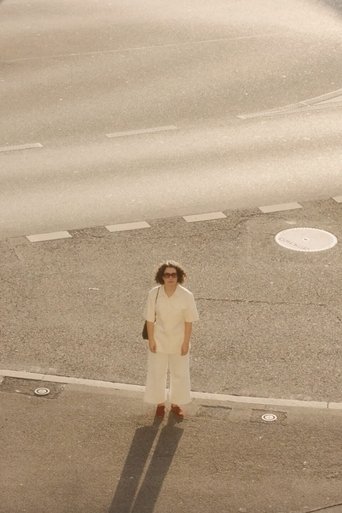
A self-reflecting collage made up of the director’s thoughts and moods while relocating to an alien, poetic Zurich.
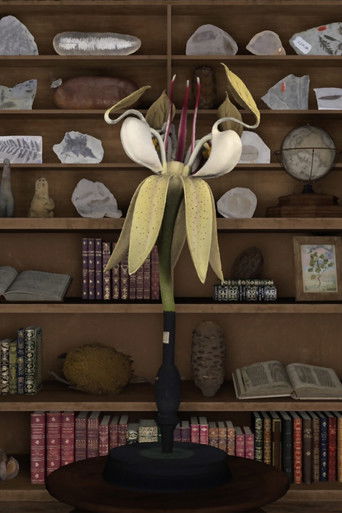
A Dying Leaf Should Be Able to Carry the Weight of the World is a visit to the botanical garden and museum in Cluj-Napoca, a journey through time and space, a discovery of plants with unknown stories, of plants that don’t exist anymore, of plants that can tell us as much about the past as they can about the future. Fossils, herbs and botanical illustrations are witnesses of the past, proof of evolution and change, but also prophets of what is yet to come.
A film-deconstruction of a propaganda cliché and a human experience of "existence through culture" in communism. In the midst of the transition process from the old tsarist structures and the integration of Bessarabia into the national state, Romania was subjected to permanent aggressions by the Soviets. The critical threshold of these Soviet challenges to Romania was reached in September 1924 in Tatarbunar, a small fair in Cetatea Albă county, inhabited by 70% Russians and Ukrainians. Every nation has a Tatarbunar!

A random post on Facebook: "A few rolls of film have been found abandoned for decades somewhere in an old attic!" Digitizing the film brings to light family footage: ordinary home scenes, birthdays, holidays, visits, outings. The search for those who appear in the footage is thrilling, and the result is an immersion in time, with family stories and dramas painted in the visual aesthetic of 8mm film.

Five simple people past their first youth have the band "Dio Family". Two taxi drivers, a painter, a baker and a nurse try to get out of the monotony of everyday life through their passion for music. Lack of money, free time, fatigue, failures are at every step, but nothing stops them, because they feel that if they give up they will lose this last bet to find their happiness.
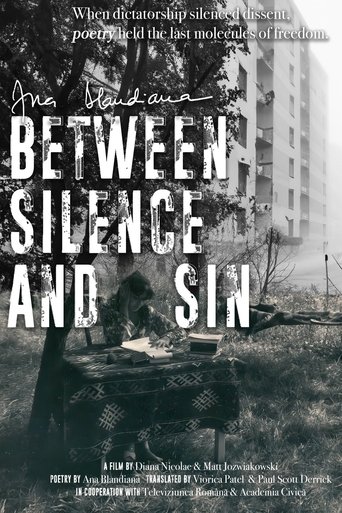
Ana Blandiana, one of Europe’s most important poets, is a symbol in the fight for democracy and freedom of speech, values again under threat. A history refracted through poetry, 'Between Silence and Sin' explores the power of the word as the last bastion of a nation’s collective soul in the face of oppression.
