
Afọ 1952

California Conquest 1952
The period is the 1840s and California is part of Mexico. Many of the citizens wish to become part of the United States. Other countries are also interested and the Russians have established bases in the northern part of the state. To further their hold they have stolen guns and Don Arturo Bordega, a leader of those wanting statehood, is out to recover them.
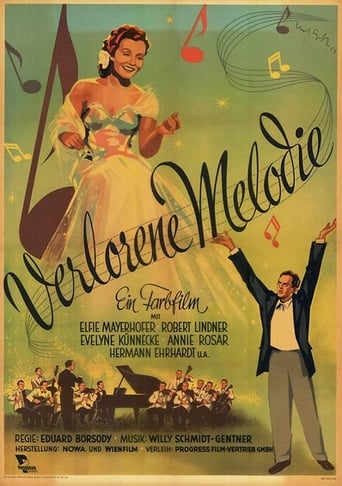
Verlorene Melodie 1952
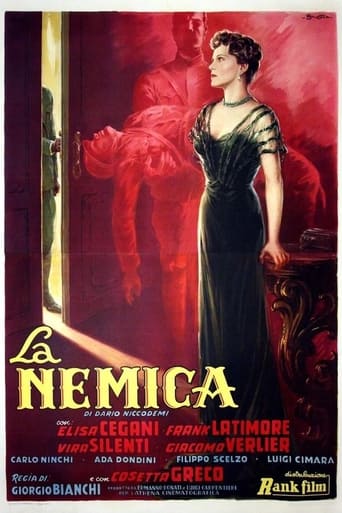
La nemica 1952
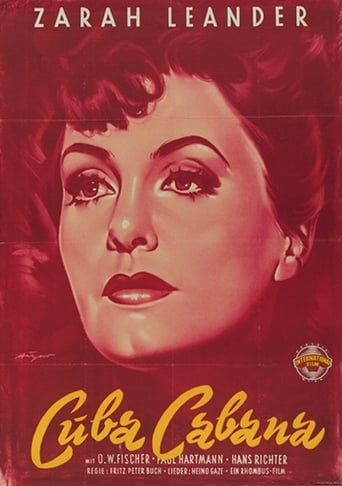
Cuba Cabana 1952
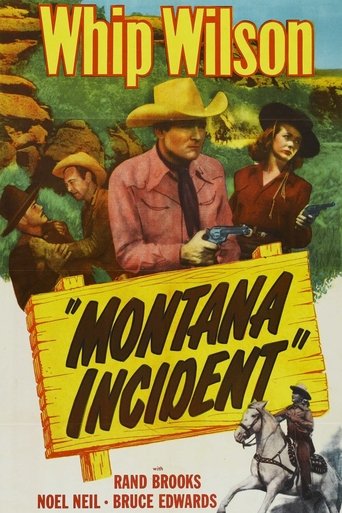
Montana Incident 1952
Whip is surveying land for a railroad but a land baron and one of his daughters stands in the way.
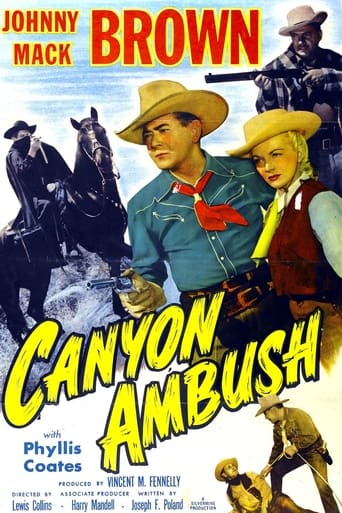
Canyon Ambush 1952
A mysterious masked rider and his gang are murdering ranchers and robbing stages. Government Agent Johnny Mack Brown has been called in to help the Sheriff.
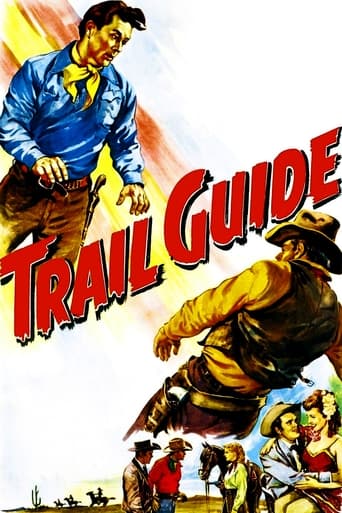
Trail Guide 1952
A cowboy and his Mexican-Irish sidekick lead a wagon train to an unfriendly place.
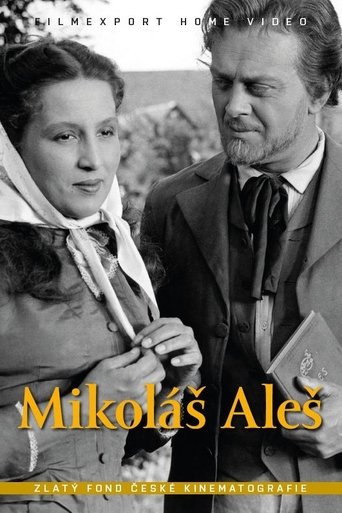
Mikoláš Aleš 1952
A biographical film about the famous Czech painter Mikoláš Aleš, portrayed as part of the vanguard of the working class and a spokesman for the oppressed, who asserts himself despite the opposing bourgeoisie and reactionaries of all kinds. The film focuses on the period when Mikoláš Aleš participated in the competition to decorate the National Theatre.
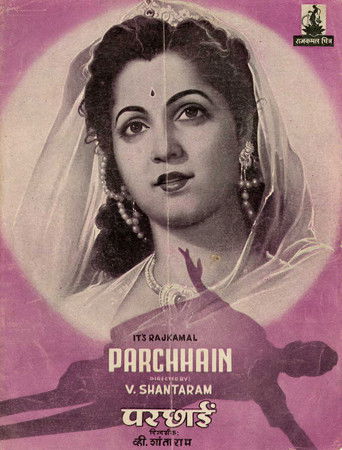
Shadow 1952
Tired of his life, a boat man gets hit in the eye by a bullet, blinding him by a young lady. They soon fall in love each other, but this is not liked by the older lady as she wants young to marry another man.

Dos vidas 1952
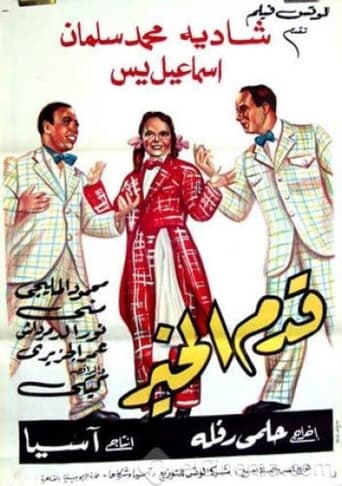
Qadam Al Kheir 1952
Ihsan arrives from Lebanon to Cairo, and works with his friend Marzouk in a nightclub. Massoud Bey asks them to perform at his daughter's birthday party. Then he learns that his brother died and Mabrouka, his niece arrives from the countryside, and he tries to kill her because she's the sole heir to his brother.
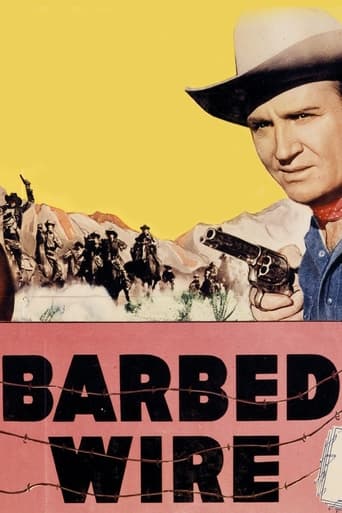
Barbed Wire 1952
A cattle buyer, a federal agent and a newswoman snip a railroad plot.
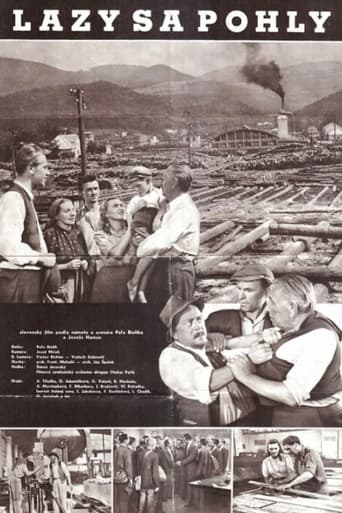
Lazy sa pohly 1952
The life on the poor Slovak hills, the lazy hills, where agriculture is at a primitive stage and where the shelves give a small harvest. Meanwhile, socialist industrialization is reaching an amazing boom in the valleys. Therefore, it is necessary to solve the problem of small farmers on poor farms and the lack of labor in ever-growing industrial enterprises. The film, based on the fate of Matěj Rendek, who returns to Slovakia after 18 years from America, and on the fate of his family, who have toiled for years on poor fields and slaved for a rich farmer, shows how this problem must be solved: an agricultural cooperative is established on the lazy hills, which, with the help of machines, can handle agricultural work better and with a significantly smaller number of laborers, and most of the lazy villagers leave to work at a large sawmill.
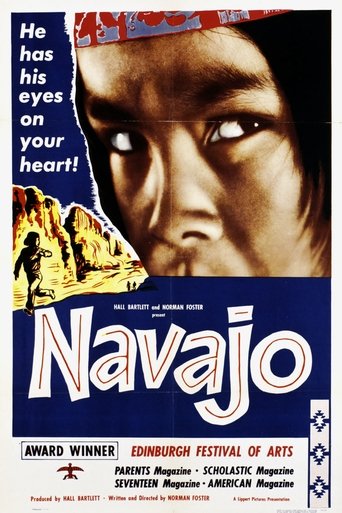
Navajo 1952
A young Navajo Indian boy is caught up in the conflict of cultures when he rejects the white man's school. Told in semi-documentary style. Preserved by the Academy Film Archive in 2012.
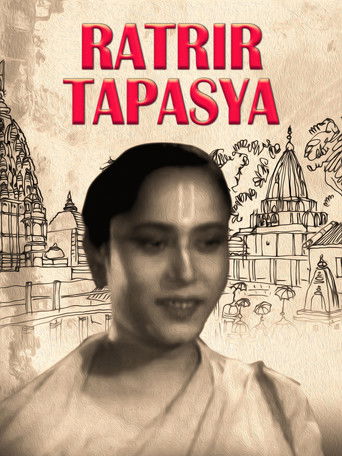
Ratrir Tapasya 1952
Bhupen is an excellent student who works as a private tutor to support his education and family. He begins to teach Sandhya who is a rich man's granddaughter. She ends up falling for him and that ruins his career, even though he did not feel the same for her. He later gets married to Kalyani but he and Sandhya still share a bond for the sake of her property.
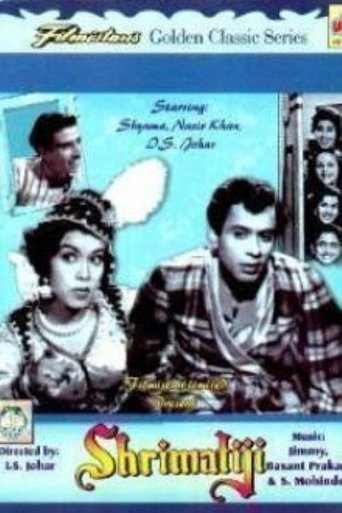
Shrimati Ji 1952
Shrimatiji is a comedic social satire centering around a middle-class housewife—her misadventures, misunderstandings, and life in a household setting. Though many plot details remain elusive, the tone is light, humorous, and situational with elements of mistaken identity and social commentary. One online synopsis hints at romantic entanglements, familial mix-ups, and comedic twists: the heroine finds herself accused unjustly, love sparks, misunderstandings brew, and identity crises ensue—all resolved by the end
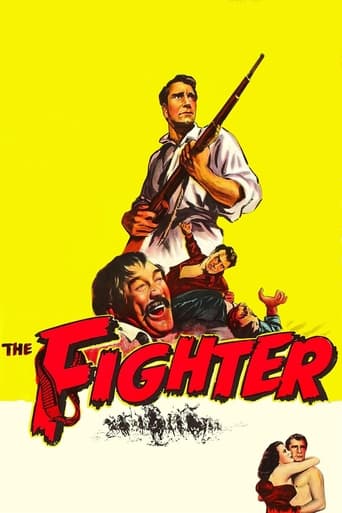
The Fighter 1952
A boxer, in Mexico, sets out to avenge the murder of his family by using the money from his winnings to purchase weapons.
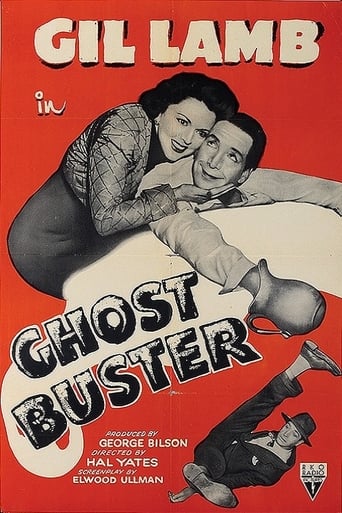
Ghost Buster 1952
Gil Lamb, window washer at the "Daily Record" has aspirations of becoming a reporter and marrying Carol Hughes, the city editor's secretary. When he hears of the disappearance of a town millionaire's nephew, he sets out, disguised as a nurse, for the millionaire's mansion to solve the case
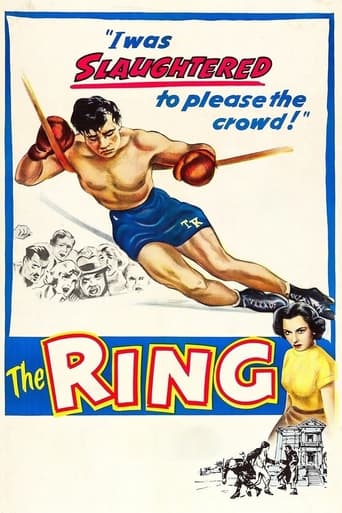
The Ring 1952
A young Mexican/American learns about life both inside and out of the ring when he takes up boxing.

Tagesschau 1952
German daily news program, the oldest still existing program on German television.
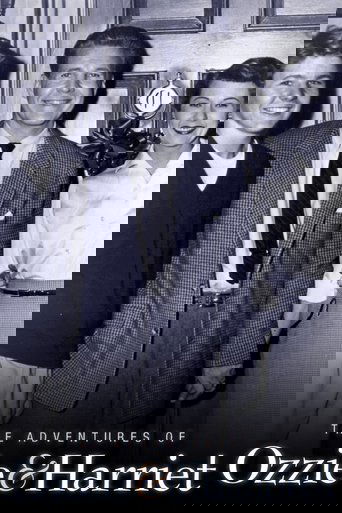
The Adventures of Ozzie and Harriet 1952
The Adventures of Ozzie and Harriet is an American sitcom, airing on ABC from October 3, 1952 through March 26, 1966, starring the real life Nelson family. After a long run on radio, the show was brought to television where it continued its success, running on both radio and television for a few years. The series stars Ozzie Nelson and his wife, singer Harriet Nelson, and their young sons, David and Eric "Ricky" Nelson. Don DeFore had a recurring role as the Nelsons' friendly neighbor "Thorny".

Four Star Playhouse 1952
Four Star Playhouse is an American television anthology series that ran from 1952 to 1956, sponsored in its first bi-weekly season by The Singer Company; Bristol-Myers became an alternate sponsor when it became a weekly series in the fall of 1953. The original premise was that Charles Boyer, Ida Lupino, David Niven, and Dick Powell would take turns starring in episodes. However, several other performers took the lead from time to time, including Ronald Colman and Joan Fontaine. Blake Edwards was among the writers and directors who contributed to the series. Edwards created the recurring character of illegal gambling house operator Willie Dante for Dick Powell to play on this series. The character was later revamped and spun off in his own series starring Howard Duff, then-husband of Lupino. The pilot for Meet McGraw, starring Frank Lovejoy, aired here, as did another episode in which Lovejoy recreated his role of Chicago newspaper reporter Randy Stone, from the radio drama Nightbeat.
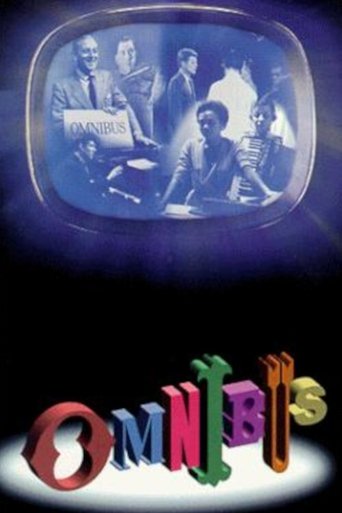
Omnibus 1952
Omnibus is an American, commercially sponsored, educational television series.
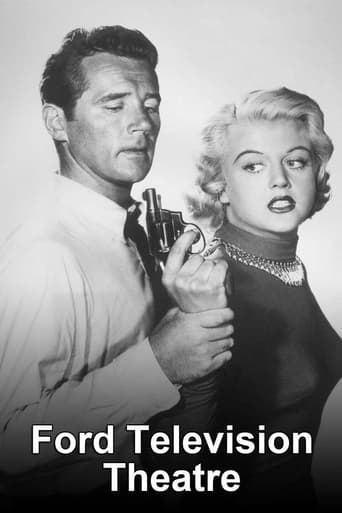
The Ford Television Theatre 1952
This show started in New York City, with Broadway actors and actresses. It then moved to Hollywood, California, where Hollywood actors and actresses headed the cast.
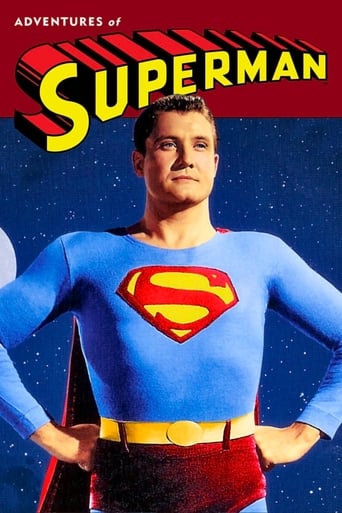
Adventures of Superman 1952
It's a bird! It's a plane! It's a syndicated TV adaptation of the beloved DC Comics superhero! You know the drill: When he isn't fighting for truth, justice and the American way, the man in tights dons a suit and glasses for his secret identity as Daily Planet newspaper reporter Clark Kent, who works alongside friends Lois Lane and Jimmy Olsen for gruff boss Perry White.
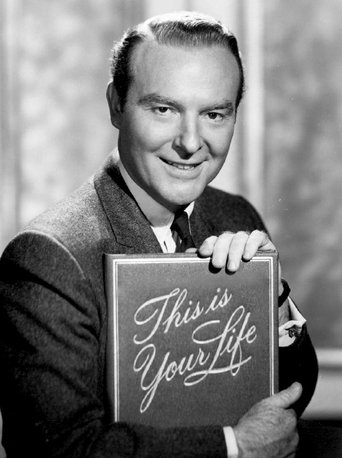
This Is Your Life 1952
This Is Your Life is an American television documentary series broadcast on NBC, originally hosted by its producer, Ralph Edwards from 1952 to 1961. In the show, the host surprises a guest, and proceeds to take them through their life in front of an audience, including special guest appearances by colleagues, friends and family. Edwards revived the show in 1971-72, while Joseph Campanella hosted a version in 1983. Edwards returned for some specials in the late 1980s, before his death in 2005. The show originated as a radio show on NBC Radio airing from 1948 to 1952.

Today 1952
Today is a daily American morning television show that airs on NBC. The program debuted on January 14, 1952. It was the first of its genre on American television and in the world, and is the fifth-longest running American television series. Originally a two-hour program on weekdays, it expanded to Sundays in 1987 and Saturdays in 1992. The weekday broadcast expanded to three hours in 2000, and to four hours in 2007. Today's dominance was virtually unchallenged by the other networks until the late 1980s, when it was overtaken by ABC's Good Morning America. Today retook the Nielsen ratings lead the week of December 11, 1995, and held onto that position for 852 consecutive weeks until the week of April 9, 2012, when it was beaten by Good Morning America yet again. In 2002, Today was ranked #17 on TV Guide's 50 Greatest Television Shows of All Time.
I've Got a Secret 1952
A panel tries to determine a contestant's secret: something that is unusual, amazing, embarrassing, or humorous about that person.
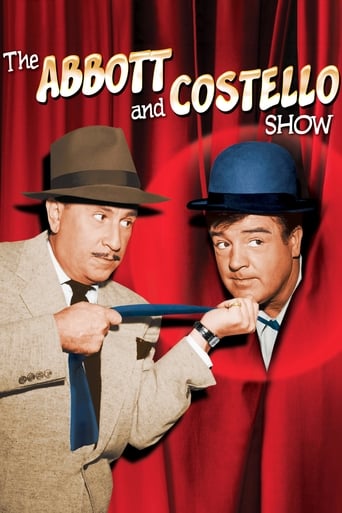
The Abbott and Costello Show 1952
Bud and Lou are unemployed actors living in Mr. Fields’ boarding house. Lou’s girlfriend Hillary lives across the hall. Many situations arise leading to slapstick and puns.
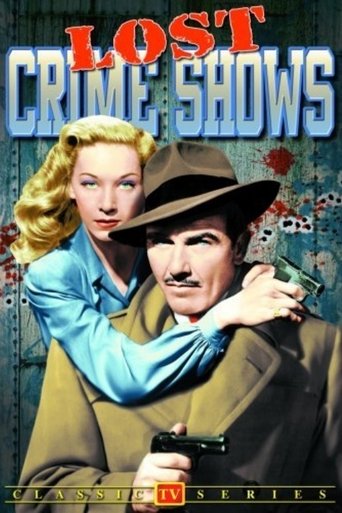
Cavalcade of America 1952
Cavalcade of America is an anthology drama series that was sponsored by the DuPont Company, although it occasionally presented a musical, such as an adaptation of Show Boat, and condensed biographies of popular composers. It was initially broadcast on radio from 1935 to 1953, and later on television from 1952 to 1957. Originally on CBS, the series pioneered the use of anthology drama for company audio advertising. Cavalcade of America documented historical events using stories of individual courage, initiative and achievement, often with feel-good dramatizations of the human spirit's triumph against all odds. This was consistent with DuPont's overall conservative philosophy and legacy as an American company dating back to 1802. The company's motto, "Maker of better things for better living through chemistry," was read at the beginning of each program, and the dramas emphasized humanitarian progress, particularly improvements in the lives of women, often through technological innovation.
Chevron Theatre 1952
Chevron Theatre is a 30-minute American anthology television series that aired from 1952 to 1954, featuring various dramatic stories with different guest stars in each episode. Notable actors included Natalie Wood, Raymond Burr, and Buddy Ebsen.

Guiding Light 1952
Guiding Light is an American television soap opera that is credited by the Guinness Book of World Records as the longest-running television drama in history, broadcast from 1952 until 2009, preceded by a 15-year broadcast on radio. Guiding Light stands as the third longest-running program in all of broadcast history; only the Norwegian children's radio program Lørdagsbarnetimen and the American country music radio program Grand Ole Opry have been on the air longer. On April 1, 2009, it was announced that CBS canceled Guiding Light after a 72-year run due to low ratings. The show taped its final scenes for CBS on August 11, 2009, and its final episode on the network aired on September 18, 2009.
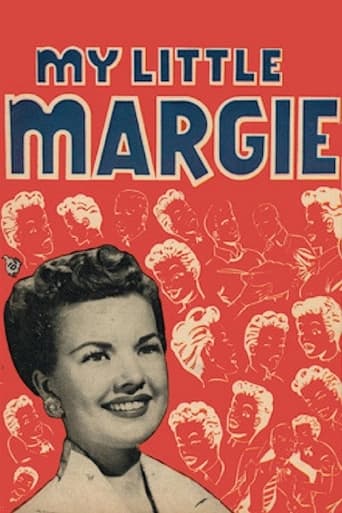
My Little Margie 1952
My Little Margie is an American situation comedy starring Gale Storm and Charles Farrell that alternated between CBS and NBC from 1952 to 1955.
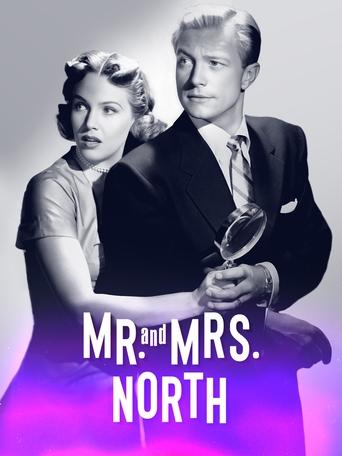
Mr. & Mrs. North 1952
Mr. & Mrs. North is an American comedy/mystery television series that aired on CBS from October 3, 1952 to May 25, 1954. The series centers on Jerry North, a mystery magazine publisher who thinks he is a good amateur detective, and his wife, Pamela, as they solve crimes in New York City.
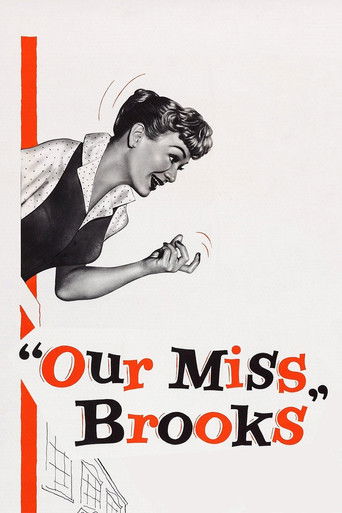
Our Miss Brooks 1952
Our Miss Brooks is an American situation comedy starring Eve Arden as a sardonic high school English teacher. It began as a radio show broadcast on CBS from 1948 to 1957. When the show was adapted to television, it became one of the medium's earliest hits. In 1956, the sitcom was adapted for big screen in the film of the same name.
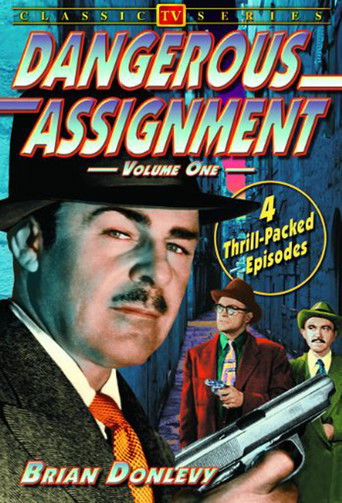
Dangerous Assignment 1952
A U.S. government agent travels the world on undercover missions in this 1950s series. Star Brian Donlevy originated the role on radio in the '40s.
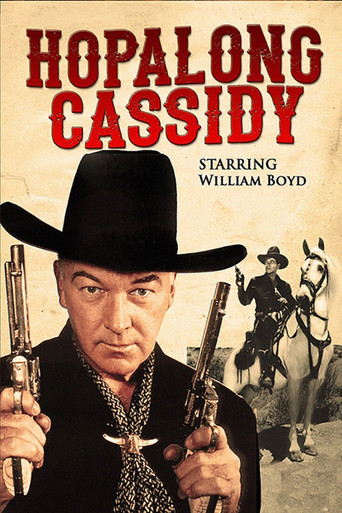
Hopalong Cassidy 1952
Hopalong Cassidy was television's first western program. The series aired on NBC and stared William Boyd as the cowboy Hopalong Cassidy.
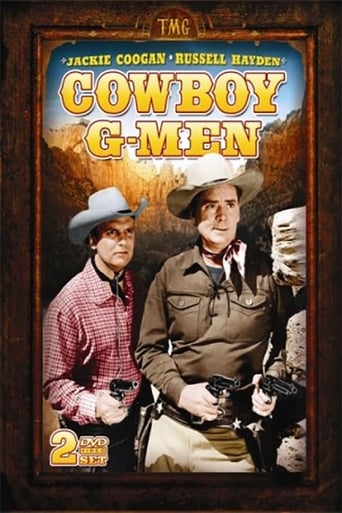
Cowboy G-Men 1952
Cowboy G-Men is an American Western series that aired in syndication from September 1952 to June 1953, for a total of thirty-nine episodes.
Death Valley Days 1952
Death Valley Days is an American radio and television anthology series featuring true stories of the old American West, particularly the Death Valley area. Created in 1930 by Ruth Woodman, the program was broadcast on radio until 1945 and continued from 1952 to 1970 as a syndicated television series, with reruns continuing through August 1, 1975. The series was sponsored by the Pacific Coast Borax Company and hosted by Stanley Andrews, Ronald Reagan, Robert Taylor, and Dale Robertson. With the passing of Dale Robertson in 2013, all the former Death Valley Days hosts are now deceased.
