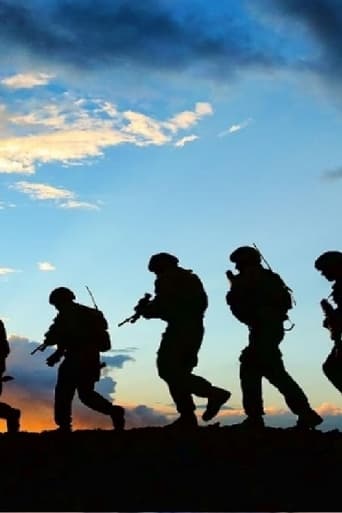
Miracle in Bosnia 1995
A documentary film shot in the occasion of the third anniversary of Bosnian Army.
A documentary film shot in the occasion of the third anniversary of Bosnian Army.
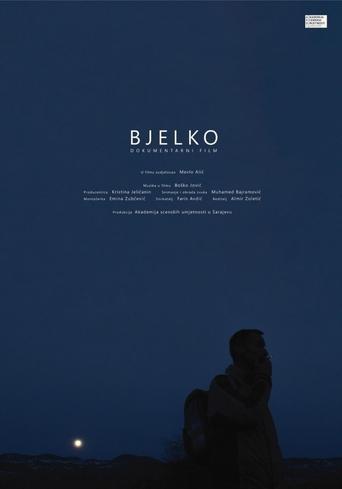
Mevlo Alić is a shepherd from a small village Vozuća in Bosnia and Herzegowina. In order to earn enough money for a diecent living, he breeds and sells his sheep to nearby customers. With time, sheep breeding becomes less of a job and a source of income and becomes more of a family enviroment. Mevlo takes care of his sheep as any parent figure would to their child. Mevlo takes his sheep walking, talks to them, drinks coffee with them enjoying every moment of his simple yet fulfilled life. After a crippled sheep Bjelko is born, Mevlo decides to take intensive care of him knowing Bjelko wouldn't be financially benefitial, fulfilling every human beings need – to feel needed, to have a sense of belonging.
The third part of the “Mujo Is Looking at Pretty Nizama” franchise.

In a public park, plastic bags are rolling in the wind.
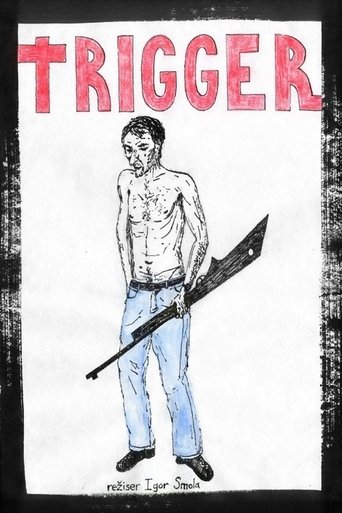
This is a story about the post-traumatic military syndrome development in the former Yugoslavia shown through the prism of irrational experiences of military operations real participants.
When Milan, now a changed man, decides to go back to his hometown one last time, he'll have to meet, "for old time's sake", with Žare, who hasn't moved an inch during the last couple of years. Envy, disappointment, brotherhood and past will all see the light of the smoke-filled bar where old friends used to drink until the wee hours.
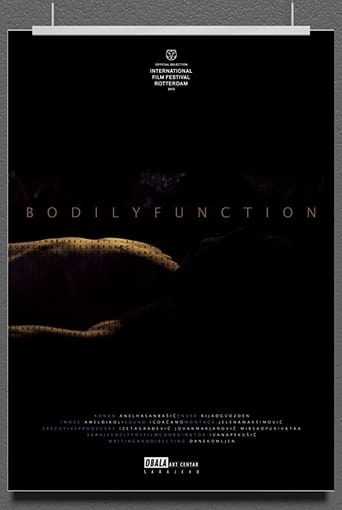
Adnan is driving a grocery van on his way to sell produce at the market. While he is waiting for a friend's phone call, he suspects his loyalty.
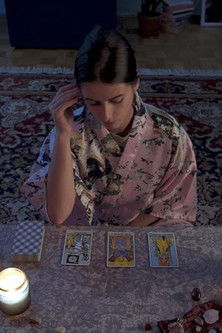
After stealing the beloved cat of the girl he's in love with, Adam presents himself over the phone as a hero who saved the lost pet, but the cat's unwillingness to cooperate could expose Adam's lies.
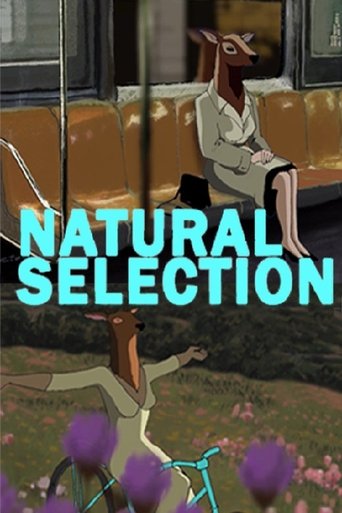
Woman-Doe is a living sculpture trapped in urban spaces of boredom and melancholia, and in the utopian museums where she works. She entertains herself by acting as a human only in poses (cleaning, drinking coffee, smoking, sleeping). Her issues begin when signs of a raging animal begin to appear on her head in the form of two horns.
During the 1990s, an unnamed protagonist lives with his dying mother and elderly father in the Sarajevo neighborhood of Dobrinja. One seemingly ordinary day in 1992, the Serbian siege of the city begins and he ends up being trapped within the confines of the neighborhood of Grbavica, where he hides away from the enemy forces and artillery fire in a small apartment owned by his family. During his stay in Grbavica, he quickly bonds with a young man he calls The Musician and falls in love with a young woman whose forced to prostitute herself in order to be able to provide care for her ailing grandmother.
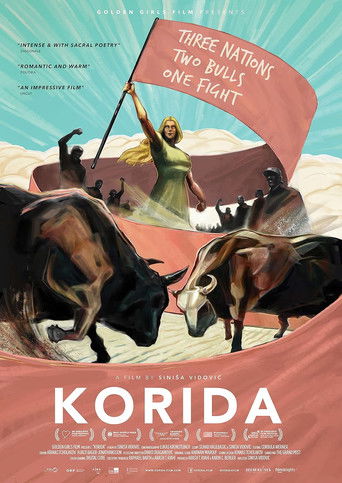
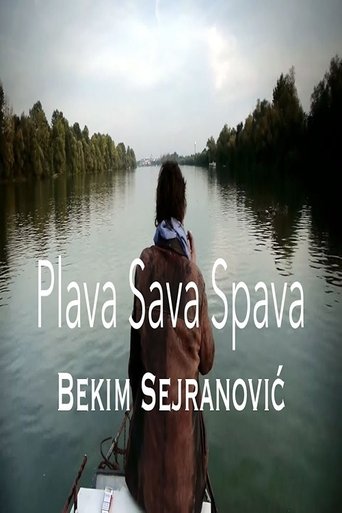
After 7 years since “Tokyo-Morava”, Moku and Bekim were filming at Brčko. Based on “Tvoj sin Huckleberry Finn”.
Selma walks, Selma works, Selma waits, Selma takes care of her father, Selma goes away. By the window, she is watching Sarajevo.
Diary inquiries collected over four years documenting the process a person goes through while exploring and getting familiar with their core existence, resulting in finding inner peace. An auto portrait serving as a mirror for anymore to reflect on it, serving as an endless field for anyone to run in it.
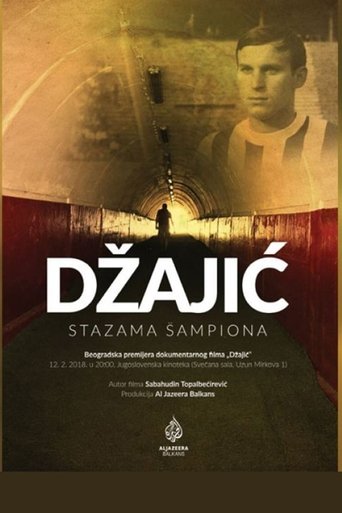
Biography of famous football player Dragan Dzajic.
An artist decides to end his craft.
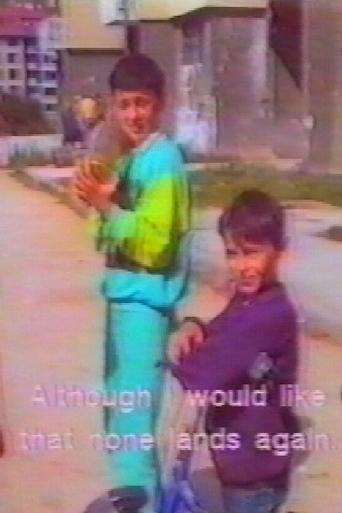
A child in Dobrinja neighborhood of Sarajevo under siege, has a hobby of collecting bomb shells.

Through a photographic narrative, this film presents texts of Bosnian poet Marko Tomaš. Marko and Maja are moving flats in Sarajevo. Maja's depression turns Marko's struggle into poetry, and played on the radio, Marko’s poems become the last bridge of communication between them
Glasgow during lockdown: Empty streets, empty roads, playparks devoid of life with a population hiding indoors. Juxtaposed alongside this footage is an audio voiceover read by a survivor of the 1992 – 1995 Sarajevo siege in Bosnia. They describe their city in lockdown, day to day life, their challenges, thoughts, fears and their hopes. The voiceover could easily be that of a Glaswegian in Spring 2020. There are striking similarities between this wartime siege and the lockdown experienced in Glasgow. Just as in Sarajevo, our freedom of movement was very limited – we couldn't travel, go to pubs and restaurants, children couldn't go to school.
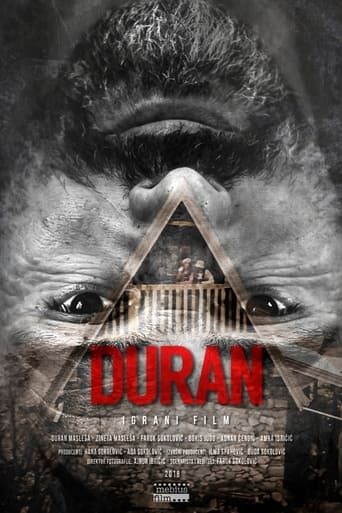
“Duran” is a story about the reality of the Bosnian-Herzegovinian society, about the forgotten workers and the peasants, about abandoned generations who get fired in their 50s, about dreams, love and friendship, crimes and punishment.

