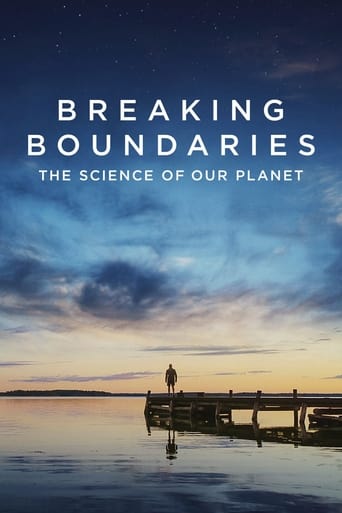
地球の限界: "私たちの地球"の科学 2021
失われゆく地球の生物多様性。それでも危機は回避できる。デヴィッド・アッテンボローと科学者ヨハン・ロックストロームが、未来を救う実現可能な方法を探る。
失われゆく地球の生物多様性。それでも危機は回避できる。デヴィッド・アッテンボローと科学者ヨハン・ロックストロームが、未来を救う実現可能な方法を探る。





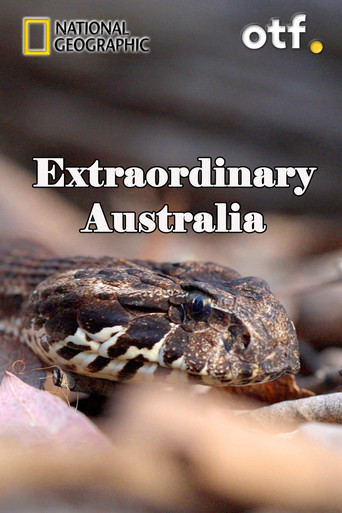
Australia's biodiversity thrives in the diverse terrestrial and marine habitats that span the country. Lush rainforests offer a refuge for countless plants and animals, while the vast dry eucalyptus woodland is home to numerous specially adapted species. Kangaroos, wallabies and platypuses are just a few of the iconic animals that call Australia home, showcasing the country's evolutionary distinctiveness. Meanwhile, the waters surrounding the country support some of the most spectacular marine biodiversity on the planet. Vibrant coral reefs, seagrass meadows and rocky shorelines contribute to the country's rich marine tapestry. This is a unique world filled with stunning natural beauty, inhabited by some of the most extraordinary and deadly animals on the planet.


Isolated since the time of the dinosaurs, New Zealand’s wildlife has been left to its own devices, with surprising consequences. Its ancient forests are still stalked by predators from the Jurassic era. It’s also one of the most geologically active countries on earth. From Kiwis with their giant eggs, to forest-dwelling penguins and helicopter-riding sheep dogs, meet the astonishing creatures and resilient people who must rise to the challenges of their beautiful, dramatic and demanding home.
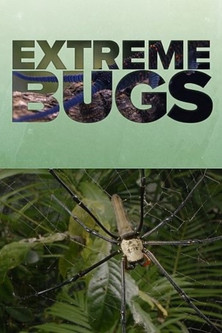
Camouflage, deception and deadly precision: insects arrive with surprising survival strategies and thus take their place in the animal world. From bomb-igniting beetles, web-throwing spiders to tricky antlions – worldwide, the insect world has developed amazing abilities to protect itself from attackers and obtain food.
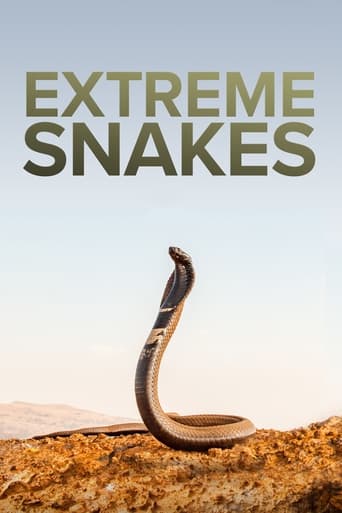
Explore the innovative and highly flexible ways that snakes survive in the extreme environments of Australia and Africa. Examine the longest, strongest, heaviest, deadliest and most venomous snakes, across the two continents that shaped them.
