Eaten Alive! 1980
A woman's search for her missing sister leads her to the jungles of New Guinea, where she and an expatriate guide encounter a cult leader and flesh-hungry natives.
A woman's search for her missing sister leads her to the jungles of New Guinea, where she and an expatriate guide encounter a cult leader and flesh-hungry natives.

A woman and her brother fly to New Guinea to look for a lost expedition, led by her husband, which has vanished in the great jungle.
After squandering his grant money, despondent and recently widowed anthropologist James Krippendorf must produce hard evidence of the existence of a heretofore undiscovered New Guinea tribe. Grass skirts, makeup, and staged rituals transform his three troubled children into the Shelmikedmu, a primitive culture whose habits enthrall scholars. But when a spiteful rival threatens to blow the whistle on Krippendorf's ruse, he gets into the act as well.

Pinky Scariano, Allan Ross, and Frankie Davis all join the Army Air Forces with hopes of becoming pilots. In training, they meet and become pals with Bobby Grills and Irving Miller, and the five struggle through the rigid training and grueling tests involved in becoming pilots. Not all of them succeed, and tragedy awaits for some.
A bitter battle is fought between Australian and Japanese soldiers along the Kokoda trail in New Guinea during World War II.

Japanese soldiers stranded in Manokwari, New Guinea, improvise a theater play to keep their spirits up and endure the extremely difficult conditions.
Conservationists Jim and Jean Thomas braved the steamy jungles of Papua New Guinea to save a tree kangaroo from extinction and ended up providing water and sanitation to ten thousand people in one of the most remote places on earth.
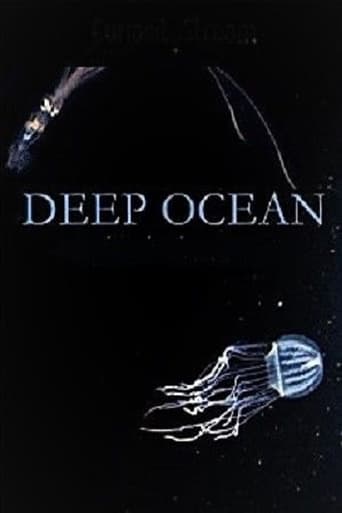
The same submarine which successfully captured the world's first moving images of a giant squid in its natural habitat is used for exploring the deep sea cliffs off the coast of New Guinea. The team encounters true living fossil species one after another. Join this exciting deep sea adventure!
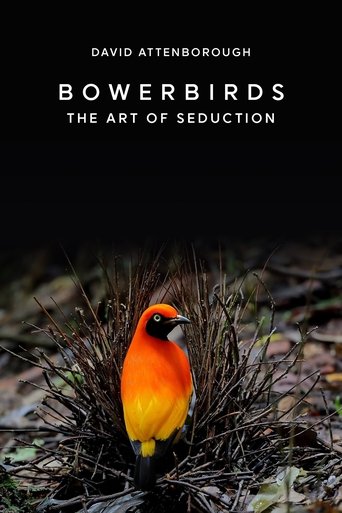
The male bowerbirds of Australia and New Guinea display an incredible artistic talent -- and all in the name of love! Collecting 'jewels' they set them in specially-built showcases and some even paint the walls with mashed berries. If all this isn't enough to woo potential mates, they also perform a most bizarre stiff-winged dance. But displaying darker emotions associated with sex, such as envy and jealousy, males will sometimes destroy a rival's construction and steal his jewels.
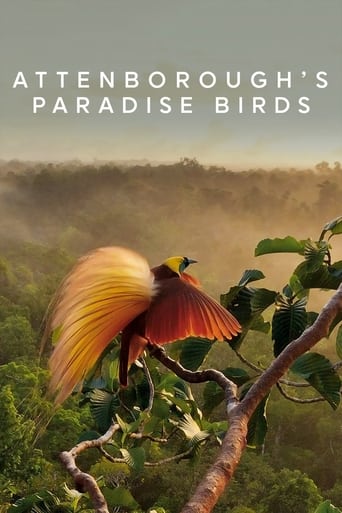
David Attenborough tells the remarkable story of how these " birds of paradise " have captivated explorers , naturalists, artists, filmmakers and even royalty.
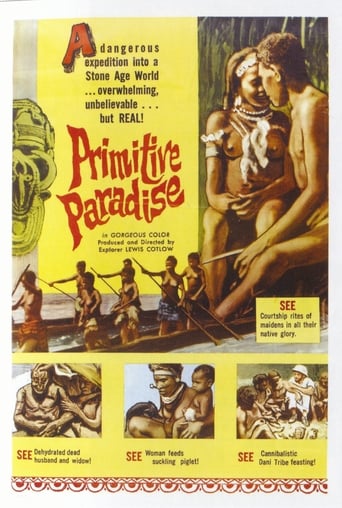
A documentary following famed explorer Lewis Cotlow traveling into the heart of New Guinea in search of unknown tribal cultures.
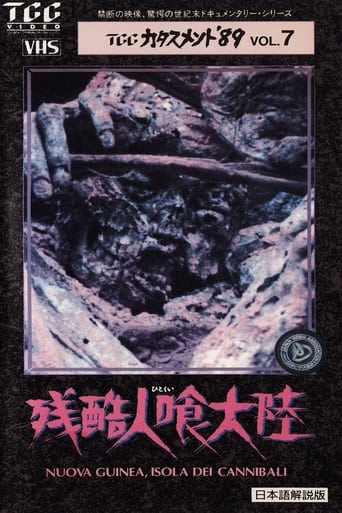
Mondo-style documentary in which a movie crew travels to newly independent Papua New Guinea to capture the customs and culture of the cannibal natives. Prepare yourself for death rituals, war costumery, crude tattoos, animal killings, and cannibalism.
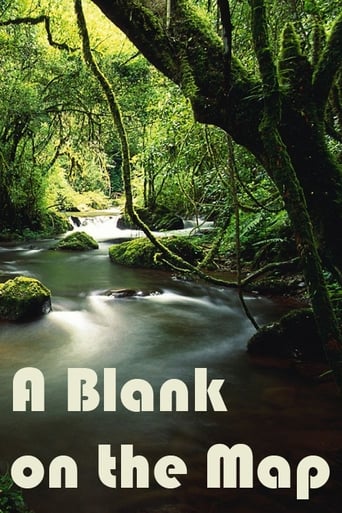
In his now well-known role of narrator of wildlife expeditions, Attenborough accompanies a government-sponsored trek into the central New Guinea highlands to make contact with a group of natives never before seen by Europeans.
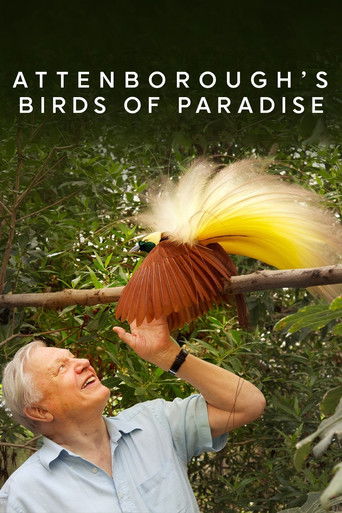
Living in the depths of the New Guinean Rainforest are birds of unimaginable colour and beauty. When Europeans first saw the plumes of these fabulous creatures they believed they must be from heaven and called them Birds of Paradise. David Attenborough introduces a team of New Guinean naturalists as they embark on a gruelling expedition to try and film ten birds of paradise deep in the heart of the rainforest.

Tim Laman a photographer for National Geographic and ornithologist Ed Scholes have been traveling to some of the most remote jungles the world has to offer in search of observing and photographing all 39 species of tropical bird. This particular group of birds are entitled as the “Birds of Paradise” and can be found in some of the last truly wild locations of New Guinea.

After opening scenes showing volcanoes of Java, an underground river, waterfalls, cloud effects, a coral island, the Ghost Rocks of Buru, and a tiger hunt in Siam, documentary footage of the cannibal tribes of New Guinea is framed by a fictional narrative in which the scientific expedition is shipwrecked along the southern New Guinea coast in the land of the Kia Kia headhunters, thus affording the crew the opportunity to film the tribal customs of these cannibals.

Alan Richards is the sole survivor of a pearling lugger which has been shipwrecked on Pakema Reef during a typhoon. He sets out to recover some pearls which went missing in the wreck, crossing through the jungle and fighting headhunters.
In 1967 Dr. Margaret Mead, world famous anthropologist, returns to the village of Peri on Manus Island, New Guinea, which she previously visited in 1928 and 1954. She tells the story of the people's emergence from the stone age existence, on her first trip, into modern ways of living
Lost Land of the Volcano is a three-part nature documentary series produced by the BBC Natural History Unit which follows a scientific expedition to the island of New Guinea. The expedition team, which includes specialist zoologists, explorers and the BBC crew, travels to the extinct volcano of Mount Bosavi in central Papua New Guinea to document the biodiversity of this little-visited area and search for new species. At the time of filming, logging was taking place about 20 miles (32 km) south from the volcano, and one of expedition's aims was to find evidence to support the case to protect the area. Some members of the expedition team travelled to the island of New Britain several hundred kilometres to the east to chart an unexplored cave system and observe an active volcano. The series was broadcast in September 2009 on BBC One in the United Kingdom in a three-part run. In the United States, it was broadcast the same month in seven parts on consecutive nights.
Deep in Papua's tropical forests, the Northern Cassowary (New Guinea's largest native animal) remains an enigma—a creature rarely seen, yet vital to the ecosystem. Often regarded as dangerous, this large, flightless bird is crucial for forest regeneration through seed dispersal. With habitat loss and hunting threatening their survival, efforts to protect cassowaries are more urgent than ever.
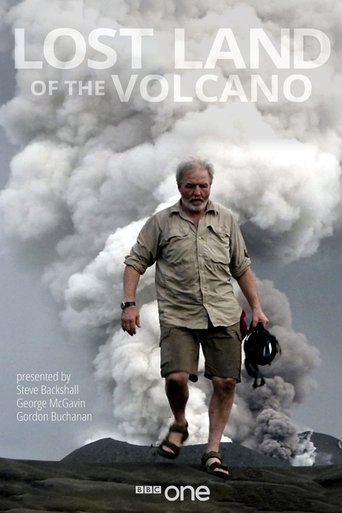
An international team of scientists, cavers and wildlife filmmakers venture deep into the heart of the remote tropical island of New Guinea.
The Ring of Fire: An Indonesian Odyssey is a series of five documentary films following the decade-long Wanderjahr of the filmmaker/sibling partnership Lorne and Lawrence Blair.
