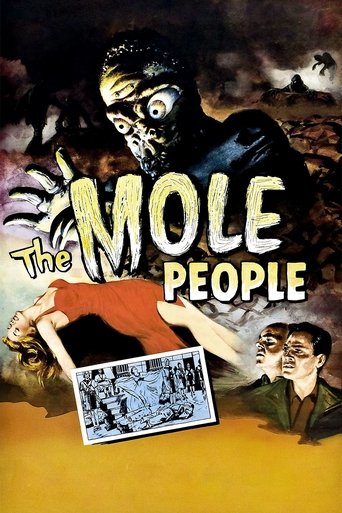
The Mole People 1956
A party of archaeologists discovers the remnants of a five millennia-old mutant Sumerian civilization living beneath a glacier atop a mountain in Mesopatamia.
A party of archaeologists discovers the remnants of a five millennia-old mutant Sumerian civilization living beneath a glacier atop a mountain in Mesopatamia.
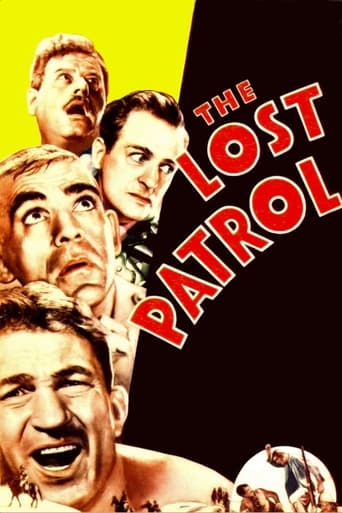
A World War I British Army patrol is crossing the Mesopotamian desert when their commanding officer, the only one who knows their destination, is killed by the bullet of unseen bandits. The patrol's sergeant keeps them heading north on the assumption that they will hit their brigade. They stop for the night at an oasis and awaken the next morning to find their horses stolen, their sentry dead, the oasis surrounded and survival difficult.
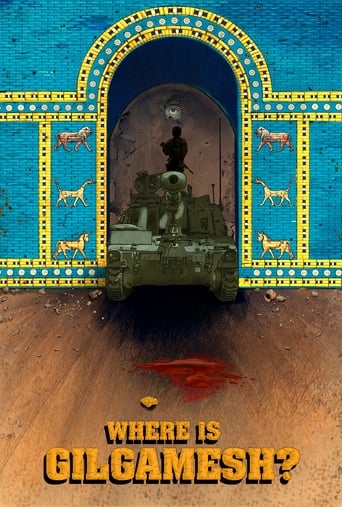
A priceless tablet of Gilgamesh, the oldest and most important work of literature is stolen from a museum. A security guard vows to do whatever it takes to get it back from a group of smugglers. Along the way, he faces his own inner demons.
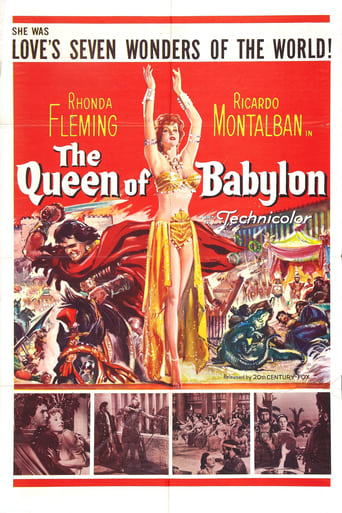
In this Biblical epic, a brave Chaldean rebel takes on his evil nemesis, a cruel Assyrian king. En route to his fateful meeting, the rebel hides in the humble hut of a luscious peasant girl.

Noble, wise King Sardanapolo and his more soft and naive younger brother Prince Sammash get into a bitter feud over the affections of sweet and alluring innocent peasant girl Mirra. Meanwhile, the treacherous and ruthlessly ambitious General Arbace plots against both siblings.

After decades of inaccessibility due to unrest and wars, teams of archaeologists from around the globe return to the greatest sites in Mesopotamia in a bid to save what can still be saved.
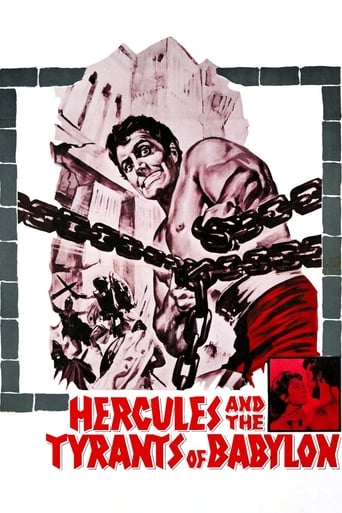
Hercules goes to Babylon to rescue the Queen of the Hellenes and free the people of Babylon from slavery.
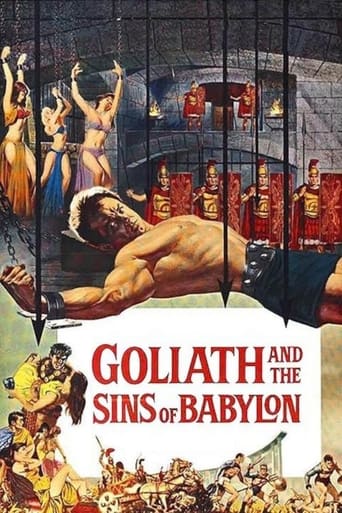
Goliath battles for the freedom of the Babylonian people.
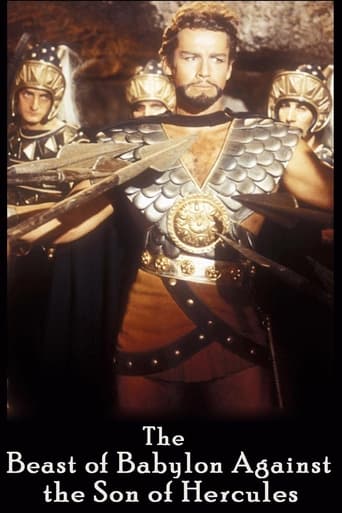
The rightful heir to the throne of Babylon leads a slave revolt against an evil ruler.

Mesopotamia was the site of the Sumerian civilisation, which flourished at the confluence of the rivers Tigris and Euphrates. From 5000 to 2000 BC, the Sumerians flourished in a hostile environment by developing agriculture and irrigation and they opened up the trade routes of the ancient world. It was the Sumerians who invented writing and the wheel, and they first divided time into minutes and seconds. In the end however the Babylonian civilisation took the place of the Sumerians. However their heritage and myths live on in the Mediterranean and Western worlds to this day.
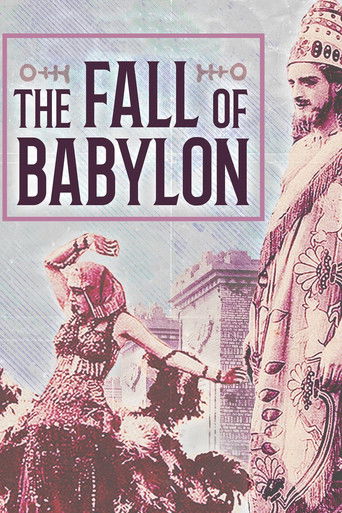
After the relatively low box office takings of 'Intolerance', D. W. Griffith would revisit his epic film three years later by releasing two of the film's interlocking stories as standalone features, with some new additional footage. The first of the two was 'The Fall of Babylon', which depicts the conflict between Prince Belshazzar of Babylon and Cyrus the Great of Persia.
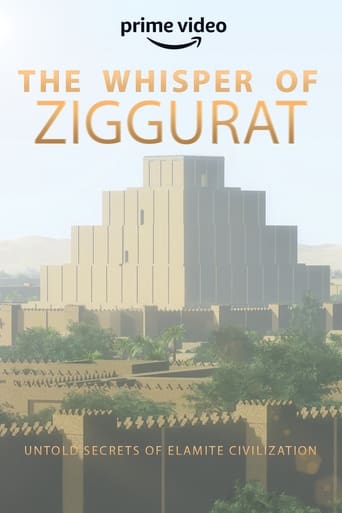
5000 years ago the ancient Elamites established a glorious civilization that lasted about three millennia. They created marvelous works in architecture and craftsmanship. These works of art depict the lifestyle, thoughts, and beliefs of the Elamites.

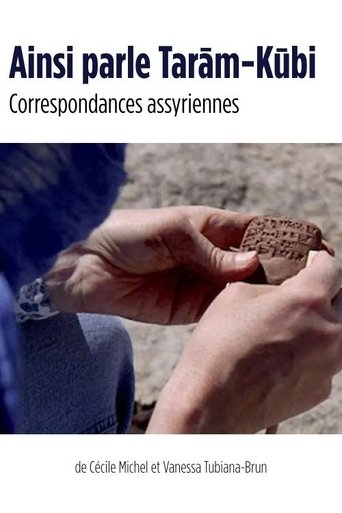
About 4 000 years ago, Assyrian merchants established a commercial settlement in the ancient city of Kaneš, within Central Anatolia. They came from Aššur, north of Mesopotamia. We have come to understand their history through their writings on clay tablets that have stood the test of time: more than 22 500 cuneiform tablets have been unearthed from the archaeological site of Kültepe. How did these Mesopotamian clay tablets arrived in Anatolia and what do they tell us? The voice of Tarām-Kūbi, an Assyrian woman who corresponded with her brother and her husband in Kaneš, takes us back in time.
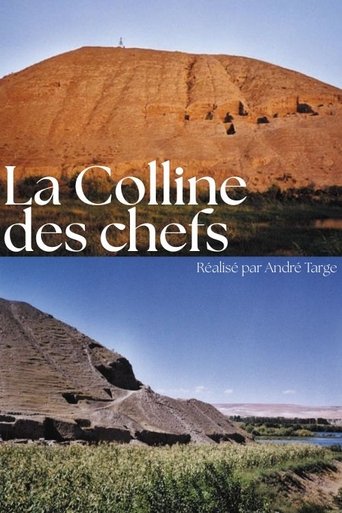
Luc Bachelot, a researcher with the CNRS, has been directing since 1994 the French archeological mission at Tell Shioukh Faouqâni in Syria and coordinates the excavations that are carried out there.
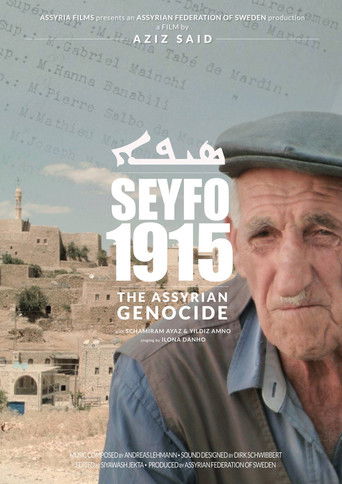
In the shadow of the First World War, the genocide of the Christian Assyrians took place almost unnoticed by the world public. This first systematic genocide of the 20th century was committed by the Young Turks (Ottoman Empire) and would not have been possible without the support of some Kurdish local rulers and their family clans. The Assyrians are the indigenous people of Mesopotamia and have lived in Mesopotamia for thousands of years. The film includes testimony from several European, Turkish and Assyrian historians, as well as genocide researchers, including Professor Taner Akcam, Dr. Gabriele Yonan and Professor David Gaunt. The film includes testimony from survivors of the genocide. Various journalists and publicists also have their say with well-researched information in this documentary. The Assyrians refer to the Genocide as "Seyfo" (ܣܝܦܐ), which translates as "sword".
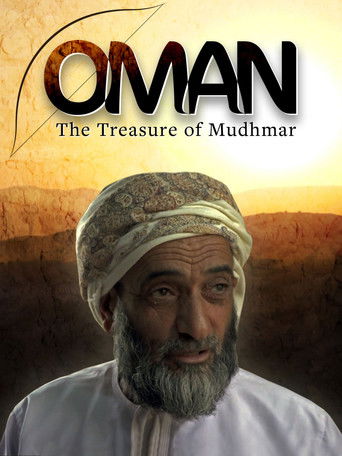
To the east of the Arabian desert, an ancient culture developed; and it attainted the sophistication of its civilized neighbours in Mesopotamia & Iran. The extreme aridity of the spot, combined with the strictness of religious prohibitions, discouraged archaeologists for a long period of time. Only recently, a group of French scientists initiated a large-span excavation. Their aim is to comprehend how this society succeeded to prosper, despite a natural environment so hostile to any conditions of life. The answer seems to be the refinement of a revolutionary, water management technique. Yet beyond such technical prowess, this documentary provides a unique look to discover a unique way of life; but also the pre-Islamic religious beliefs of this milieu.

Depicts the cultural legacy of the Sumerians, Semites, Babylonians, and Assyrians of the ancient Middle East using authentic locales including Babylon, Ur, and Nineveh.

In Iraqi Kurdistan, a region that has not yet been explored, a formidable archaeological adventure is taking place where scientific knowledge is the answer to oblivion.
Archaeologist and historian Richard Miles traces the development of Western civilization, from the first cities in Mesopotamia to the fall of the Roman Empire. In this six-part series, Miles travels through the Middle East, Egypt, Pakistan and the Mediterranean to discover how the challenges of society -- religion and politics, art and culture, war and diplomacy, technology and trade -- were dealt with and fought over in order to maintain a functioning civilization. Stories are told of disappeared, ruined and modern cities, from ancient Iraq to modern Damascus, to reveal how successes and failures of the ancients shaped the world today.