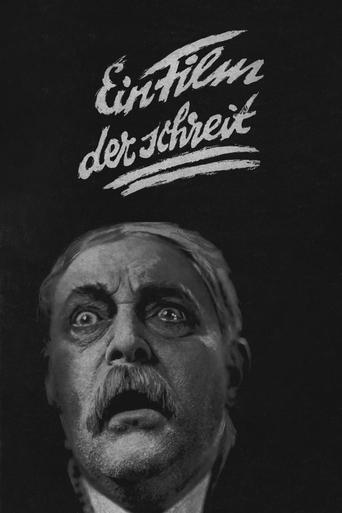
Bookkeeper Kremke

Bookkeeper Kremke 1930

7.00

In this realistic, unsentimental portrait of Germany’s dire economic situation, a middle-aged payroll clerk loses his job due to technological advances and, unable to find another, descends into despair. The film’s director, Marie Harder, was one of only a few women directors of the time and was also the head of the German Social Democratic Film Office. She made only two known films before her accidental death in exile in Mexico in 1936.
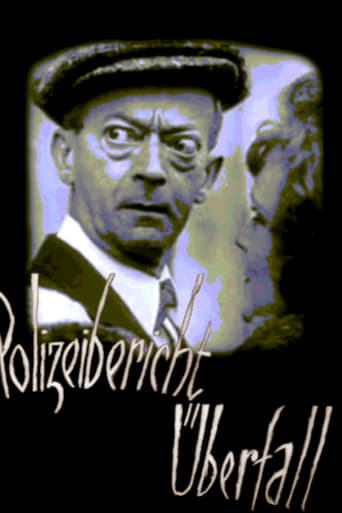

1930

Accident

Accident 1928

6.42

A tense vignette about the fate of an unlucky man in poverty-stricken Weimar-era Germany.

1928

Pandora's Box

Pandora's Box 1929

7.50

The rise and inevitable fall of an amoral but naive young woman whose insouciant eroticism inspires lust and violence in those around her.

1929

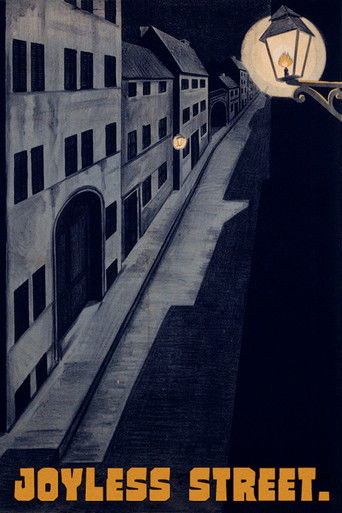
Joyless Street

Joyless Street 1925

6.72

In 1921, we follow two women - Marie and Grete - from the same poor Viennese neighborhood, as they try to better the lives of themselves and their families during the period of Austrian postwar hyperinflation.

1925

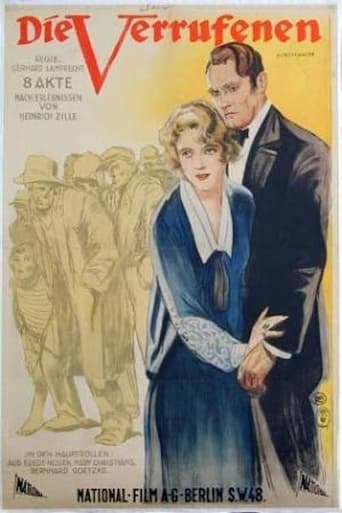
In the Slums of Berlin

In the Slums of Berlin 1925

4.43

It was not just the children who were treated badly by the wealthy Weimar republic. Robert Kramer is released from prison but struggles to adjust to civilian life. His father disowns him, his wife has left him for another man. There is no work. He eventually arrives in a shelter for the homeless, and seeks salvation through Emma, a prostitute.

1925

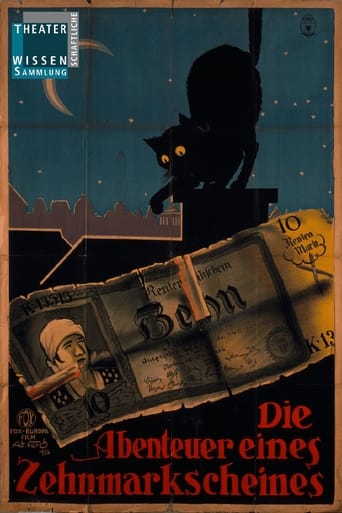
Adventures of a Ten Mark Note

Adventures of a Ten Mark Note 1926

5.00

Anna receives her first weekly wage: a ten-mark note with the no. K 13513. She gives it to her mother, who hides it in her Bible. Anna's brother Robert steals the note and uses it to buy a knife with which he becomes a murderer.

1926