Uluru & the Magician

Uluru & the Magician 2021

1

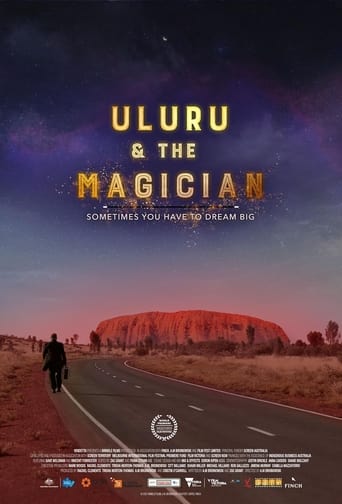
Follows the incredible journey of Dave Welsman, a Sydney kids' magician determined to reboot his life with a grand illusion to make Uluru disappear. As Dave works alongside the Rock’s traditional owners and Indigenous Custodians to pull off this spectacular stunt, he discovers the profound cultural and spiritual significance of Uluru, and his own illusions about fame and success begin to disappear.
2021

Ayers Rock

Ayers Rock 1981

1

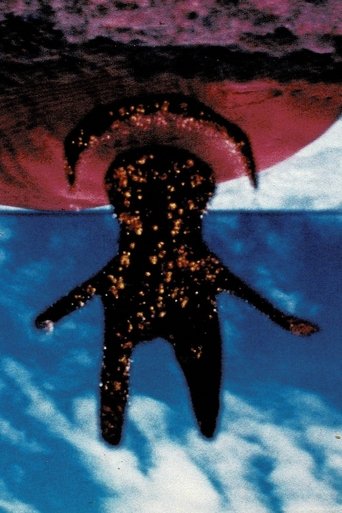
“For many years I had wanted to visit the Rock, but I had never really had the means. A little funding from Germany finally got me there. I had read a lot about the history and mythology of the Rock and of the Aboriginal people, but I was only too aware that I, as a European, could never hope to get into or feel that mythology. So I decided to make a film about it from my perspective. I cut out all these mythological figures…lizards, emus, wallabies…some of them from drawings in caves on the Rock, and carefully employed them as mattes for footage I shot in real time. In those days hotels were very close to Ayers Rock [now known as Uluru], so I never had to go very far with my camera. I used filters and telephoto lenses to suggest a kind of unknowable aura…to show that there was truly something out there on that flat plain.” (Paul Winkler)

1981

At Uluru

At Uluru 1977

1

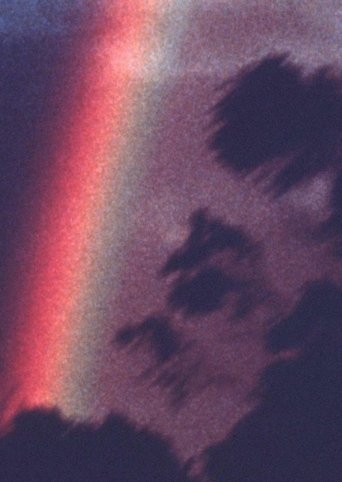
Ayers Rock is examined in the light of its ancient human and animal associations. It is seen under various light effects which create different colour and texture impressions. The timelessness of the monolith is suggested by negative colour, the result of using fine-grain Eastmancolour print stock in the camera, a slow speed material which required the intense Central Australian light for adequate exposure. A half-speed recording of the local bird call and insects contributes to the sense of cross eras. Human perception of time, colour and sound is questioned. As Einstein said: 'The distinction between past, present and future is only an illusion, even if a stubborn one.'

1977

The Second Journey (To Uluru)

The Second Journey (To Uluru) 1981

7.50

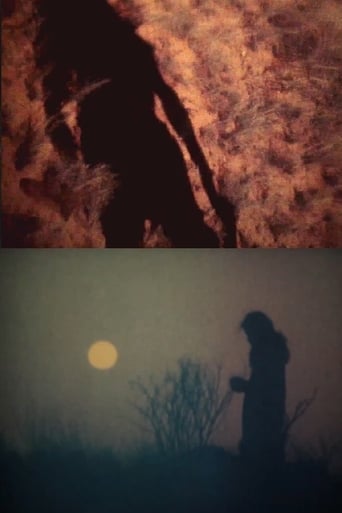
As the camera moves gently from afar into the very heart of the monolith, the magic of the holiest site of the Aborigines unfolds in shimmering nuances of light. Shot at different times of day, the close-up and panorama shots of this more than 500-million-year-old stone formation combine silence and acoustically altered birdsong to convey a feeling of timelessness into which a sense of loss is also inscribed. The somnambulistic moonrise in the great sky seems almost like an abstract painting and yet it is real. The areas of discolouration in the film material caused by problems in the developing process were deliberately left in the film as a metaphor for the looming threat to this natural environment through bushfires and tourism.

1981

Rock Heart Fire

Rock Heart Fire 1985

1

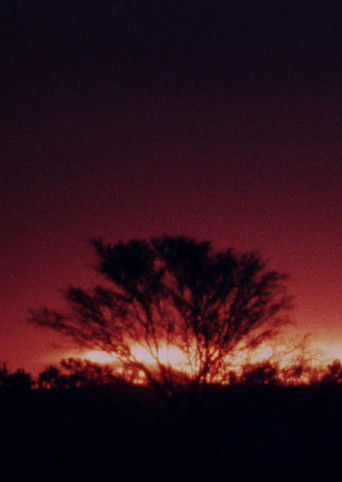
Shot mostly at Uluru, the rock in the heart of Australia. The extreme heat damaged the emulsion of the film which is subsequently incised by the filmmaker. A ceremonial death and rebirth. The soundtrack was made by the Orchestra of Skin and Bone comprising of Ollie Olsen and John Murphy. The aborigines were from Narwietooma Station. 16mm.

1985

Trial In The Outback: The Lindy Chamberlain Story

Trial In The Outback: The Lindy Chamberlain Story 2021

5.00

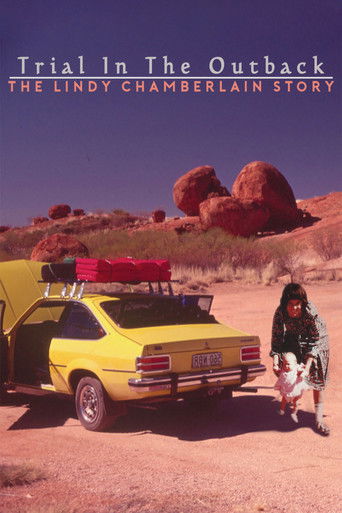
Trial in the Outback: The Lindy Chamberlain Story explores the case that has figured in Australia's collective consciousness since 1980 when a dingo took Chamberlain's defenseless baby in a random horrific attack. But it quickly turned into more than that, resulting in the trial of the century and Australia's most notorious miscarriage of justice. Through interviews with Chamberlain, her children, and eyewitnesses today, archival footage and broadcasts, and – for the first time – access to Chamberlain's personal archive of family stills, movies, audio recordings, and letters, the series is a compelling universal story that still resonates today.

2021