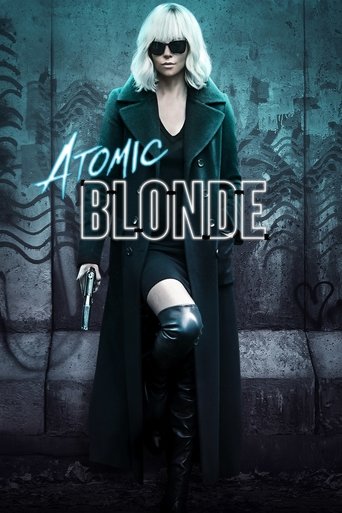
Atomic Blonde 2017
An undercover MI6 agent is sent to Berlin during the Cold War to investigate the murder of a fellow agent and recover a missing list of double agents.
An undercover MI6 agent is sent to Berlin during the Cold War to investigate the murder of a fellow agent and recover a missing list of double agents.
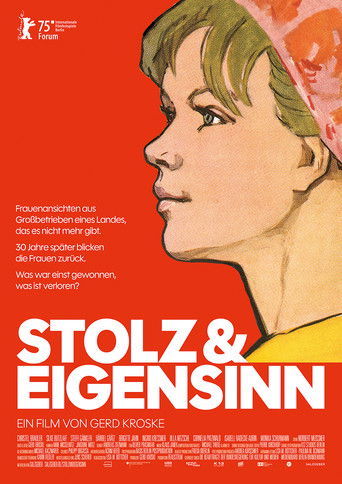
The viewpoints of women from a country that no longer exists preserved on low-band U-matic tape. GDR-FRG. Courageous, self-confident and emancipated: female industry workers talk about gaining autonomy.

Documents the remodeling of the Ostbahnhof in Berlin Friedrichshain into the central station of the GDR.

East Berlin, early 1980s: Ludger is hired by the Stasi to spy on the oppositional arts scene in Prenzlauer Berg. But when he falls in love with the mysterious Nathalie, he has to choose between a life as a celebrated underground poet and his career as a Stasi agent. A choice that will turn back on him 30 years later.
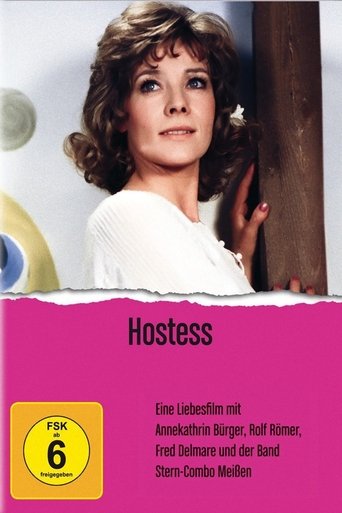
Jette and Johannes have been living together for two years when Johannes suggests that they "legalize" their relationship. Jette loves him, but the proposal of marriage terrifies her.
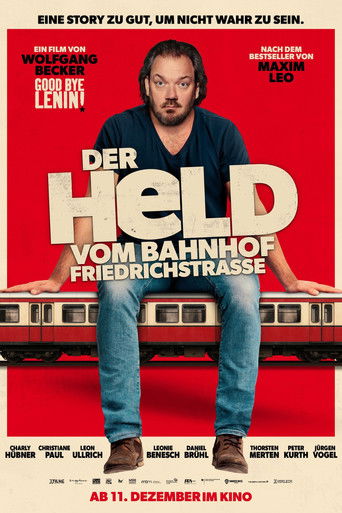
All his life, Michael Hartung, owner of a hopelessly debt-ridden video store, has bet on the wrong horse. When an ambitious journalist confronts him with the results of his research, everything changes for the charmingly melancholy Micha. Many years ago, as an employee of the Reichsbahn, he is said to have organized the largest mass escape in the GDR. Stasi files prove the case. He was apparently even imprisoned and then deported to an open-cast lignite mine. Seduced by a lavish salary, Micha confirms the story, although only fragments of it are true.

August 13, 1961: The passengers on the interzonal train from Munich to East Berlin learn 3½ hours before crossing the border that the Wall is being built in Berlin. They have 3½ hours to make a life-changing decision: to get off the train or keep going.
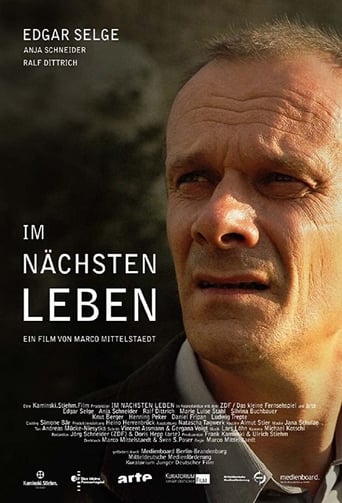
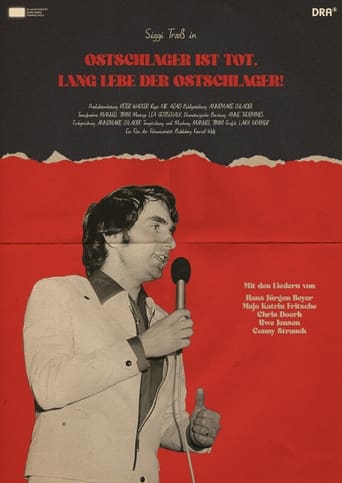
Siegfried "Siggi" Trzoß, a radio moderator from East Berlin, is working tirelessly leading up to his anniversary and 900th show. The music his heart burns for is East German Schlager, a genre politically ignored at first and widely forgotten now. But Siggi keeps the dream alive to this day, making the hearts of seniors jump higher in nostalgia all over east Germany.
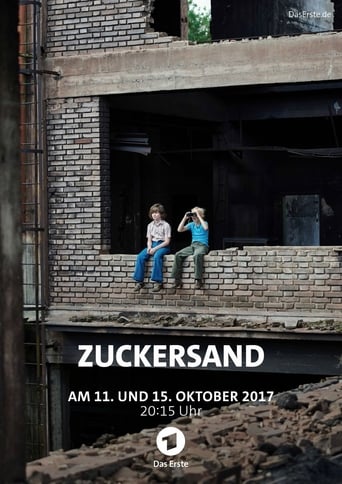
End of the 1970s in East Germany: Fred and Jonas are close friends. The 10-year-olds live near at the German-German frontier. After the mother from Jonas has made an exit application, the boys have to recognize that they are soon separated from each other. But they want to dig a tunnel to Australia to meet there themselves again. When Jonas should leave the country with his mother this night changes everything.
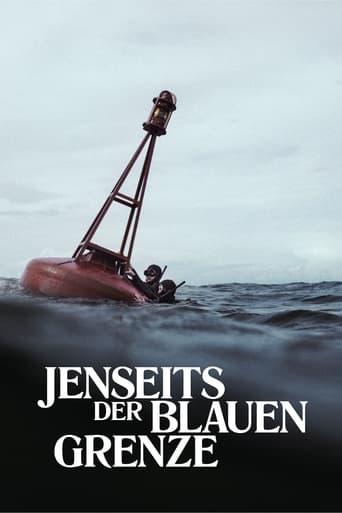
GDR, August 1989: Hanna and Andreas became a target of the secret police and had to give up their plans for their future studies and desired professions. Instead, they face arbitrariness, mistrust and reprisals. Their only chance for a self-determined life lies in fleeing across the Baltic Sea. Fifty kilometres of water separate them from freedom - and only a thin connecting rope around their wrists saves them from absolute loneliness.

A film on the surveillance and the control in East Germany also speaks about it - representing extreme and almost unbelievable image of a society which has acquired one super-narrative and developed a system which makes it impossible to even speak about the possibility of anything outside it.
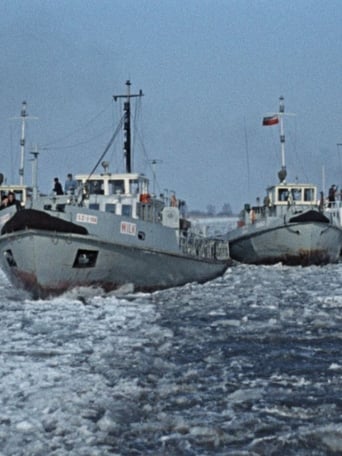
Documentary reports on the annual icing of the Oder in the 160-kilometer border area between the GDR and the People's Republic of Poland. Icebreakers from both countries with experienced skippers join forces to make the international waterway between Frankfurt and Szczecin navigable again. Everyone works hard as a team and even a broken-down ship cannot stop them from achieving their goal. A look back at the winter of 1947 with its flooding shows what the freezing of the river and the subsequent thaw can do if the ice floes are not drained into the Baltic Sea via Lake Dammsch in good time. The skippers from both countries have known each other for years and trust each other; the camaraderie that has developed on the Oder unites the people, they control the river in winter for the common benefit of all.
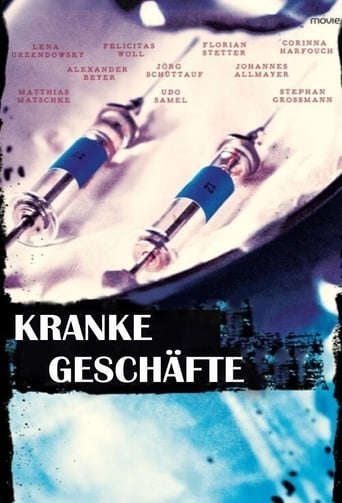
Armin Glaser, a lieutenant in the Stasi, lives with his wife Marie and daughter Kati in Karl-Marx-Stadt. They put their sick daughter in the care of Dr. Sigurd. But Armin becomes suspicious during the treatments. He uses his rank in the Stasi to obtain information. But the closer he gets to the truth, the more skeptical he becomes. He suspects that the GDR is allowing West German pharmaceutical companies to test drugs on East German clinic patients.
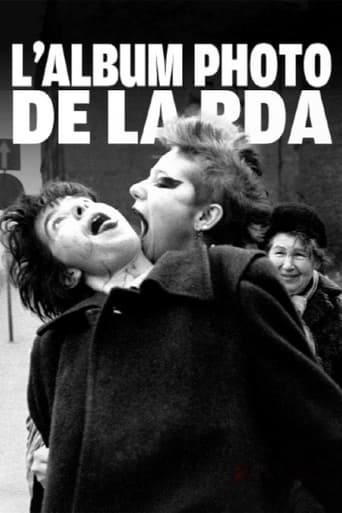
Life in the GDR was not only documented on behalf of the state, but also by photographic artists and journalists. The documentary goes on a journey through time with some of them and shows little-known aspects of the GDR from its foundation to the fall of the Wall. Photographers in the GDR had a surprising amount of freedom; there was no explicit censorship of images. This allowed them to make visible what the state wanted to hide. This documentary presents two photographers who observed life in the GDR and whose work has been rediscovered in recent years.
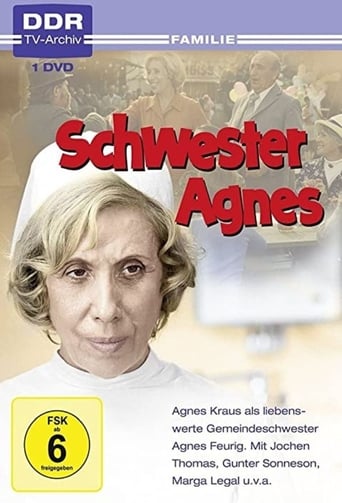
Sister Agnes helps in all situations and does not only make friends. She has just fallen out with the new mayor. The consequences leave an entire community upside down.
Short film about astronauts in the GDR
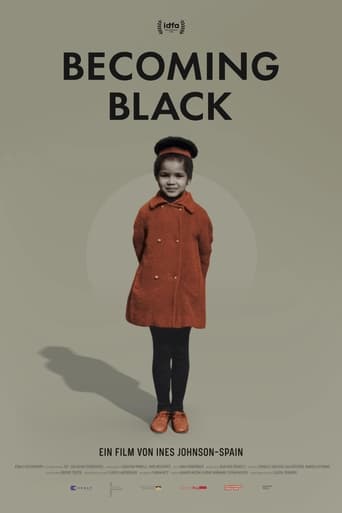
In the 1960s, a white couple living in East Germany tells their dark-skinned child that her skin color is merely a coincidence. As a teenager, she accidentally discovers the truth. Years before, a group of African men came to study in a village nearby. Sigrid, an East German woman, fell in love with Lucien from Togo and became pregnant. But she was already married to Armin. The child is Togolese-East German filmmaker Ines Johnson-Spain. In interviews with Armin and others from her childhood years, she tracks the astonishing strategies of denial her parents, striving for normality, developed following her birth. What sounds like fieldwork about social dislocation becomes an autobiographical essay film and a reflection on themes such as identity, social norms and family ties, viewed from a very personal perspective.
