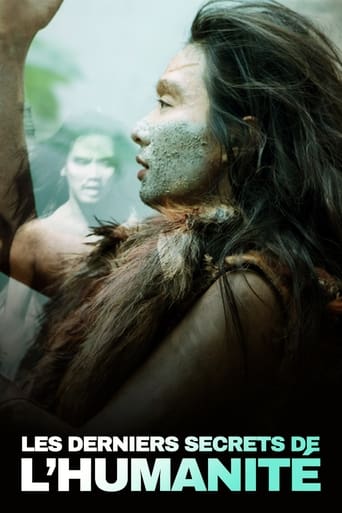
Les Derniers Secrets de l'humanité 2023
This series incorporates the latest animated 3D films to explore recent discoveries about human history, especially in Asia.
This series incorporates the latest animated 3D films to explore recent discoveries about human history, especially in Asia.
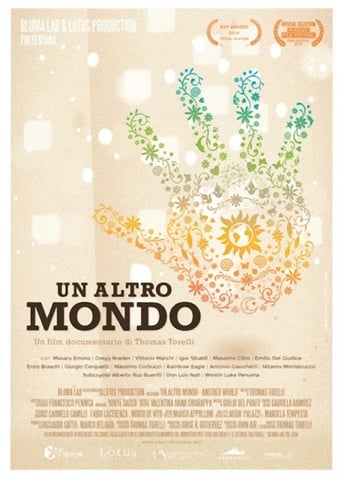
A feature documentary about the journey of mankind to discover our true force and who we truly are. It is a quest through science and consciousness, individual and planetary, exploring our relationships with ourselves, the world around us and the universe as a whole.
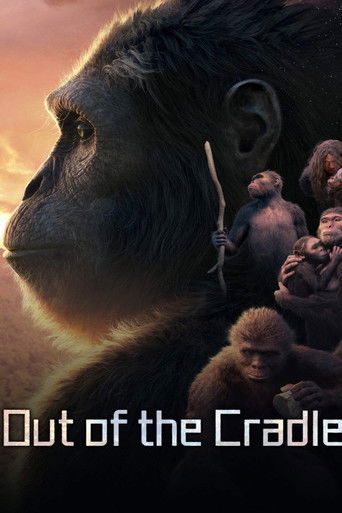
How did humanity's earliest ancestors evolve into one of the most successful species on Earth? An extraordinary journey tracing the footsteps of early hominids. Using the latest paleoanthropological findings mixed with the latest CGI from Square Enix, this story is finally told.

Host Neil deGrasse Tyson tackles one of science's major challenges in each segment of Where Did We Come From? He will guide us as he explores dramatic discoveries and the frontiers of research that connect each central, provocative mystery. Program includes: Revealing the Origins of Life; Origins of the Solar System; Lice and Human Evolution; and Profile: Andre Fenton
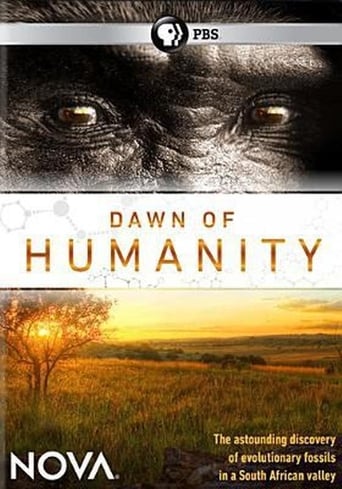
Nova and National Geographic present exclusive access to an astounding discovery of ancient fossil human ancestors.
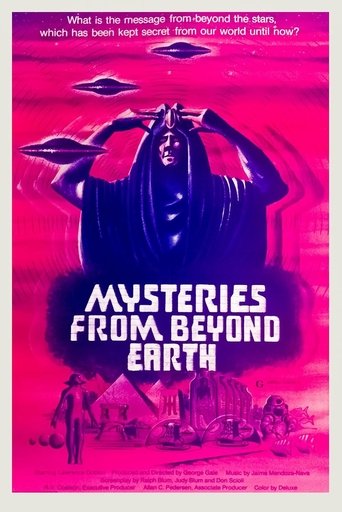
Narrator Lawrence Dobkin examines unusual paranormal activities and conspiracy theories in several eerie segments. Subjects include flying saucers and alien encounters, the disappearance of Atlantis, the Bermuda Triangle and the origins of Bigfoot, telekinesis, witchcraft, and the unusual notion that human evolution and technology might have been moved forward with assistance from intelligent extraterrestrial beings.

A grim world is blessed by pre-modern man's wrath and it's beautiful light succumbs to the dark abyss of the neolithic reign of mother natures new conquerors, the Homo-Sapiens and their predecessors. Detailed thematic depictions of man's effects on earth and their ascent to dominance presented in short stop-motion animated segments fantasizing about the human race's beginnings and eventual domination of our world.

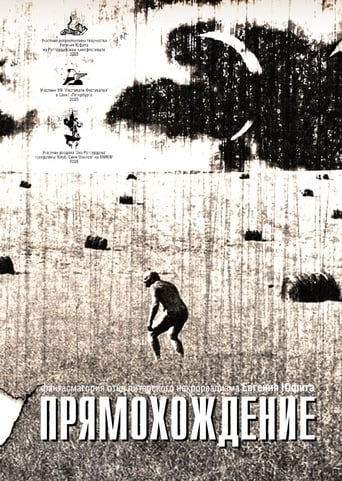
The main character is crazy about about depicting various anomalies in art. Accidentally he finds a cinematography archive which makes him advance a completely new theory on the reasons why humans became bipedal. Yufit proceeds with the plot by describing a scientist struggling against the epidemic wave of anomalies in the physical and mental world thematically started in his other films. This time the struggle takes place on the background of paleoanthropology, psychoanalysis and modern art. As materials of the Museum of Anthropology and other archives are included in the film, it oversteps the boundary between a feature film and documentary.

Looking at whether the history of early human evolution should be rewritten. For decades, most experts have been convinced that Africa is the cradle of mankind and many fossil finds from Kenya, Ethiopia, South Africa and Chad seemed to prove it.
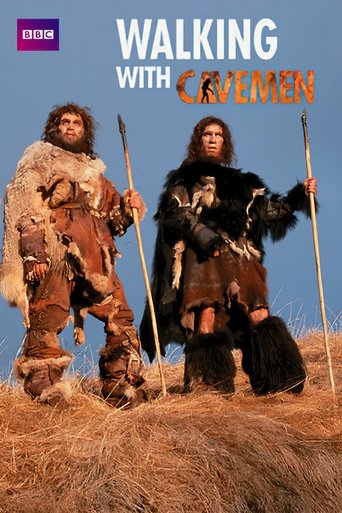
The great follow-up to 'Walking with Dinosaurs' and 'Walking with Beasts', presented by Professor Robert Winston, explains the story of human evolution.
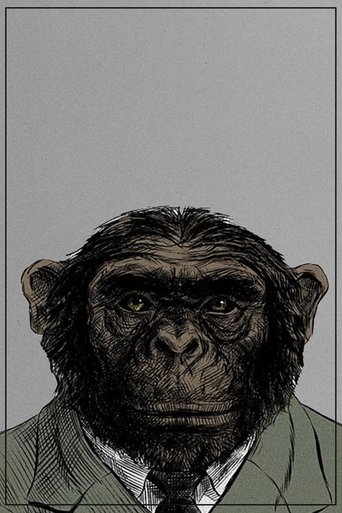
Propelled by Claude Cloutier’s signature drawing style and absurdist humour, this animated short offers an overview of the evolution of life on Earth from rock to human, with some surprising twists in between.
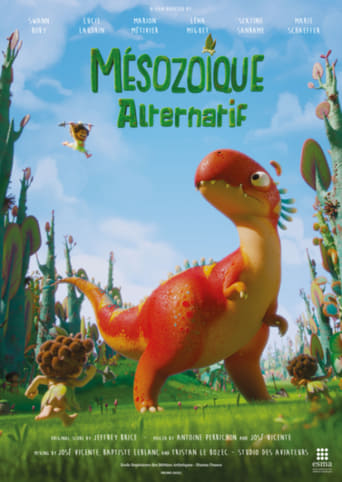
Dinosaurs and humans evolve and live together throughout history. However, the annoying and invasive behavior of humans begins to annoy Rex, a peaceful dinosaur.
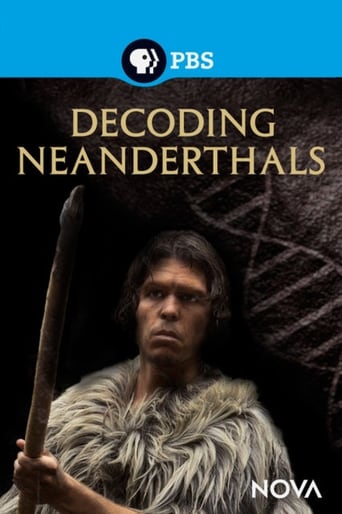
Over 60,000 years ago, the first modern humans left their African homeland and entered Europe, then a bleak and inhospitable continent in the grip of the Ice Age. But when they arrived, they were not alone: the stocky, powerfully built Neanderthals had already been living there for hundreds of thousands of years. So what happened when the first modern humans encountered the Neanderthals? Did they make love or war?


Can the human brain really handle several tasks at once? The film exposes the myth about effective multitasking and takes a scientific look at its feasibility in the real world.
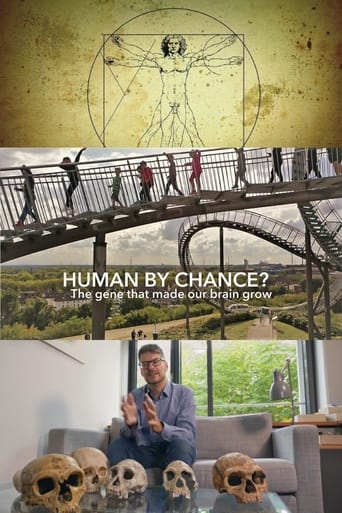
If we compare ourselves with our genetically closest living relatives, the chimpanzees, we have few physical advantages. We are far weaker, cannot move nearly as fast, and do not have the same climbing capabilities. Instead, humans excel in areas such as architecture, religion, science, language, writing, art, culture, and ideas. These achievements are due to our larger brain that contain billions of neurons. It was the rapid growth of our brain, originating about 2 million years ago, that allowed us to be the predominant species of the world. What caused this rapid growth of our cerebral cortex? Researchers worldwide have asked this question for many years, but now there finally seems to be an answer.
The story of the evolution of life on Earth in animated form.
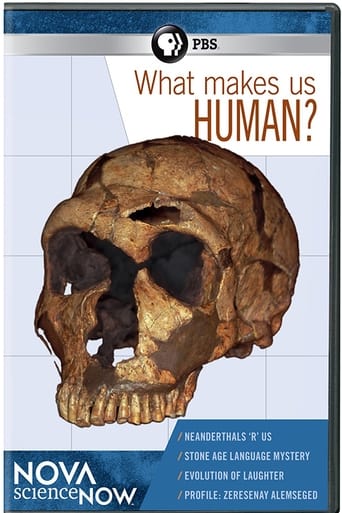
Scientists have struggled for centuries to pinpoint the qualities that distinguish humans from the millions of other animal species with which we share the vast majority of our DNA. Now we explore those traits once thought to be uniquely human to discover their evolutionary roots.
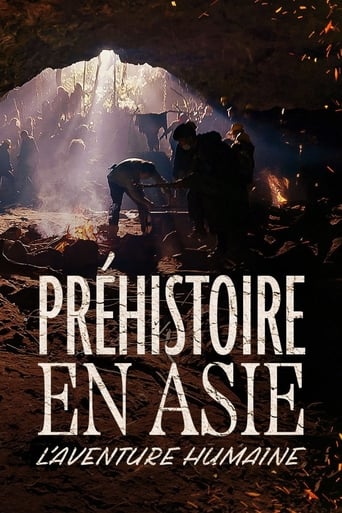
In the docudrama "Les Derniers Secrets de l'humanité" (The Last Secrets of Humanity), author and director Jacques Malaterre and paleoanthropologist and professor at the Collège de France Yves Coppens reveal the incredible adventure of Asian prehistory. How does science help to reconstruct these bygone times in images? Thanks to discoveries made at excavation sites and in analysis and genetics laboratories, researchers are now revealing this distant, vanished past.

