Bluebeard 1898
Film adaptation of the famous French folktale by Georges Hatot.
Film adaptation of the famous French folktale by Georges Hatot.
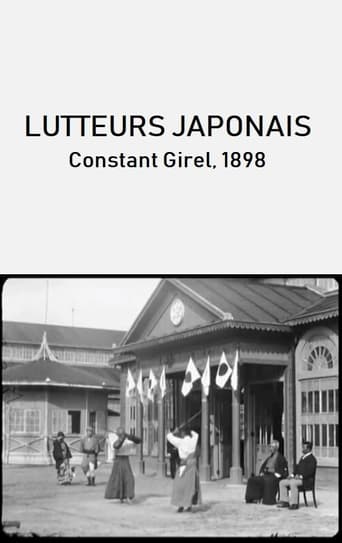
Two fighters, in traditional costume, taking part to the national kendo tournament.
An adaptation of the folk tale.

One of the two earliest horror films ever made. This film is presumed lost.
Nero, seated on a throne, has slaves summoned. Each drinks poison and dies, the second even though he can see the corpse of his predecessor.
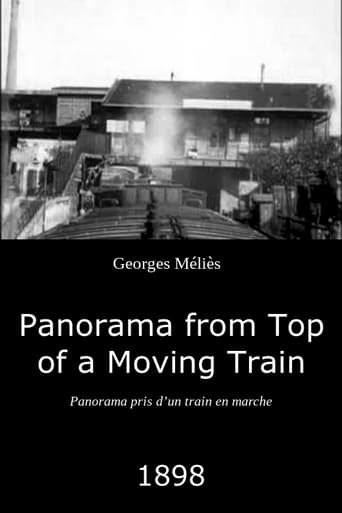
With the cameraman atop a moving train car the viewer is given a one minute glimpse of a French urban area.

Directed by James H. White.
Passage of a Shintoist procession, whose members carry banners and lanterns, somewhere in Kyoto.
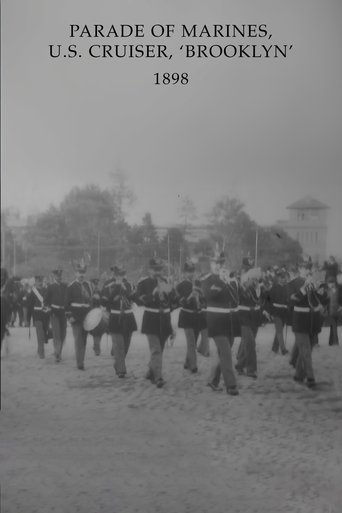
A short documentary capturing the officers and crew of the USS Brooklyn during a naval parade in Brooklyn, New York, on October 1, 1898, following the Spanish-American War. The film features the ship’s 300 Marines and the Marine Band, reflecting public celebrations of the U.S. Navy’s role in the conflict.
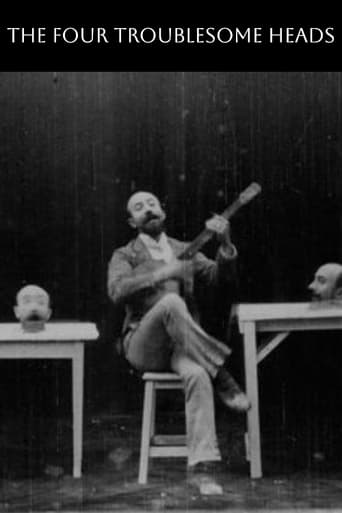
One of the greatest of black art pictures. The conjurer appears before the audience, with his head in its proper place. He then removes his head, and throwing it in the air, it appears on the table opposite another head, and both detached heads sing in unison. The conjurer then removes it a third time. You then see all three of his heads, which are exact duplicates, upon the table at one time, while the conjurer again stands before the audience with his head perfectly intact, singing in unison with the three heads upon the table. He closes the picture by bowing himself from the stage.
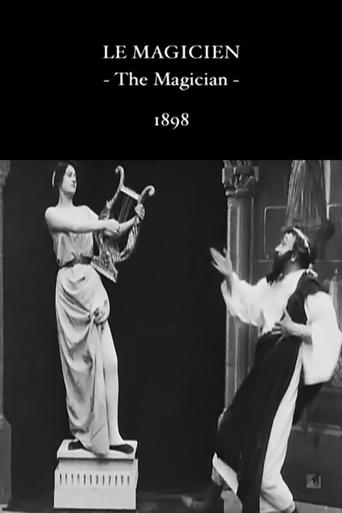
In this scene is shown a magician behind an ordinary table, upon which he suddenly and mysteriously causes to appear a large box, into which he leaps. The sides of the box fall to the ground, but instead of containing the magician a lively clown steps forth who further mystifies the audience by causing the box to disappear, and in its place is seen a fully laid table with a smoking dinner, to which the clown applies himself. The table, however, suddenly disappears much to the astonishment of the clown, who is confronted by the magician in the garb of Mephistopheles. This he suddenly changes to that of a sculptor, and in the background is seen a pedestal with the bust of a young lady, which comes to life as the sculptor applies the mallet and chisel.

Cops chase a pair of burglars on the rooftops of the city. Gaston Breteau filmed the original film in early 1898 for Lumiére, and also the remake in late 1898 for Gaumont.
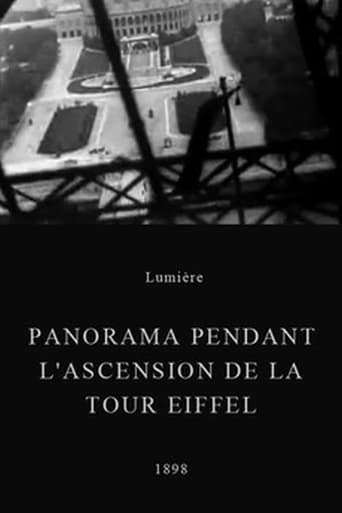
Panorama during the ascent of the Eiffel Tower.

President Félix Faure, escorted by horsemen, marching past the troops at Longchamp.
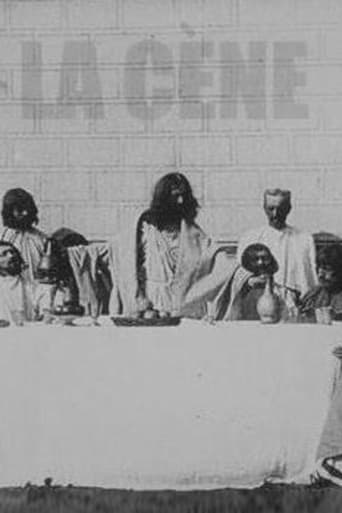
Scene of the last supper.

