مسرحية على بابا والعصابه 1970
A play on the Baba and the gang of starring: success of the wave of the glory of Zaki Mr. Azmi Mamdouh and Wafi Hassan al-Deeb Abdul Aziz Isa
A play on the Baba and the gang of starring: success of the wave of the glory of Zaki Mr. Azmi Mamdouh and Wafi Hassan al-Deeb Abdul Aziz Isa
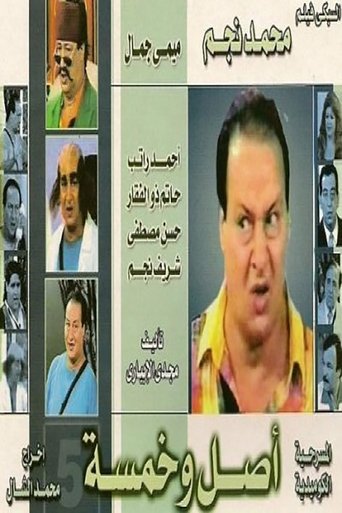
Shefan falls in love with Hanan's sister Jihan and works with her in the field of advertising. He wants to marry her even though she does not share the same feeling. Saffan encounters the presence of an old friend, a fugitive from the police, who helps him to disguise himself as hiding from the police chase and following events in the framework of satirical comedy.
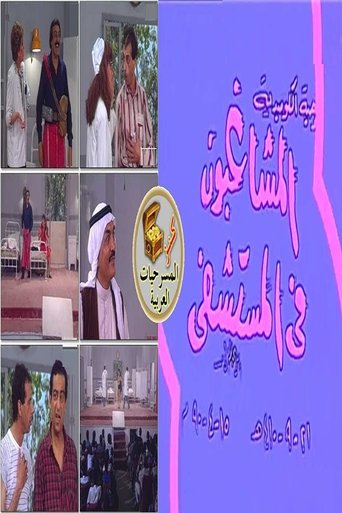
The comedy comedy in the hospital Starring: Ahmed Rateb Fouad Khalil Mohammed El - Sawy Hala Fakher Mohamed Shweihi Ashraf Youssef

Theatrical comedy review Manoor Ya Pasha starring Mohammed Najem Omar Hariri Samah Anwar Inas Makki Zia Al Mirghani
The play depicts the period of setback until after the 1973 war, and monitors the changes that took place from 67 to 77 after the opening, through the story of "Zouba", which is in confusion after returning from the war of 73 after 10 years, believing he was martyred, With his friend Hassan, and gave birth to him, and to solve the problem using a lawyer who proposes to divorce her from the couple to leave her free choice and to hold a comparison between her two husbands. She sees that the first one is jealous of her and wants her dignity and dignity, "She achieved her openness and freedom until she worked as a hostess and toured the world. The play ends with an open end because Zoba sees that the two have tried to please each other in his own way.
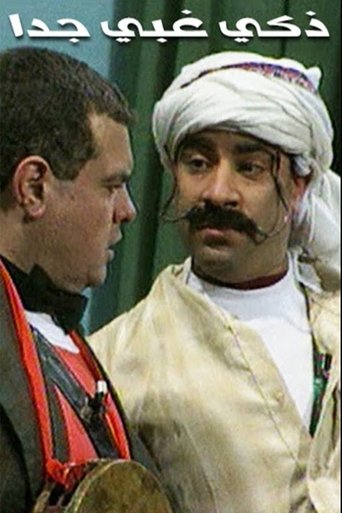
A comedy about the life of the young man Zaki, who dreams of becoming a famous singer and actor and in order to realize his dream is exposed to many interesting and exciting comedy situations
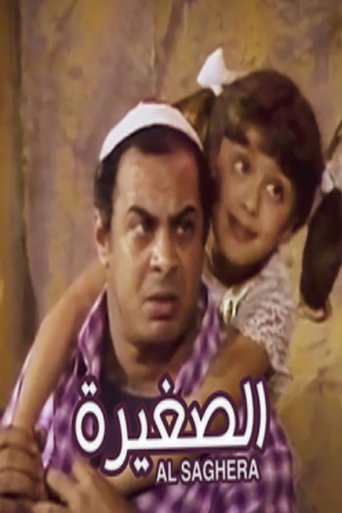
The play revolves around a little girl called Sesame One day she wakes up in the middle of the night to look for her cat and discover my haraam at home and cling to him and insist on going with him
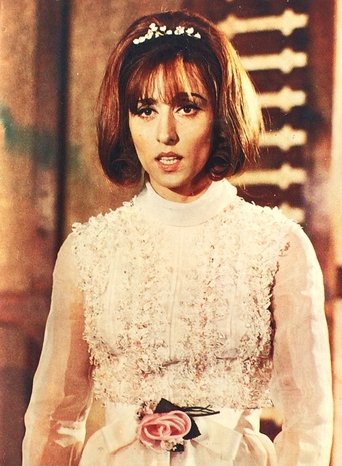
Fairuz "The Story of a Lifetime", it showed a rare interview of her. Her early life, her establishment of as a new star and her relationship with Assi and the family.

The story of the play revolves around the divorce of Nora Hala Sedqi from Hamdi, her husband Nabil al-Hagrassi, and then her father Hassan Hosni tries to find an analyst to marry Hamdi again and then the choice is made by Zerbeeh Mohammed Najm, telling him that Mayor Moslehi, his uncle Zakaria Mawafi, does not like divorce and if he comes to them. A visit and an absolute view will deprive her of the inheritance they forced him to change his name from Zerbeih to Hamdi, but her first husband comes Hamdi and confesses to him the fact that Zerbeeh is surprised by the truth and knew his fiancé Suhayr Barouni's wife had married another woman and cried and cried but she loved Hamdi and left Zerbeeh and loved Nora Zrbeeh and agreed to keep her husband married The play ends . The play was a great success in Egypt and some Arab countries
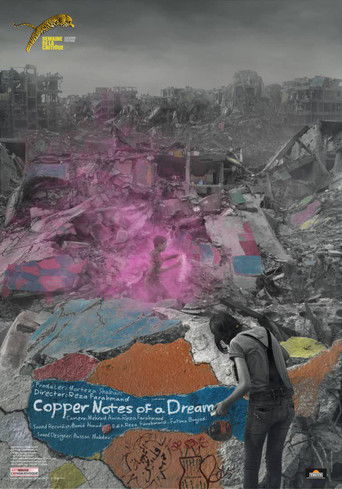
10 year old Molouk who seeking to preside over surviving children lives her friends by pulling out copper write from ruined houses.

Salma Shamel’s Those That Tremble as if They Were Mad is a wry lamentation of a future not grasped. In the aftermath of Egypt’s 2011 revolution a government committee was set up to compile an archive of the revolution’s events, only to be dissolved following a coup. Through a parade of the committee’s ephemera of CD-ROMs, certificates and contracts, Those That Tremble mourns what could have been, to a soundscape of mass distress.
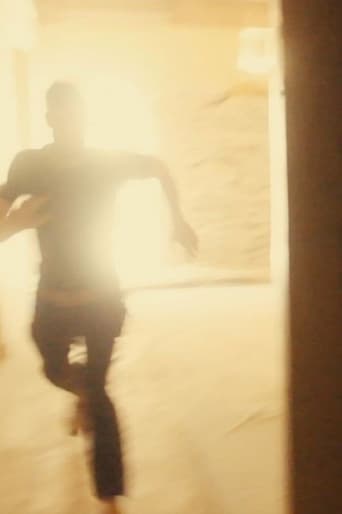
An invisible woman films her own people during the revolution. This takes place in a country called Syria, between 2011 and 2017.
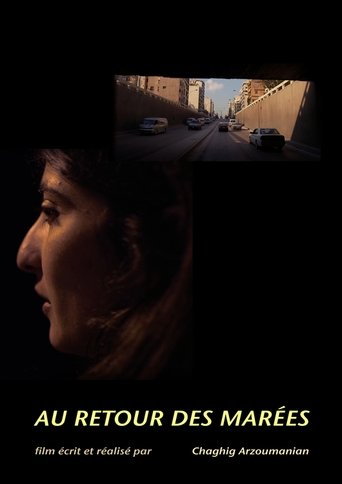
The woman in the film returns to Beirut after many years of absence. Her return wasn't meant, she came to bury her mother. A walk at dawn leads her deep into the city which on its turn leads her to Abdallah, her past lover. But the gap of time, space and experience make this encounter impossible, or elsewhere.

You are now in the main hall of the National Museum in Beirut. A guard reminds you that you are encouraged to touch the archeological objects. A voice in your headset suggests that you lick the stone. You are now facing a hole in the wall on the lower left corner of a mosaic. The voice in your headset indicates that it was made by a sniper. Out of curiosity, you dial 1-9-9-1 to listen to the rest of the story.
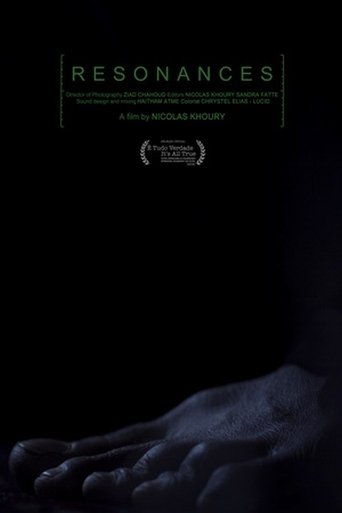
An endless scan is done on a Syrian refugee camp in Lebanon, revealing different body parts and uncanny stories filled with trauma and anguish. This trip inside the body and the mind of the “refugees” will be creating an apocalyptic poem reflecting a chaotic reality.

One day on the phone between Beirut and Paris, my mother told me: Your father has serious financial problems, he must sell his school, he has no choice, the banks have no mercy. I heard the loss. I reeled. I have always been the daughter of the principal of The Lebanese Rabia school and I do not imagine it otherwise. I decided to go back home.

Director’s brother, Mustapha, disappeared for almost one year. He cut any contact with us, his family that lived then in fear and distress. One evening, after his long absence, the mother received a phone call. He had settled down in the Madrasa Nahlia, a Koranic school of religious teaching in the mountains, 90 km from Marrakech. Through a monologue in the form of a letter, the director dialogues with his brother, remembering their childhood and observing the simplicity, austerity and serenity of the madrasa.
Salah has always been a shepherd. It is a fate that was chosen for him by his parents when he was still a child. Moving constantly between pastures in the mountains and on the plains of the Moroccan Atlas mountains with his family, he has handed down traditions and knowledge to his children, who take care of the herds today. It is a nomadic life made up of sacrifices, fatigue and long journeys through unspoilt landscapes in an often hostile climate. The young people carry out the roles that life has assigned to them, dreaming of moving to the city and awaiting an uncertain future.
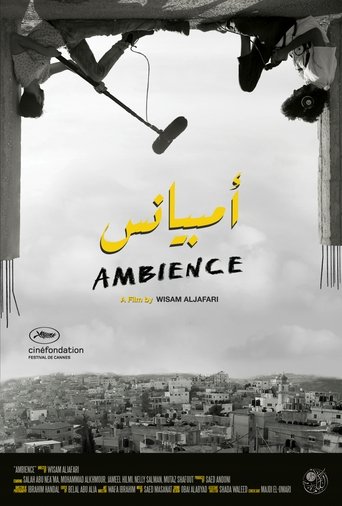
Two young people try to record music inside the camp for a competition. If they succeed, they have the chance to make a music album. Because of the chaos and problems in the camp, things go wrong at first. Finally, the two come up with the idea of recording the sounds of the camp instead — and turning them into music…
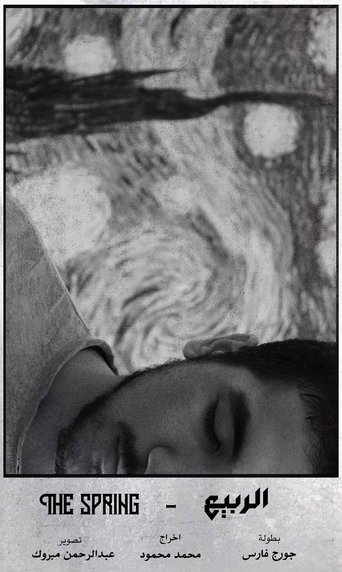
A short film about sadness, Silence and emptiness
