
Happy New Year 2017
A romantic drama filmed in Australia.
A romantic drama filmed in Australia.
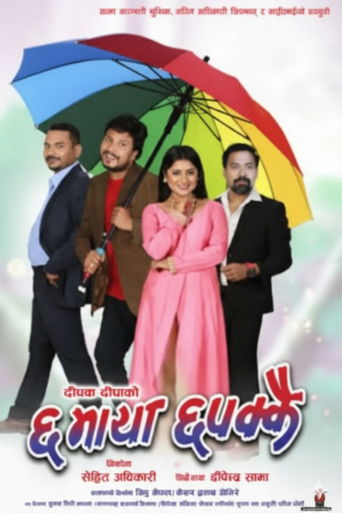
Chha Maya Chhapakkai is a 2019 Nepali social-comedy film directed by Dipendra Lama and written by Deepak Raj Giri. The story revolves around two families from opposing political backgrounds whose rivalry intensifies when their children fall in love. This conflict escalates into a political upheaval in their village, blending humor with social commentary. The film stars Deepak Raj Giri, Keki Adhikari, Kedar Ghimire, and Jeetu Nepal, and it was both a critical and commercial success in Nepal, grossing over रू 9.4 crore at the box office

Laure will start shooting on July 7. Nigam Shrestha is the film’s director with Bikram Singh and Salin Man Baniya in the lead roles. The remaining cast is yet to be finalised.
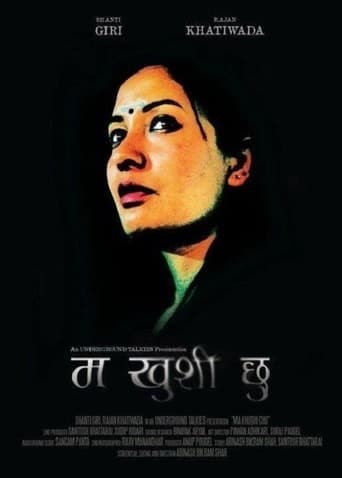
Vashna lives to make others happy; their happiness is hers. Aakash is an aimless wanderer, with no ambition other than to live happily in the moment. When the two disparate souls meet, both are forced to rethink the meaning of happiness.

A young mother waiting for her husband to be back for years falls in love with a guy while she looks after her paralyzed father-in-law.
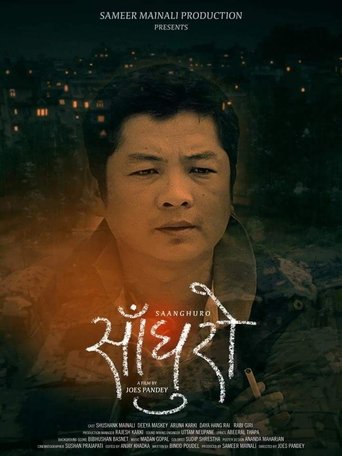
A portrayal of the everyday struggles faced by a newly married couple in a slum in urban Nepal.

Sonam (50) and his estranged son Karma (20) journey to ancestral monasteries in the mountains of Nepal to light butter lamps in memory of Sonam's deceased wife, before Karma leaves for Australia to study.

Serap Sherpa, an accomplished mountain guide from Nepal, now drives a cab in New York City and gets lost in his memories of the mountains.

Based on a short story by writer Guru Prasad Mainali of the same name, the story follows the lives of husband and wife, Chame and Gauthali. Mainali is a writer from the realism school of thought, or ‘yatharthabadh’ in Nepali. His other popular stories include Naso (The Ward) and Sahid (The Martyr).

Drawing inspiration from Frederick Wiseman’s classic aesthetic, Nepalese filmmaker Kesang Tseten spends a year observing the community and culture of Himalayan immigrants in and around the Jackson Heights neighborhood of Queens. During the buildup to the 2020 U.S. Census, the inhabitants reveal their motivation to have their presence recorded, encouraged by visits from their political representatives, including Alexandria Ocasio-Cortez. In carefully captured verite footage, we see a rich portrait of people deeply connected to homeland traditions while adjusting to life in exile.

In 1990, one sixth of the population of Bhutan was exiled because they demanded greater democratic rights from the ruler. The film follows the story of Sarita, a 13-year-old girl born in Khudunabari, a refugee camp in Nepal where over 100,000 Bhutanese exiles live. Now they will be "relocated": thousands of families will be forced to emigrate and their Lotshampa identity will disappear forever. Sarita and her friends will not tell us their odyssey: they will dance and sing it.

Bir-Bikram 2 is a 2019 Nepali Romantic love story movie starring Paul shah, Barsha Shiwakoti, Najir Hussein and Buddi Tamang in key roles and is the second installment/franchise of smashing hit movie Bir-Bikram (2016). This tale is about the journey of their friendship, love and roller coster life.
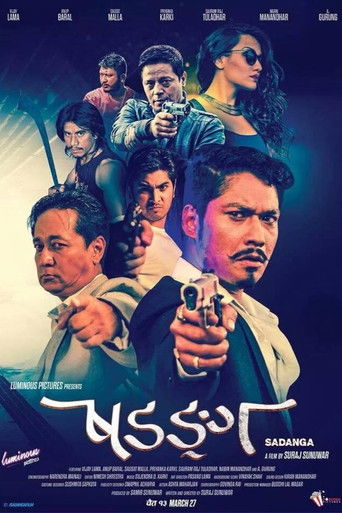
Kalu Yadav frees Vicky from prison and works under crime boss Raja. A police raid ruins Raja’s drug deal, and Kalu suspects rival gangster Bhalu. Salina secretly cheats on Raja with Vicky. Kalu becomes the main suspect in a builder’s murder and faces pressure from Raja. After learning Bhalu tipped off the police, Kalu kills him but Raja abandons Kalu. In hiding, Kalu partners with Malik Bhai and plans to kill Raja. Kalu and Vicky murder Raja and bury his body. The money Vicky gives Kalu turns out to be fake. A violent fight breaks out between Kalu and Vicky. The DSP kills both of them, revealing Salina planned everything to take Raja’s property and leave with another man.
A father gets a haunting call from his son's class teacher telling him of his son's strange behavior.
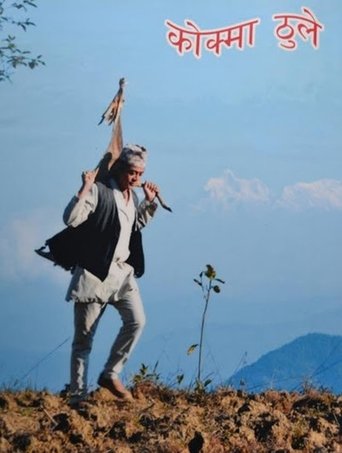
This is the story of a Limbu family. A father loves to play the traditional Chyabrung drum at village ceremonies, his son has problems with school, his wife works hard at home. Losing his beloved drum, the father needs a tree trunk and leather to make a new one.

Madan Krishna Shrestha buys and wins a house in a lottery which he purchased from the one rupee coin that Hari Bansha Acharya dropped, just to find out later that the house is haunted. The epic episode most Nepalese remember for the haunting cover of "Ghas Kaatne Khurkera" by Hari Bansha Acharya.
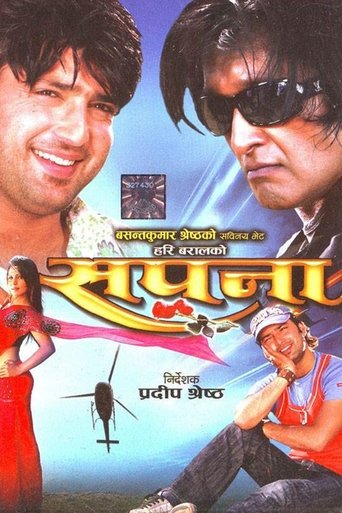
A story follows a girl named Sapana, who dreams of marrying a man just like the one she has always imagined. However, she is completely unaware that the one truly meant for her has been by her side all along.

A private college owner seeks revenge on a student after the student refuses to study at his college.
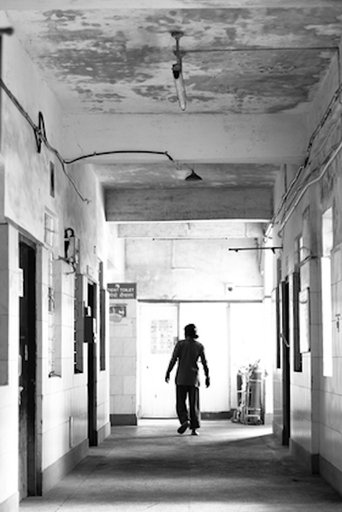
This experimental video essay explores the space and time of a post-colonial hill station set up by the British as a sanatorium for therapeutic recovery from the heat and humidity of India. Invoking the closing sequences of Ritwik Ghatak’s film, Meghe Dhaka Tara (The Cloud-Capped Star) (1960), the film explores how mountains became a metaphor not just for malaise and affliction, but also the human will to survive in the corridors of a creaky healthcare system. Framed through fissures in the dark, derelict walls of a once glorious cinema hall in Darjeeling, the events within turn, hang in liquid suspension. The same landscape becomes a haven for the tourist-turned-environmental-refugee who crawls up the winding mountainside in summer, fleeing the furnace of the Indian plains. But the haven itself is occupied by giant pile drivers pounding steel into the industrial night.
