
The Big-Headed Boy, Shamans and Samurais 2021
A film crew travels across remote villages in Western Nepal looking for the perfect kid who can play the 'Hero' in their upcoming film.
A film crew travels across remote villages in Western Nepal looking for the perfect kid who can play the 'Hero' in their upcoming film.

This documentary explores the upbringing of transgender model Anjali, in a small village in the hilly district of Nuwakot, a district neighboring capital city Kathmandu, the discrimination she faced, the struggle she did after coming to Kathmandu and also about her dreams and hopes about the future.

Khando is 26-years-old, impoverished and illiterate, toiling the harvest away in other people’s farms in exchange for buckwheat to feed her 7-year-old son Dhondup. How could Khando be a ‘Good Mother’?

It is a story of youths and their struggle against the time, seasons, hearts and feelings that are trying their best to not remain the same.
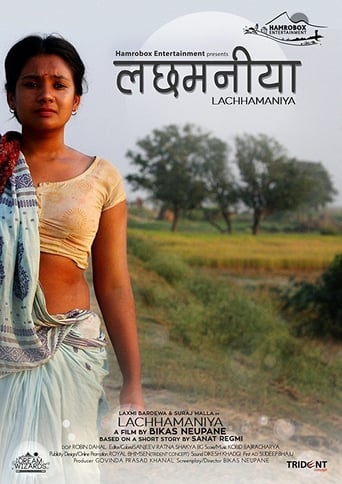
Lachhamaniya, according to the communal practice, was married at the age of five. She is now twenty years old and has never met her husband after the wedding. She lives at her natal home hoping her husband to come and take her with him. ‘LACHHAMANIYA’ is a story about the psychological conflict arising from the disagreement between the protagonist’s parents and in-laws and the consequences that follow.

This is the story of 28-year-old Ram, who migrates to work in a Nepali restaurant in northern Japan. The film explores his daily life in Japan and that of his family back home, reflecting on the socio-cultural challenges created by globalisation. Having escaped his home village, for 12 years Ram worked at restaurants in Kathmandu, but his family’s poverty remained constant.
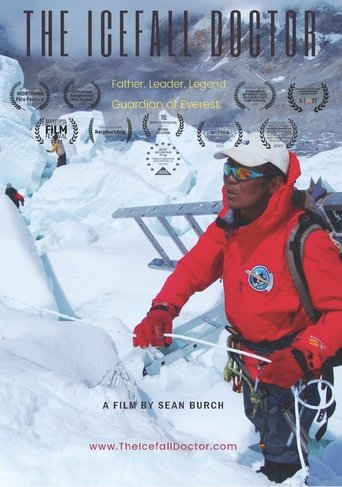
Angnima Sherpa, the original "Icefall Doctor", has held the most dangerous job on earth on the slopes of Mt. Everest for 30+ years. A kaleidoscopic and meditative view on his last season as leader of the Icefall Doctors before his death. Some of Everest's bravest Sherpas are "Icefall Doctors", whose daily job is facing possible death walking into the Khumbu Icefall on Everest to manage the route, save climbers, and assure Western mountaineers will have an opportunity at the top of the world. Leader of an unappreciative trade, unrecognized by most Everest enthusiasts, Angnima and his team were a mythical band of hardcore Sherpas, and unfamiliar to a majority of the world. His story reveals culture, commitment to family, chasms of class & financial inequity; and overall hangs the fog of environmental stewardship. In his directorial debut, this award-winning film from Sean Burch offers a refreshingly direct approach to documentary and underrepresented communities.
A girl is carelessly roaming around the woods, when suddenly she gets seduced by mystical figures. This experimental short film is inspired by an existing Nepalese folklore. The folklore is adapted to represent the indigenous Limbu people, and their marriage practices inside the community. This short film talks about the existing ritual that took away the youth, freedom and choices of Limbu women.
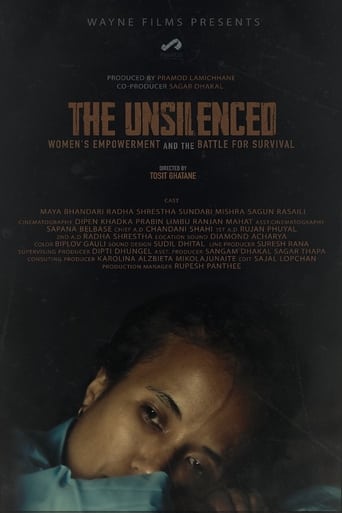
In the heart of Nepal, four women defy odds and challenge societal norms in their pursuit of empowerment and fulfillment. Radha, driven by a passion for acting, faces the harsh realities of domestic servitude after a childhood marriage, sacrificing her dreams for survival. Maya's quest for a better life leads her to Kuwait, where she becomes ensnared in the horrors of human trafficking but ultimately escapes to rebuild her life through entrepreneurship back home. Sundari, despite being a specially- abled dwarf, rises as a priestess in a male-dominated role, overcoming discrimination with unwavering resilience and devotion. Sukun, discriminated against for her low caste, perseveres amidst Nepal's majestic mountains, crafting handmade products to support her family and defy societal constraints. Each woman's story exemplifies the power of determination, resilience, and the refusal to be defined by circumstance, inspiring women everywhere to pursue their dreams against all odds.
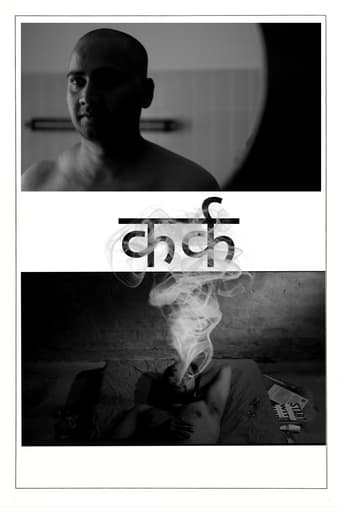
A man is addicted to cigarettes.
The Other Side of the Coin is an intimate portrait of three migrant workers – Man Bahadur, Madan, and Durge – sharing a cramped semi-basement apartment far from home. By day, they endure the relentless rhythm of a restaurant kitchen; by night, their thoughts return to the families they left behind and the dreams they struggle to hold onto. Their stories unfold within a larger history of migration, shaped by the unequal ranking of the world. One man remembers his grandfather’s journey abroad, he himself now works in the West, while his friend departs for the Gulf to build stadiums – only to never return. These parallel paths reveal how people from poorer nations bear the weight of global hierarchies, giving their labor to distant places while carrying the unseen costs of distance, loss, and longing. Both deeply personal and quietly political, the film reflects on what is left behind – and what is carried forward – when life is lived between worlds.

The Australian sun baked the dreams of a group of students each fighting their own battle for building their future, recovering student loans, fulfilling of parent's demands and expectations. However the circumstances raise everyone's life and they have to face emotion, dramas, unraveling conspiracy, masterful performance and revenge with the ironic ending.
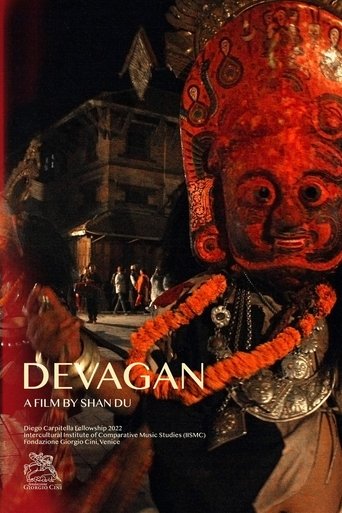
The term devagan refers to a group of Newar men who embody goddess Durgā in the 500-year-old Nava Durgā ritual in Bhaktapur, Nepal. Through the stories of three devagans within a single family, the film explores the transmission of myth, ritual knowledge, and devotion across generations. In addition to the ritual performance, the film also focuses on the devagans’ daily lives, revealing their hard work backstage and the challenges they face.
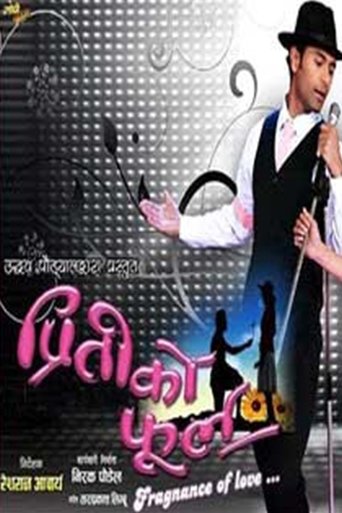
In a tangled love triangle, every confession raises more questions than answers, bringing only pain to those who dare to speak their hearts.

Raajan, a carefree dreamer from Kathmandu, spends his days lost in fantasies, dodging work and chasing one grand ambition: to open a lavish resort with a windfall of money he hopes will magically appear. His childhood friend Divya, who lives in his neighbourhood, understands his quirks and secretly loves him, but Raajan remains oblivious to her feelings, taking her presence for granted. Everything changes when Sara, a charismatic foreign tourist, arrives in Kathmandu. Raajan is instantly smitten, falling head over heels for her charm. While showing Sara the beauty of Nepal, he becomes convinced she holds the key to turning his resort dream into reality, blending his infatuation with opportunism. Meanwhile, Divya, heartbroken by Raajan's obsession with Sara, decides to move on and agrees to marry another man, sparking a poignant love triangle.

A middle class family is thrown into chaos when the youngest daughter expresses her desire to go abroad, secrets & resentment hiding inside the exterior threatens to destroy the family from the inside.
Shanti is an adaptation from a short story (Foot Prints on the Sand) written by Chimi Angmu Lama based on a real event. It is the story about a single mother raising her child helped by a simpleton "Ramme" to do some work in the farm. The Mother shows extraordinary courage, strength and resilience when faced by sudden harrowing situation.
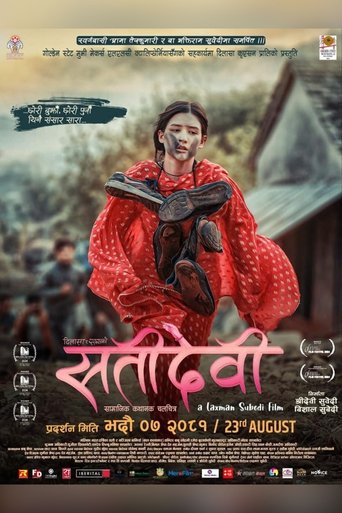
Kul Bahadur, a poor villager battling alcoholism, has four daughters. Though he wishes for a son, his eldest daughter, Sati Devi, strives to make him happy. However, their lives are marred by heart-wrenching events.
Bholanath (84 year old) is counting his last days. He has come to live in the city with his grandson and daughter in law. He shares a room with his grandson. Boredom on deathbed makes Bholanath reminisce about various parts of his life. He gets delusional and gets haunted by daydreams, old age and impending death to reevaluate his life. Grandson seems devoted in the service of his invalid grandfather, but time to time he gets irritated by the uncivilized and old aged behavior of his grandfather. The impending and intolerable pain of death bed of his grandpa compels him to question his own existence.
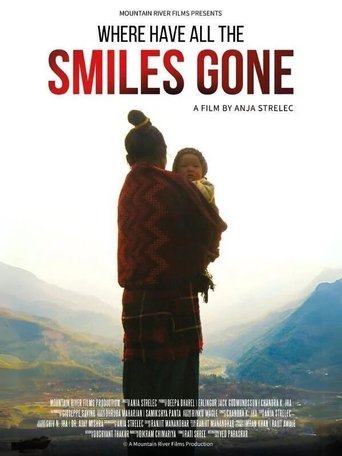
In search of a better life, Nepalese emigrate en masse, sacrificing their rights and health for remittances. Should they continue searching abroad or stay at home, trapped in misery? Tragedy poses the difficult choice between hope and reality.
