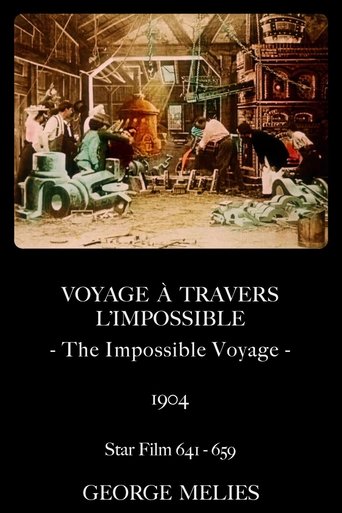
The Impossible Voyage 1904
Using every known means of transportation, several savants from the Geographic Society undertake a journey through the Alps to the Sun which finishes under the sea.
Using every known means of transportation, several savants from the Geographic Society undertake a journey through the Alps to the Sun which finishes under the sea.
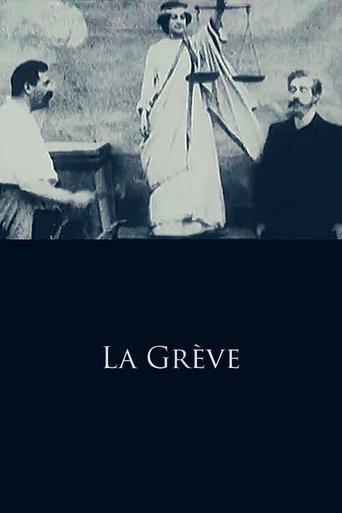
During a strike, several workers are killed in a confrontation. The wife of one of them kills the factory owner. At her trial, the owner's son asks for mercy, knowing that his father was wrong. Because of that the wife is freed.

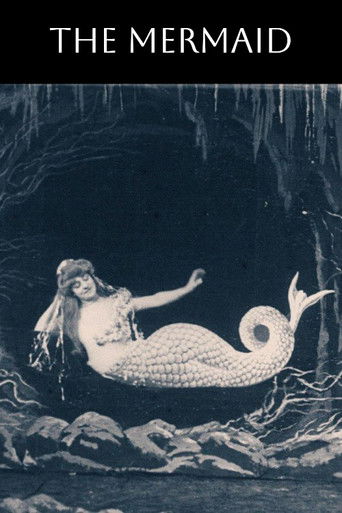
A magician conjures up a mermaid while fishing.
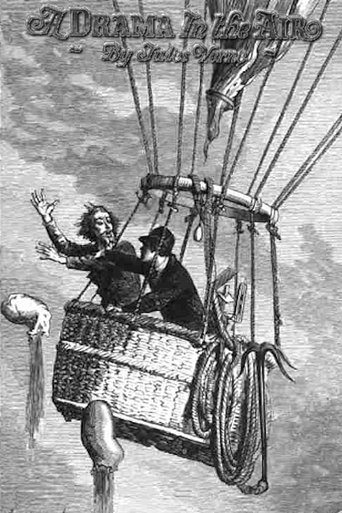
A fairly venturesome piece of filmmaking for the era: Based on the Jules Verne story, the film utilizes a dozen cuts, irised lenses, panning shots and vivid tints to weave an intrepid and exciting story.
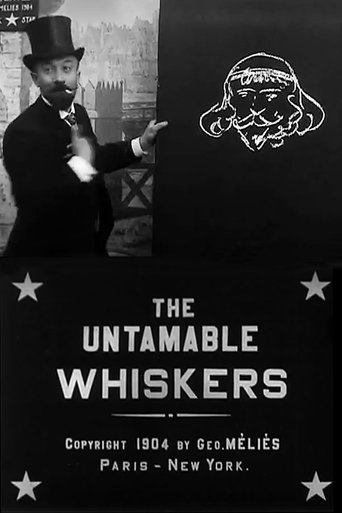
The background of this picture represents a scene along the beautiful river Seine in Paris. A gentleman enters, and taking a blackboard from the side of the picture, he draws on it a sketch of a novelist. Then, standing in the centre, he causes the living features of his sketch to appear in the place of his own, which is utterly devoid of whiskers. The change is made so mysteriously that the eye cannot notice it until one sees quite another person in the place of the first. Again another sketch is shown on the board, this one being that of a miser; then an English cockney; a comic character; a French policeman, and last of all, the grinning visage of Mephistopheles. It is almost impossible to give this film a more definite description; suffice it to say that it is something entirely new in motion pictures and is sure to please. (Méliès Catalog)

Two workers leave boxes of explosives with a push cart street vendor while they visit a bar. They return drunk and accidentally drop a box of nitro powder, causing an explosion that wrecks the block and blows off the vendor’s arm. A policeman shows up to the carnage and tries to replace the vendor’s arm with a severed leg.
A “madman” escapes prison and the torments of his warders.
Benvenuto Cellini, sculptor to the King, is thrust into a dungeon because he has offended His Majesty by not being able for some time past to produce a statue that will please him. He is told that he will stay there until he does so.
The title of this early US film is something of a con really. Another rube couple had appeared in an entertaining movie set at Coney Island the previous year, and that film had been quite entertaining (for it's day) so any audience of the time would have been forgiven for thinking this film would provide them with more comedy along the lines of the first film.
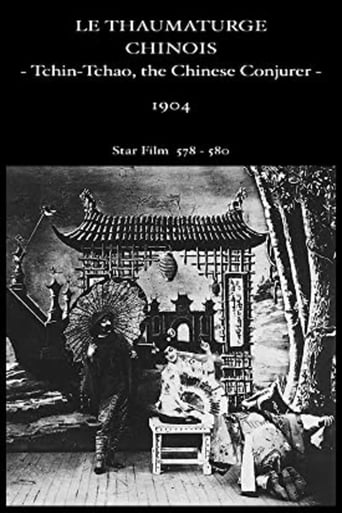
A Chinese conjurer stands next to a table, it becomes two tables. A fan becomes a parasol, lanterns appear and disappear. The conjurer spins the open parasol in front of himself, and a dog leaps out from behind it. The dog becomes a woman, then a masked man appears. The conjurer sits them each on a box a few feet apart: suddenly the woman and man have changed places. The disappearing and the transfers continue in front of a simple backdrop.
Shows a band of mischievous cowboys being chased by Indians. A number of shots are fired at the pursuing Indians by the cow punchers, and the Indians' arrows are seen landing in the water pretty close to the fleeing men.
Documentary snippets from the lives of miners.
Actuality film showing a busy Salvation Army parade in a rural village under the British Raj.
The Count de Cagliostro, who occupies his spare time in working magic, has invited one of his friends to be present at an exhibition which has for its aim the object of showing how much the sense of sight can be abused and deceived. In the center of three fans he arranges a rose-window, which there appears a young page who is suddenly transformed into a marquis of the time of Louis XV. The count brings a large frame, the marquise arranges herself in it, and it seems to the visitor that she is changed into a nymph. He then approaches it to verify the fact, but he perceives that it is the count in person who is in the middle of the picture. But in order to assure himself that he is not mistaken, he strives to grasp him but the latter disappears mysteriously, and the frame, in the center of which he finds himself, is absolutely empty. What he has seen was only a marvelous illusion.
A drunkard has taken off his overcoat and wishes to put in on again, but as he is not able to succeed in it. He asks aid of two bystanders, who hold the coat behind a lamp-post, so that when the drunk fellow has inserted his arms into the sleeves he finds himself fast to the lamp-post.
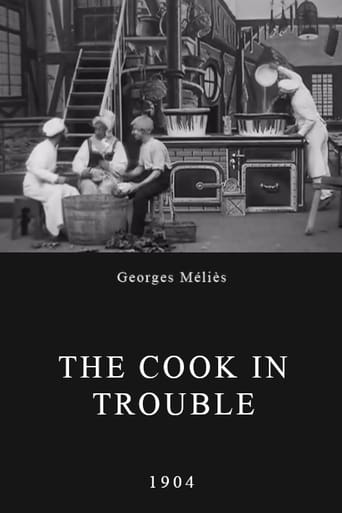
A cook has his hands full with three mischievous devils, who pop in and out of his kitchen.
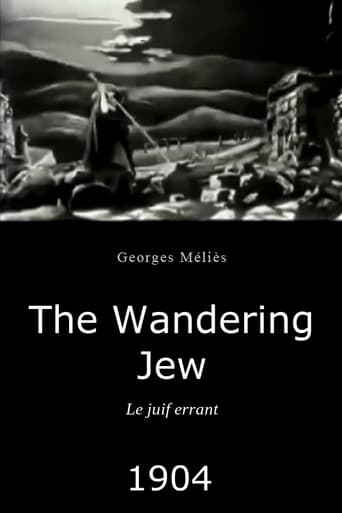
A Jew who mocked Jesus on the cross is visited by a devil and an angel.
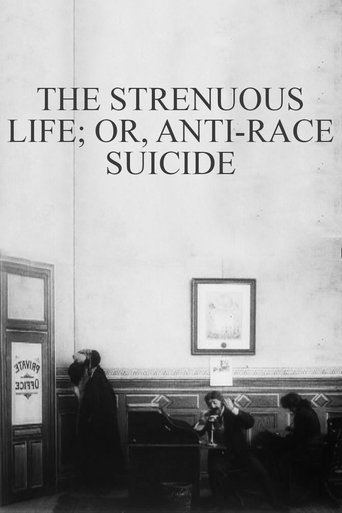
A married couple faces the demands of what Theodore Roosevelt called 'the strenuous life'.
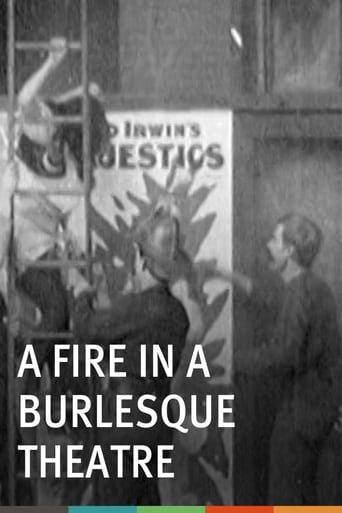
This short, otherwise unremarkable feature is of some interest because of the way that it unabashedly caters to the tastes that it perceived in its audiences. Besides combining the elements of the risqué 'blue' movies of the era with the popularity of movies about fires, it also attempted to use the combination to get extra mileage out of it. The movie's title summarises the setup, and most of the footage shows firefighters using ladders to rescue stage girls, clad in portions of their costumes, from an upper level. Although it all seems pretty tame by today's standards, it no doubt provided its male viewers with some brief moments of excitement as the various women hurried down the ladders with their costumes in disarray.
