Inwentaryzacja 1970
Experimental short film by Wojciech Bruszewski.
Experimental short film by Wojciech Bruszewski.
The change of the political system that occurred in Poland in the early 1990s brought not only hopes related to the social and economic transformation, but also anxieties and fears. At the time, such fears were treated as evidence of incompatibility with the new capitalist order and thus consistently relegated to the margins of public debate. The film is an attempt to recall the traumatic experiences of this period.
The detective tells about one of his cases.

A story of combining the obsession with collecting sperm with the inability to choose to use it. The heroine is entangled in one-off love stories, and the only constant relationship connects her with the fish. What happens when her space becomes the only one available for another sperm storage fridge?

In a near-future dystopia, citizens are rising against their increasingly oppressive nationalist government. Kuba, a twenty-year-old member of an illegal opposition group, gets arrested during a street protest. Despite his clear political involvement, he receives a lighter treatment than he expects. As it becomes apparent that there is a personal dimension to his rebellion, he has to make a choice that will determine the shape of his future.
What conclusions can be reached while waiting for an apple pie to heat up in the microwave?
Sam Fisher's daughter is abducted. From that moment on, a man tries to get her out of her kidnappers' hands, risking his life in the process....

Adaptation of several autobiographical novels by Zbigniew Uniłowski, a well-known writer of the interwar period: "Common Room", "Recruit Day", "Twenty Years of Life". The first three episodes are a story about the maturation of a teenage boy in a poor urban environment. The next ones show an adult hero who tries to become a writer.

A cheerful series about the adventures of a group of children living in the countryside, produced in a Polish-West German co-production (the pictures were taken in picturesque locations in Dąbrowa nad Czarna, as well as in sand caves near Sulejów). The biggest attraction of the area is the historic water mill, which becomes a great place for fun for an amused crowd. As is usually the case in the countryside, its equal inhabitants are - next to people - animals. No wonder the little heroes become friends with them. And so days go by together. Almost each of them brings a new, amazing and unexpected adventure. The child's imagination makes even ordinary events take on the flavor of fairy tales and mystery.
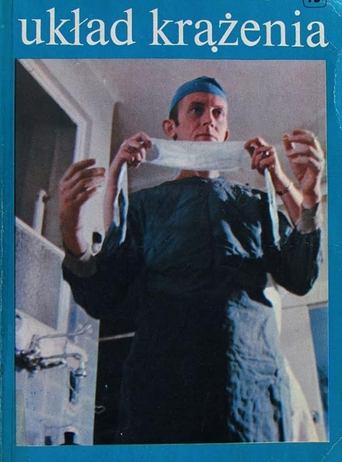
It is a psychological and social series, the protagonist of which is a doctor, Dr. Bognar. He is characterized by honesty, vocation, professional passion and stubbornness. Falsely accused of euthanasia and suspended from the right to practice the profession, he decides on his own - regardless of the investigation conducted by the MO authorities - to investigate and find the real culprit. To this end, he moves from place to place, changes jobs several times, meets different people. Each episode presents the next stage in the search for Dr. Bognar. Bognar goes through a complex process of gaining life and human experience - from section to section it becomes richer with experience gained from working in rural health centers or provincial hospitals.

The film shows in a colorful way the acting environment of Poland in the interwar period of the 20th century from behind the scenes. The main character works as a show dancer in theaters and cabarets, experiencing both professional successes and humiliating failures and poverty.
Adaptation of the novel by Jarosław Iwaszkiewicz. An epic picture of the fate of representatives of the Polish intelligentsia from 1914 to 1947. Their fate, determined by two great wars, which shook the world and scattered heroes all over Europe, changed their fate, life choices, ended love and started others. The series is the story of the next generations of three families: Myszyński, Royski and Gołąbek.
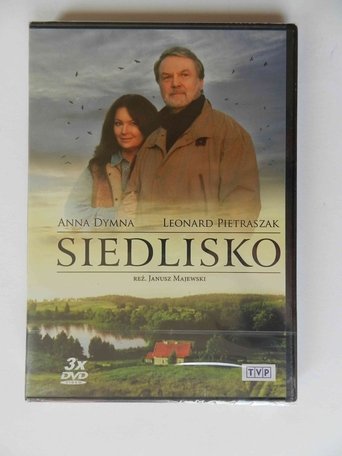
Marianna and her husband Krzysztof learn that they received a house in Masuria as part of their inheritance. The couple decide to sell the property because they prefer to stay in the city. However, when inspecting the property, they begin to notice some advantages of living in a peaceful place close to nature.
A radio reporter asks people, by chance, on the street, what was the most important day of their lives. The answers to this question constitute the leitmotif and content of the 9 individual feature films of the series.
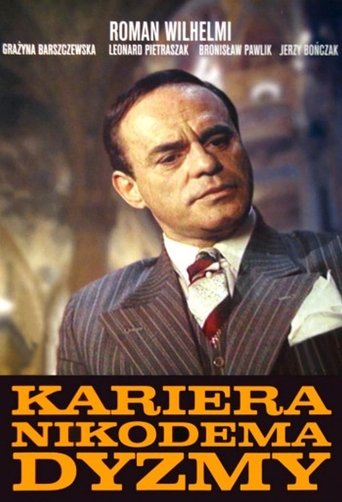
A stunning social and political career of an unemployed postal clerk in the realities of interwar Warsaw.
Darek Hadała loses everything - his wife leaves him, he is unemployed, and to make matters worse, his car is stolen. However, he does not break down and decides to start his own video company. He films weddings, communions and weddings. Thanks to this, he becomes a careful observer of the new Polish reality ...
The series presents the post-war fate of a group of friends who fought together in the Warsaw Uprising. The action covers twenty years and begins in the spring of 1945, shortly after the end of the war.
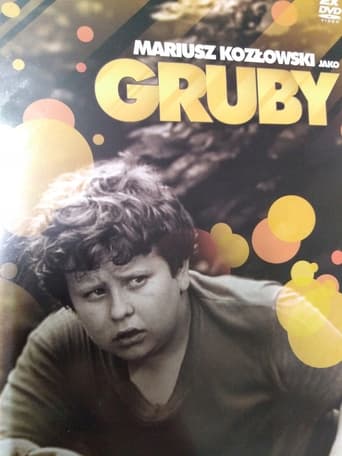
The heroes of the story are seventh-grade students who are just starting their studies in a newly opened school in a small town in the Recovered Territories, right after the end of the war. The difficult process of assimilation of the settlers who came to Lower Silesia in 1946, the echoes of the war: the subversive actions of Werwolf, the actions of the looters - constitute the background for the adventures taking place in the foreground.

The series tells the adventures of a Warsaw driver of the PKS transport base, taking courses in a Jelcz truck or an Autosan bus. Each of his trips to the field is a pretext to show other people and new matters of the contemporary Polish reality. A characteristic feature of each of the series' short stories is the presentation of various film genres - melodramatic and comedy themes are shown, the series also has the features of drama and crime fiction. The main character, Marianek, is an unlucky man and a loser in his affairs. At the same time, he is a dove-hearted man, sensitive to other people's misfortunes and harm, willing to help, even at his own expense. He is always ready to help others and solve their problems, although he is usually not very good at it. His favorite saying is "absolutely".
"Trzy młyny" is a television series based on the stories of Jarosław Iwaszkiewicz "Młyn nad Utrata" (1936), "Młyn nad Lutyniu" (1946) and "Młyn nad Kamienna" (1950). The action of the miniseries takes place from 1928 to the 1950s.
