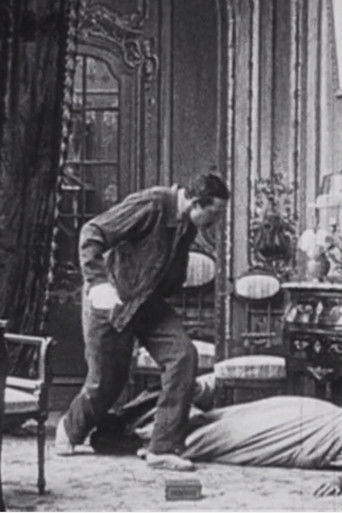
The Man with White Gloves 1908
M. Rasta, a high society con man, is accused of a crime he didn't commit.
M. Rasta, a high society con man, is accused of a crime he didn't commit.

The director Mario Gallo made the first film with an argument from Argentina, although the opinions of scholars are not coincident as to their temporal order.
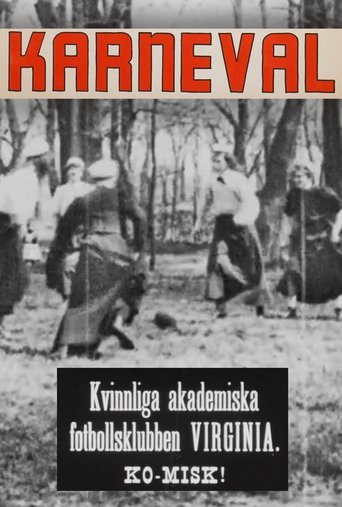
“Kvinnliga akademiska fotbollsklubben Virginia: Ko-misk!” is one of five films (three of which are now lost) that were made by students at the University of Lund, Sweden, as a part of their 1908 carnival. The film is a parody of female students engaging in sports.
For the benefit of those who are not fortunate enough to travel and enjoy the beauties and customs of different countries, a film of this kind is an innovation, for it takes us on a boat down the beautiful Imperial Canal of China. If we were there in reality it could not be much more enjoyable than this picture, which favors us with a wonderful view of the famous wall of China as it stands to-day in a stage of decay, a monument to a famous fanatical nation.
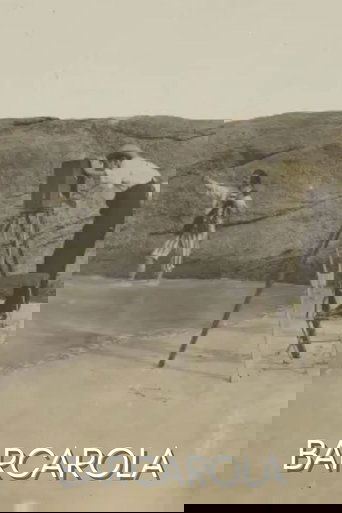
Barcarola is a 1908 Brazilian film directed by Júlio Ferrez. It was the first "sound" film in Brazil, that is, with actors dubbing themselves live, behind the screen, based on already recorded images. Premiered on September 1, 1908. It was produced by the company William e Cia. The film was inspired by the operetta "Les contes d'Hoffmann", by composer and cellist Jacques Offenbach. The film's synopsis is unknown, but given the name, which references the song "Barcarolle", it is very likely that it is inspired by the third act of Les contes d'Hoffmann. Like many films from this era, Barcarola is considered a lost film, with only one surviving image, taken during the film's production.
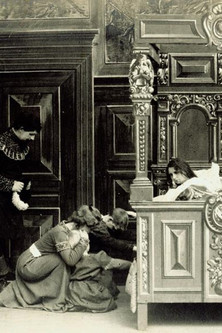
When his wife dies, knight Svend Dyring gets married to noble Mrs. Guldborg. Little does the good knight know that Mrs. Guldborg is in fact pure evil, and that she and her daughter Ragnhild torment the knight’s children when he’s not home. One day, when Svend Dyring is injured in a hunting accident, the eldest daughter Regitze takes upon herself to take care of her father. Mrs. Guldborg looks on in envy, while the relationship between the father and his daughter is strengthened. She’s secretly planning how to get the daughter off the scene. (stumfilm.dk)
Short reportage
1908 French silent comedy film directed by Georges Méliès, which is currently presumed lost.
A band of musicians stage a fake murder as a practical joke for their grumpy, curious neighbor.

Created by the young but obviously ambitious French production company Lux Film, founded just two years before by pioneer Henri Joly. The film was released in the United States with the title Love and Fortune, in a version which sought to mellow the character of the male protagonist, at least judging by the synopses in the period press: the American Ascanio was always in love with Graziella, and he only lets himself think of wealth in his dreams.
Alexander Girardi sings the cabbage song
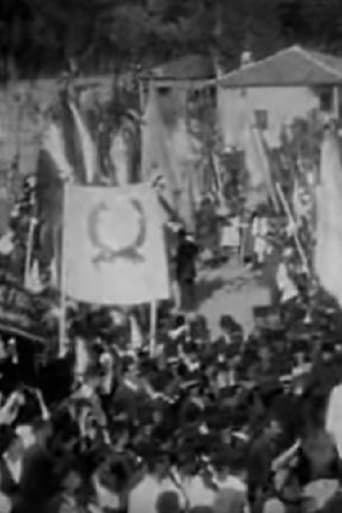
Early Balkan footage.
A workers meeting with folks showing the popular attires of the time.
The King has the archbishop murdered, then repents.
Funeral Pomps of Admirals Saldanha and Barroso; tribute from the Brazilian Navy. Views "of the Avenue, full of people"; "army and armada officers, ladies, etc."
1908 French short silent film by Georges Méliès, which is currently presumed lost. Though the plot of the film is unknown, it may have been built around a parody of the famous illusionist Buatier de Kolta, whose name is parodied in the film's title.
A fraudster is at work in his laboratory, where he pretends to make synthetic diamonds.

