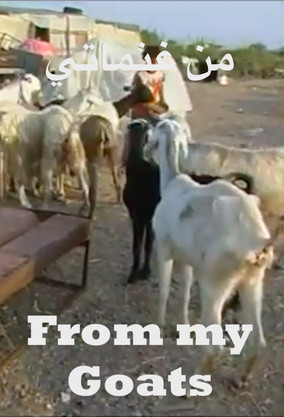
From my goats 2009
A palestinian shepherd takes care of his goats.
A palestinian shepherd takes care of his goats.

In old Acre, Saeed dreams of finishing his first film, 15 years after injuring his lead actress on set.
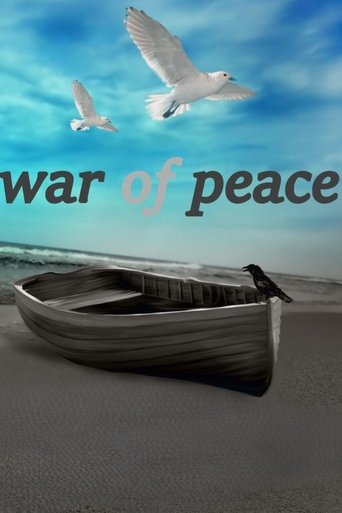
This film is about the suffering of Sahrawi youth in the occupied Western Sahara. It tells the tragic story of their lives under occupation, and how Moroccan authorities push them to risk their lives and leave their homeland on flimsy boats to flee from a life of repression, fulfilling Morocco's goal of emptying the territory of youth, who are the foundations of society.
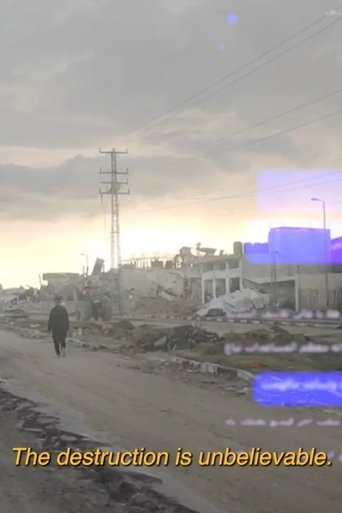
“GAZA.MP4” is a meditation on the mundanity of hope in the aftermath of the war on Gaza post-7th October 2023. The video portrays scenes of daily life in Gaza through the lens of a disrupted communication between two friends, Diaa and Mohannad. Diaa requests filmmaker Mohannad to use his phone to capture raw visual materials during his displacement journey from Gaza, Khan Yunis, and Rafah since October. Mohammad’s compliance cements a bond forged during their student days and addresses the phenomenon of data clouding and transferring through alternative channels like Telegram. Using the chat window as a visual element to evoke a sense of our modern anxiety and the relentless pace induced by ADHD, the footage is received and processed by Diaa.
Assassin Version DZ
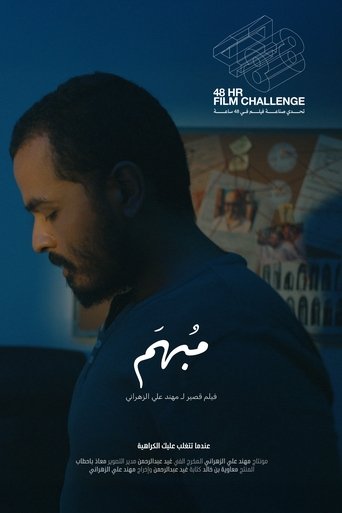
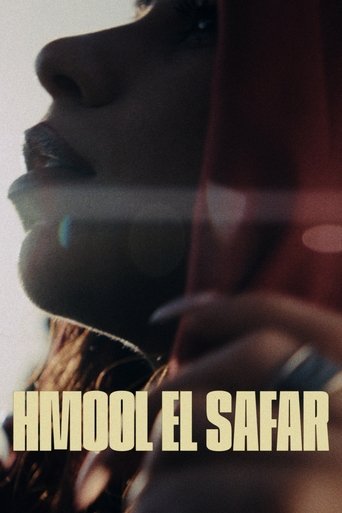
MUSIC VIDEO FOR KAZDOURA
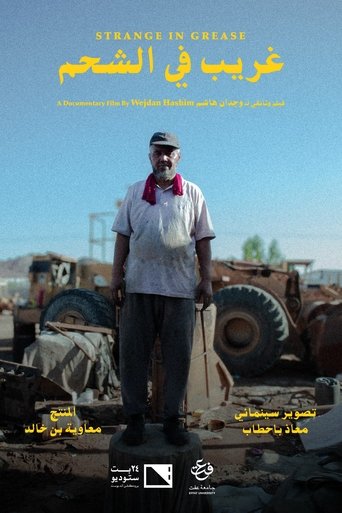
Atef, a heavy equipment repair technician, excels with his passion and attention to detail, inspiring others to follow their passion.
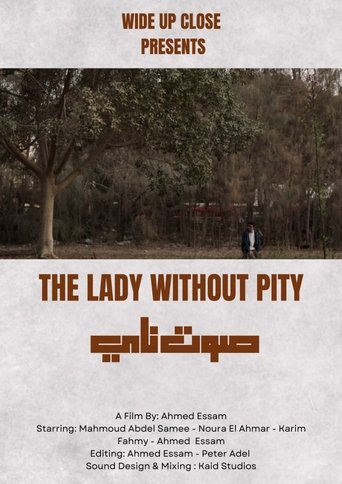
Basem goes to a garden to wait for his friends. He falls asleep and a flute sound wakes him up, leading him to encounter a mysterious girl in the garden.
The war of 1948 changed the lives of the Palestinian inhabitants of Jerusalem forever. 'My Jerusalem' is the story of how they were living, what it was like to go to school there, what they played in the 'hara' or playgrounds. The story is told by the people who were born and grew up there before 1948. They then talk us through the war that forced them to leave their homes and lives forever.
This documentary is a collection of stories told by Palestinians about their childhood memories of life in Safad until 1948. Several former Palestinian natives of Safad interviewed by the director describe their forced exodus from the city in the 1948 Nakba.
Jaffa, the city of oranges, was the home of many Arab families for centuries until it was all taken over in 1948. 'My Jaffa' is the story told by some if those families about the lives they led in Jaffa before 1948. They tell us what it was like to grow up by the sea and what it was like to be a part of the booming Jaffa orange industry. This is their personal journey from living in their homes, going to school then overnight having to run away and escape.
The war of 1948 changed the lives of Palestinians forever. My Palestine is the story of how they were living, what it was like to go to school there, what they played in the 'hara' or playgrounds. The story is told by the people who were born and grew up there before 1948. They then talk us through the war that forced them to leave their homes and lives forever. It commemorates the 70th anniversary of the Nakba and its impact on those who lived through it.
A short film by Milena Galizzi about water control in the West Bank. Made in Palestine.
As a Palestinian living in diaspora in one of the Lofoten islands in northern Norway, we lived as Palestinians under greater adversities, and under periods of curfew and block-ade that was imposed on us which were harsher than those the world is now living. The pandemic has become a real accumulation of events that we have witnessed over the past years, and the real pandemic that we are living under occupation.
This film is a product of questions and comparisons that have matured in the director's imagination through his follow-up to the safety and quarantine regulations used in the world to reduce the number of infections, hence this film is a way to highlight the racist isolation measures that the Israeli occupation is practicing against the Palestinians, as if they were a virus that they supposed to kill and isolate away from the world. It’s named (COVID-1948) in order to draw the world's attention to our decades-old suffering.
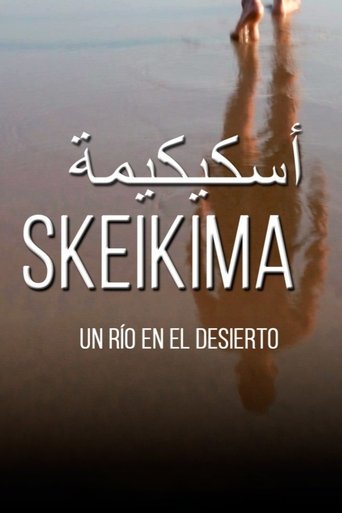
How would you claim your identity in a hostile land? How could you live under harassment and repression? How would you make your voice break through the walls of silence? Sahrawi young people living at the Occupied Territories (O.T) are required to study at the occupying country. But a river resonates all over the desert...
The political strategy of manipulating photographs or paintings by removing certain elements or persons has been employed repeatedly throughout history by those in positions of power in order to adjust the historical narrative as it suited them and their idea of the “one truth”. Drawing on the same photograph from 1985, this film precisely examines this ability of photographic images to (de)construct a visual canon and therefore affect memory. The work poses the question: what kind of information can a picture reveal about the past, and what (or who) does it conceal?
Based on a narrative that is written in parallel with several visits to different zoos and zoologies in Palestine, Switzerland and Egypt. The film is under a larger umbrella that contains different works that range between video, video installation, novel and performance, in which each of these episodes deal with the concept of the museum from a different perspective. The projected video deals with the construction of the zoo and its historical relation to the museum, and the relation between museums and cemeteries. Where the three of these components are related to the discipline of history and uses a similar aesthetics in the display of the history representation.
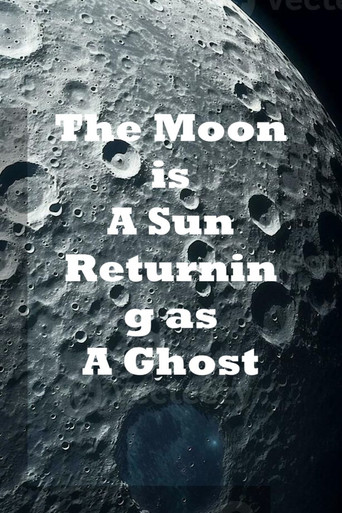
The video is based on a research that follows cases of seventeen exhibitions by Palestinian artists, each contained different artworks and exhibited in different countries around the world, the 17 exhibitions are considered missing today due to the challenges caused by the Israeli government associated with returning the artworks to Palestine. The Moon is a Sun Returning as a Ghost follows one of these cases, an exhibition that took place in 2005 in the swiss town of Martigny, the works could not be returned to the artists and were instead moved from a country to another and from one storage facility to another.
