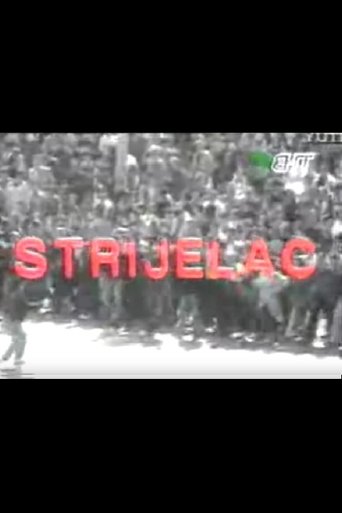
The Shooter 1998
A drama set in a war-torn Sarajevo.
A drama set in a war-torn Sarajevo.
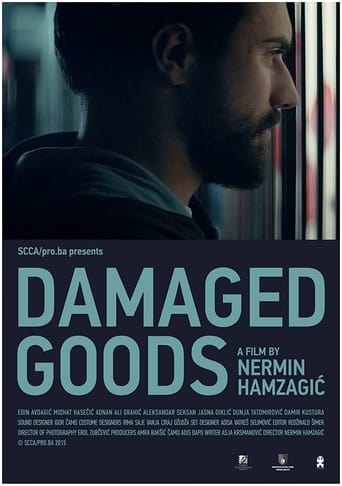
Tarik lives alone and works in the warehouse of a supermarket. He's lonely and kills time hanging around with two colleagues. New worker comes to the small shop next to the supermarket. Tarik likes her and secretly starts to draw on the glass of the shop, hidden by the night, away from the prying eyes of society in which any kind of emotion is a sign of weakness.
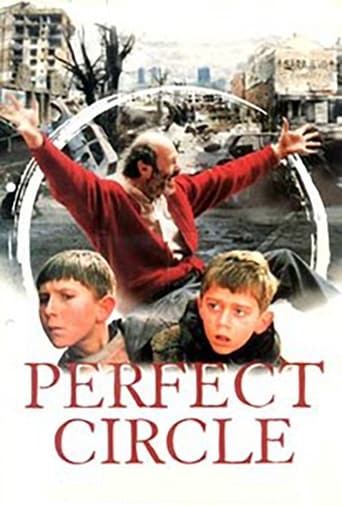
An alcoholic Bosnian poet sends his wife and daughter away from Sarajevo so they can avoid the troubles there. However, he is soon descended upon by a pair of orphaned brothers. The brothers have escaped a massacre in their own village and have come to the Bosnian capital in search of a long lost Aunt. The poet befriends the boys and together they try to survive the horror of the siege of Sarajevo.
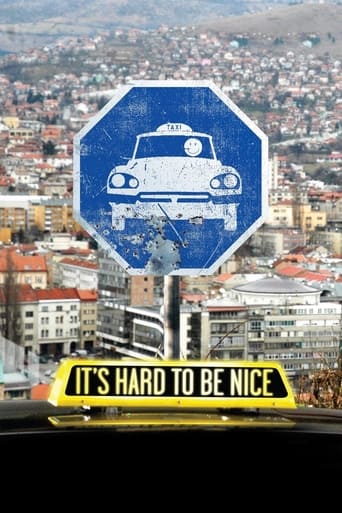
Story about a forty-something Sarajevo taxi driver named Fudo (Saša Petrović) who decides to take control of his own destiny. Fudo doesn't earn much, so he supplements his income by offering tips to the local criminal syndicate and turning a blind eye to their nefarious dealings. One day, after offering a particularly bad bit of advice to a violent gangster, Fudo is badly beaten. When Fudo's wife Azra (Daria Lorenci) discovers what has happened, she decides to take the couple's infant son and move out. Now determined to win his wife back and restore peace in the home, Fudo decides to go straight. But cleaning up his act isn't going to be easy, because after borrowing enough cash from black market dealer Sejo (Emir Hadžihafizbegović) to purchase a van and then refusing to aid him in any underhanded dealings, the only person willing to cut him any slack is the sympathetic Azra.
Ena, a 10 year old girl, who lives with her young mother and grandmother, has a constant urge to eat something sweet, and she never actually gets to eat some, by the end of the day ending up having a different “culinary”experience with her friend Ado who is in the eve of moving to Frankfurt.

The plot revolves around a wedding party from Pavlikeni, a town in Bulgaria, heading to Sofia. The leader, Karaatanov, convinces the theater director to allow the party to stay during a performance, leading to a series of chaotic events.
A young boy plays an accordion in a shopping mall. Béla Tarr picks up the camera one more time to shoot his very last scene. It is his anger about how refugees are treated in Europe, and especially in Hungary, that drove him to make a statement.
A man earns his first paycheck by driving his motorcycle, for the pleasure of rich people, through a mine field in Bosnia.
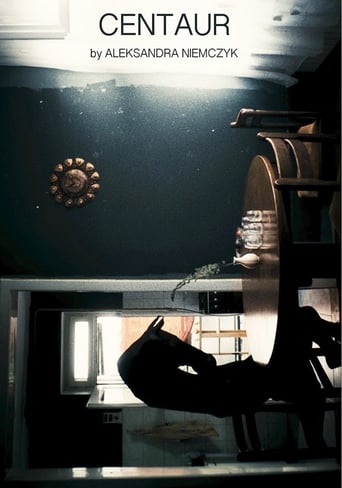
Partly paralysed by polio, Vlado is stuck in his flat and unable to take care of himself. His younger wife, Alma, helps Vlado with love and tenderness in all his daily life activities, never giving up hope that he will get better. But Vlado feels weak and humiliated, losing the motivation to exercise or take medicine. In spite of the love and intimacy between the couple, Vlado’s self-loathing causes him to reject Alma. Haunted by visions of a half-man/half-horse, Alma considers alternative ways to solve their situation. The Centaur appears in a dream and gets closer and closer to their reality, pushing events towards an extreme conclusion. Vlado decides to end his misery, to bury the dead part of his body and wait for a miracle. Alma’s love is challenged but she executes the simple ceremony with dedication. By dawn, the magic happens.
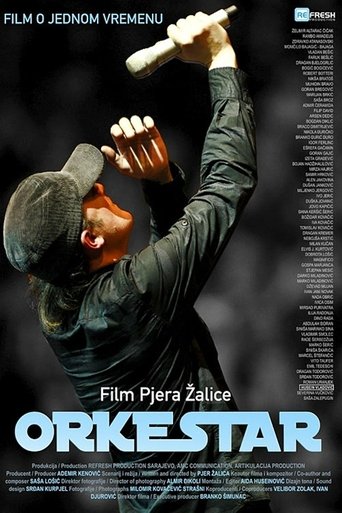
Story about Plavi orkestar (Blue Orchestra), a pop band from Sarajevo who were one of the biggest pop sensations in the 1980s Yugoslavia.
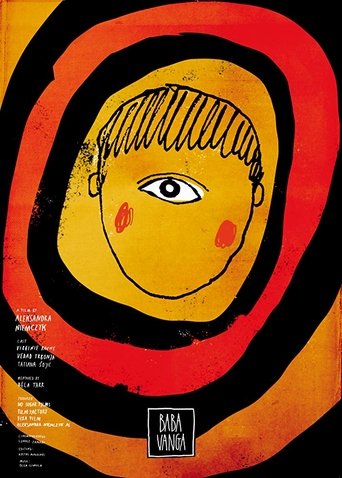
Memories of the life and visions of the Balkan prophet Baba Vanga, who was predicted the future of human kind and the world up to its end in the year 5079. Baba Vanga, as an older woman, tells how she lost her sight but "began to see". Following an accident, ghosts of dead people came to her to reveal what would happen to the world. Some of her predictions actually happened, some didn't, and for many predictions time will show.
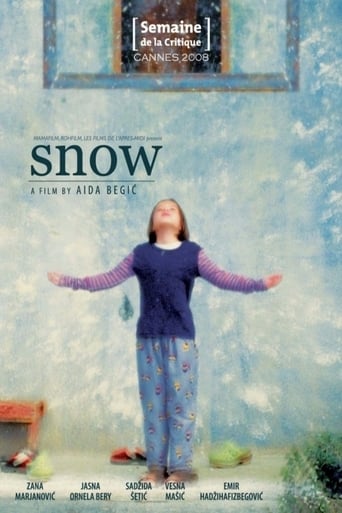
The daily hardships of a war-scarred Bosnian village, where all that remains are widows and orphans, are painstakingly documented in this first feature from director Aida Begic. Snow offers insight about the psychological aftereffects of the 1992-95 civil war from a distinctively female point of view without showing any of the brutality or carnage.

A man, old, decrepit, terrified, in a house with his friend Goran. Outside he wanders aimlessly, seeing enemies in both neighbours and foreigners. Ena, a journalist, arrives in the village, to film a story on heritage guardians. Through her camera lens she discovers a strange Man, secretly watching. His „hiding place“ has been exposed. Ilness and reality clash. In the house a threat appears, a wartime lover, with the message that the devil has come to collect his due. A stormy night and fateful encounters. To run or to fight and face it all? And return?
Sarajevo on 28 of June, 2014. At the Hotel Europa, the best hotel in town, the manager Omer prepares to welcome a delegation of diplomatic VIPs. On the centenary of the assassination that is considered to have led to World War I, an appeal for peace and understanding is supposed to start from here. But the hotel staff have other worries: having not been paid for months, they are planning to go on strike. Hatidza from the hotel laundry is elected strike leader even though her daughter Lamija, who works in reception, is firmly against industrial action. Meanwhile, in the sealed-off presidential suite, a guest from France rehearses a speech. Elsewhere, a television reporter conducts interviews about war and its consequences. Was Gavrilo Princip, the 1914 assassin, a criminal or a national hero? What long shadow does his deed cast into the present?
Tica (Birdy) a war orphan arrives to Sarajevo with his newborn daughter urgently needing surgical procedure. Facing his new appalling reality, Tica embarks into the night where demons of the past are always ready.
Senada is 31 and she lives in Poljice neighborhood in Lukavac municipality with her partner and two daughters. She is pregnant with her third child for approximately five months. Since she didn’t have health insurance, she does not go to the doctor’s. When she started bleeding, she goes to the hospital. The doctor told Senada that she needs an emergency surgery and she needs to pay 500 EUR. Without a health insurance card and without money, Senada returns home.
It is the third year of the war and Sarajevo people are tired and nervous. A ceasefire has been announced. In a building with six apartments, a young couple is waiting for a renovation. The whole neighborhood is excitedly waiting for the birth of a new baby. Roma play and sing under windows.

Stigme deals with the universal subject of ideological stigmatization. The film is set in western Herzegovina, in the turbulent period after the Second World War. It talks about the devastation in a traditional environment left by ideological confrontations, which culminates during a tobacco journey. The main character of the film is Dragan, the son of an ex-Yugoslav security-intelligence organization officer Mile (who ends up in prison). Dragan is forced to go on a tobacco journey with a group of tobacco smugglers, believing that none of the smugglers know his true identity.
Snorty a rehabilitated outsider tries to find a place for himself in a society in transition. All his past sins will come to haunt him and show him that personal transformation is impossible.
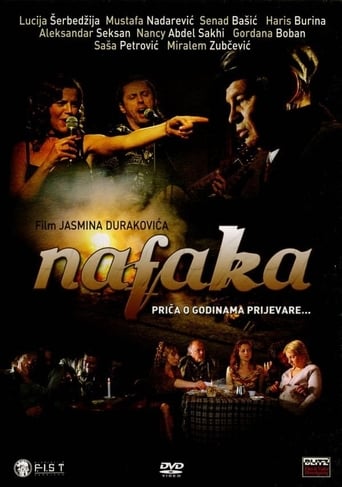
Sarajevo, 1992. They are called Ahmed, Lana, Sado, Saba, Sahbey, Beba, Nemanja, Marx, Matan. They live in and between wartimes. They have "nafaka", the destiny which was bestowed on them by God Almighty. They have enough gallows humor and courage to believe in freedom and happiness.