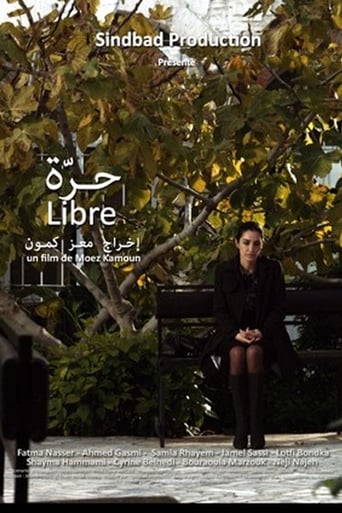
Horra 2015
Between his fiancee and his passion for a married woman, Karim's vision of life will be transformed.
Between his fiancee and his passion for a married woman, Karim's vision of life will be transformed.
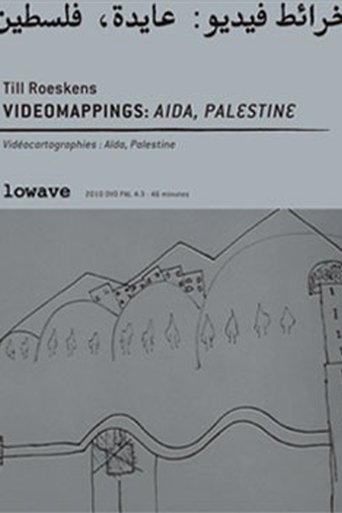
Somewhere, amid a tangle of borders, a refugee camp. People trapped in a situation that becomes more absurd every day, trying to live a human existence. We don't see their faces. We don't see the places they talk about. However, we are drawn very close to their intimate experience of the world as we follow, line by line, the maps they are drawing to represent the complexity of the spaces around them.
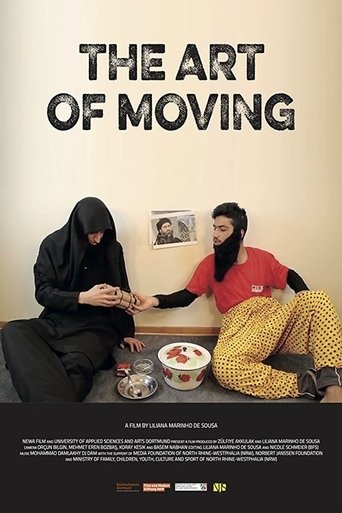
Daya Al-Taseh is an anti-IS satirical web series created by a group of Syrian video activists. They produce the episodes from their base in Gaziantep, Turkey. After receiving threats from IS supporters they leave to Istanbul with the aim to broadcast an improved topical-comedy show for Syrian TV. But obstacles keep arising in an already unstable situation, pressuring the group’s work and friendships. They are forced to make decisions about the future of their activism and the possibility of stable life in Istanbul, or elsewhere.
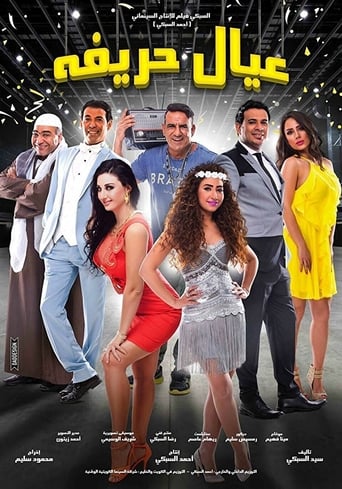
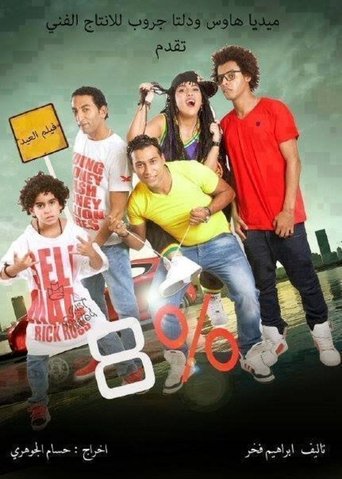
He works as a football coach at Dokki Sports Club but does not succeed in making any significant achievements in his career, which makes Habashi not agree to marry his daughter Osha (Bossi), but he has a last chance .
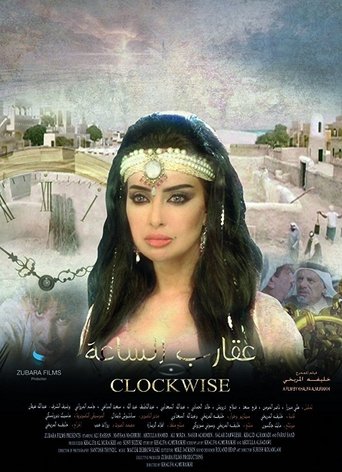
Thanks to the magical powers of an antique pocket watch, Saad relives a mysterious episode of his youth – a time during the 1930s when he nearly lost his father, but also found the love of his life. In recalling this period, ‘Clockwise’ relates the folktale of how fijiri, the entrancing music of Khaleeji pearl divers, came to be. Atique adopts Saad when they are the lone survivors of a tragic boat wreck, and the two lead a humble life in a village by the sea. One night, Atique happens upon a group of jinn as he seeks out the source of an enchanting melody in a nearby ruin; their leader, Adsaan, agrees to teach Atique this fijiri music, but only if he vows not to share it with anyone else. Adsaan’s one condition proves very challenging to Atique, who becomes eager to celebrate the art of fijiri with a wider audience. Saad, meanwhile, falls in love with Jeena, a renegade jinni who, as it turns out, just might hold the key to his father’s salvation.
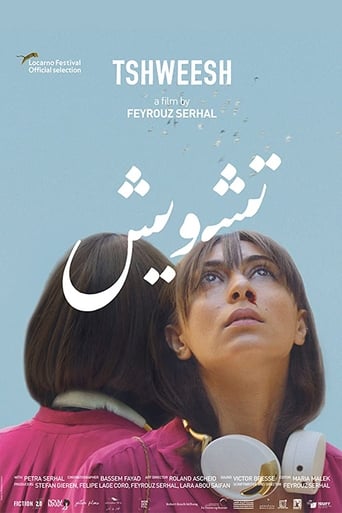
Day one of the FIFA World Cup. The residents of Beirut have eagerly anticipated the big event, but for some reason the telecast is interrupted by strange audio waves. Soon they realize that an Israeli attack is in progress, but instead of running away and hiding, they rush to their rooftops where they can witness a much bigger live event.

A parable on the Syrian present by mixing footage of the protests in Syria and a circus performance that involves a lion and goes awry with a nod to Fellini’s cinema.
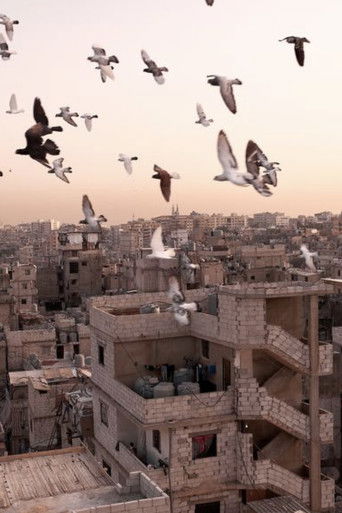
To transport a newly purchased sofa to your home is an easy task. In a Palestinian refugee camp in Lebanon, this task becomes a Sisyphean journey revealing the complexities and absurdities of everyday life in the Shatila camp in Lebanon.
In a working class suburb of Cairo, Egypt, where lives are intertwined and everybody knows each other's business, thirteen year old Fingo wants to hang lights in his street for Ramadan. Many in his neighborhood try to dissuade him, or say it's not possible. This makes him more determined, but he only has two days, and the obstacles he faces seem insurmountable.
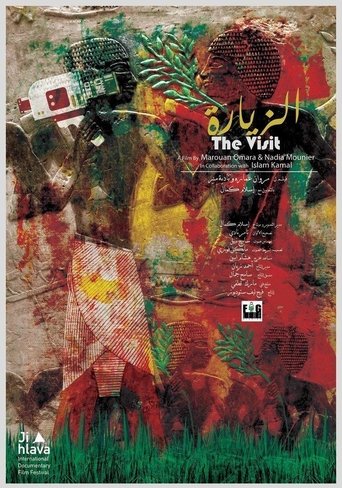
As a World Bank team visits an Egyptian village to investigate the transformation in agricultural management system, a TV presenter prepares a couple of episodes on the life of village women and a group of students visit a museum in Cairo with artificial figures that are supposed to resemble the life of Egyptian farmer.
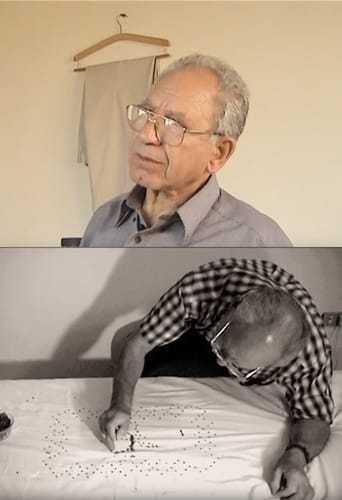
'Ibn al-'Amm' shed light on the eighteen years Riyad al-Turk spent as a political prisoner under Hafez al-Assad, before his son Bashar al-Assad imprisoned him for two years at the beginning of his reign.
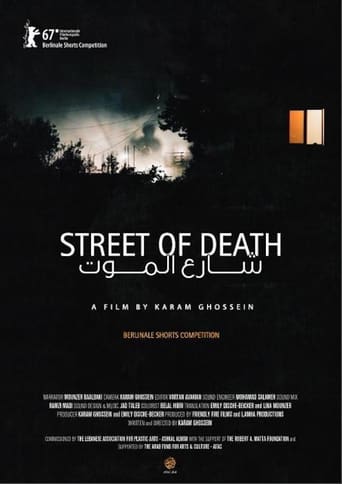
On the outskirts of the city, right by the water, lies an arterial road that leads to Beirut’s international airport. Most of the houses standing there are illegal constructions, quickly erected for a life alongside the road. Karam Ghossein, who also works as a cameraman for other video artists from Lebanon, combines pictures from a commissioned production he shot on the occasion of a friend’s wedding in 2004 with street impressions from the present day. Past events can’t be told apart from the observations of today: a kaleidoscope of stories that take place on this highway.
On the day of her wedding, a young girl hides from her family. The preparations and celebration, however, continue without her. The film depicts the conflict and anguish of women who face unwanted arranged marriages.
A young man is shunned by his friends after he starts an affair with a dancer.
A son pieces together his father’s revolutionary past from the diary he’s found, painting a portrait of fathers and sons who were revolutionaries during the 1970s. Most interestingly, the film sheds light on the contrast between the lives of men who ached to change the world vs the men who now seek to just get by.
The making of the play by Zeina Daccache featuring the mentally ill patients from the "Dar Es Salib" hospital.
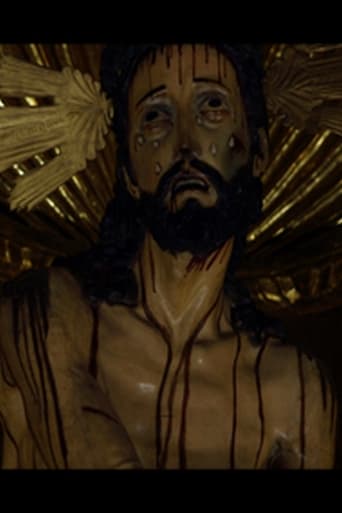
Two stories expose the ways in which medicine, law and religion shape discourses of the gendered body: Martina’s, who lived in Colombia in the 19th century and was prosecuted for being a hermaphrodite, and Nour’s, who lived in Beirut during the Ottoman Empire and was forced to marry to her female lover’s brother.
