
Populär Vun Romania
Bloodshed Day 1985
An animation about the Bucharest Printers' Strike that took place in December 1918.
Hidalgo 1975
Mimetism 1967
La cireșe 1989
The Statue 1983
A man orders a statue.
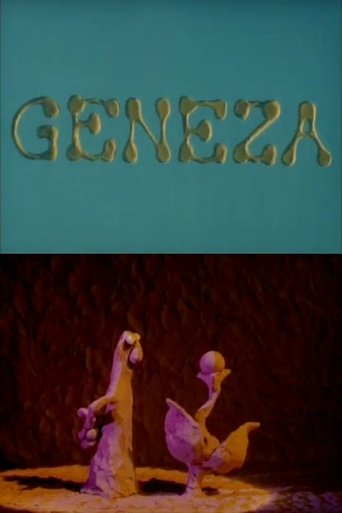
Genesis 1975
A modern parable about the man who learns to build walls and houses.
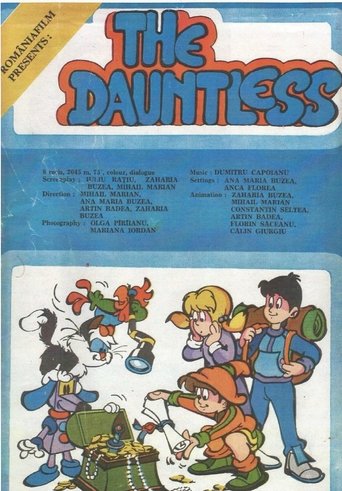
The Dauntless from the Second Storey 1988
Nela, Vic, Bogdănel and Mihai go through a series of adventures with the innocence of childhood.
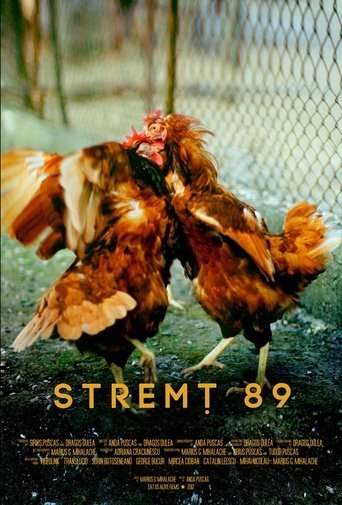
Stremt 89 2012
The road through Stremt ends in a mountain wall. Still, in 1989 people were eagerly awaiting army tanks, terrorists and glory. Today, though partly forgotten, partly imagined, the past is crystal clear.
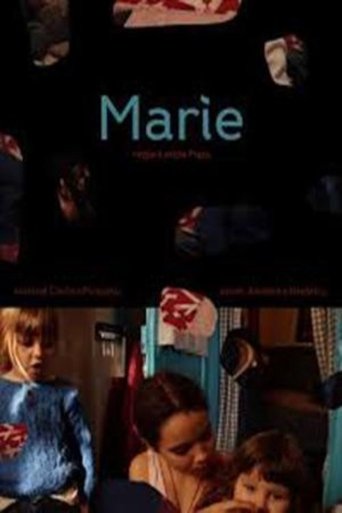
Marie 2018
The director’s observational camera enters the home of a family living in a village in the Danube Delta, where the birth of another girl arouses more tension stemming from the uneasy life of the extended family. In her short film, the director thematises a conflict between generations of three women reliant on each other, while Maria, a ten-year-old girl who has to take care of her younger sisters, comes into focus. In the timelessness of traditional rural relationships, shown in a slow pace of everyday life, Maria’s childlike innocence is exposed to harsh orders of her grandmother who requires respect and proper conduct.
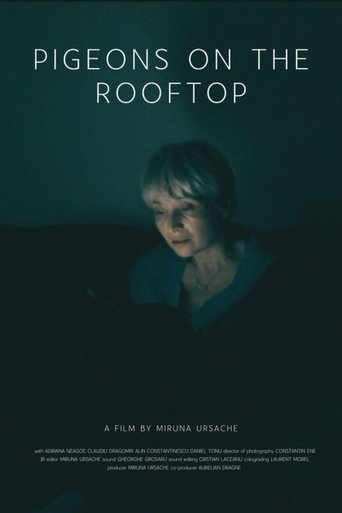
Pigeons on the Rooftop 2024
In a quiet Bucharest suburb, Edith and Stan lead an unremarkable life – until Spiridon, the building handyman, stirs their routine with a startling revelation: their new neighbor, Anilov, breeds pigeons that are not what they seem. As Edith, a fervent believer in conspiracy theories, becomes increasingly obsessed, her imagination spirals out of control, blurring the lines between reality and paranoia. Meanwhile, Stan, a man of reason, struggles to anchor her in logic, navigating the growing conflict between belief and skepticism.
Woman, You'll Burn in Hell 1970
Video performance by the interdisciplinary Romanian transgender artist Elvisey Pisică, addressing mental health and LGBT issues from a personal standpoint.
Who Is to Blame? 1965
Like Márta Mészáros, Florica Holban experienced losing her parents and institutionalization first-hand as a young child, which later triggered her long-term interest in the lives of the children growing up in state care. Holban’s Who Is to Blame? has something else in common with Mészáros’s Let All the Children Smile: they both include sequences filmed at the same orphanage in Bucharest (Orphanage No. 6)—Mészáros in the mid-50s, Holban a decade later. The two films also share a certain discretion regarding the role of the State, which assumed parental responsibility for children abandoned or separated from their parents. Here, both directors allow, albeit only briefly, the lonely and deprived children to appear as individuals with their own histories and traumas. Unlike Mészáros, however, Holban approaches her topic through a judicial lens: numerous sequences from her film were shot at the Tribunal, and the film credits a prosecutor as a consultant.

Rama Albastră 1970
Te Salută Chișinău 2022
Guguta's Gift 1979
Craiova Viewed from a Cart 1974
Travelogue of Craiova, a (then-)small town in southwestern Romania.
Remember 1973
The gradual opening-up of Romania during the 1960s continued with the reorganisation, in 1972, of the national strategy for culture and tourism promotion, and the establishment, as part of the new Council for Culture and Socialist Education (CCES), of a special commission in charge of the national strategy for incoming foreign tourists. It was in this context that the National Tourrism Office (ONT) strategically commissioned, via its media arm Publiturism, a series of films meant to persuade various communities from the Romanian diaspora to spend their holidays – and their money – “back home” in Romania.
