
The Moon Suits You Very Well 2017
Aicha, a little girl mixed between her dream and her daily life.
Aicha, a little girl mixed between her dream and her daily life.
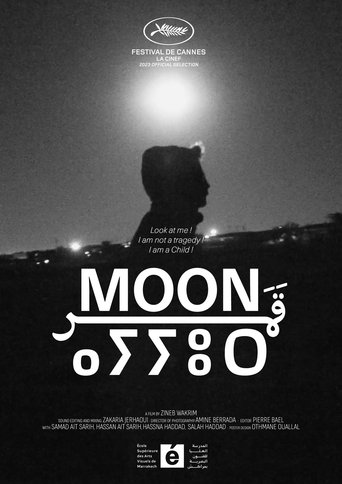
Hasna and Samad, 14 years old. Art and painting help them to resist and catch the light in the middle of the darkness.
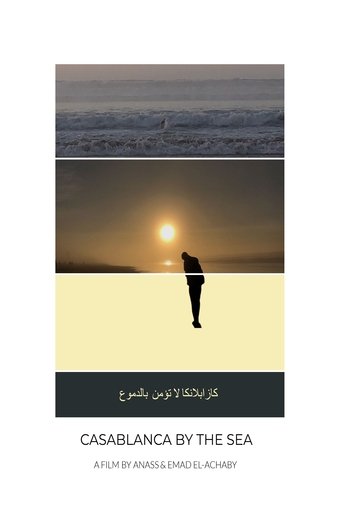
A deep journey into a Anass through the beach of Casablanca
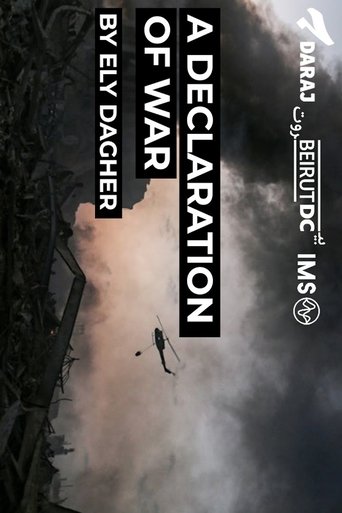
The explosion was instantaneous, but its destructive energy never faded. Energy does not disappear or disappear, but rather moves from one thing to another. dispersed within us; To turn into anger, pain, hope and despair. But every morning, the light screams at us to get out of bed as the days go by. The explosion left an open wound... where will all of its energy go?
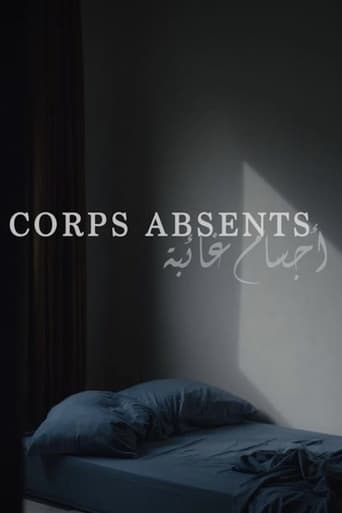
N returns to his city of Beirut after years of absence but remains invisible to his loved ones, who can only feel his presence. Listening to a series of confessions recorded by his lover, he contemplates the lives of others without him. N wanders between dream, reality and fantasy in his city.
A documentary tale about the fate of a small Palestinian village, saved from destruction in 1949 thanks to the cunning of a handful of inhabitants.
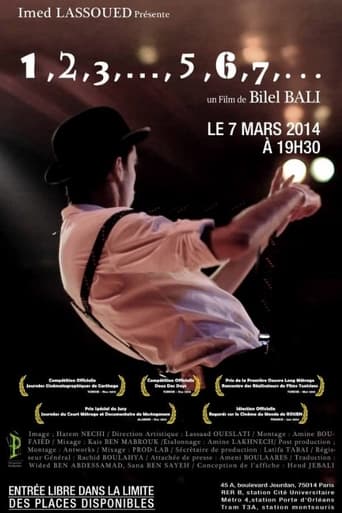
Meets the small community of Tunisian Salsa dancers in the spotlight. They tell their Salsa experience and their addiction to this dance. For some of them, like Faten, 26, Salsa was even a catharsis during a painful divorce trial.

Feten, a young extra for film and television is talented as an actress. She wants at all costs, despite the codes imposed by her little brother, to live her passion. Neighbors also have a say.
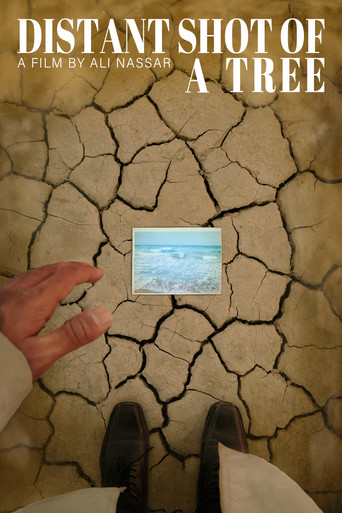
A young man driven by a distant lover to return to his roots, searching for answers to his inner conflicts
AY9ONA, following in the footsteps of an icon of Moroccan rap. From the heights of Ahouli to the Marrakech studio, Laklila set out to meet L'Morphine and Mehdi, two facets of an authentic and timeless artist. In short, a legend who left his mark on the national scene for 16 years. Rappers Small X, Nessyou, Raid, and Hamza 15-3 attest to this.
The first Egyptian documentary.
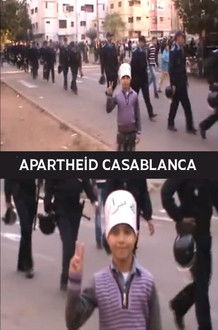
Apartheid Casablanca is an essay film made over 48 hours in reaction to a film advertising Casablanca. Nadir Bouhmouch is a radical Moroccan filmmaker whose films evoke the strength of poetic resistance and other forms of militant strategies deployed in workers’ struggles in Morocco. This cinematographic collage extends and is in dialogue with the experiments of Santiago Alvarez.
Nadia, a 5-year-old girl, lives in the slums of Casablanca, surrounded by a wall that separates it from the rest of the city. One day, Nadia notices an unusual activity around the wall. Municipality workers deploy their tools and start painting the wall. Why is this sudden interest in the wall?
Learning of her lover’s illness, Moufida, a young woman from a village in eastern Algeria, decides to go and see him in Algiers by crossing the country on a moped. She finds herself confronted with the author of her story. A discussion between the two begins generating some tension.
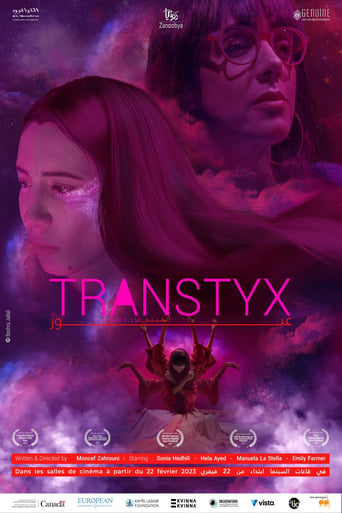
TranStyX tells the story of the life of Tina, a trans woman, from her birth on January 14, 2011, in Tunis to her coma in London at the age of 27 on the operating table during gender reassignment surgery. Tina falls into a near-death experience and meets her guardian angel Stella who teaches her to detach herself from her previous life, reveals to her the secrets of human existence, rewinds the film of her tumultuous life as a transgender, and eventually submits her to the last judgment.
A couple escapes their financial problems and decides to make a living on love and fresh water.
Amer and Jobran, two masons working on a construction site in the capital, are preparing to receive the promoter of the building on which they have been working for several months. How to welcome their new boss with dignity and give a good image of their work? Following the advice of the elders, they decide to prepare him, as is the Tunisian tradition of their corporation, an excellent red tea. But will Mr. Amry really appreciate this tea?
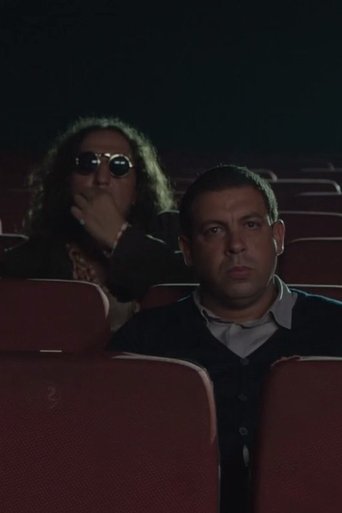
Bassem, a cinephile, is happy to attend the screening of the film Bamako as part of the 2006 Carthage Film Festival. The screening starts and Bassem discovers that the reels of the film are reversed: the film starts in the middle. No one seems to pay attention to it.
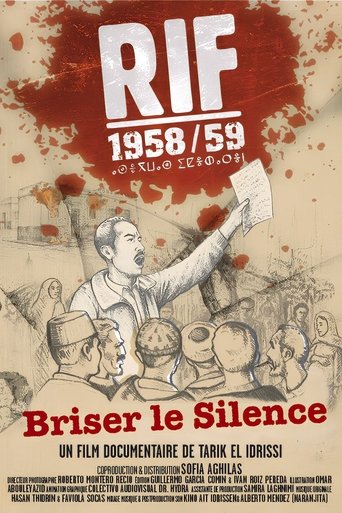
From 1958 to 1959, the inhabitants of the Rifian provinces suffered fierce repression in response to their uprising against their economic and social situation. In their eyes, the central power has destroyed their political, social and economic structure. Fear has been installed for more than 50 years and creates a real taboo around the subject.
