
The History of Cycling 2020
The response of the director Karpo Godina and poet Boris A. Novak to the manipulations of the government and the party machinery that bicycles were a means of Nazi and fascist propaganda.
The response of the director Karpo Godina and poet Boris A. Novak to the manipulations of the government and the party machinery that bicycles were a means of Nazi and fascist propaganda.

In 1926 Vida, a simple, young Slovenian woman leaves fascist Italy due of poverty. She emigrates as a wet nurse to Alexandria in Egypt to support her family. Her poor peasant existences changes to a life in luxury.

TV film about the legendary Ljubljana bar Šumi.
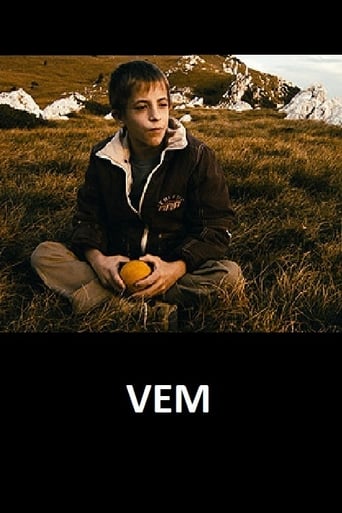
In a basement, a man built his masterpiece ...
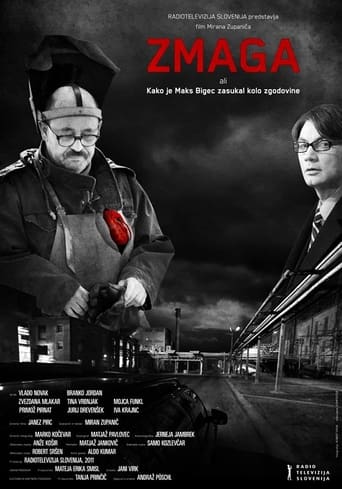
Worker Maks Bigec decides to take things in his own hands when he hears that his factory will be closed. He takes the factory director as a hostage and demands that the state should reopen the factory.

As every other small nation, the Slovenians are proud of what they are. Of course, they love, too. Presenting how this is done in their country under the Alps.
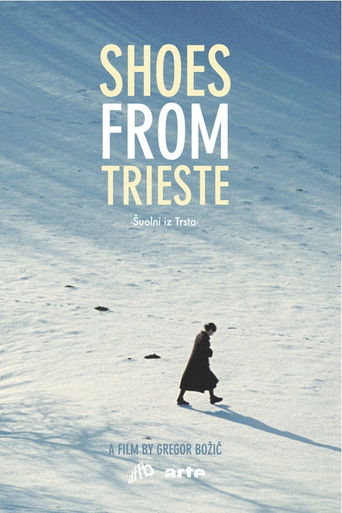
A fleeting memory of an old woman looking back at her youth brings about a moment of elegance in times of the after-war misery.
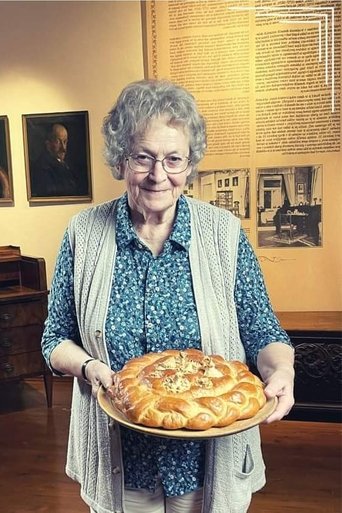
The history of Christmas Bread making.
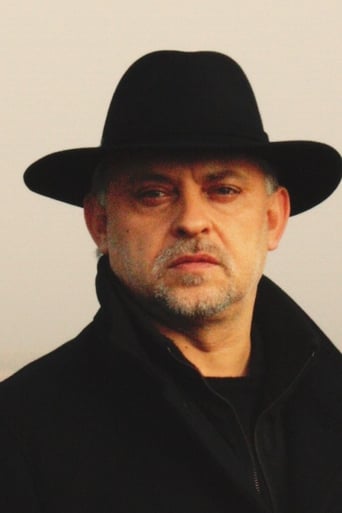
The documentary about Feri Lainšček, one of the most prolific and highly acclaimed Slovenian writers and poets, foregrounds the essence of his creativity shaped up by his commitment to love, the Pannonian landscape with the River Mura, friendship with the Roma people, the blending of the magical world and reality, and the ongoing search for answers to the most fundamental questions of life. In the film, sections of his life are juxtaposed with his poems about demons.
David, a young man in his early 20s, escapes the mundanity in search of something bigger. His goal is to sail around the world in a stolen boat.
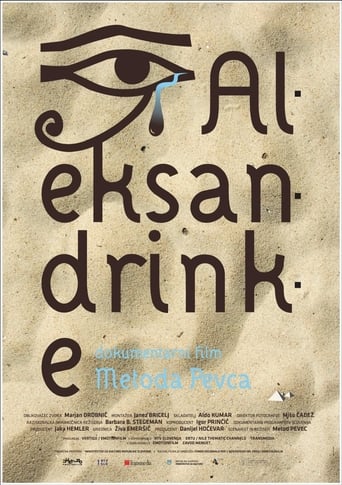
Young mothers and sometimes also their daughters have vastly travelled from Vipavska valley to Egypt in 20th century. Their families were poor and needed money. So they went to Alexandria and worked as wet nurses and helpers for wealthier people. They often left their own kids alone with their fathers, only taking care for them with gifts and money. Many never returned and even if they did, they were not well accepted.
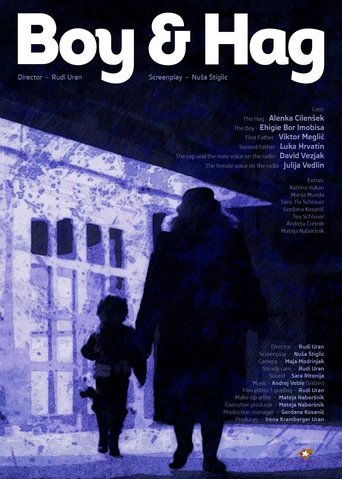
A narrow minded cleaner, filled with prejudice, loses her keys. She is forced to make an extraordinary deal with a black boy to get them back.
A misplaced pregnancy test creates confusion in the minds of grown-up children. Eva returns to her home town, to unresolved things from her past. Max has a new love affair. Nataša goes crazy. Izi's mother finds a positive pregnancy test and panics. Izi doesn't give a damn about anything.
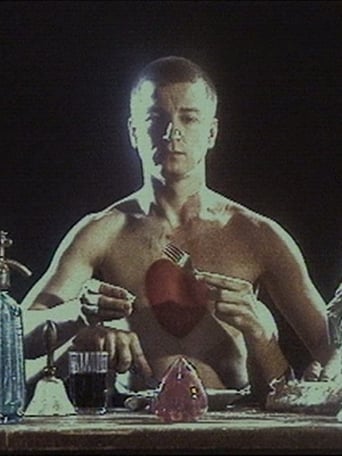
This video dance project is a sort of condensed poetical and cynical look on the situation in the ex-Yugoslav territory. Hysterical and hectic dance movements are put in juxtaposition with surrealistic artificially constructed imageries, based on Magritte's paintings and documentary shoots of the refugee camps, where Bosnian refugees lived in Ljubljana.
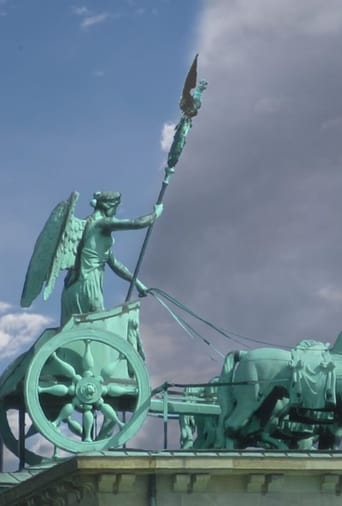
A reflection of contemporary society through modified moving images. A satiric critique of the current social and political changes that are happening in Slovenia, in Europe and in the World aesthetically explored through (de)formation of landscapes and cityscapes. "Phony Sights" considers social and political issues and even science when searching for an answer to the questions: "Where are we?" and "Where are we going?"
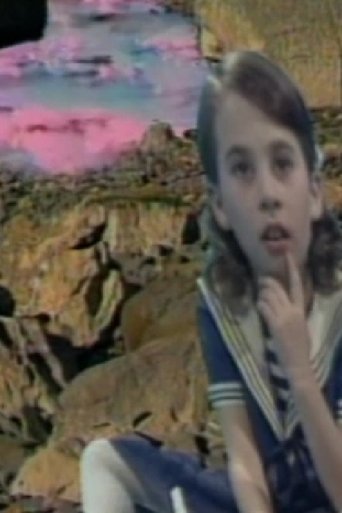
Video work tells a story of an art collector as remembered by herself in her old age, and as narrated by her friend, a psychoanalyst. Through this narrative the authors deal with the spirit of avant-garde art in the first half of the 20th century. By layering black and white and color images and sounds the work creates a deep and lively emotional space.

Through three different perspectives on life (belief in God, disbelief in the existence of meaning, and acceptance), this animation explores the author’s interpretation of a natural path in the human experience.
An animated short for Martin Ramoveš, confronting the current state of the world, full of wars and inequality, with an expression of hope for a better future. We want more love!
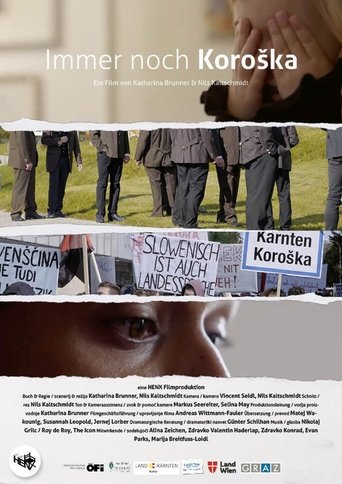
A young mother wants to pass on the Carinthian-Slovenian minority language to her daughter in Graz, Austria. Over twenty years ago, a father failed precisely to do that, hence language plays a role in the relationship with his son. A rapper with Carinthian and American roots shows how he overcomes minority identities, whereas a theater professional calls on politicians to finally give space to the Slovene language, culture & identity in Austria. Still Koroška is a short documentary about the many ways of being Carinthian-Slovenian, about the loss of language and the desire not to lose it amongst linguistic minorities.
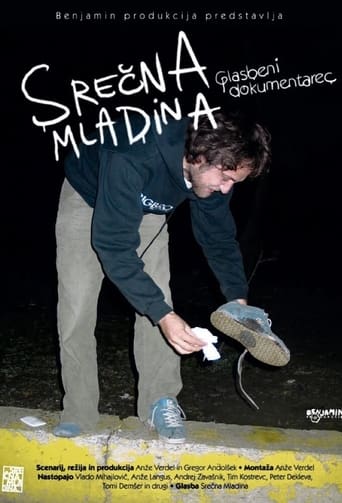
A documentary short about the Slovenian rock band Srečna mladina (Happy Youth).
