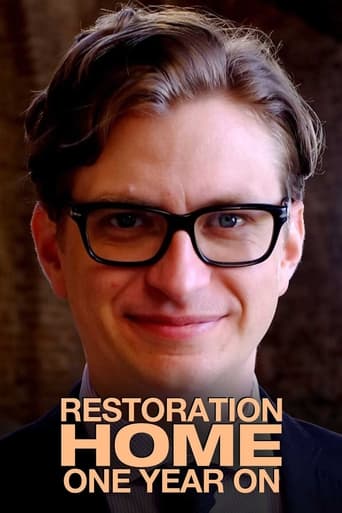
Restoration Home - One Year On 2012
The team return to the crumbling historic buildings being saved from ruin and transformed into 21st-century dream houses.
The team return to the crumbling historic buildings being saved from ruin and transformed into 21st-century dream houses.
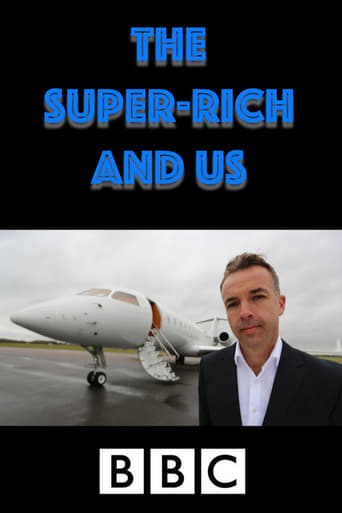
Jacques Peretti investigates how the super-rich are transforming Britain. What does the arrival of their astronomical wealth really mean for everyone else?
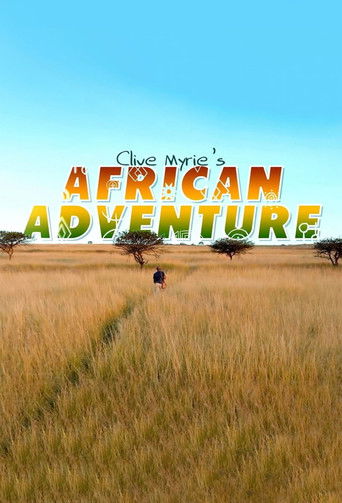
Clive Myrie has always wanted to explore the Africa that's rarely see on TV. He gets the chance to live life local-style and discover his family roots as he explores this vibrant land.
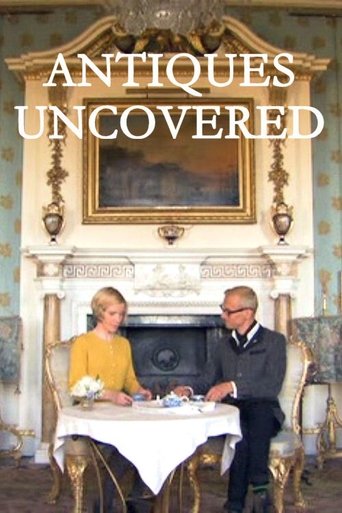
Historian Lucy Worsley and antiques expert Mark Hill uncover the stories behind remarkable antiques and how they relate to our lives today

Working Lunch was a television programme broadcast on BBC Two which covered business, personal finance and consumer news between 1994 and 2010. The programme was first aired on 19 September 1994. It had a quirky, relaxed style, especially when compared to other BBC business shows such as World Business Report. In April 2010, the BBC announced that the programme was being cancelled at the end of July 2010. GMT with George Alagiah took its place in the schedule at 12:30 on BBC Two.
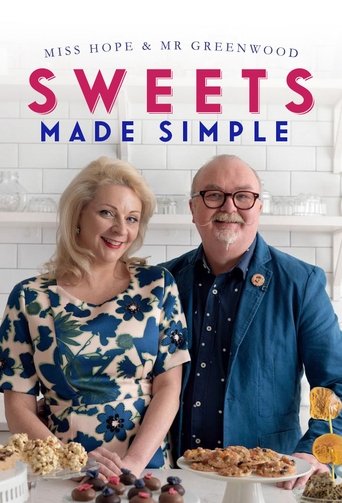
The queen and king of confectionery, Kitty Hope and Mark Greenwood, rediscover the best of British confectionery. The fun-loving couple are sweet-making experts and together they show how to make all kinds of sweets at home, from childhood favourites to exotic new treats. Along the way they source the best ingredients from around the UK.
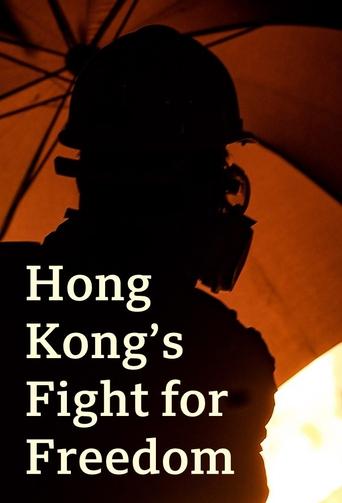
As a bill allowing extradition to China sparks anger in Hong Kong, four young protesters take drastic action when they realise how far the authorities will go to silence them.
Series following presenter Sue Perkins as she attempts to breathe new life into Dinnington Colliery Brass Band.
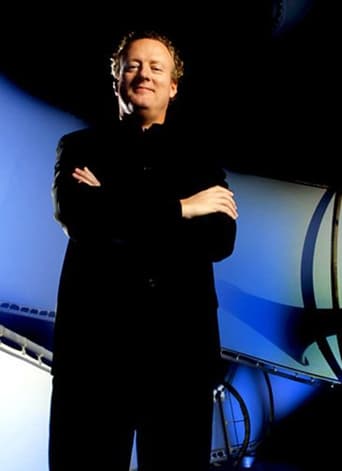
Shown as six one-hour programmes on BBC2, "Story of Music" presents Howard’s personal view of the musical timeline from the stone age to the digital age, including the influence of classical music on the growth of popular music as well as the evolution of blues, jazz and world music.
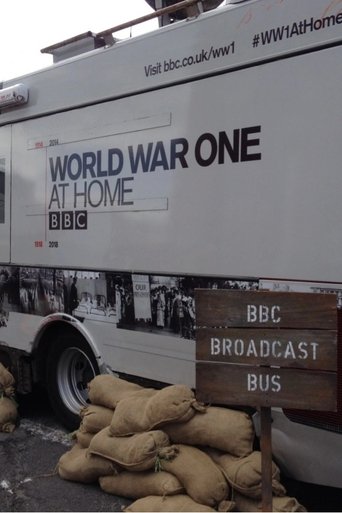
A series of stories produced regionally within the UK each reflected a local relevance to WWI.
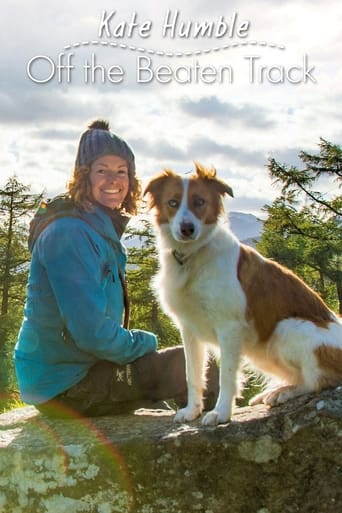
Kate Humble and her Welsh sheepdog Teg travel from the tip of North Wales through the remotest parts of Wales to the south coast. Along the way they explore how the landscape shapes the people who live there.
Rebels and Redcoats: How Britain Lost America, is a British television documentary series about the story of the American Revolutionary War, narrated by Richard Holmes in a four-parts. Throughout the entire program there are clear explanations about the politics going on behind the scenes, the impact of other nations like Canada and France, battle tactics and strategies, and weaponry, all following a beginning-to-end time line. The impact of each geographic area is frequently emphasized, as there were often a division of loyalties not just in regions but also in neighborhoods. While being a British production, the viewpoint of many different groups are discussed in detail, including the difficult choices Native American Indians and black slaves were forced to make in choosing allegiances.

Award-winning publican Tom Kerridge helps four struggling pubs to turn around their fortunes. When Covid-19 strikes it puts the whole industry, including Tom’s own pubs, in peril.
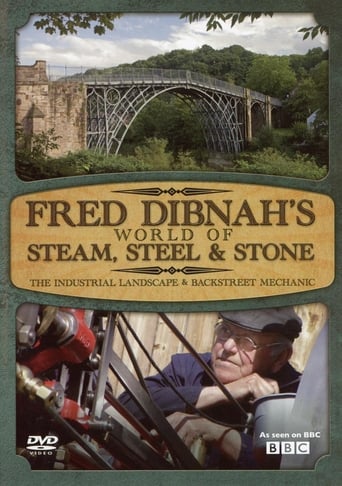
Series which looks at the many sides of Fred Dibnah - engineer, steeplejack, artist, craftsman, steam enthusiast and inventor - and celebrates his contribution to our knowledge and appreciation of Britain's architectural, industrial and engineering heritage.
Historian Diarmaid MacCulloch explores both what it means to be English and what has shaped English identity, from the Dark Ages, through the Reformation to modern times.
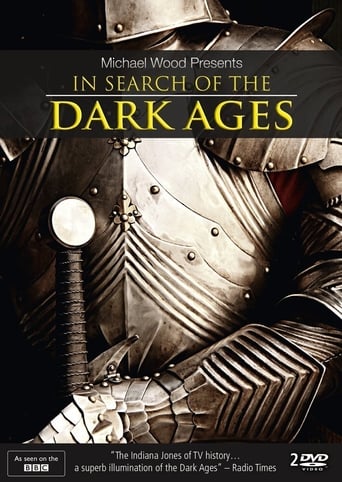
In Search of the Dark Ages was a television series, written and presented by Michael Wood, and first shown in 1979. It is also the title of a book written by Wood to support the series, which was published in 1981. The television series consisted of a series of separate programmes, hence the collective title is often written as In Search of ... The Dark Ages. It began with In Search of Offa, recorded in 1978 by BBC Manchester, and shown on 2 January 1979. Subsequent programmes in the first series were on Boadicea, King Arthur and Alfred the Great, shown with a re-run of Offa over successive nights in March 1980. The first series was such a success when shown in an off-peak slot on BBC Two that a second series was broadcast in 1981, with subjects including William the Conqueror, Ethelred the Unready, Athelstan and Eric Bloodaxe.
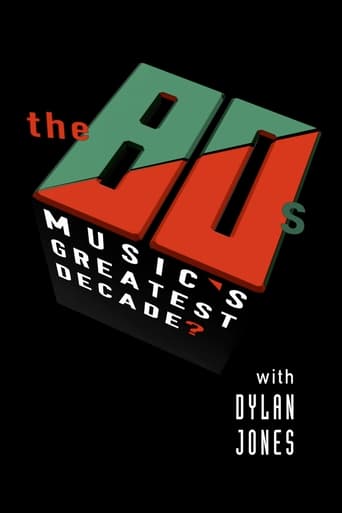
Music writer Dylan Jones puts the case that the 1980s were the most radical, innovative and creative decade in the history of pop.
An eye-opening look inside the Post Office - an iconic national institution undergoing the biggest shake-up in its nearly 400-year history as it battles to reinvent itself for the modern world.
In-vision Ceefax was first shown in March 1980, originally in 30-minute slots and by mid-1983 it was a common filler during daytime downtime. Transmissions were originally billed on-air as Ceefax in Vision but daytime transmissions were not listed in the Radio Times until 7 January 1984, under the title of Pages from Ceefax.
