
Der Karneval zu Mainz 1908 1908
Short film about the carnival activities in Mainz, Germany.
Short film about the carnival activities in Mainz, Germany.
“The barbaric negro inhabitants of an African village are shown in their various forms of activity, the first view being a photograph of a number of children of all sizes, shapes and degrees of African beauty. Following this is a match between two giant negro wrestlers, who first fence with slicks and then grapple with each other. The start of a caravan is next pictured, the handling of the huge camels being well demonstrated. A British courier next comes into view and the African, presumably sheiks, attack him. A short sham fight takes place, and he escapes. Now a religious procession of natives is shown, with their tom-toms and curious devices for making curious music. The last is a photo of a comical looking African infant playing with a kitten.” (Moving Picture World)
1908 French short silent Christmas film by Georges Méliès, which is now presumed lost. The film, combining American ideas about Santa Claus with Méliès's fantasy style and a modern touch, followed the adventures of a young girl, Polly, one Christmas night, as she escapes kidnappers, travels to Santa's palace, and—by changing places with a large doll—goes with Santa on a giftgiving journey by airplane.
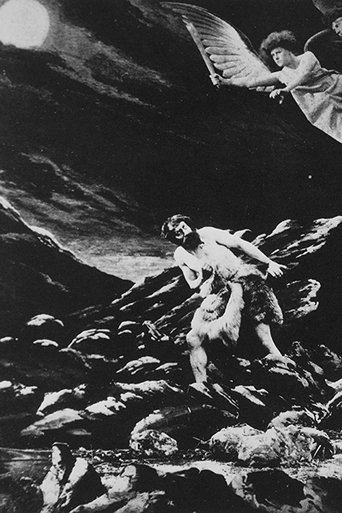
An episodic narrative displaying examples of humankind's brutality, from the story of Cain and Abel through the Hague Convention of 1907.
Only the visual elements are known to survive from this 1908 recording of a duet from Franz von Suppe's early one-act operetta. As is usual with these recordings, the principal performers take center stage, face the camera directly, and let fly. There are other cast members in the background, providing a drunken chorus.
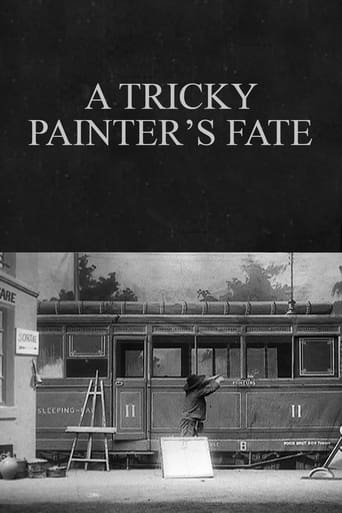
A painter boards a train and puts his paintings in the windows so that they look like passengers.
A newly-hired housekeeper turns out to be too clumsy and stupid to do her job.
1908 French silent comedy film directed by Georges Méliès, which is currently presumed lost.
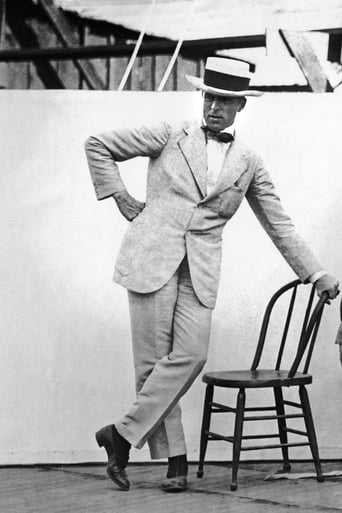
The hero, who fancies himself a ladies' man, cannot resist winking at every comely lass who passes his way. Unfortunately, he winks once too often, and soon the would-be Romeo is running for his life, pursued by an angry boyfriend. Disaster does indeed plague our hero for the rest of the picture.
Silent film from Georges Méliés. It is presumed to be lost.
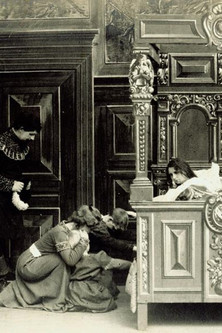
When his wife dies, knight Svend Dyring gets married to noble Mrs. Guldborg. Little does the good knight know that Mrs. Guldborg is in fact pure evil, and that she and her daughter Ragnhild torment the knight’s children when he’s not home. One day, when Svend Dyring is injured in a hunting accident, the eldest daughter Regitze takes upon herself to take care of her father. Mrs. Guldborg looks on in envy, while the relationship between the father and his daughter is strengthened. She’s secretly planning how to get the daughter off the scene. (stumfilm.dk)
Images of Sicily.
A man steals a sheep and is chased by the shepherds and the police.
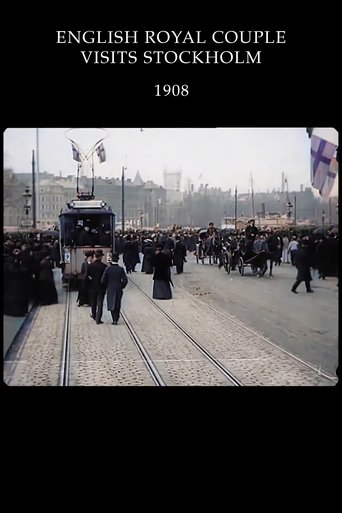
Actuality film documenting the state visit of King Edward VII and Queen Alexandra to Stockholm on 26–27 April 1908. The footage shows the English royal couple’s arrival and reception in Stockholm, crowds lining the streets, and ceremonial events. Originally released as part of the compilation newsreel Stockholm i festskrud.
Dog Rover, from Rescued by Rover fame, chases a kidnapper's car and while he is in a pub, drives it safely home and thus saves the baby.
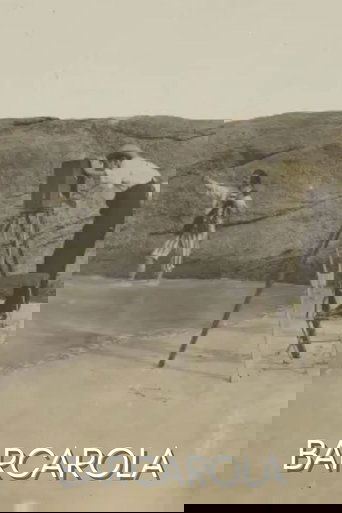
Barcarola is a 1908 Brazilian film directed by Júlio Ferrez. It was the first "sound" film in Brazil, that is, with actors dubbing themselves live, behind the screen, based on already recorded images. Premiered on September 1, 1908. It was produced by the company William e Cia. The film was inspired by the operetta "Les contes d'Hoffmann", by composer and cellist Jacques Offenbach. The film's synopsis is unknown, but given the name, which references the song "Barcarolle", it is very likely that it is inspired by the third act of Les contes d'Hoffmann. Like many films from this era, Barcarola is considered a lost film, with only one surviving image, taken during the film's production.
A mischievous duke comes across a drunkard in a town square, and decides to pull a practical joke. He has the drunkard carried to the ducal palace and dressed as a nobleman, where he is made to receive courtiers. A banquet is prepared for the fake nobleman, who is too far gone to understand the situation, and unusual things seem to begin occurring. When the drunkard attempts to get more to drink, the bottle magically grows to giant size and disappears, so the duke's servants bring in a large funnel and fill the drunkard up, with his stomach swelling up like a balloon to fit. The duke's doctors work to deflate him back to normal. The drunkard tries to get some sleep, but the paintings on the walls come to life, showing him all sorts of scenes of people drinking merrily.
Short film about car racing
