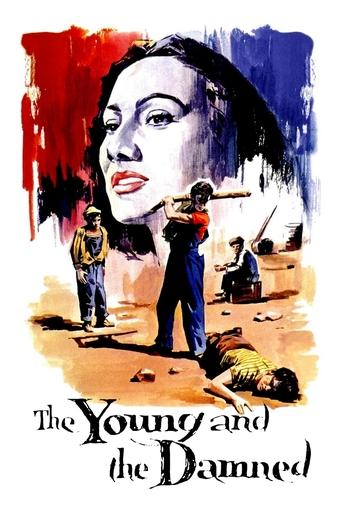
The Young and the Damned 1950
A group of juvenile delinquents live a violent life in the infamous slums of Mexico City; among them Pedro, whose morality is gradually corrupted and destroyed by the others.
A group of juvenile delinquents live a violent life in the infamous slums of Mexico City; among them Pedro, whose morality is gradually corrupted and destroyed by the others.
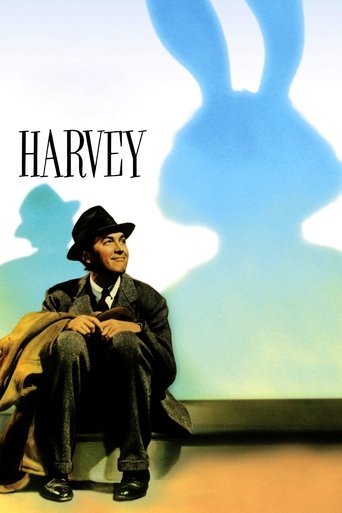
The story of Elwood P. Dowd who makes friends with a spirit taking the form of a human-sized rabbit named Harvey that only he sees (and a few privileged others on occasion also.) After his sister tries to commit him to a mental institution, a comedy of errors ensues. Elwood and Harvey become the catalysts for a family mending its wounds and for romance blossoming in unexpected places.
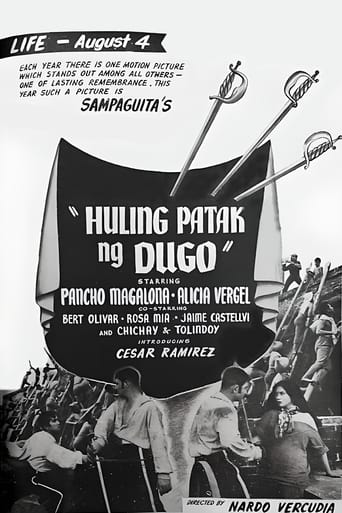
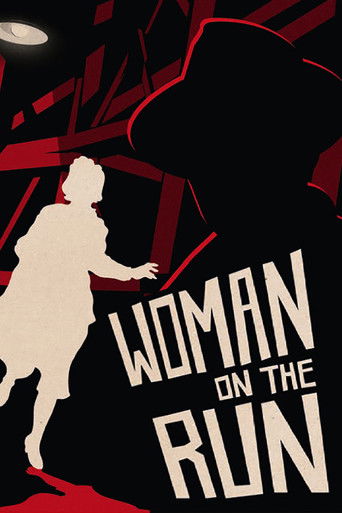
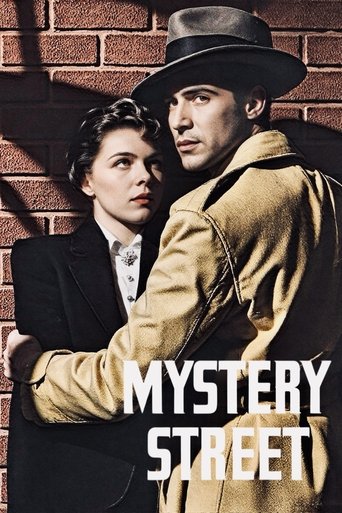
Frank Johnson, a sole witness to a gangland murder, goes into hiding and is trailed by Police Inspector Ferris, on the theory that Frank is trying to escape from possible retaliation. Frank's wife, Eleanor, suspects he is actually running away from their unsuccessful marriage. Aided by a newspaperman, Danny Leggett, Eleanor sets out to locate her husband. The killer is also looking for him, and keeps close tabs on Eleanor.
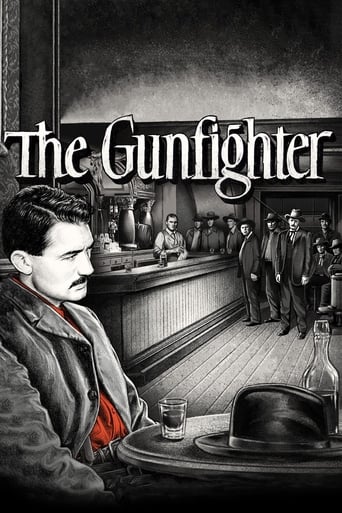
The fastest gun in the West tries to escape his reputation.
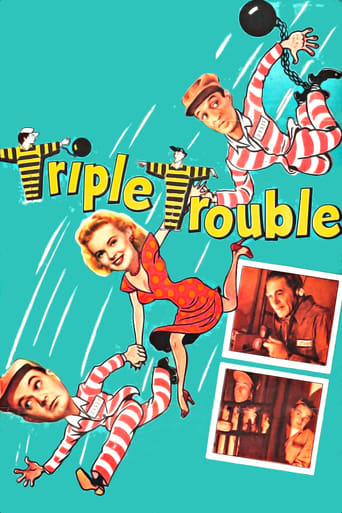
Slip and Sach take the rap for a robbery they did not commit in order to uncover the real robbers, whom they suspect are led by a convict who gives orders to his gang outside via a short-wave radio stashed somewhere in the prison.
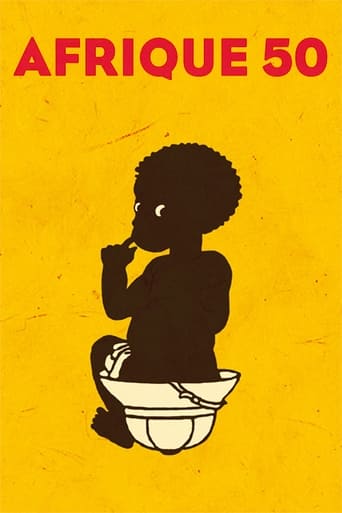
The first French anti-colonialist film, derived from an assignment in which the director was to document educational activities by the French League of Schooling in West Africa. Vautier later filmed what he actually saw: “a lack of teachers and doctors, the crimes committed by the French Army in the name of France, the instrumentalization of the colonized peoples.” For his role in the film, Vautier was imprisoned for several months. The film was banned from public screening for more than 40 years.
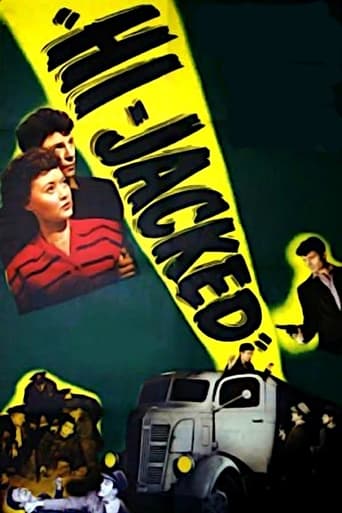
A parolee, working for a trucking line, struggles to clear his name after being accused of involvement with hijackers.
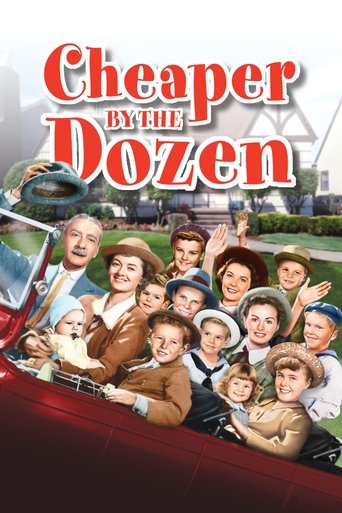
"Cheaper by the Dozen", based on the real-life story of the Gilbreth family, follows them from Providence, Rhode Island, to Montclair, New Jersey, and details the amusing anecdotes found in large families.
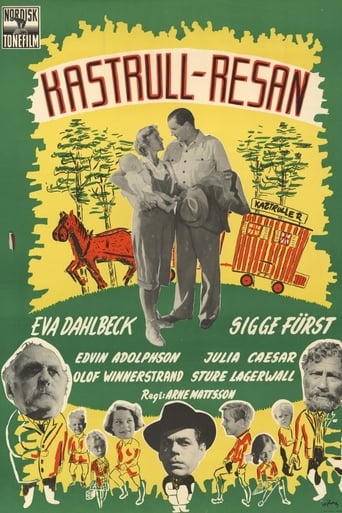
Based on the novel by Edith Unnerstad about a man, Pip Larsson, who invents a new kind of pot which makes a sound when the stuff you are cooking is ready. As he can't pay the bills he and his family get evicted but luckely they have a couple of carriages they can live in and travel round the country, selling the new kind of pots Pip Larsson has invented.
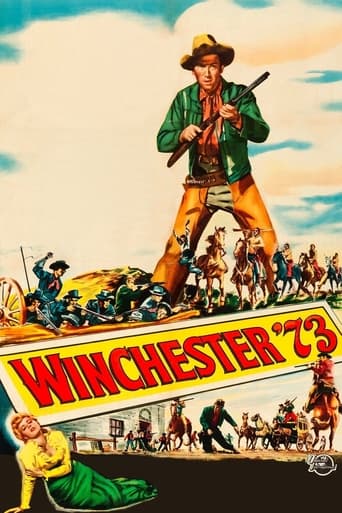
Lin McAdam rides into town on the trail of Dutch Henry Brown, only to find himself in a shooting competition against him. McAdam wins the prize, a one-in-a-thousand Winchester rifle, but Dutch steals it and leaves town. McAdam follows, intent on settling his old quarrel, while the rifle keeps changing hands and touching a number of lives.
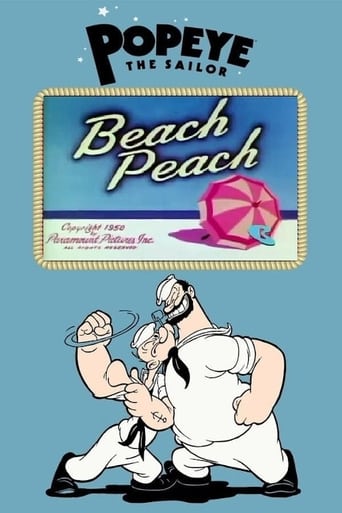
Popeye and Olive are having a day at the beach; the lifeguard (not drawn as Bluto, though he sounds and acts like him) sees Olive and puts the moves on.
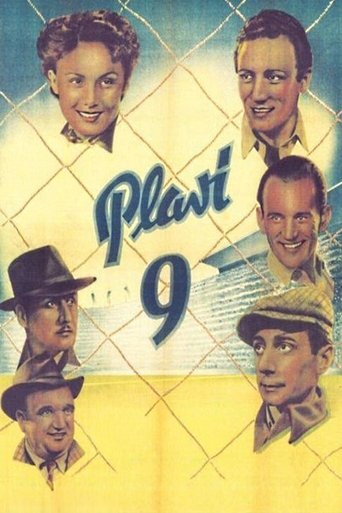
Fabris, a center-forward and the key player of the harbour town's football team, is a selfish individualist who is believed that he's irreplaceable in the first squad. He's also a womanizer who tries to seduce pretty Nena, a member of the working's committee and successful swimmer. However, she's emotionally close to Zdravko, who is, same like Fabris, a worthy center-forward himself.
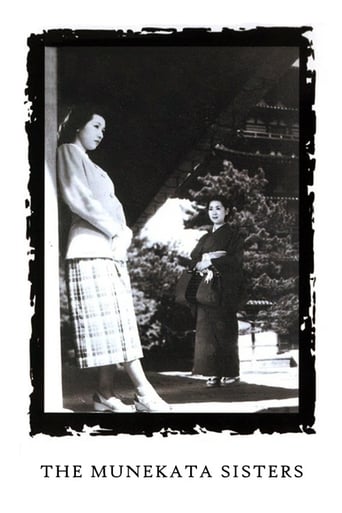
Setsuko is unhappily married to Mimura, an engineer with no job and a bad drinking habit. She had always been in love with Hiroshi but both of them failed to propose when Hiroshi left for France a few years ago. Now he is back and Mariko tries to reunite them. She too is secretly in love with Hiroshi.
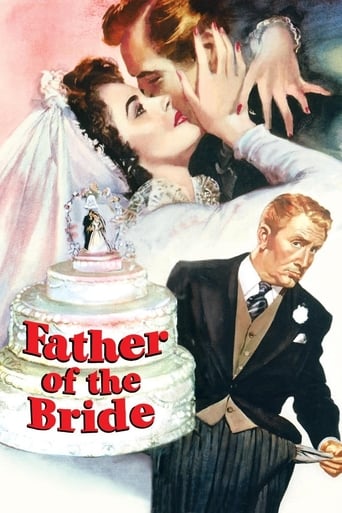
Proud father Stanley Banks remembers the day his daughter, Kay, got married. Starting when she announces her engagement through to the wedding itself, we learn of all the surprises and disasters along the way.

A socialist drama from the time of the February coup. The owner of the brickyard will use several workers before February in order to subvert worker solidarity and continue to do his black business. However, the vigilance of a young, aware worker prevents him from doing so.
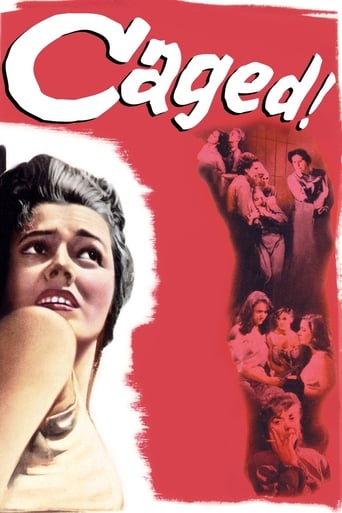
A single mistake puts a 19-year old girl behind bars, where she experiences the terrors and torments of women in prison.
When a young woman's skeletal remains turn up on a Massachusetts beach, Barnstable cop Peter Moralas teams with Boston police and uses forensics, with the help of a Harvard professor, to determine the woman's identity, how she died, and who killed her.

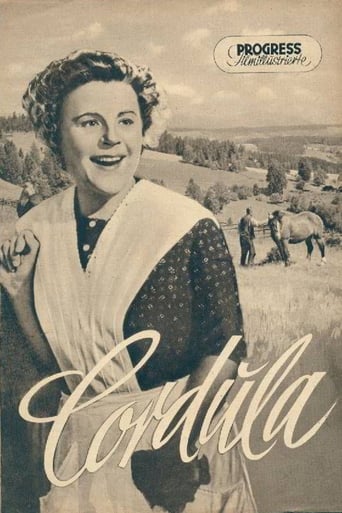
After the end of WWII, a young Lithuanian woman and a young Italian man from Stromboli impulsively marry, but married life on the island is more demanding than she can accept.
Prudential Family Playhouse is an American anthology drama series that aired on live CBS from October 1950 to March 1951.
The Hazel Scott Show was an early American television program broadcast on the now defunct DuMont Television Network. The series ran during the summer of 1950, and is most notable for being the first U.S. network television series to be hosted by a African American woman.
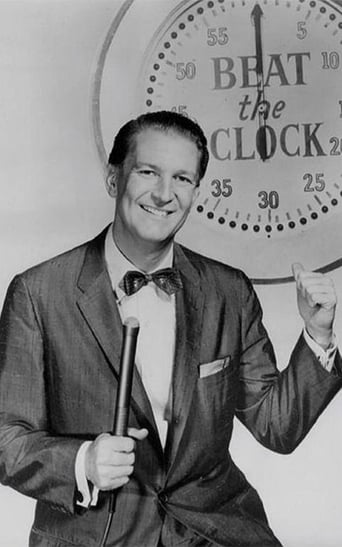
Beat the Clock is a game show hosted by Bud Collyer that ran on CBS from 1950 to 1958 and ABC from 1958 to 1961.
Mama Rosa is an American sitcom television series that aired from March 2 until May 18, 1950.
Cavalcade of Bands was an early-1950s American television series which aired on the now defunct DuMont Television Network.
Four Star Revue was an American variety show that aired on NBC from October 4, 1950 to December 26, 1953.
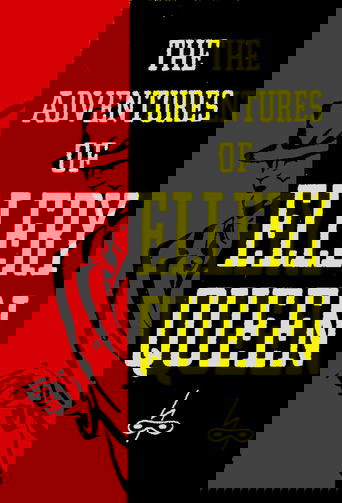
The first TV adaptation of the adventures of super sleuth Ellery Queen, broadcast live from Hollywood. Queen was a mystery writer who assisted his father, a detective with the New York Police Department, in solving murders. Queen's methods were arcane and intellectual rather than action oriented, and he always astounded his father by arriving at a correction solution by purely deductive reasoning.
The Paul Winchell Show, or The Paul Winchell and Jerry Mahoney Show, was a variety program which aired on NBC prime time from 1950 to 1954, starring ventriloquist Paul Winchell and his dummy, Jerry Mahoney.
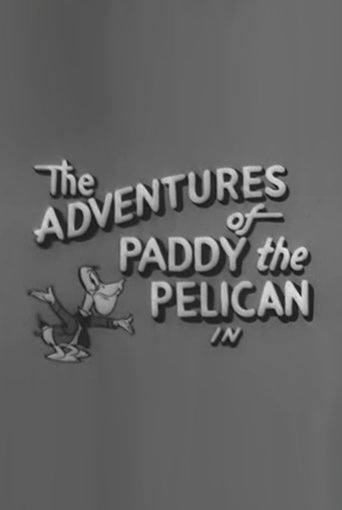
The Adventures of Paddy the Pelican is an animated miniseries that first aired on ABC (US) in 1950. The show is notorious for a variety of factors including its unprofessional voice acting, simplistic animation, and inconsistent appearances of the title character.
The Arthur Murray Party is an American television variety show which ran from July 1950 until September 1960. The show was hosted by famous dancers Arthur and Kathryn Murray, and was basically one long advertisement for their chain of dance studios. Each week the couple performed a mystery dance, and the viewer who correctly identified the dance would receive two free lessons at a local studio. The Arthur Murray Party is notable for being one of the few TV series—the others were Down You Go; The Ernie Kovacs Show; Pantomime Quiz; Tom Corbett, Space Cadet; and The Original Amateur Hour—broadcast on all four major commercial networks in the 1950s during the Golden Age of Television. It may, in fact, be the only series which had a run on all four networks at least twice.
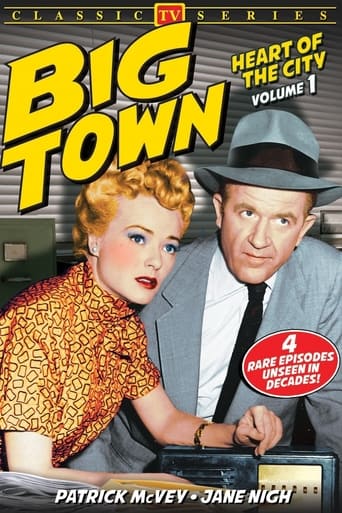
Big Town is a popular long-running radio drama series which was later adapted to both film and television and a comic book published by DC Comics.
Your Hit Parade is an American radio and television music program that was broadcast from 1935 to 1955 on radio, and seen from 1950 to 1959 on television. It was sponsored by American Tobacco's Lucky Strike cigarettes. During this 24-year run, the show had 19 orchestra leaders and 52 singers or groups. Many listeners and viewers casually referred to the show with the incorrect title The Hit Parade. When the show debuted, there was no agreement as to what it should be called. The press referred to it in a variety of ways, with the most common being "Hit Parade," "The Hit Parade," and even "The Lucky Strike Hit Parade". The program's title was not officially changed to "Your Hit Parade" until November 9, 1935 Each Saturday evening, the program offered the most popular and bestselling songs of the week. The earliest format involved a presentation of the top 15 songs. Later, a countdown with fanfares led to the top three finalists, with the number one song for the finale. Occasional performances of standards and other favorite songs from the past were known as "Lucky Strike Extras."

This show sits at a crossroad of radio and cinema. The viewers are invited to tell their dreams and if they are selected, the authors "oniromancians with camera" put them in scene (hence the dream contest).

