The Legend of Komiti 1955
The resistance and struggle of the Macedonian people against Turkish slavery, conveyed through the folk dances "Teškoto" and "Komitskoto". The film also contains many drama elements.
The resistance and struggle of the Macedonian people against Turkish slavery, conveyed through the folk dances "Teškoto" and "Komitskoto". The film also contains many drama elements.
The lives of farmers working in the Cotswolds.

"Color Lithography: An Art Medium" (1955), which guides us through the process of creating a multilayered lithograph from stone. It shows the preparation of a lithographic stone and methods of drawing on stone with crayons and Tusche liquid. Demonstrates the processes needed for three-color printing and presents and discusses examples of color litho work. Depicts an edition being made of 50 prints from original works.

Betty Page film in black and white made about 1950
"Oraons of Bihar" is a 1955 short documentary film directed by Paul Zils. The film focuses on the Oraon tribe, one of the largest indigenous communities in South Asia, with a significant population in Bihar, India. It explores their traditional lifestyle, culture, and social structure, providing insights into their language, customs, and the role of the village headman, known as the 'munda'. This documentary is among the early ethnographic films in India, highlighting the rich cultural heritage of the Oraon people.
"Agriculture" is a 1955 short documentary film co-directed by Paul Zils and Fali Bilimoria. The film focuses on agricultural practices in India during the mid-20th century, highlighting traditional farming methods and the challenges faced by farmers. It also explores the impact of modernization and government initiatives aimed at improving agricultural productivity. The documentary provides insights into the socio-economic conditions of rural India and the efforts to enhance food production post-independence.
The arduous toil of the Apulian peasant, working his soil which is full of stones and has little water, until he comes to the soil that gives good fruits.
The U.S. Office of Civil Defense illustrates facts about fallout from nuclear explosions.
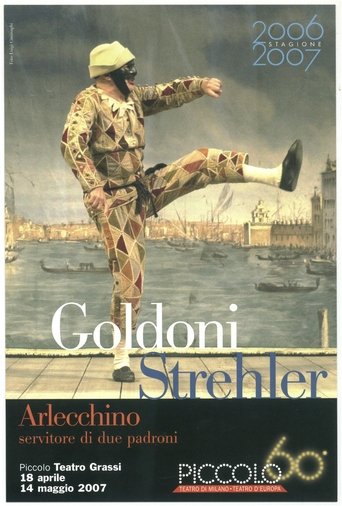
The Servant of Two Masters (Italian: Il servitore di due padroni) is a comedy by the Italian playwright Carlo Goldoni written in 1746. Goldoni originally wrote the play at the request of actor Antonio Sacco, one of the great Truffaldinos in history. His earliest drafts had large sections that were reserved for improvisation, but he revised it in 1789 in the version that exists today.[1] The play draws on the tradition of the earlier Italian commedia dell'arte.
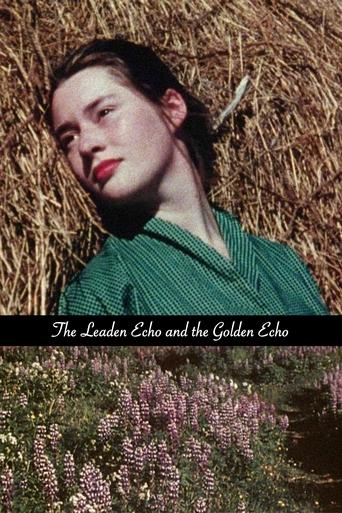
A film interpretation of the poem 'The Leaden Echo and the Golden Echo' by Gerard Manley Hopkins. Margaret Tait speaks the poem throughout the film.

Dervisi: This 1955 documentary reveals the strange practices of one of the most ancient Muslim denominations and rites that aim to achieve mystical ecstasy.
A travelogue of Finland, narrated by a Finnish native who returns to his homeland on vacation. Statues, architecture, natural beauty, castles, a restaurant in a fort and saunas are merely some of the stops along the way.
An Indonesian drama movie directed by The Teng Chun and Roostijati
A historical overview of the development of the motion picture industry.
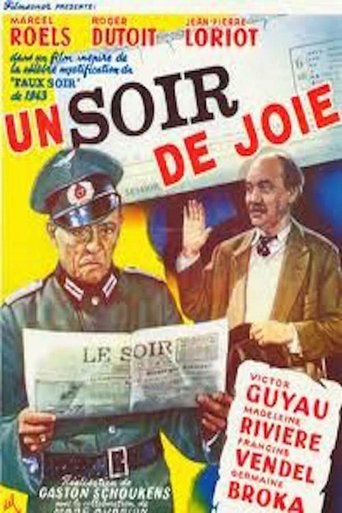
Based on a true story from November 1943 : the Resistance manages to publish a fake edition of the pro-German newspaper 'Le Soir', put on sale by surprise in the newsstands and stuffed full of parodic articles pouring ridicule upon occupying forces. The film faithfully traced the course of this humorous and enterprising attempt to wake up the populace, filling out the basic plot with irreverent patriotic gags.
Snapper has to get a sensational picture for the Daily Bow Bow ("Tree Star Edition") or get fired.
