
Nechte to na mně 1955
A hardworking employee at a printing plant takes on all sorts of roles until he nearly collapses under their weight. He learns that those who try to do everything end up doing nothing.
A hardworking employee at a printing plant takes on all sorts of roles until he nearly collapses under their weight. He learns that those who try to do everything end up doing nothing.
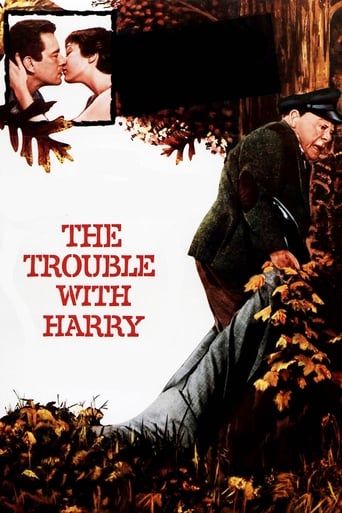
The trouble with Harry is that he’s dead. In a quiet Vermont village, a corpse creates unexpected chaos as several townspeople each believe they may be to blame.
A production of the association of American Railroads outlining the wonders of America's rail system.
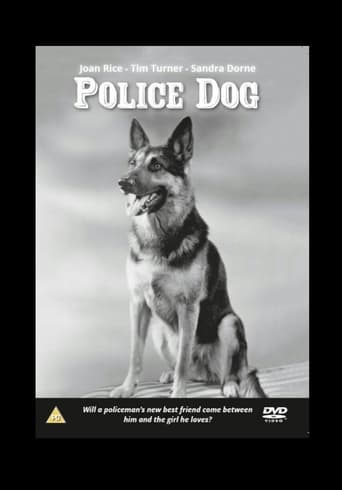
When his colleague is killed during a chase in Kentish Town, London bobby Frank volunteers to become a dog-handler.
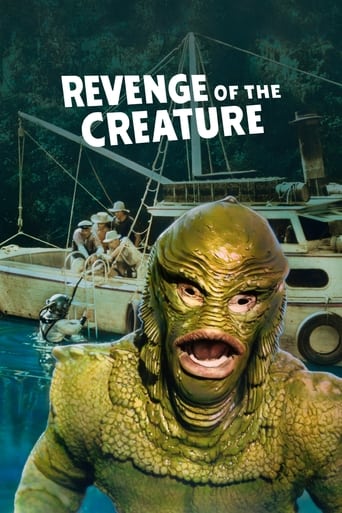
In a tributary of the Amazon, a monster – half-man, half-fish – is captured and placed in a reservoir in a Florida national park to be observed by scientists.
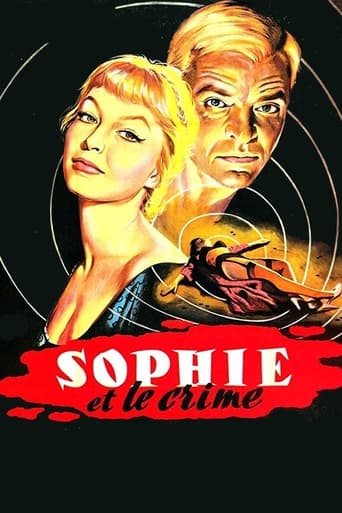
A Parisian reporter tries to exonerate a fugitive neighbor of charges he murdered his wife.
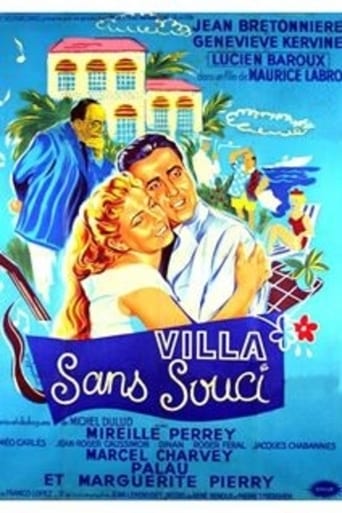
The whimsical Jean Latour wins a competition for a month's holiday on the Côte d'Azur. When he arrives at the "Villa Sans Souci", he discovers that the owner and generous donor, M. Mallez, is a doctor, that the property's guests are sick with nerves, and that Mallez has brought him in to entertain his neurasthenic residents.
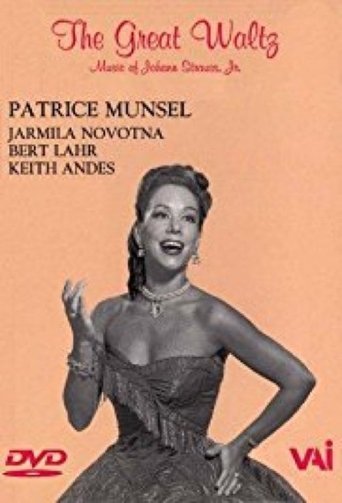
Johann Strauss, Jr., a would-be composer of waltzes in mid-19th Century Vienna, attempts to thwart his father's efforts to prevent his success when the older man becomes jealous of his melodic skill.
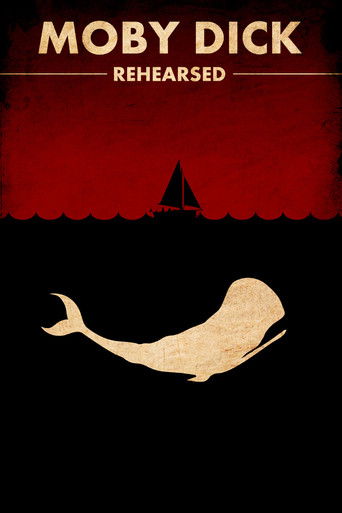
A meta-theatrical adaptation of Moby-Dick in which a rehearsal evolves into a full performance, as actors are absorbed into the roles of Ishmael, Starbuck, and Ahab in a stripped-down, imagination-driven staging. Filmed by Orson Welles in 1955, the footage remains unreleased and is considered lost.
An appeal on behalf of the NSPCC.
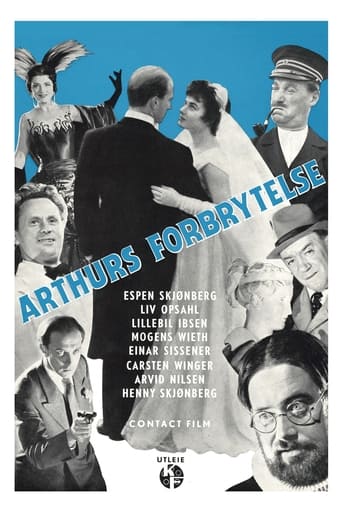
Arthur Sellmann is marrying Irene, and his friend, the spiritual Diana makes him read his future in the palm of his hands every week. Maybe he shouldn't have started believing what he is told.
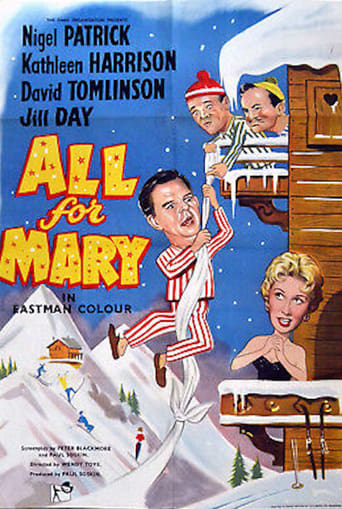
In a Swiss Alpine resort shortly after the War an army officer and upper-class Humpy Miller both set their sights on Mary, the landlord's daughter. When the two come down with chicken pox they are put in the charge of fellow guest Miss Cartwright, who turns out to be Humpy's old nanny. The two Englishmen unite not only against her tyranny but against a dense Greek who is also after Mary.
The story of three scientists who drifted in a small boat across the Atlantic in order to discover facts about the behaviour of the sea and air.
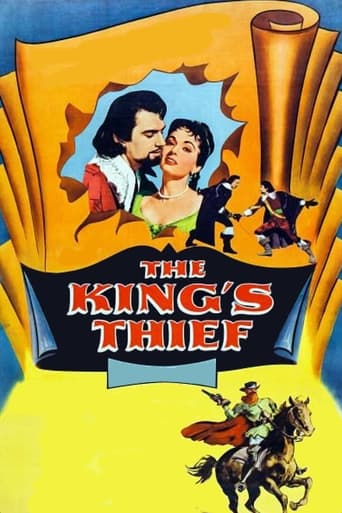
An ex-soldier turned highwayman uncovers a plot to take control of England from King Charles II.
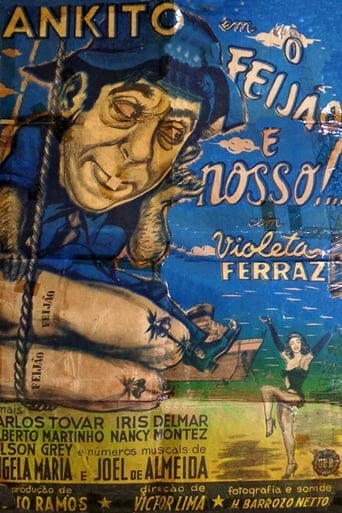
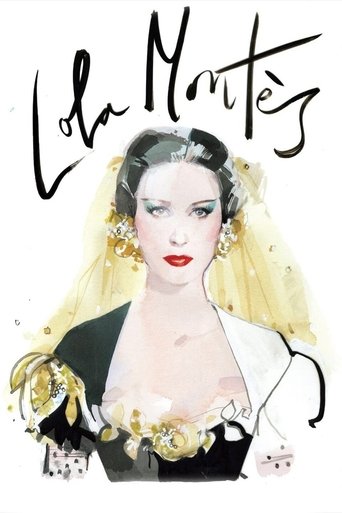
Lola Montes, previously a great adventuress, is reduced to being the attraction of a circus after having been the lover of various important men.
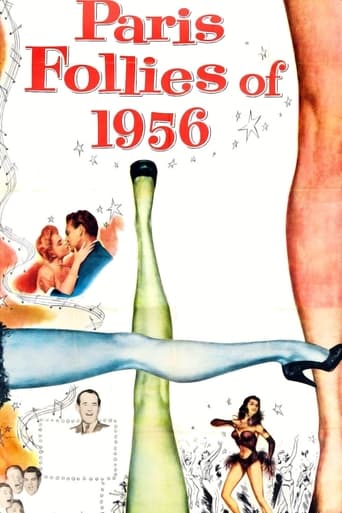
Trouble ensues when a new theatre-restaurant owner discovers the backer to be a harmless and moneyless lunatic.
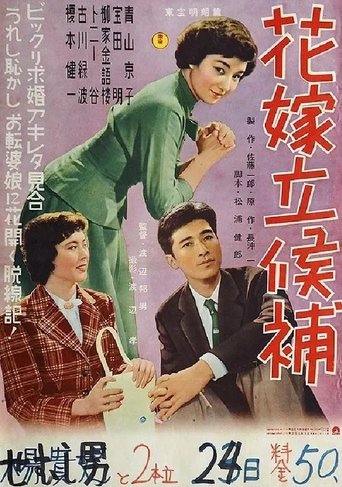
Rookie reporter Yukiko helps save the failing Miyako Times with her friends, while romance and comic chaos unfold around her and fortune-teller Ishibashi.
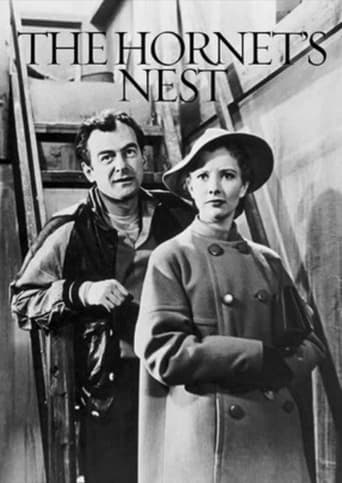
Before getting nabbed by the cops, a jewel thief hides a small fortune in stolen goods aboard an empty barge. But when he later returns to claim his loot, he runs into heaps of trouble with the boat's beautiful tenants and a pair of nosy old ladies. Directed by Charles Saunders, this amusing comedy finds the cunning criminal up against far stronger and more resilient adversaries than he ever anticipated. [Netflix]
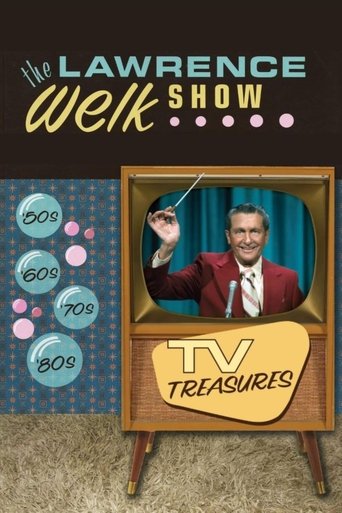
The Lawrence Welk Show is an American televised musical variety show hosted by big band leader Lawrence Welk. The series aired locally in Los Angeles for four years, then nationally for another 27½ years via the ABC network and first-run syndication. In the years since first-run syndication ended, The Lawrence Welk Show has continued to reach new audiences through repeat episodes, broadcast in the United States by Public Broadcasting Service stations. These airings incorporate an original program—usually, a color broadcast from 1965 through 1982—in its entirety. In place of the commercials, newer performance and interview clips from the original stars and/or a family member of the performers are included; these clips are occasionally updated.
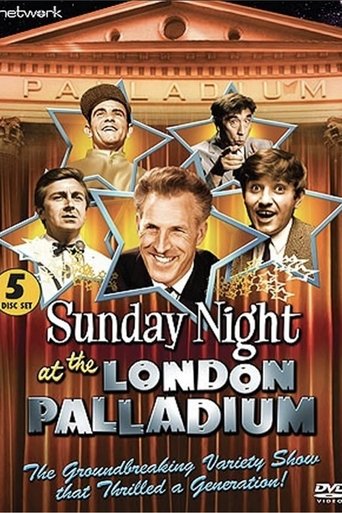
The Big Surprise is a television quiz show broadcast in the United States by NBC from October 8, 1955 to June 9, 1956 and from September 18, 1956 to April 2, 1957. It was hastily created by NBC in response to the overwhelming ratings success of The $64,000 Question, which had premiered on CBS in Summer 1955 and almost instantly became a smash hit. The Big Surprise offered a grand prize of $100,000. The series was originally hosted by game-show entrepreneur Jack Barry through March 3, 1956, after which he was replaced by journalist Mike Wallace for the rest of the run.
Ozark Jubilee is the first U.S. network television program to feature country music's top stars, and featured performers located in Springfield, Missouri which has long emulated Nashville, Tennessee as a center of American country music. The weekly live stage show premiered on ABC-TV on January 22, 1955, was renamed Country Music Jubilee on July 6, 1957, and was finally named Jubilee USA on August 2, 1958. Originating "from the heart of the Ozarks," the Saturday night variety series helped popularize country music in America's cities and suburbs, drawing more than nine million viewers. The ABC Radio version was heard by millions more starting in August 1954. A typical program included a mix of vocal and instrumental performances, comedy routines, square dancing and an occasional novelty act. The host was Red Foley, the nation's top country music personality. Big names such as Patsy Cline, Eddy Arnold, Johnny Cash and Faron Young were interspersed with a regular cast, including a group of young talent the Jubilee brought to national fame: 11-year-old Brenda Lee, Porter Wagoner, Wanda Jackson, Sonny James, Jean Shepard and The Browns. Other featured cast members were Webb Pierce, Bobby Lord, Leroy Van Dyke, Norma Jean and Carl Smith.

Wide Wide World was a 90-minute documentary series telecast live on NBC on Sunday afternoons at 4pm Eastern. Conceived by network head Pat Weaver and hosted by Dave Garroway, Wide Wide World was introduced on the Producers' Showcase series on June 27, 1955. The premiere episode, featuring entertainment from the US, Canada and Mexico, was the first international North American telecast in the history of the medium. It returned in the fall as a regular Sunday series, telecast from October 16, 1955 to June 8, 1958. The program was sponsored by General Motors and Barry Wood was the executive producer. In March 1956, Time magazine reported that it was the highest-rated daytime show on television.
Musical Chairs was a short-lived NBC game show that ran from July 9 to September 17, 1955; The host was Bill Leyden and the series featured voice actor Mel Blanc, composer Johnny Mercer, and orchestra leader Bobby Troup as regular panelists. Troup's band, the Troup Group, provided the music for the series, often with the assistance of the Cheerleaders singing group or members of the panel itself. The show was a summer replacement series on NBC after a successful two-year run in Los Angeles.
It's Alec Templeton Time was an early American television program broadcast on the now defunct DuMont Television Network. The series ran during the summer of 1955. It was a musical program hosted by blind satirist and musician Alec Templeton. The program, produced and distributed by DuMont, aired on Friday nights on most DuMont affiliates. It's Alec Templeton Time has the distinction of being one of the last programs to air on the dying DuMont Television Network, along with Have a Heart, What's the Story and Boxing From St. Nicholas Arena. The struggling network was already beginning to shut down network operations before It's Alec Templeton Time even aired its first episode, and Paramount Pictures would take control of DuMont during the summer; as a result, the series' run was brief, and did not last past the summer months.
A groundbreaking Canadian anthology series blending documentary and dramatization, Perspective explored social issues, Canadian identity, and everyday life through a mix of real-life stories and fictional dramatizations. Hosted by Fred Davis and produced by the National Film Board of Canada, the series ran for three seasons on CBC Television between 1955 and 1958.
Have a Heart was a game show broadcast on the now-defunct DuMont Television Network. The 30-minute show ran from May 3, 1955 to June 14, 1955, and was hosted by John Reed King. Have a Heart was one of the last shows broadcast on the DuMont network, along with It's Alec Templeton Time, What's the Story, and Boxing From St. Nicholas Arena.
