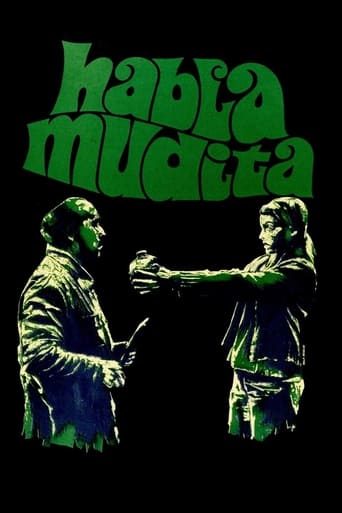
Speak, Silent One 1973
Ramiro's grandfather is on vacation in a hostel in the mountains with his family. Decides to send theirs to Madrid and stay in a shelter, saying his health requires. But the reason is another ...
Ramiro's grandfather is on vacation in a hostel in the mountains with his family. Decides to send theirs to Madrid and stay in a shelter, saying his health requires. But the reason is another ...
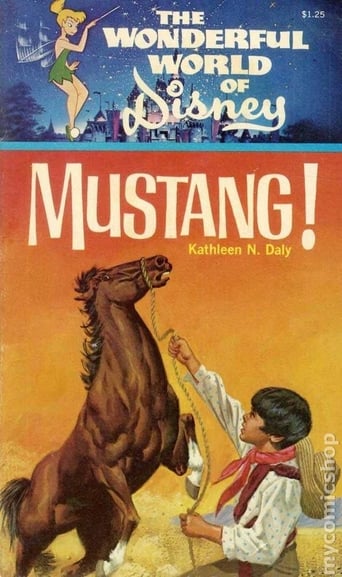
Pechudo is a magnificent jet-black stallion who epitomizes the adjective, "freedom." Running wild in Mexico, Pechudo and his running mates are constantly being sought out and captured by ranchers. Time and again, however, Pechudo would elude capture, then return and seek out his fellow mustangs and free them, and the adventure would repeat itself.
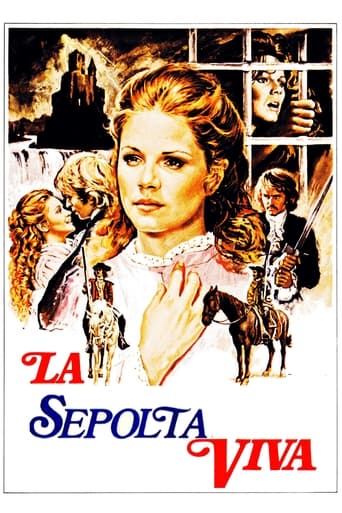
Duke Philippe marries Cristina, the daughter of a fisherman. But his brothers, seeing that they would be cut from the family inheritance set to go to Cristina, decide to get rid of her by imprisoning her in a tower and making the duke believe she died.
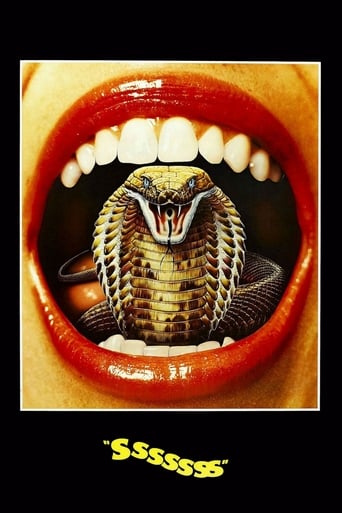
David, a college student, is looking for a job. He is hired by Dr. Stoner as a lab assistant for his research and experiments on snakes. David also begins to fall for Stoner's young daughter, Kristina. However, the good doctor has secretly brewed up a serum that can transform any man into a King Cobra snake-and he plans to use it on David.

Kuttan, a rich businessman, wants to see his granddaughter, Lallu, settled. So, he goes on a mission to find the perfect groom for her and selects, Rajan, whom he meets on many occasions.
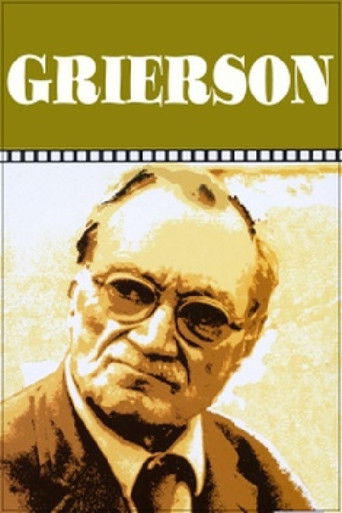
A portrait of John Grierson, the first Canadian Government Film Commissioner and founder of the National Film Board in 1939. Interweaving archival footage, interviews with people who knew him and footage of Grierson himself, this film is a sensitive and informative portrait of a dynamic man of vision. Grierson believed that the filmmaker had a social responsibility, and that film could help a society realize democratic ideals. His absolute faith in the value of capturing the drama of everyday life was to influence generations of filmmakers all over the world. In fact, he coined the term 'documentary film'.
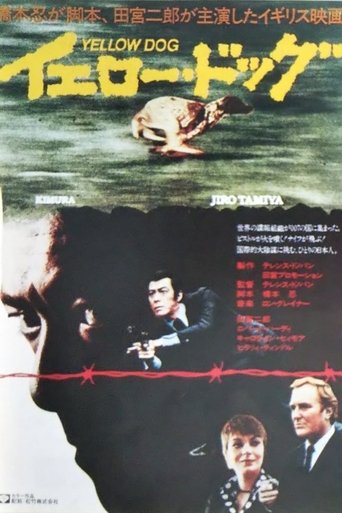
A Japanese cop is sent to join the London police force on a secret investigation.

Global Groove was a collaborative piece by Nam June Paik and John Godfrey. Paik, amongst other artists who shared the same vision in the 1960s, saw the potential in the television beyond it being a one-sided medium to present programs and commercials. Instead, he saw it more as a place to facilitate a free flow of information exchange. He wanted to strip away the limitations from copyright system and network restrictions and bring in a new TV culture where information could be accessed inexpensively and conveniently. The full length of the piece ran 28 minutes and was first broadcasted in January 30, 1974 on WNET.

A television adaptation of Shakespeare's tragedy about the destructive power of wealth. Timon, a rich and generous Athenian citizen, gives gifts to his friends generously and magnanimously. He helps everyone in need, regardless of their status. However, he is surrounded by false friends who refuse to help him when his coffers are empty and his barrels no longer overflow with wine. The attitude of his friends shakes his faith in the goodness of humanity, and he retreats to a cave on the seashore, where he dies by his own hand, cursing the entire human race. Even the famous warrior Alcibiades knows the ingratitude of Athens. When he speaks on behalf of a soldier sentenced to death for a minor offense, the senators expel him from the city. Alcibiades, a man of action, does not give up, defeats Athens, and conquers it. However, he finds Timon already dead.
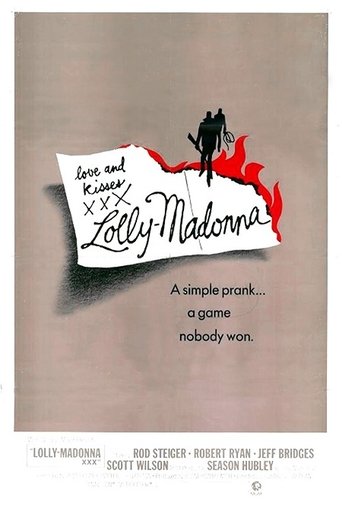
A promotional short for Lolly-Madonna XXX (1973).
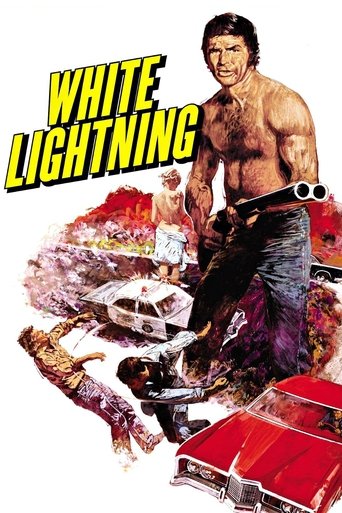
An ex-con teams up with federal agents to help them with breaking up a moonshine ring.
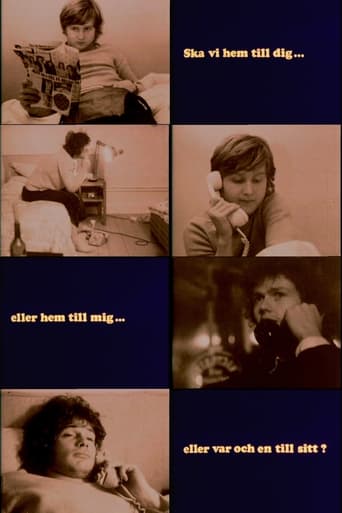
Arne, Calle, and Gunnar are friends, probably in their twenties. One telephones the others, and they decide to visit a nightclub. They hope to meet women and have sex. After they arrive at the club, each man meets with a certain degree of success or failure. Calle particularly is frustrated, for no woman agrees to dance with him. Meanwhile, Arne and Gunnar are busily conversing with women. Eventually the friends all leave with lady friends in tow, and spend the night in various apartments. In the morning, the couples depart differently. One couple has bonded amicably, another tenuously, and the third not at all. The next day, the men reconnect, and decide to try their luck again. Written by veloc
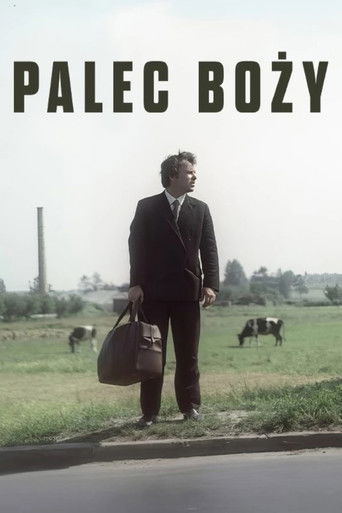
A young man from the countryside fights against all odds to fulfill his dream of becoming an actor.

When his wife is raped and murdered, Osman starts killing everyone on his path to find those responsible. In time, he becomes a powerful mob boss, but still continuing his search. When his enemies decide to hire a famous thug / fighter to get rid of him, he turns out to be Osman's long lost son.
In 1972 the funeral service is held for the deceased tycoon Friedrich Flick. It marks the beginning of the dismantling of a legend.
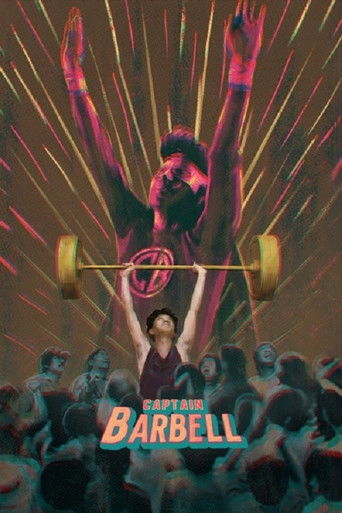
Tenteng, a bullied wimp who dreams of being a strongman, gains superpowers from a magical barbell.

Go! Greenman is a tokusatsu TV series by Toho in 1973. It ran from November 12, 1973, to September 27, 1974. It replaced Go! Godman.
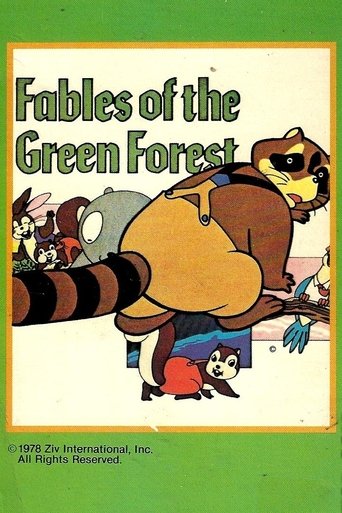
Fables of the Green Forest is an anime adaption based on a series of books published in the 1910s and 1920s by Thornton W. Burgess which ran on the Japanese network Fuji TV from 7 January 1973–30 December 1973. It consists of 52 episodes and was created by the animation studio Zuiyo Eizo. The series has been aired in many countries outside Japan, such as Germany, Spain, Romania, Portugal, Venezuela and Canada. The release of the series into Canada was done through Ziv International in 1978.
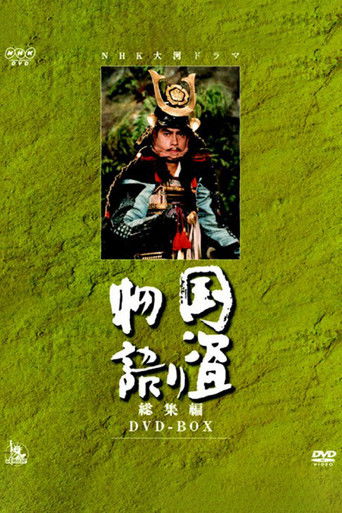
Set in Japan several centuries back. It depicts the struggles of three historical warriors, Dosan Saito, Nobunaga Oda and Mitsuhide Akechi.

Anthology series of half hour plays produced in BBC's Television Centre's studios.
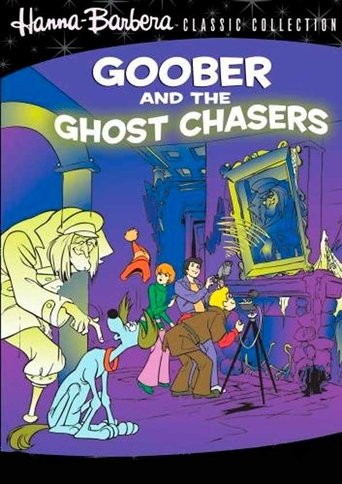
A dog, able to become temporarily invisible, and his human companions investigate mysteries involving the paranormal.
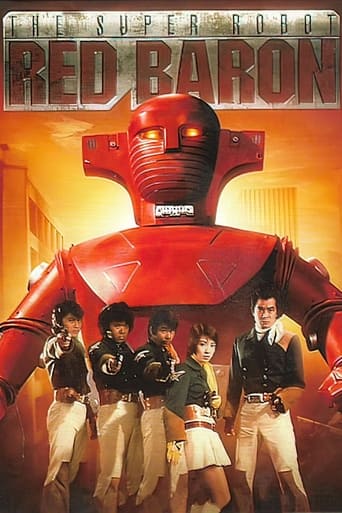
Super Robot Red Baron is a Japanese tokusatsu series that aired from April 4, 1973, to March 27, 1974. Its story was later retold in the anime Red Baron and it had a sequel titled Super Robot Mach Baron.

Nishiyama Satomi (nicknamed "Limit") is the daughter of Professor Nishiyama. One year she was mortally wounded during a plane crash. Her father was able to revive her, by making her a cyborg. As a cyborg she is gifted with “Miracle Powers” and several different accessories that aid her in solving different problems. Her red beret can be used as a radio to contact her father, and her boots have super speed. She is also able to transform with her pendant. Limit-chan also has a robot pet dog named Guu. Limit keeps her cybernetic powers a secret, as she fears being shunned by society. She keeps to herself, and sometimes keeps distance from others. Her secret is only known by her father and his assistants. In the final episode she reveals her secret to her teachers.
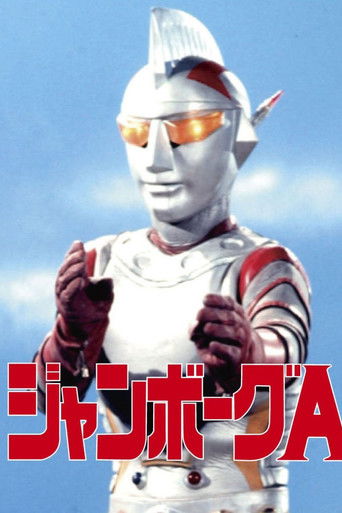
Jumborg Ace is the title superhero of a tokusatsu SF/kaiju/superhero TV series. Produced by Tsuburaya Productions, the show was broadcast on Mainichi Broadcasting System from January 17 to December 29, 1973, with a total of 50 episodes. This was also one of several shows Tsuburaya did to celebrate the company's 10th Anniversary.
Black and Blue was a BBC TV comedy-drama series, first broadcast in 1973. The show consisted of six 50–60 minutes episodes, each a separate self-contained playlet. The only connection was the Black and Blue humour theme. The first episode was broadcast on 14 August 1973, with the finale on 18 September 1973. The first, Secrets, was wiped, only surviving thanks to a domestic videotape copy made from the master by producer Mark Shivas.
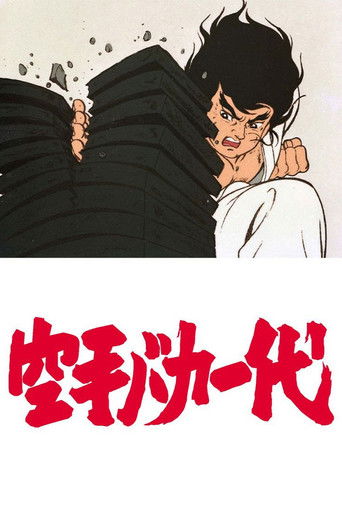
Based on Ooyama Masutatsu's early years. After having survived the war as a Kamikaze pilot, Ken goes on a path to become the strongest martial artist in the world. Fighting bears, bulls and countless other martial arts such as Muay Thai, Tai Chi and many more around the world.

Lemmi und die Schmöker (English: Lemmi and the Bookworms) was a German children's television series that presented books from 1973 to 1979 and again in a second series in 1983.
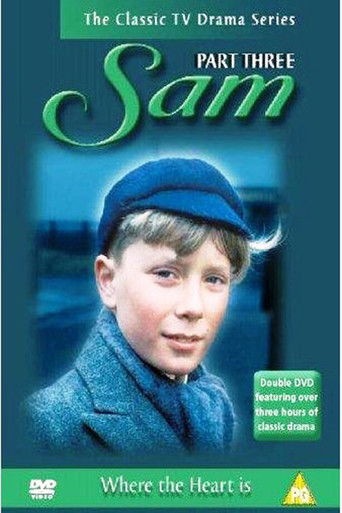
Sam is a drama set in the coalfields of Yorkshire in the inter-war period.
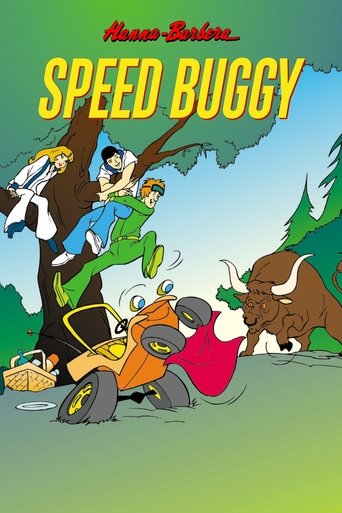
Set in an assortment of locations around the world, the series follows three teenagers (Mark, Debbie, and Tinker) and a talking dune buggy as they partake in various adventures.
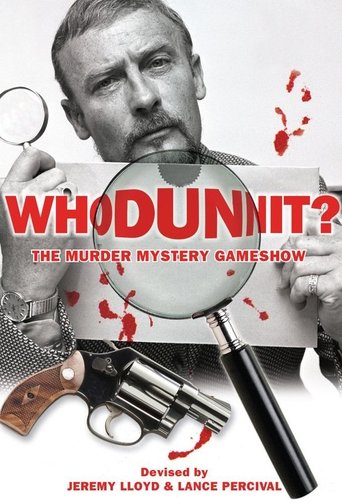
Whodunnit? is a British television game show, broadcast between 1972 and 1978 for ITV by Thames Television. It was written by Lance Percival and Jeremy Lloyd, and hosted first by Edward Woodward. One of the panelists in the first series was Jon Pertwee, who took over as the show's presenter from season two. Each week it featured a short murder-mystery drama enacted in front of a panel of celebrity guests who then had to interview the remaining characters to establish who the murderer was. Patrick Mower and Anouska Hempel became the permanent panelists from season three onwards, with two guest celebrities each episode. The only clue was that only the murderer could lie. Whodunnit? originally adopted a conventional panel-game studio layout, but from series three onwards utilised the murder scene itself as the set. It was similar in format, although not officially connected to, the popular board game Cluedo. The theme to the show was written by Tony Hatch
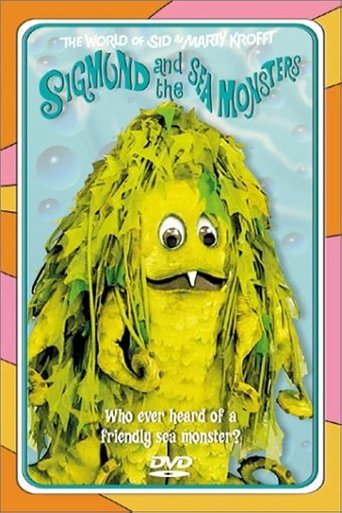
Sigmund and the Sea Monsters was an American children's television series that ran from 1973 to 1975, produced by Sid and Marty Krofft and aired on Saturday mornings. There were 29 episodes spanning two seasons.
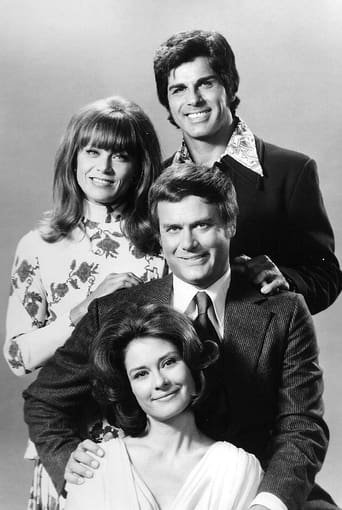
Here We Go Again is an American sitcom that aired on ABC from January to April 1973 on Saturday Night at 8:00pm. The show, produced by Metromedia/Bobka Productions, ran for 13 episodes.

Yogi's Gang is a 30-minute animated series and the second incarnation of Hanna-Barbera's Yogi Bear which aired 16 half-hour episodes on ABC from September 8, 1973, to December 29, 1973. The show began as Yogi's Ark Lark, a special TV movie on The ABC Saturday Superstar Movie in 1972. Fifteen original episodes were produced for broadcast on ABC, with the hour-long Yogi's Ark Lark thrown in as a split-in-half two-parter. After a successful run on Saturday mornings, Yogi Gang returned in 1977 as a segment on the syndicated weekday series, Fred Flintstone and Friends. In the late 1980s, repeats were shown on USA Cartoon Express and later resurfaced on Nickelodeon, Cartoon Network and Boomerang.
