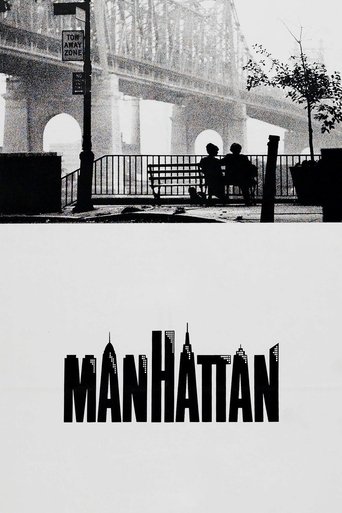
Manhattan 1979
Manhattan explores how the life of a middle-aged television writer dating a teenage girl is further complicated when he falls in love with his best friend's mistress.
Manhattan explores how the life of a middle-aged television writer dating a teenage girl is further complicated when he falls in love with his best friend's mistress.
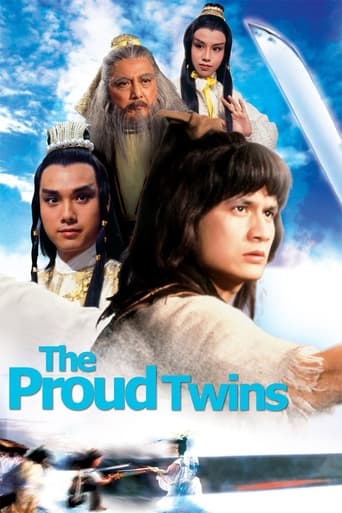
After his parents are murdered, Jiang Xiao Yu is separated from his twin as a baby and taken by a family friend to Villains Valley, where he is raised to be a villain by a host of outlaws, each of whom has a special skill. When he's old enough, he devises clever means to trap each of his uncles and escape the valley to head off into the outside world. A chance encounter with a beautiful girl dressed as a man leads to a treasure hunt and eventually a confrontation with the Princess of Yi Hua Palace, the one who murdered Xiao's parents in the first place. Eventually, a reunion with his twin will occur.
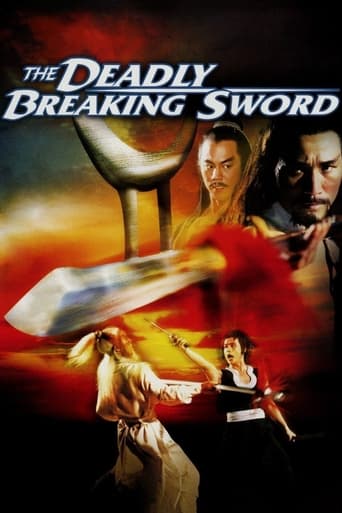
Leaving behind an inch of sword in the spent corpses of his opponents, Tuan Changqing is known as the Deadly Breaking Sword. After barely surviving a duel, one of his foes is treated by the diabolical Dr. Kuo, who uses his powers of mind control to transform the man into a somnambulistic killer. After Tuan Changqing teams up with Rabelaisian gambler Xiao Dao, the story proceeds as a comical kung fu buddy flick.
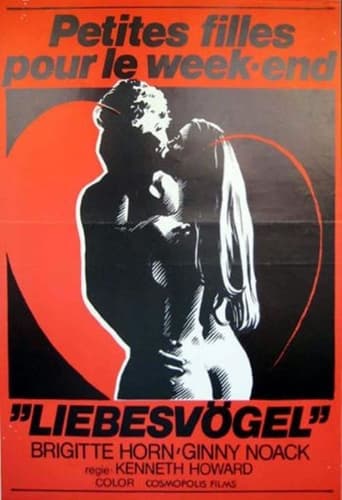
Shy Peter Wohlers is granted a week off from his boring job at a bank to discover (the opposite) sex.
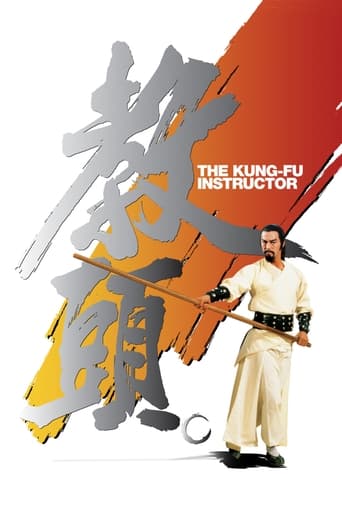
Two rival clans have unsuccessfully tried to hire the master of the good clan to teach his clan. Not willing to take no for an answer, they frame the master for a dirty deed that he didn't commit, which forces him to kill a man in battle. The townspeople attempt to kill him and he is forced to flee to the evil clan.

Vijay Singh is a disgraced former Merchant-Navy officer who is branded as a coward after he abandons his crew during an emergency. Guilt-ridden and trying to forget his past, he takes up work at a coal mine where he gets trapped with other miners after a flood hits them.
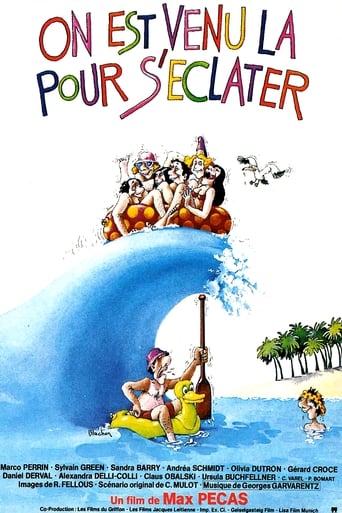
Bored with life in Paris, Christian takes off for a once-in-a-lifetime trip to sunny Ibiza. Once there he is rejuvenated by the beautiful bronzed topless bodies of sexy Eurostars Ursula Buchfellner, Sandra Barry, Olivia Dutton and Valentino Venantini. A series of sexy shenanigans and high jinks ensue ensuring everybody has a great time. Director Max Pécas has succeeded in casting the most beautiful array of bodies ever assembled in one single motion picture.
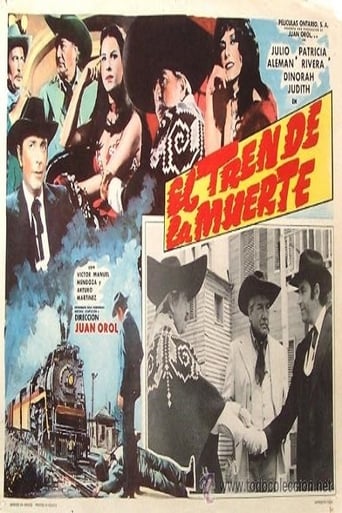
A stranger arrives in a small western town and starts gunning for people.
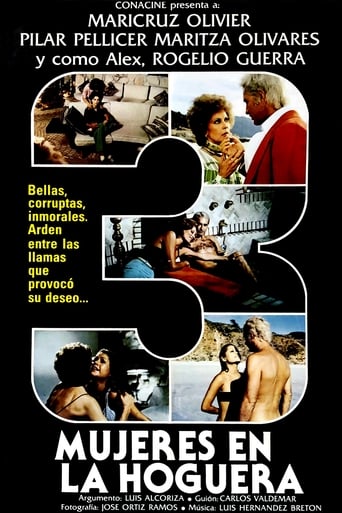
Alex, a real estate businessman, has no concerns in giving her wife every kind of freedom. They invite Gloria, an old friend of both, to spend the summer break in their countryside house next to the beach. Gloria doesn't come alone: she comes with young Susy, her lover. Alex will use all of his charms and luxury to manipulate his new guests; meanwhile, his wife and Gloria will gang up to murder him.
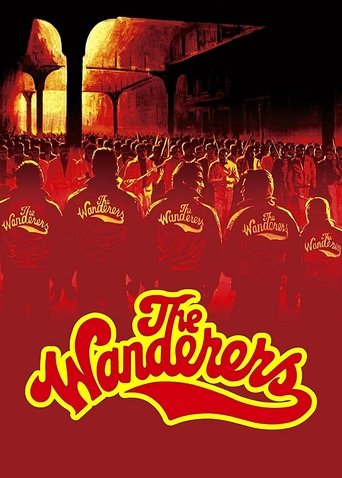
The streets of the Bronx are owned by '60s youth gangs where the joy and pain of adolescence is lived. Philip Kaufman tells his take on the novel by Richard Price about the history of the Italian-American gang ‘The Wanderers.’
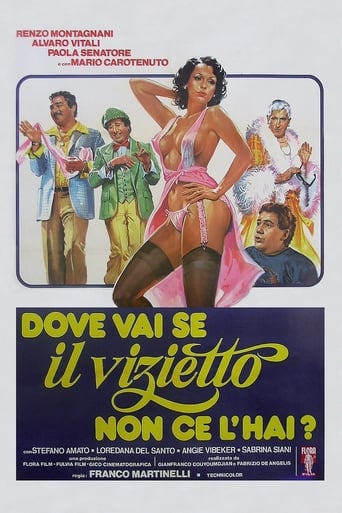
Two detectives are hired to discover if a rich industrialist is having an affair. The detectives pose as a gay butler and as a female cook in order to spy on all of the happenings within the house.
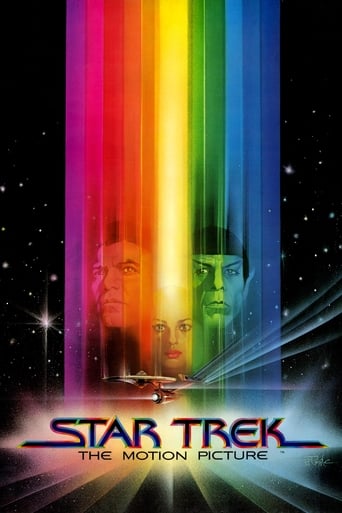
When an unidentified alien destroys three powerful Klingon cruisers, Captain James T. Kirk returns to the newly transformed U.S.S. Enterprise to take command.
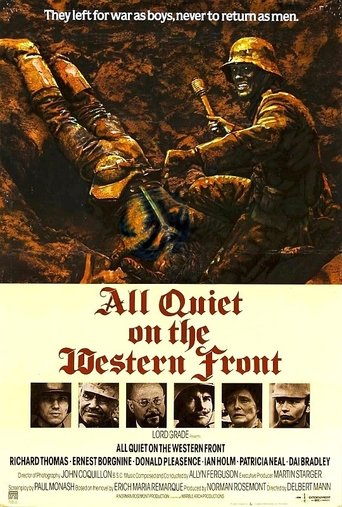
At the start of World War I, Paul Baumer is a young German patriot, eager to fight. Indoctrinated with propaganda at school, he and his friends eagerly sign up for the army soon after graduation. But when the horrors of war soon become too much to bear, and as his friends die or become gravely wounded, Paul questions the sanity of fighting over a few hundreds yards of war-torn countryside.
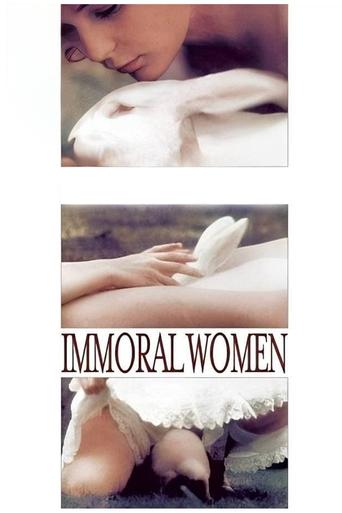
The first episode – featuring frequent Borowczyk muse Marina Pierro – is the longest and, in a way, most substantial: it’s set in Renaissance Rome, with the lusty (and perpetually nude) leading lady sexually involved with famous painters and church benefactors. The second episode is the most notorious and, consequently, gave the film its controversial poster – featuring a rabbit slowly disappearing under the skirt of a teenage girl (played by Gaelle Legrand). The third and final episode, which has a modern-day setting, is the shortest – but also, possibly, the most outrageous: Pascale Christophe is a young married woman who’s abducted on a busy Parisian street by a small-time hood hidden inside a cardboard box!
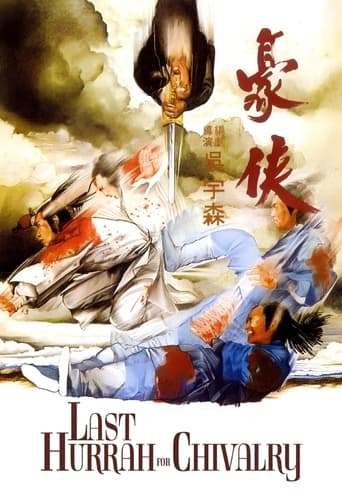
Kao has purchased a new wife, but an enemy has paid her more money to kill him. Kao must recruit a pair of swordsmen to help defend himself and his family from his ruthless enemy. But Kao has his dark side as well.
An adaptation of Thomas Wolfe's literary classic, telling of the struggles of a young writer determined to be a success in New York's literary world of the 1920s, his married lover, and the brilliant editor who sees him as a blossoming genius. The story parallels the life of Wolfe himself and his affair with stage designer Aline Bernstein.
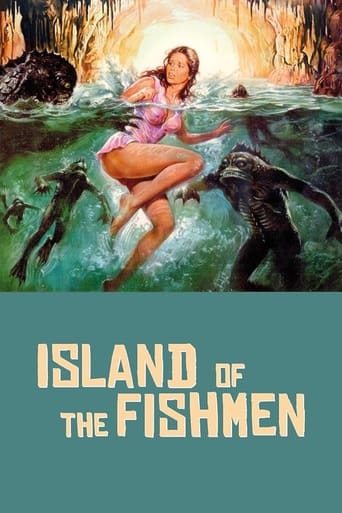
After their prison ship sinks in the Caribbean, a group of prisoners and a doctor wash ashore on a seemingly deserted island. They soon discover a strange couple, who invite them to stay at their house. While the prisoners plan an escape, the doctor does some investigating, and soon finds out just what the pair are really doing, and why the prisoners keep disappearing mysteriously.
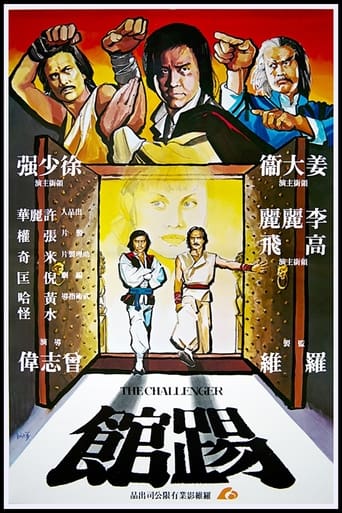
Two top class kung fu fighters challenge all the top kung fu masters in the land, one motivated by revenge, the other by greed. The two fighters team up to face their ultimate challenge in the form of Master Pao, played by Philip Ko.
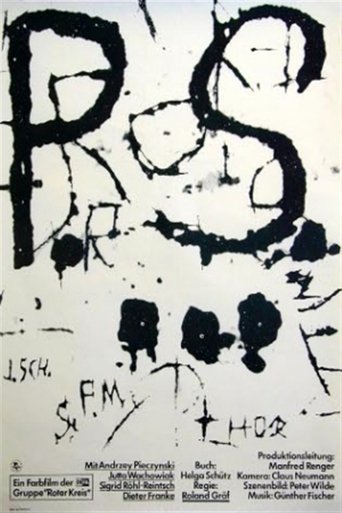
When he reaches age 18, Peter is released from the children's home where he grew up, but this does not mean he is truly ready for adult life.
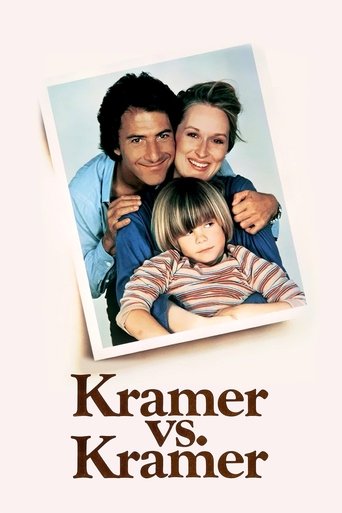
Ted Kramer is a career man for whom his work comes before his family. His wife Joanna cannot take this anymore, so she decides to leave him. Ted is now faced with the tasks of housekeeping and taking care of himself and their young son Billy.
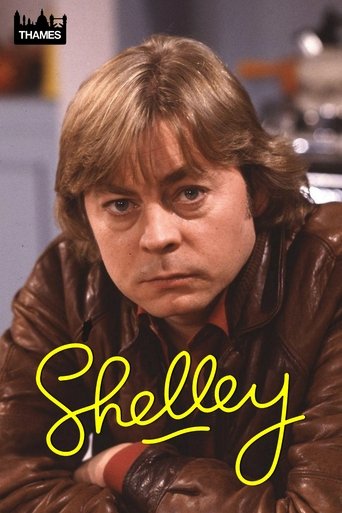
James Shelley, an educated, sardonic, permanently unemployed "professional freelance layabout," has many battles with authority, the tax-man, his landlady, and his girlfriend Fran.

60 Minutes, an Australian version of the U.S. television newsmagazine 60 Minutes, airs on Sunday nights on the Nine Network and is presented in much the same way as the American program on which it is based. The New Zealand version of the show has also featured segments of the Australian version. Gerald Stone, the founding executive producer, was given the job by Kerry Packer and was told: "I don't give a f... what it takes. Just do it and get it right." After the first episode was broadcast on 11 February 1979, Packer was less than impressed, telling Stone: "You've blown it, son. You better fix it fast." Over the years, Stone's award winning 60 Minutes revolutionised Australian current affairs reporting and enhanced the careers of Ray Martin, Ian Leslie, George Negus, and later Jana Wendt. Since it was first broadcast, 60 Minutes has won five Silver Logies, one Special Achievement Logie, and received nominations for a further six Logie awards.
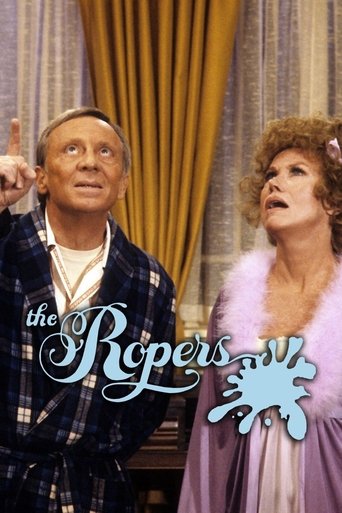
The Ropers is an American sitcom that ran from March 13, 1979 to May 22, 1980 on ABC. The series is a spin-off of Three's Company and based on the British sitcom George and Mildred. The series focused on middle-aged couple Stanley and Helen Roper who were landlords to Jack, Janet, and Chrissy on Three's Company. As was the case during their time on Three's Company, opening credits for The Ropers exist with either Audra Lindley or Norman Fell credited first.
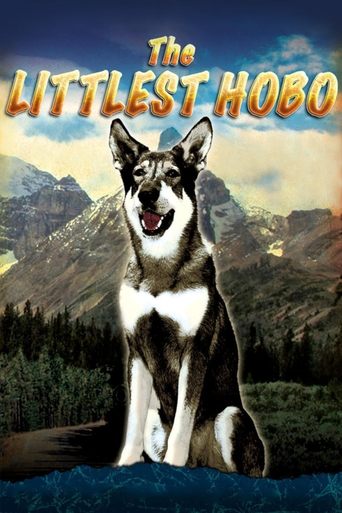
The Littlest Hobo is a Canadian television series based upon a 1958 American film of the same name directed by Charles R. Rondeau. The series first aired from 1963 to 1965 in syndication, spanning six seasons and was revived for a popular second run on CTV from October 11, 1979 to March 7, 1985. It starred an ownerless dog. All three productions revolved around a stray German Shepherd, the titular Hobo, who wanders from town to town, helping people in need. Although the concept was perhaps similar to that of Lassie, the Littlest Hobo's destiny was to befriend those who apparently needed help. Despite the attempts of the many people whom he helped to adopt him, he appeared to prefer to be on his own, and would head off by himself at the end of each episode. Never actually named on-screen, the dog is often referred to by the name Hobo or by the names given by temporary human companions. Hobo's background is also unexplained on-screen. His origins, motivation and ultimate destination are also never explained. Although some characters appeared in more than one episode, the only constant was the Littlest Hobo himself.
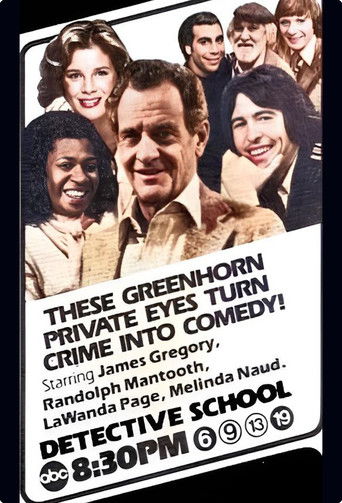
Detective School is an American television sitcom that aired on ABC for four months in 1979, for a total of 13 episodes. The show was about an assortment of students who went to night school to learn basic detective skills, but who kept getting caught up in real criminal cases and getting themselves and their teacher into trouble. This show was written, directed, and produced by Jeff Harris and Bernie Kukoff, the creators of Diff'rent Strokes.


The Good, the Bad and the Ugly is a TVB television series, premiered on 1 September 1979. Theme song "The Good, the Bad and the Ugly" composition and arrangement by Joseph Koo, lyricist by Tang Wai Hung, sung by Teresa Cheung.
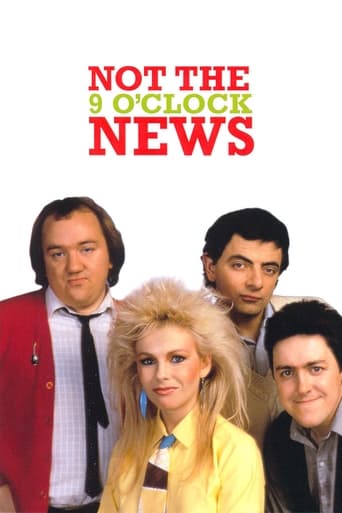
Classic sketch comedy show satirising the news and culture of the late 70s and early 80s which introduced Rowan Atkinson, Mel Smith, Griff Rhys Jones and Pamela Stephenson.

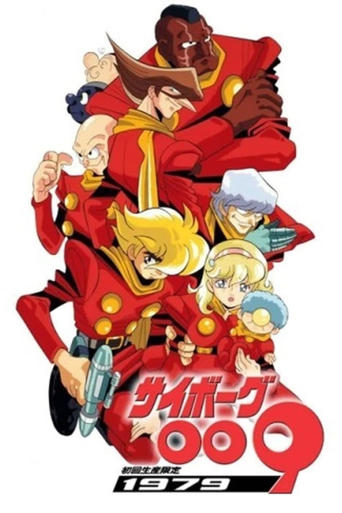
Five years after the defeat of the Black Ghost organization and returning to their average lives, the 00 Cyborgs are called back into action to fight off cyborgs based off the Norse Gods, followed by a new enemy organization known as the Neo Black Ghost.

The King of the Flower Planet is dying, but his heir can't take up the throne until the legendary Seven Color Flower, symbol of the King's power, is found. The Angels Cateau and Noveau are sent to Earth to find the Flower Girl, a young female who descends from both humans and Flower Angels (who once inhabited Earth, long ago) - and they find Lunlun in France. They convince her to go in a long journey to find the Flower - she'll know the good and bad sides of humans and Flower Angels (incarnated in the ambitious Togenishia and her sidekick Boris), and will fall in love with Serge Flora, a man who holds a great secret.

Raised from birth as a man, the Lady Oscar commands the palace guards at Versailles in the years before the French Revolution. Her beauty and noble spirit make her a shining figure in the eyes of both men and women but she is torn between her chosen life of service and duty to class and country and her own heart and desires. She lives as a noble amidst the opulence of Versailles but her keen senses and compassion are not blinded to the poverty of the French people.

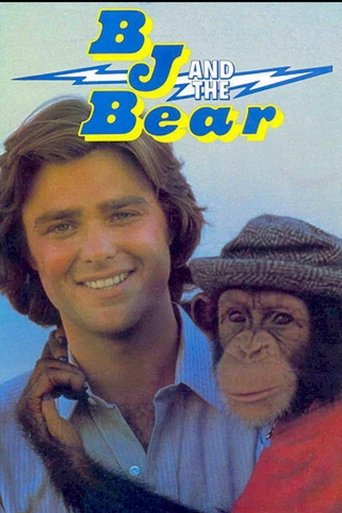
B.J. and the Bear is an American comedy series which aired on NBC from 1979 to 1981. Created by Christopher Crowe and Glen A. Larson, the series stars Greg Evigan and Claude Akins.
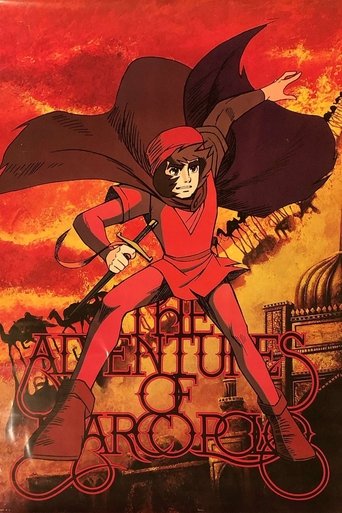
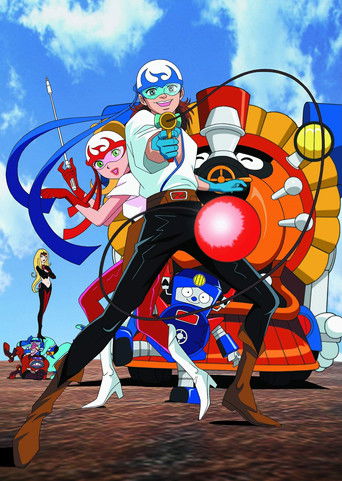
Dr Monja is a scientist, who is curious about the nature of the legendary "Elixir of Life" which grants the user eternal lifetimes and forever youth. He built a device called the "Time Tunnel" in order to let a team of youngsters to start a quest down the timeline and various spaces to find an exact answer. The Akudama Trio, however, is also seemingly after exactly the same thing. Who will get it first?
You Can't Do That on Television is a Canadian television program that first aired locally in 1979 before airing internationally in 1981. It featured pre-teen and teenaged actors in a sketch comedy format. Each episode had a theme. The show was notable for launching the careers of many performers, including Alanis Morissette, and writer Bill Prady, who would write and produce shows like The Big Bang Theory, Gilmore Girls and Dharma and Greg. The show was produced by and aired on Ottawa's CTV station CJOH-TV. After production ended in 1990, the show continued in reruns on Nickelodeon through 1994, when it was replaced with the similar All That. The show is synonymous with Nick, and was at that time extremely popular, with the highest ratings overall on the channel. The show is also well known for introducing the network's iconic slime. The program is the subject of the 2004 feature-length documentary, You Can't Do That on Film, directed by David Dillehunt.

