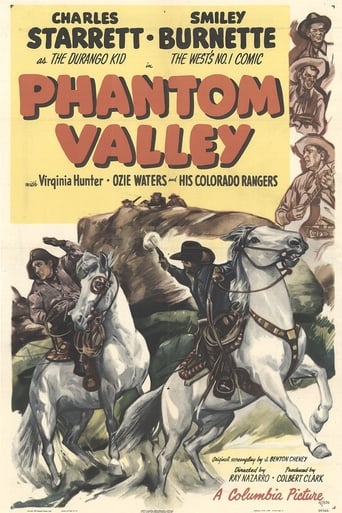
Phantom Valley 1948
The Durango Kid, along with assistance from sidekick Smiley Burnett, investigates a pair of murders that threaten to fuel a range war.
The Durango Kid, along with assistance from sidekick Smiley Burnett, investigates a pair of murders that threaten to fuel a range war.
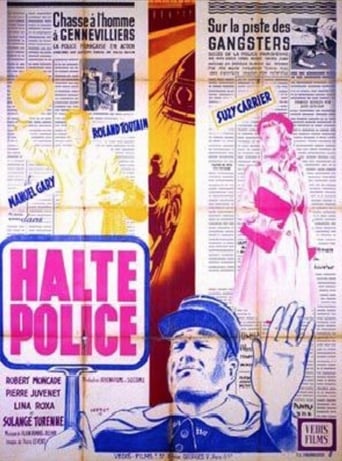
Darrac, a reporter for Paris-Inter, and Nicole, a journalist for Le Soir-Express, know each other, compete and end up falling in love over the three police investigations they follow for their newspapers.
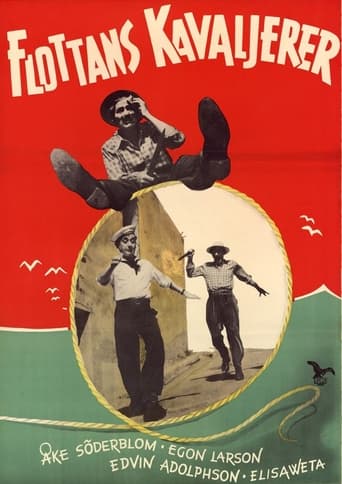
Baron Conrad Crusenhielm is hit in the head during a drunken brawl. Suffering from amnesia, he is mistaken for the lost sailor Karlsson and taken to the navy vessel Fylgia.
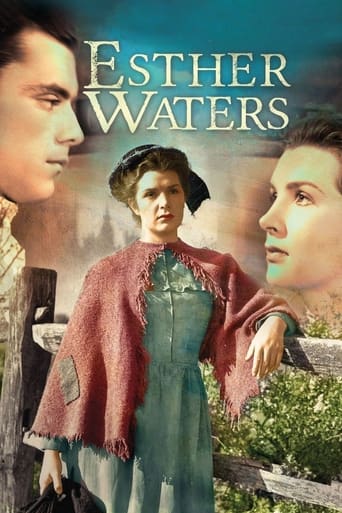
Esther goes into service in Victorian England, only to be seduced by the sweet talking groom William, who then takes off with his employer's daughter. Left alone to bring up the child, Esther manages and after 7 years has a chance at happiness. Then William turns up again...
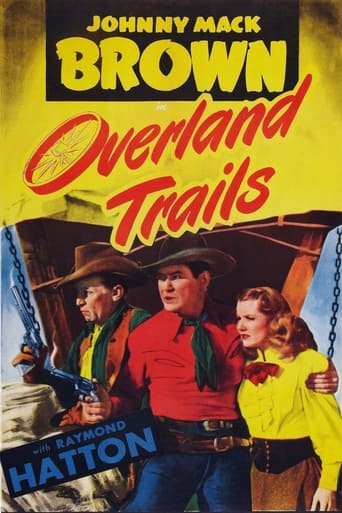
Johnny Mack Brown stars in this above-average B-Western from Monogram, penned under the pseudonym of Jess Bowers by veteran genre specialist Adele Buffington. Mack Brown plays Johnny Murdoch, a drifter arriving in Gold Flats in search of his prospector father. From old-timer Dusty Hanover (Raymond Hatton), Johnny learns that Old Man Murdoch was murdered for his claim by Rex Hillman (Holly Bane), a hireling of Carter Morgan (Bill Kennedy).
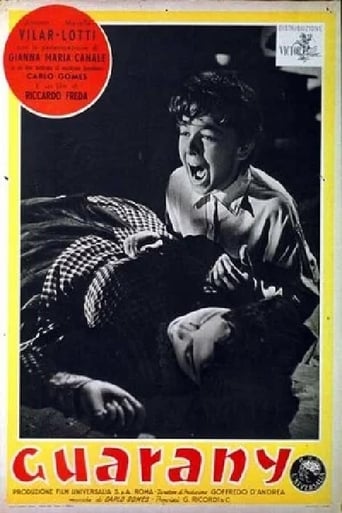
Based on José de Alencar's novel, directed by Riccardo Freda.
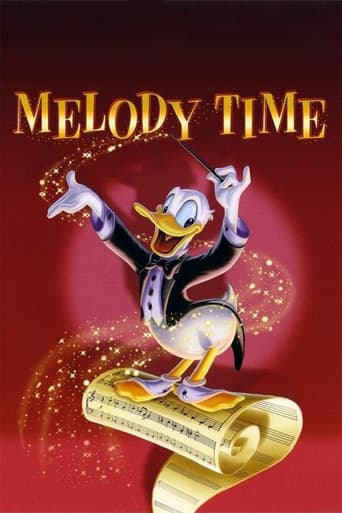
In the grand tradition of Disney's great musical classics, Melody Time features seven timeless stories, each enhanced with high-spirited music and unforgettable characters. You'll be sure to tap your toes and clap your hands in this witty feast for the eyes and ears.
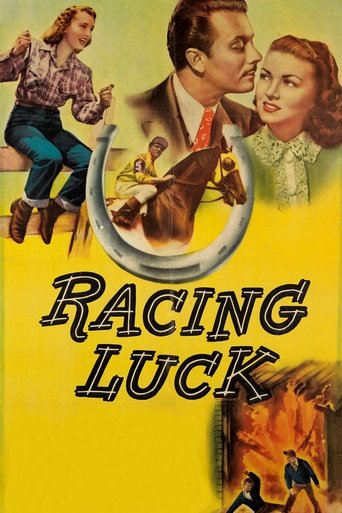
Brother and sister "Boots" Warren and Phyllis Warren inherit two race horses. One of the horses is claimed by a rival horse-owner, Jeff Stuart, when it wins a claiming race at Santa Anita. Then Stuart learns that the horse will not run without its former stablemate. But neither Stuart nor the Warrens want to give up their respective horses. It is finally agreed that both horses will be entered in the same race, and the winning owner will gain possession of both horses. The only complication is that Phyllis has fallen in love with Stuart.
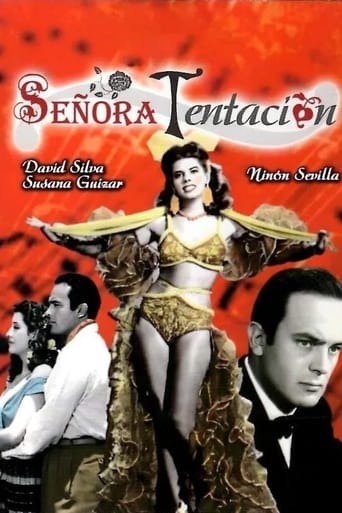
Famous singer hires a pianist/songwriter on the strength of his compositions, then seduces him away from his fiancee and from the paths of righteousness in general.
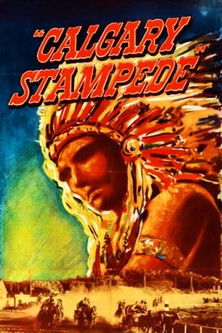
The pageantry of Calgary's colorful celebration of its past, culminating with its world famous rodeo, is chronicled.
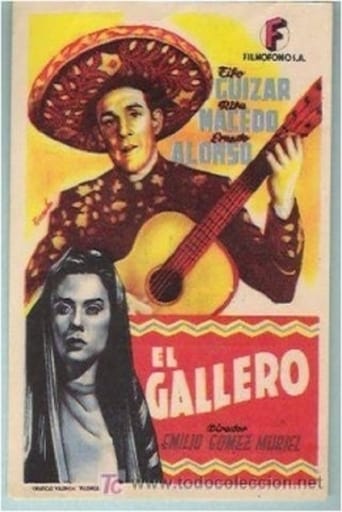
In Michoacan in the 1920s, Gabriel, a young farmer and champion cockfighter, finds himself in violent opposition to Roman, who not only wants to beat Gabriel's fighting cock, but to steal Gabriel's wife Rosa.
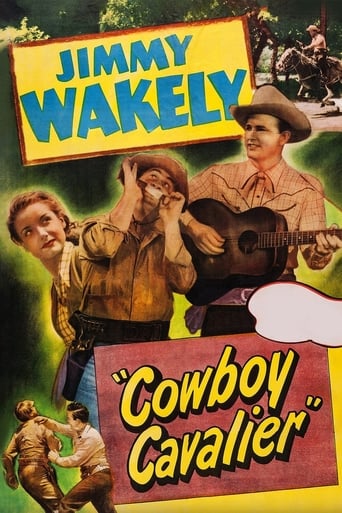
Jimmy Wakely and "Cannonball" Taylor protect shipments along a stage and freight line from villainous bandits.
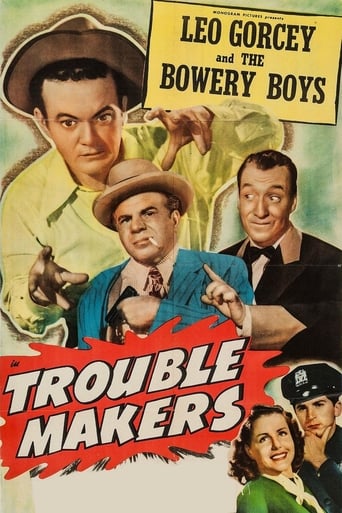
Slip and Sach are in the sidewalk star-gazing business when they see a murder committed in a room at the El Royale Hotel.
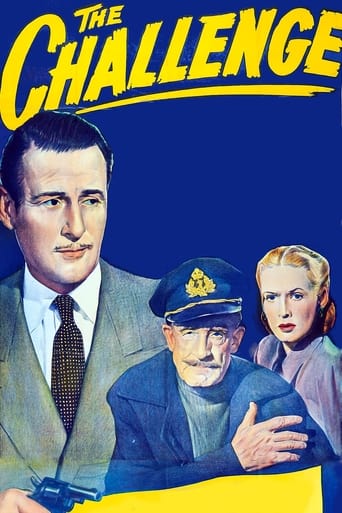
Bulldog Drummond investigates the murder of a sea captain who died before revealing the location of his hidden gold.
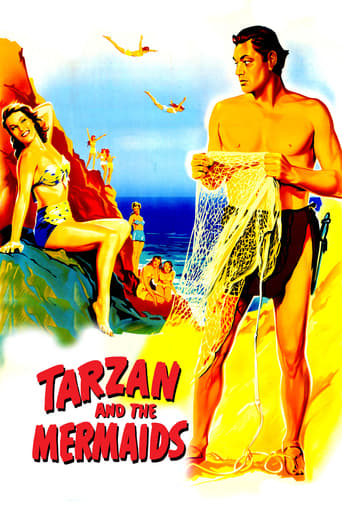
A high priest tries to force a young beauty to marry a pearl trader who is masquerading as the god Balu.

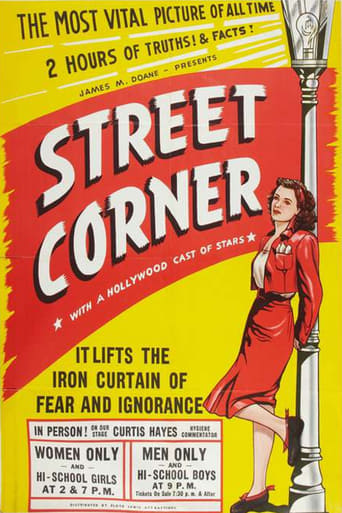
Naive small-town girl gets pregnant on her prom night, and winds up in the clutches of the local abortionist. Depending on the release presentation, the movie includes an animation of conception, filmed vaginal and caesarian section births, and a filmed presentation on how syphilis and gonorrhea present themselves.
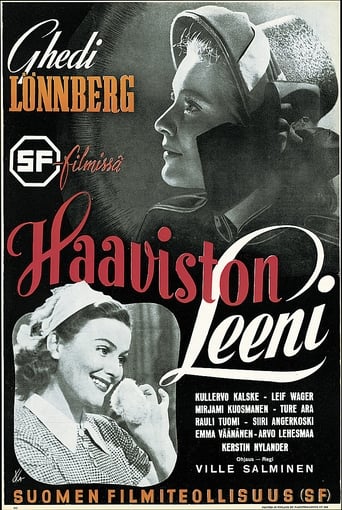
Leeni, a country girl, leaves to seek her fortune in Helsinki, but encounters numerous difficulties.
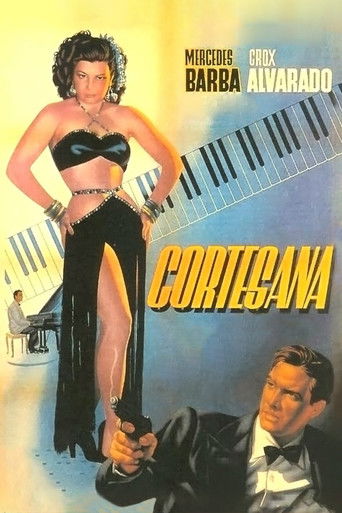
Young woman breaks up with her fiance to shack up with her sister's husband.
Uttam Kumar's debut film. A tragic tale of love, loss, and redemption.
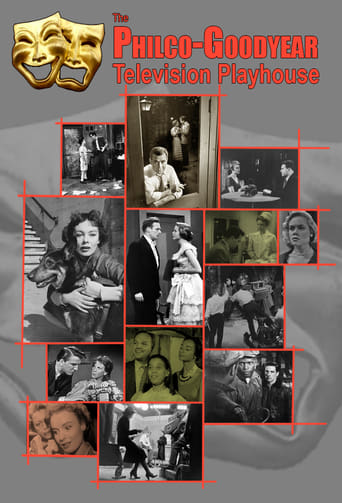
The Philco Television Playhouse is an American anthology series that was broadcast live on NBC from 1948 to 1955. Produced by Fred Coe, the series was sponsored by Philco. It was one of the most respected dramatic shows of the Golden Age of Television, winning a 1954 Peabody Award and receiving eight Emmy nominations between 1951 and 1956.
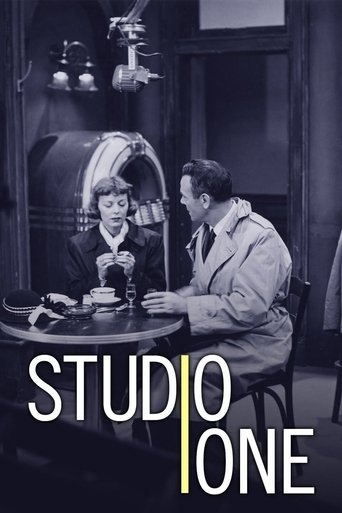
An American radio–television anthology series, created in 1947 by Canadian director Fletcher Markle, who came to CBS from the CBC. Studio One, presented by Westinghouse, was one of the first of the anthology TV programs. The episodes were often abridged remakes of movies from years gone by and many future well-known television and movie actors appeared in the productions.
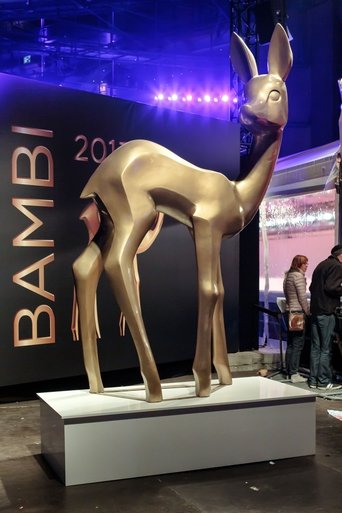
The Bambi, often called the Bambi Award and stylised as BAMBI, is a German award presented annually by Hubert Burda Media to recognize excellence in international media and television to personalities in the media, arts, culture, sports, and other fields "with vision and creativity who affected and inspired the German public that year", both domestic and foreign. First held in 1948, it is the oldest media award in Germany. The trophy is named after Felix Salten's book Bambi, A Life in the Woods and its statuettes are in the shape of the novel's titular fawn character. They were originally made of porcelain until 1958, when the organizers switched to using gold, with the casting done by the art casting workshop of Ernst Strassacker in Süßen.
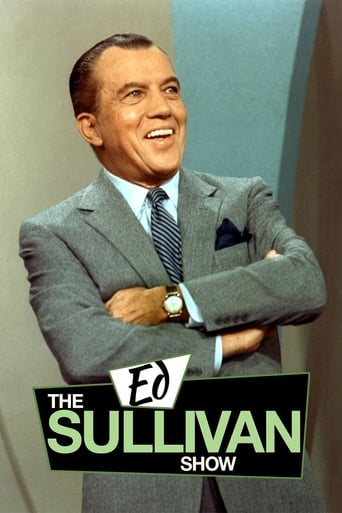
The Ed Sullivan Show is an American TV variety show that originally ran on CBS from Sunday June 20, 1948 to Sunday June 6, 1971, and was hosted by New York entertainment columnist Ed Sullivan. It was replaced in September 1971 by the CBS Sunday Night Movie, which ran only one season and was eventually replaced by other shows. In 2002, The Ed Sullivan Show was ranked #15 on TV Guide's 50 Greatest TV Shows of All Time.
Ford Theatre, spelled Ford Theater for the radio version and known as Ford Television Theatre for the TV version, was a radio and television anthology series broadcast in the United States in the 1940s and 1950s. At various times the television series appeared on all three major television networks, while the radio version was broadcast on two separate networks and on two separate coasts. Ford Theatre was named for its sponsor, the Ford Motor Company, which had an earlier success with its concert music series, The Ford Sunday Evening Hour.
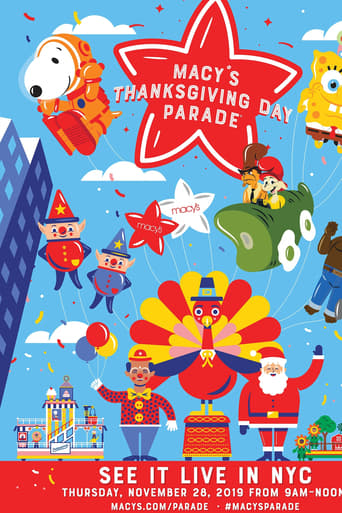
The Macy's Thanksgiving Day Parade is an annual parade presented by the U.S. chain store business Macy's. The tradition started in 1924, tying it for the second-oldest Thanksgiving parade in the United States along with America's Thanksgiving Parade in Detroit, with both parades four years younger than the 6abc Dunkin' Donuts Thanksgiving Day Parade in Philadelphia. The three-hour Macy's event is held in New York City starting at 9:00 a.m. EST on Thanksgiving Day.
Actors Studio is an American TV show which aired for 65 episodes, from September 26, 1948 to October 26 on the fledgling ABC Television Network; then from November 1, 1949 to June 23, 1950 on CBS Television. It was hosted by Mark Connelly. The series showcased short pieces of adapted, classic and original drama, performed and produced live each week. Among some of the known authors were William Saroyan, James Thurber, Ring Lardner, Edgar Allan Poe, Irwin Shaw and Budd Schulberg. Featured actors included Martin Balsam, Richard Boone, Marlon Brando, Hume Cronyn, Julie Harris, Jean Muir and Jessica Tandy. Recurring performers included Jocelyn Brando, Tom Ewell, Steven Hill, Kim Hunter and Cloris Leachman. In February 1950, the series moved to Friday nights and was expanded to one hour, alternating every other week with broadcasts of Ford Theatre. In March, the name of the show was changed to The Play's the Thing. The series received a Peabody Award in 1948 for pioneering in the field of televised drama.
ABC World News is the flagship daily evening television news program of ABC News, the news division of the American Broadcasting Company television network in the United States. Currently the weekday editions (going by title ABC World News Tonight with David Muir) are anchored by David Muir. ABC World News has been anchored at various times by a number of other people since its debut in 1953. It also has used various titles, including ABC Evening News from 1970 to 1978 and World News Tonight from 1978 to 2006.
Lamp Unto My Feet is an American religious television program that was produced by CBS and broadcast on Sunday mornings from 1948 to 1979.
The Chevrolet Tele-Theatre is an American anthology series that aired live on NBC Mondays at 8 pm EST from September 27, 1948 to June 26, 1950. Guests who appeared on the series included Faye Emerson, Edward Everett Horton, Basil Rathbone, Nina Foch, and Boris Karloff.
Texaco Star Theater is an American comedy-variety show, broadcast on radio from 1938 to 1949 and telecast from 1948 to 1956. It was one of the first successful examples of American television broadcasting, remembered as the show that gave Milton Berle the nickname "Mr. Television". The classic 1940–44 version of the program, hosted by radio's Fred Allen, was followed by a radio series on ABC in the spring of 1948. When Texaco first took it to television on NBC on June 8, 1948, the show had a huge cultural impact.
An anthology series based in New York City which attracted a high caliber group of actors, often Broadway stars. Stories were both drama and comedies, some original but others adaptions of films and plays.
Candid Camera is an American hidden camera/practical joke reality television series created and produced by Allen Funt, which initially began on radio as Candid Microphone June 28, 1947. After a series of theatrical film shorts, also titled Candid Microphone, Funt's concept came to television on August 10, 1948. The show last aired for 10 episodes in 2014 on the TV Land network. A documentary about Allen Funt is currently in the works by the Candid Camera crew. The format has appeared on U.S. TV networks and in syndication in each succeeding decade, as either a regular show or a series of specials. Allen Funt himself hosted or co-hosted almost all of the TV versions until a 1993 stroke from which he never recovered. His son Peter Funt, who had co-hosted the specials with his father since 1987, became the producer and host.
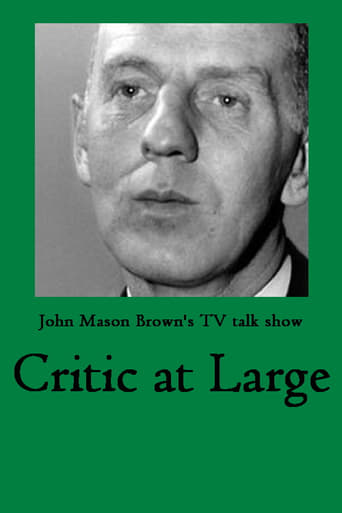
Author and critic John Mason Brown, who once commented that "some television programs are so much chewing gum for the eyes," offered this intellectual alternative in 1948-1949. It consisted of an informal living-room discussion on the arts with two or three guests, of the caliber of author James Michener, producer Billy Rose, publishrer Bennet Cerf, and critic Bosley Crowther. The subjects ranged from modern art to new novels, films, the theater and fashions.
We the People was a 30-minute talk show, first on CBS for one season and then on NBC for two seasons. The host interviewed politicians, celebrities, and everyday people.
The Camel News Caravan was a 15-minute American television news program aired by NBC News from February 14, 1949, to October 26, 1956. Sponsored by the Camel cigarette brand and anchored by John Cameron Swayze, it was the first NBC news program to use NBC filmed news stories rather than movie newsreels. On February 16, 1954, the Camel News Caravan became the first news program broadcast in color, making use of 16mm color film. In early 1955, the R.J. Reynolds Tobacco Company, maker of Camel cigarettes, cut back its sponsorship to three days a week. Chrysler's Plymouth division sponsored the other days, and on those days, the program was labelled the Plymouth News Caravan. The program featured a young Washington correspondent named David Brinkley, and competed against Douglas Edwards with the News on rival CBS. With greater resources, the News Caravan attracted a larger audience than its CBS competition until 1955. Launched on February 16, 1948, by NBC as NBC Television Newsreel, and later Camel Newsreel Theatre it began as a 10-minute program that featured Fox Movietone News newsreels. John Cameron Swayze provided voice-over for the series. The Camel News Caravan was an expanded version of the Camel Newsreel Theatre feature Swayze on-camera.
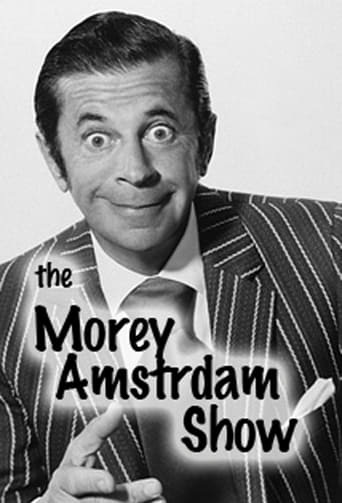
The Morey Amsterdam Show is an American sitcom which ran from 1948-1949 on CBS Television and 1949-1950 on the DuMont Television Network, for a total of 71 episodes.
The Swift Show is an American variety/game show that aired on Thursdays at 8:30pm EST on NBC premiering April 1, 1948 and running to 1949.
Who Said That? is a 1947-55 NBC radio-television game show, in which a panel of celebrities attempts to determine the speaker of a quotation from recent news reports. The series was first proposed and edited by Fred W. Friendly, later of CBS News.
