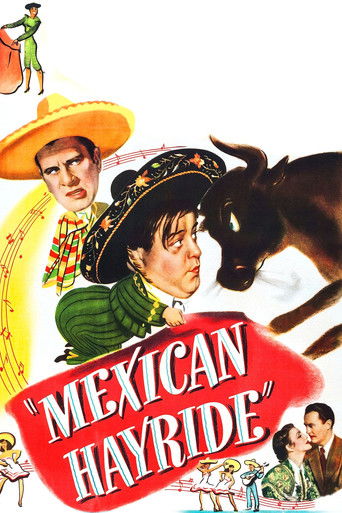
Mexican Hayride 1948
Two con men selling phony stock flee to Mexico ahead of the law, where they run into a woman friend from their earlier days, who is now a bullfighter.
Two con men selling phony stock flee to Mexico ahead of the law, where they run into a woman friend from their earlier days, who is now a bullfighter.
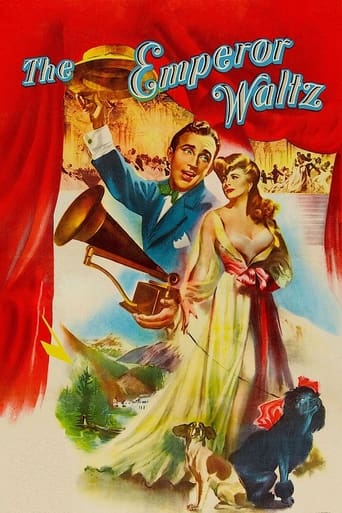
A brash American gramophone salesman tries to get Emperor Franz Joseph's endorsement in turn-of-the-century Austria.
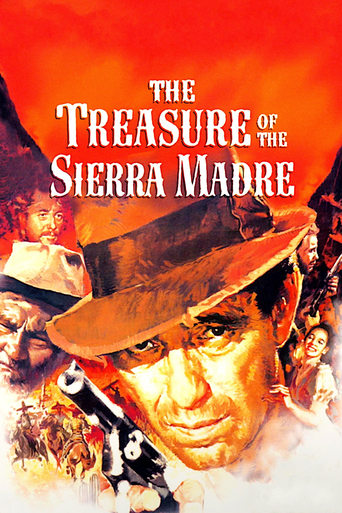
Two jobless Americans convince a prospector to travel to the mountains of Mexico with them in search of gold. But the hostile wilderness, local bandits, and greed all get in the way of their journey.
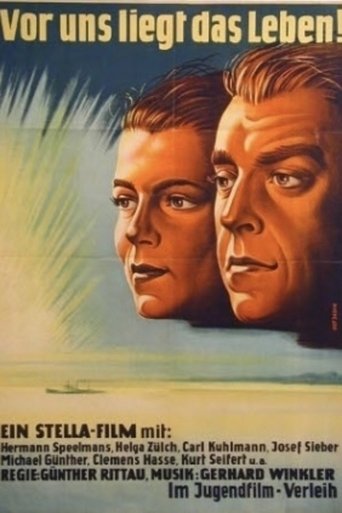
Captain Harms still suffers from the bomb attack on his ship. He can not put up with sitting on land, but is afraid of take to the sea. Slowly he is becoming more and more frustrated and gradually falls into alcohol addiction.
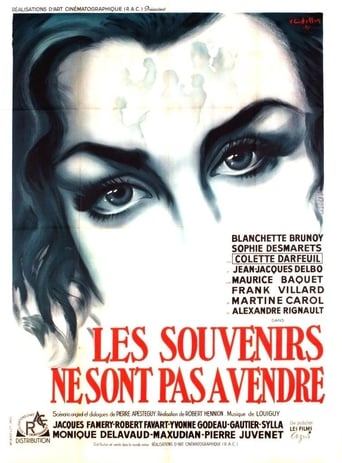
A man remembers all the incredible stories that took place in his hotel.
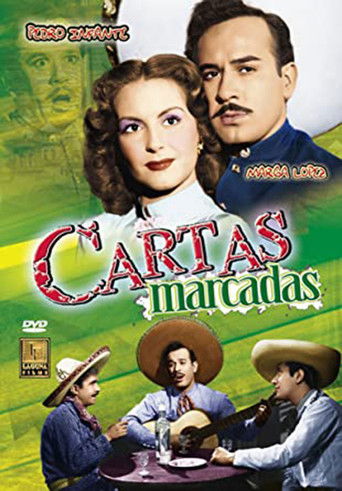
A tale of intrigue and deceit concerning two young lovers who, despite the fact that their relationship was originally founded on greed, soon discover that their feelings for one and other have grown more genuine than they ever expected.
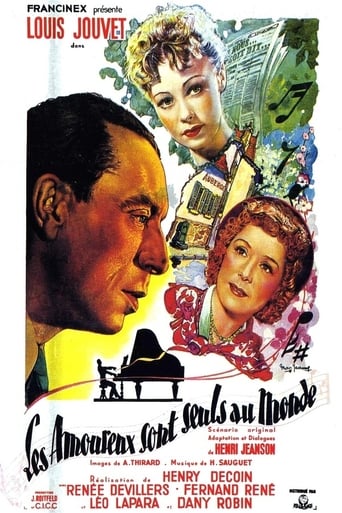
A beautiful young pianist falls for her mentor.
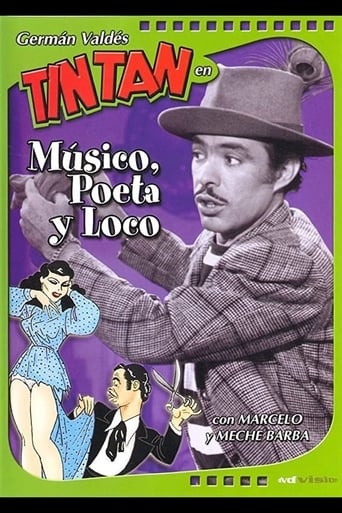
An underaged heiress is sent to a reformatory by her unscrupulous guardians to prevent her from fulfilling the conditions of her father's will. Meanwhile, a street-vendor gets mistaken for an eminent psychologist and is hired to teach at that reformatory.
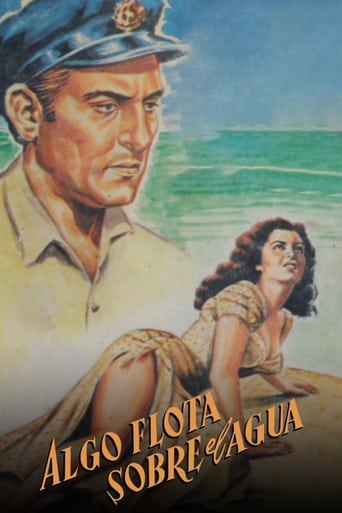
Labor disputes and love triangles among coastal-village fishermen.

How, in November 1945, after the end of the World War II and the fall of the Third Reich, the international prosecutors participating in the first Nuremberg trial —formally, the International Military Tribunal— built their case against the top Nazi war criminals using the films and records produced by the own regime, obsessed with documenting everything in its long path of infamy and crime.

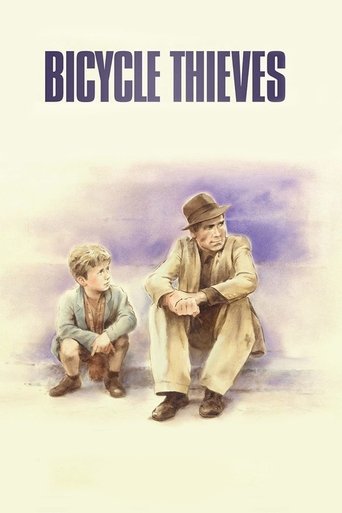
Unemployed Antonio is elated when he finally finds work hanging posters around war-torn Rome. However on his first day, his bicycle—essential to his work—gets stolen. His job is doomed unless he can find the thief. With the help of his son, Antonio combs the city, becoming desperate for justice.
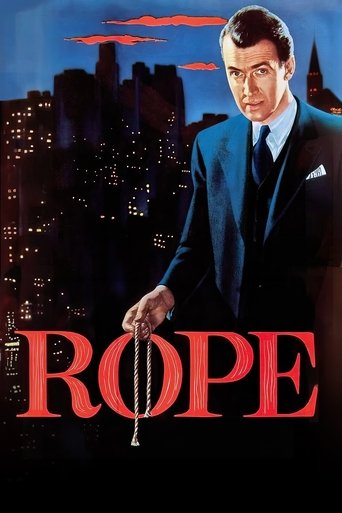
Two young men attempt to prove they committed the perfect murder by hosting a dinner party for the family of a classmate they just strangled to death.
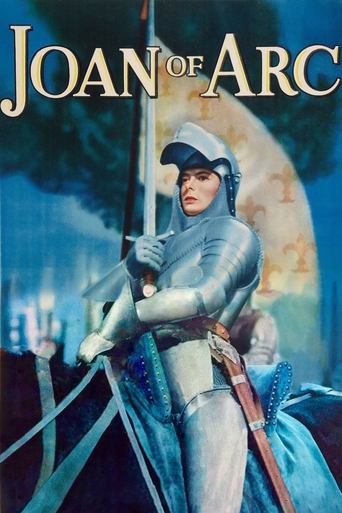
In the 15th Century, France is a defeated and ruined nation after the One Hundred Years War against England. The fourteen-year-old farm girl Joan of Arc claims to hear voices from Heaven asking her to lead God's Army against Orleans and crowning the weak Dauphin Charles VII as King of France. Joan gathers the people with her faith, forms an army, and conquers Orleans.
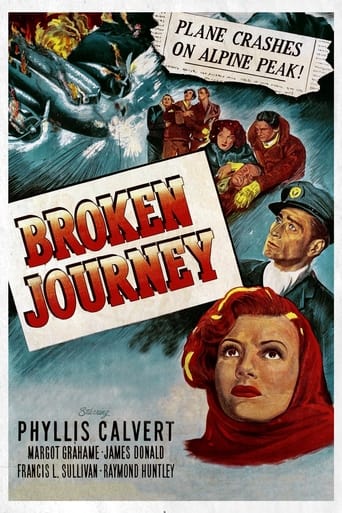
A plane flying over the Swiss Alps develops engine trouble and is forced to crash-land on a glacier. Unable to radio for help because of damaged batteries and with limited food supplies, the survivors must come to a decision -- whether to stay and wait for help they believe is coming or to leave the shelter of the wrecked plane and set out in bad weather to try to reach civilization.
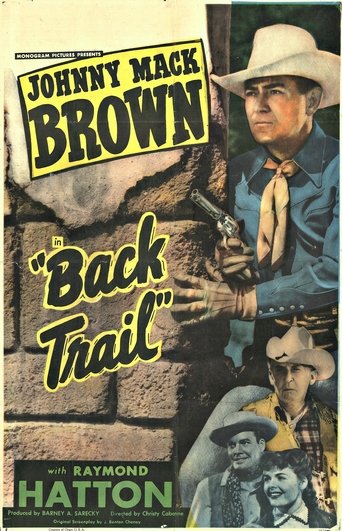
Back Trail is one of the livelier entries in Monogram's Johnny Mack Brown western series. Brown rides into a small town where he becomes embroiled in a blackmail scheme. The town's banker (Ted Adams), a pillar of respectability, once served a jail term. Outlaw leader Pierce Lyden threatens to reveal Adams' secret if the banker doesn't let him know in advance when the gold shipments are going through. Adams tearfully tells Brown the whole story, whereupon Johnny rides shotgun on the next shipment himself. Back Trail was one of the last films directed by workhorse Christy Cabanne, whose career stretched all the way back to the D.W. Griffith days.
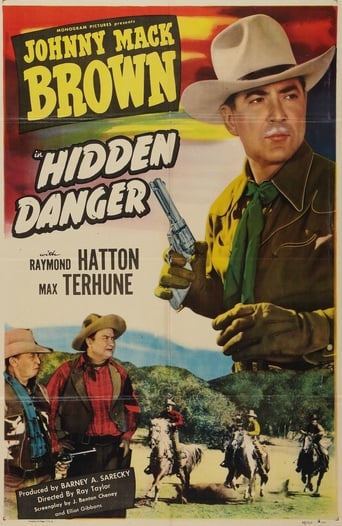
Johnny and Banty come in contact with a cattlemen's protective organization. Ostensibly an honest venture, the association is the front for an extortion racket, headed by a gent named Carson.
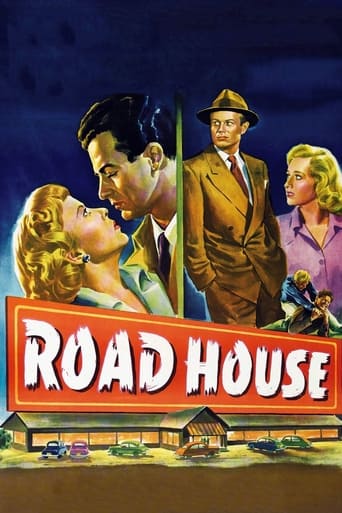
A night club owner becomes infatuated with a torch singer and frames his best friend/manager for embezzlement when the chanteuse falls in love with him.
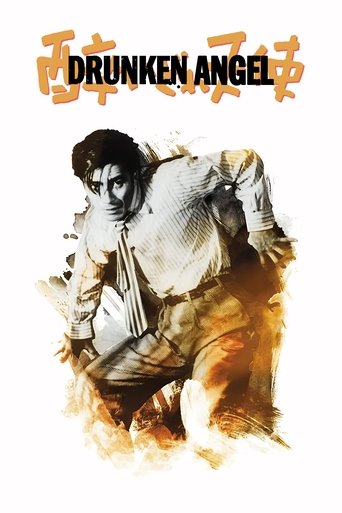
In postwar Tokyo, a blunt, alcohol-soaked doctor diagnoses a swaggering young yakuza with tuberculosis, forging an uneasy bond that’s tested when the gangster’s ruthless former boss returns and drags him back toward the swampy underworld he can’t escape.
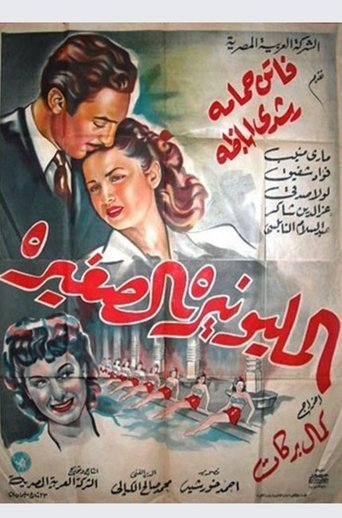
A girl's love for a pilot is hindered by her grandmother's disapproval of the match because he is of a lower social class. When the grandmother dies, however, the man has a sudden change of heart and refuses to marry his sweetheart, fearing that she might think he's after the money she inherited.
Ford Theatre, spelled Ford Theater for the radio version and known as Ford Television Theatre for the TV version, was a radio and television anthology series broadcast in the United States in the 1940s and 1950s. At various times the television series appeared on all three major television networks, while the radio version was broadcast on two separate networks and on two separate coasts. Ford Theatre was named for its sponsor, the Ford Motor Company, which had an earlier success with its concert music series, The Ford Sunday Evening Hour.
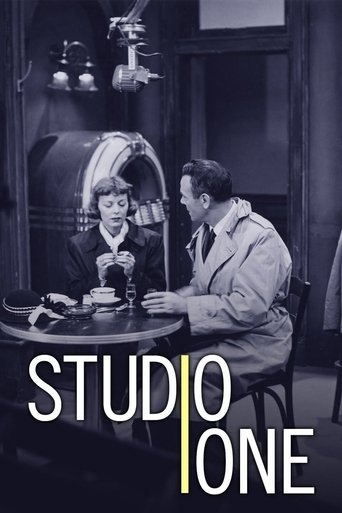
An American radio–television anthology series, created in 1947 by Canadian director Fletcher Markle, who came to CBS from the CBC. Studio One, presented by Westinghouse, was one of the first of the anthology TV programs. The episodes were often abridged remakes of movies from years gone by and many future well-known television and movie actors appeared in the productions.
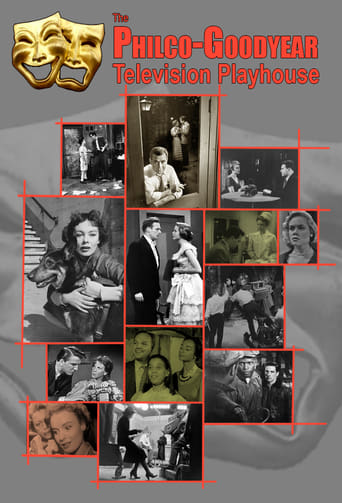
The Philco Television Playhouse is an American anthology series that was broadcast live on NBC from 1948 to 1955. Produced by Fred Coe, the series was sponsored by Philco. It was one of the most respected dramatic shows of the Golden Age of Television, winning a 1954 Peabody Award and receiving eight Emmy nominations between 1951 and 1956.

The Bambi, often called the Bambi Award and stylised as BAMBI, is a German award presented annually by Hubert Burda Media to recognize excellence in international media and television to personalities in the media, arts, culture, sports, and other fields "with vision and creativity who affected and inspired the German public that year", both domestic and foreign. First held in 1948, it is the oldest media award in Germany. The trophy is named after Felix Salten's book Bambi, A Life in the Woods and its statuettes are in the shape of the novel's titular fawn character. They were originally made of porcelain until 1958, when the organizers switched to using gold, with the casting done by the art casting workshop of Ernst Strassacker in Süßen.
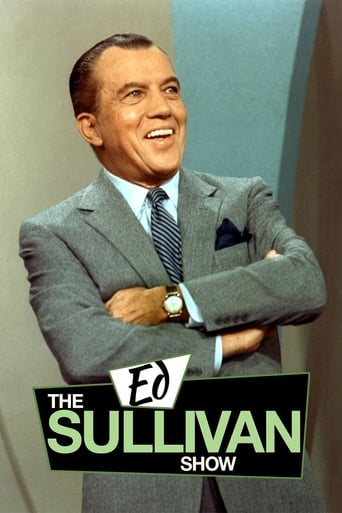
The Ed Sullivan Show is an American TV variety show that originally ran on CBS from Sunday June 20, 1948 to Sunday June 6, 1971, and was hosted by New York entertainment columnist Ed Sullivan. It was replaced in September 1971 by the CBS Sunday Night Movie, which ran only one season and was eventually replaced by other shows. In 2002, The Ed Sullivan Show was ranked #15 on TV Guide's 50 Greatest TV Shows of All Time.
Actors Studio is an American TV show which aired for 65 episodes, from September 26, 1948 to October 26 on the fledgling ABC Television Network; then from November 1, 1949 to June 23, 1950 on CBS Television. It was hosted by Mark Connelly. The series showcased short pieces of adapted, classic and original drama, performed and produced live each week. Among some of the known authors were William Saroyan, James Thurber, Ring Lardner, Edgar Allan Poe, Irwin Shaw and Budd Schulberg. Featured actors included Martin Balsam, Richard Boone, Marlon Brando, Hume Cronyn, Julie Harris, Jean Muir and Jessica Tandy. Recurring performers included Jocelyn Brando, Tom Ewell, Steven Hill, Kim Hunter and Cloris Leachman. In February 1950, the series moved to Friday nights and was expanded to one hour, alternating every other week with broadcasts of Ford Theatre. In March, the name of the show was changed to The Play's the Thing. The series received a Peabody Award in 1948 for pioneering in the field of televised drama.
Lamp Unto My Feet is an American religious television program that was produced by CBS and broadcast on Sunday mornings from 1948 to 1979.

ABC World News is the flagship daily evening television news program of ABC News, the news division of the American Broadcasting Company television network in the United States. Currently the weekday editions (going by title ABC World News Tonight with David Muir) are anchored by David Muir. ABC World News has been anchored at various times by a number of other people since its debut in 1953. It also has used various titles, including ABC Evening News from 1970 to 1978 and World News Tonight from 1978 to 2006.

The Macy's Thanksgiving Day Parade is an annual parade presented by the U.S. chain store business Macy's. The tradition started in 1924, tying it for the second-oldest Thanksgiving parade in the United States along with America's Thanksgiving Parade in Detroit, with both parades four years younger than the 6abc Dunkin' Donuts Thanksgiving Day Parade in Philadelphia. The three-hour Macy's event is held in New York City starting at 9:00 a.m. EST on Thanksgiving Day.
Texaco Star Theater is an American comedy-variety show, broadcast on radio from 1938 to 1949 and telecast from 1948 to 1956. It was one of the first successful examples of American television broadcasting, remembered as the show that gave Milton Berle the nickname "Mr. Television". The classic 1940–44 version of the program, hosted by radio's Fred Allen, was followed by a radio series on ABC in the spring of 1948. When Texaco first took it to television on NBC on June 8, 1948, the show had a huge cultural impact.
An anthology series based in New York City which attracted a high caliber group of actors, often Broadway stars. Stories were both drama and comedies, some original but others adaptions of films and plays.
The Chevrolet Tele-Theatre is an American anthology series that aired live on NBC Mondays at 8 pm EST from September 27, 1948 to June 26, 1950. Guests who appeared on the series included Faye Emerson, Edward Everett Horton, Basil Rathbone, Nina Foch, and Boris Karloff.
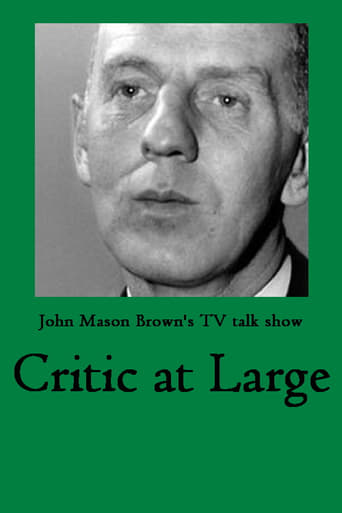
Author and critic John Mason Brown, who once commented that "some television programs are so much chewing gum for the eyes," offered this intellectual alternative in 1948-1949. It consisted of an informal living-room discussion on the arts with two or three guests, of the caliber of author James Michener, producer Billy Rose, publishrer Bennet Cerf, and critic Bosley Crowther. The subjects ranged from modern art to new novels, films, the theater and fashions.
Break the Bank is an American quiz show which aired variously on Mutual Radio and ABC, CBS and NBC television from 1945 to 1957.
Candid Camera is an American hidden camera/practical joke reality television series created and produced by Allen Funt, which initially began on radio as Candid Microphone June 28, 1947. After a series of theatrical film shorts, also titled Candid Microphone, Funt's concept came to television on August 10, 1948. The show last aired for 10 episodes in 2014 on the TV Land network. A documentary about Allen Funt is currently in the works by the Candid Camera crew. The format has appeared on U.S. TV networks and in syndication in each succeeding decade, as either a regular show or a series of specials. Allen Funt himself hosted or co-hosted almost all of the TV versions until a 1993 stroke from which he never recovered. His son Peter Funt, who had co-hosted the specials with his father since 1987, became the producer and host.
The life of Apostle Paul from the New Testament. A chronicle of Saul of Taurus as he becomes born again as Paul the Apostle.
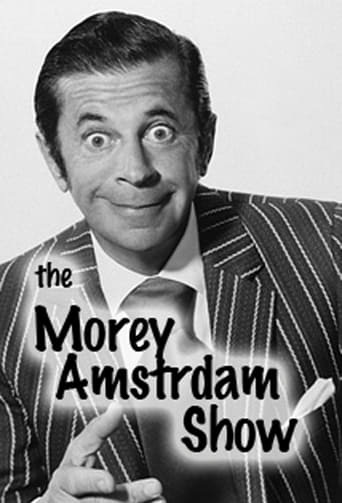
The Morey Amsterdam Show is an American sitcom which ran from 1948-1949 on CBS Television and 1949-1950 on the DuMont Television Network, for a total of 71 episodes.
