The Mill on the Po

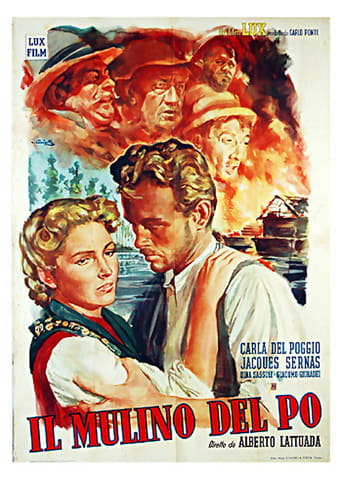
The Mill on the Po 1949

5.77

In the Po Valley during the 19th century, a rich girl engaged to a well-to-do farmer ends up penniless and is forced to work for her fiancé’s relatives. Peasant unrest, carried to extremes by both workers and landowners, leads to violence and tragedy.

1949

¿Por qué mintió la cigüeña?

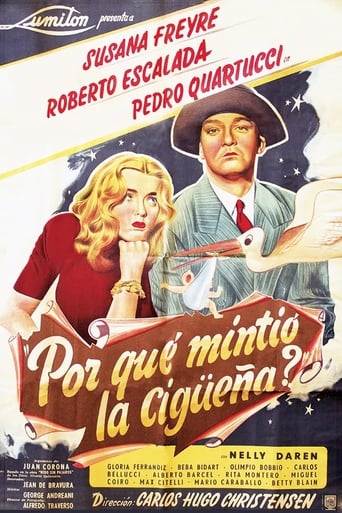
¿Por qué mintió la cigüeña? 1949

5.00

To avoid the abandonment of her husband, a woman rents three children with the intention of making him believe that he is the father. Sudden maternity will bring complications in triplicate.

1949

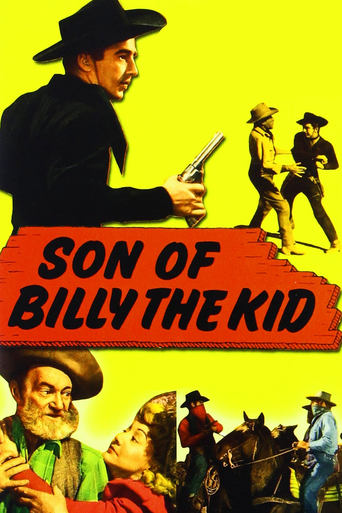
Son of Billy the Kid

Son of Billy the Kid 1949

5.00

Jack Garrett interrupts a stagecoach holdup where he meets Fuzzy (The town's stagecoach driver, station agent, baggage agent, and sheriff) and banker Jim Thorn. The trio team up to prevent robberies of Thorn's bank by Clem Yantis's large gang.

1949

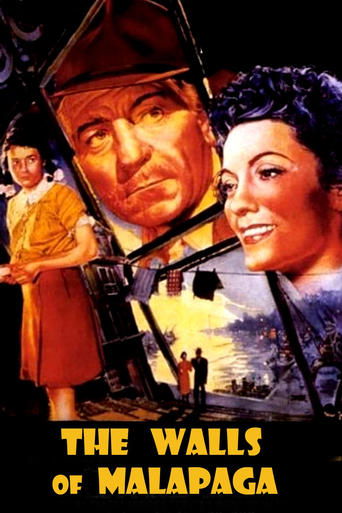
The Walls of Malapaga

The Walls of Malapaga 1949

6.50

A French fugitive arrives in Genoa, where he becomes entangled with an Italian woman and her daughter.

1949

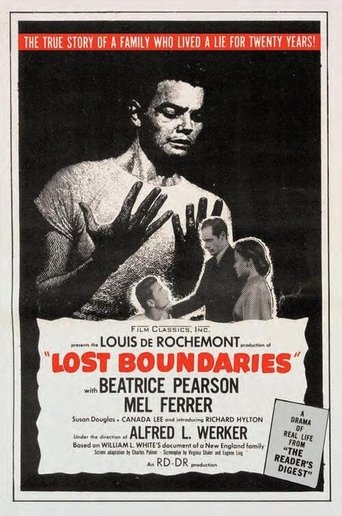
Lost Boundaries

Lost Boundaries 1949

6.40

A light-skinned African-American family are "passing" in an all-white New England town. When the truth comes out, the more prejudiced neighbors demand their expulsion from the community.

1949

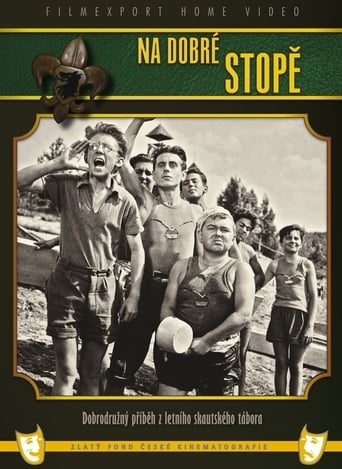
Na dobré stopě

Na dobré stopě 1949

7.00

An adventure story for young people set in a summer camp for boaters in Juná. Eda, marked by a tragic experience of occupation, has difficulty getting along with the other boys. He only gains their trust and friendship when he helps to uncover German saboteurs.

1949

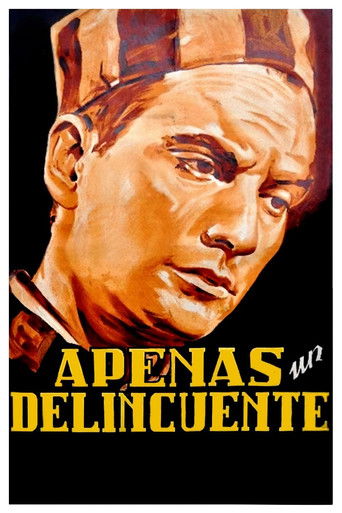
Hardly a Criminal

Hardly a Criminal 1949

6.90

A bank employee uses a loophole in Argentine law to concoct the perfect crime, planning to reap the rewards of his embezzlement after serving six years in prison…

1949

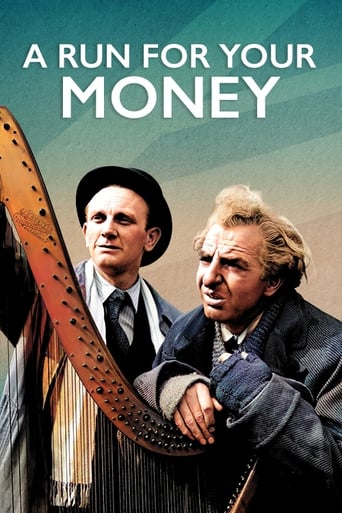
A Run for Your Money

A Run for Your Money 1949

6.00

Two Welsh coal-mining brothers win a trip to London to claim a monetary prize. They are supposed to meet a newspaper reporter who will be their escort. Instead, the brothers are launched into an adventure with some London riff-raff. It is up to the reporter to look out for the brothers, and what a job it turns out to be!

1949

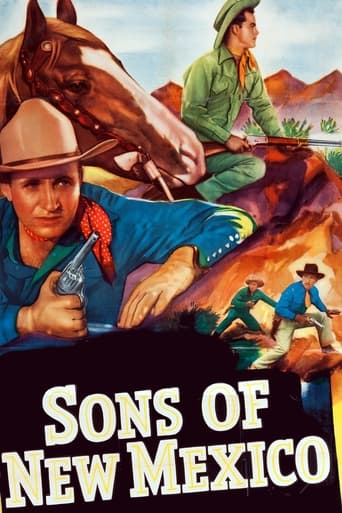
Sons of New Mexico

Sons of New Mexico 1949

5.00

Not quite as memorable as his previous Riders in the Sky, Gene Autry's Sons of New Mexico is still well up to the star's standard. This time, Gene tries to reform Randy Pryor, a would-be juvenile delinquent, played by Autry-protégé Dick Jones (who later starred in the Autry-produced TV series Range Rider and Buffalo Bill Jr). To this end, Pryor is enrolled at the New Mexico Military Institute, where much of this film was lensed. The kid chafes at the school's regimen and escapes, heading back to his criminal mentor Pat Feeney (Robert Armstrong).

1949

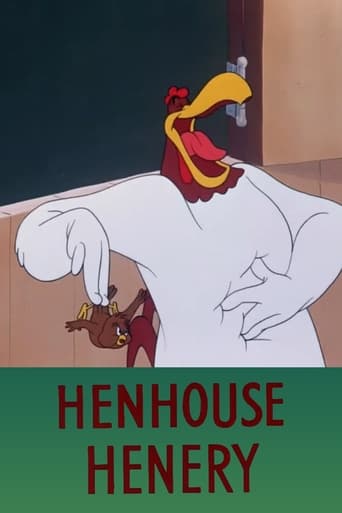
Henhouse Henery

Henhouse Henery 1949

7.30

Little Henery the Chicken Hawk goes hunting chickens with a hammer and clunks Foghorn Leghorn on the noggin. Foghorn sends Henery after the barnyard dog by misleading him into thinking the dog is a chicken. The dog sets Henery straight and helps him build a tree trap to catch Foggy for supper.

1949

Give Us This Day

Give Us This Day 1949

5.57

Exiled from Hollywood due to the blacklist, director Edward Dmytryk briefly operated in England in the late 1940s. Though filmed in its entirety in London, Dmytryk's Give Us This Day is set in New York during the depression. Fellow blacklistee Sam Wanamaker is starred as the head of an Italian immigrant family struggling to survive the economic crisis.

1949

Unusual Tales

Unusual Tales 1949

7.00

A group of policemen look over three murder cases including a cutthroat that prays on young women, a madman that hid his deformed landlord's corpse in the floor, and a wine aficionado who buries his friend alive.

1949

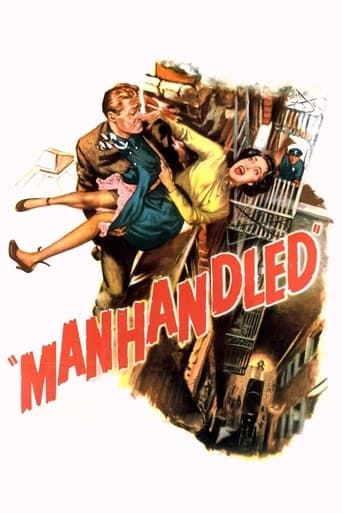
Manhandled

Manhandled 1949

4.90

Merle Kramer works as a stenographer for a psychiatrist. She is casually dating Karl Benson, a private eye and former cop. Merle mentions in passing that one of her boss's patients is an author with recurring dreams of murdering his wife, and she includes the fact that the wife owns valuable jewels. When the wife is found murdered in a manner identical to that of her husband's dream, the husband is naturally the prime suspect. But as the investigation of the police and insurance investigator Joe Cooper proceeds, it turns out that several people in the case, including Merle, are not what they seem.

1949

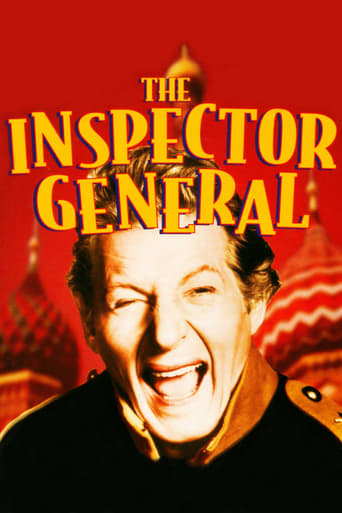
The Inspector General

The Inspector General 1949

6.60

An illiterate stooge in a traveling medicine show wanders into a strange town and is picked up on a vagrancy charge. The town's corrupt officials mistake him for the inspector general whom they think is traveling in disguise. Fearing he will discover they've been pocketing tax money, they make several bungled attempts to kill him.

1949

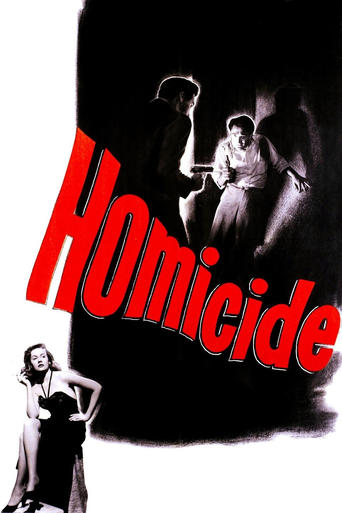
Homicide

Homicide 1949

5.30

Michael Landers, a police lieutenant, sets out to investigate an intricate murder case. But, the case is closed after the only witness is found dead. Will Michael be able to fathom the mystery?

1949

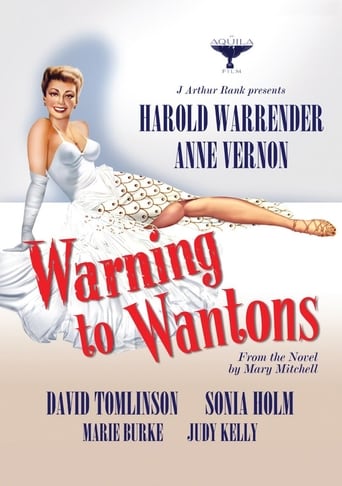
Warning to Wantons

Warning to Wantons 1949

6.00

Featuring an early role for accomplished French actress Anne Vernon alongside Mary Poppins star David Tomlinson, this effervescent comedy charts the romantic adventures of a young woman who swaps her strict convent school for the heady pleasures of high society. Seventeen-year-old Renee slips away from her convent school, joins her fashionable mother and launches herself into Society with one aim: to conquer the hearts of all the men she encounters. Setting her sights on Max, a bridegroom-to-be, her expert scheming and manipulative behaviour soon ensures that he falls under her spell... but his fiancee isn't giving up without a fight

1949

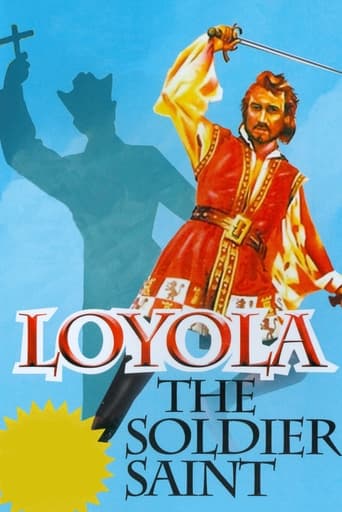
Loyola, the Soldier Saint

Loyola, the Soldier Saint 1949

7.20

A historical drama based on St. Ignatius of Loyola as a Warrior, as a Founder of the Jesuit Order and as a Saint .

1949

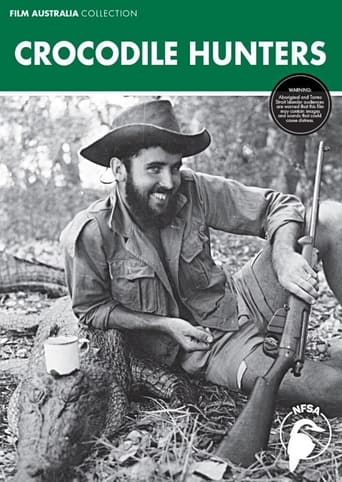
Crocodile Hunters

Crocodile Hunters 1949

1

In the estuaries and lagoons of the Northern Territory, freshwater and saltwater crocodile are hunted for their hides by both Indigenous and non-Indigenous hunters. This film shows Aboriginal people using age-old hunting techniques to land crocs either for food or for skins. The methods employed by the professional hunters, who earn as much as 3000 pounds during the season, are also depicted, followed by a brief look at how the hides are skinned and prepared before being transported to the leather factories of Sydney and Melbourne.

1949

The Lone Ranger

The Lone Ranger 1949

6.80

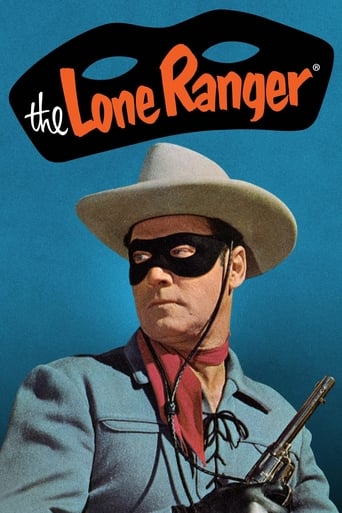
The Lone Ranger is an American western television series that ran from 1949 to 1957, starring Clayton Moore with Jay Silverheels as Tonto. The live-action series initially featured Gerald Mohr as the episode narrator. Fred Foy served as both narrator and announcer of the radio series from 1948 to its finish and became announcer of the television version when story narration was dropped there. This was by far the highest-rated television program on the ABC network in the early 1950s and its first true "hit".

1949

The BAFTA Awards

The BAFTA Awards 1949

10.00

BAFTA presents awards for film, television and games, including children's entertainment, at a number of annual ceremonies across the UK and in Los Angeles, USA.

1949

Suspense

Suspense 1949

4.90

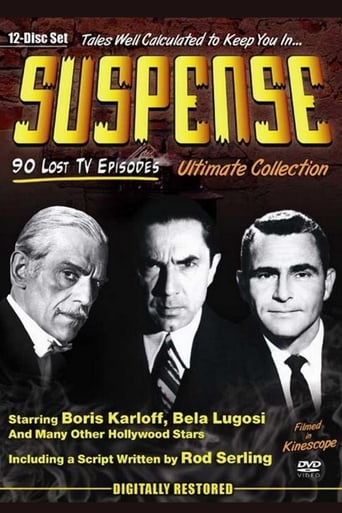
An anthology series adapted from the radio program of the same name. Like the radio program, many scripts were adaptations of literary classics by well-known authors. Classic authors such as Edgar Allan Poe, Agatha Christie, and Charles Dickens all had stories adapted for the series, while contemporary authors such as Roald Dahl and Gore Vidal also contributed.

1949

Lights Out

Lights Out 1949

5.80

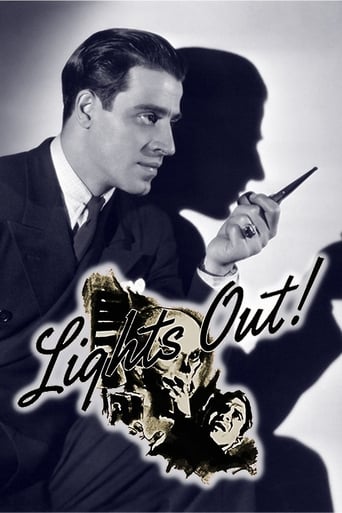
Lights Out was an extremely popular American old-time radio program, an early example of a network series devoted mostly to horror and the supernatural, predating Suspense and Inner Sanctum. Versions of Lights Out aired on different networks, at various times, from January 1934 to the summer of 1947 and the series eventually made the transition to television. In 1946, NBC Television brought Lights Out to TV in a series of four specials, broadcast live and produced by Fred Coe, who also contributed three of the scripts. NBC asked Cooper to write the script for the premiere, "First Person Singular", which is told entirely from the point of view of an unseen murderer who kills his obnoxious wife and winds up being executed. Variety gave this first episode a rave review ("undoubtedly one of the best dramatic shows yet seen on a television screen"), but Lights Out did not become a regular NBC-TV series until 1949.
1949

Fireside Theater

Fireside Theater 1949

7.20

Fireside Theater is an American anthology drama series that ran on NBC from 1949 to 1958, and was the first successful filmed series on American television. Stories were low budget and often based on public domain stories or written by freelance writers such as Rod Serling. While it was panned by critics, it remained in the top ten most popular shows for most of its run. It predated the other major pioneer of filmed TV in America, I Love Lucy, by two years.

1949

The Emmy Awards

The Emmy Awards 1949

7.90

An annual awards ceremony honoring the best in U.S. prime time television programming as chosen by the Academy of Television Arts & Sciences.

1949

Martin Kane, Private Eye

Martin Kane, Private Eye 1949

6.00

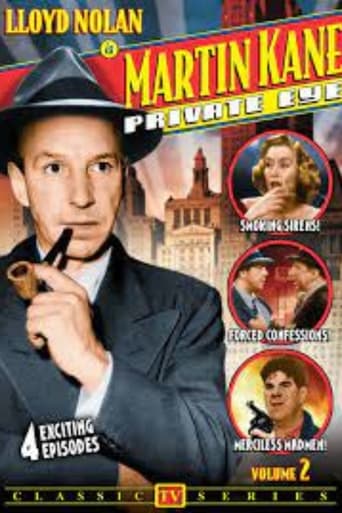
Martin Kane, Private Eye was an early radio series and television crime series sponsored by United States Tobacco Company.

1949

A Woman to Remember

A Woman to Remember 1949

1

A Woman to Remember is a soap opera which ran on the DuMont Television Network from February 21, 1949 to July 15, 1949. The show initially ran in daytime, but starting May 2, aired Monday through Friday from 7:30 to 7:45 pm ET. John Haggart served as creator and writer, and Bob Steele was producer and director. The show followed Captain Video and His Video Rangers and had no sponsor.

1949

The Life of Riley

The Life of Riley 1949

7.50

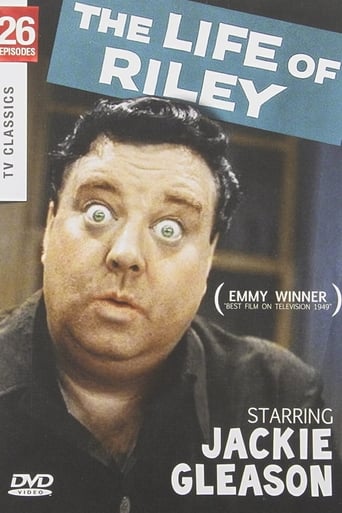
Riley worked in an aircraft plant in California, but viewers usually saw him at home, cheerfully disrupting life with his malapropisms and ill timed intervention into minor problems. His stock answer to every turn of fate became a catch phrase: 'What a revoltin' development this is!"

1949

Man Against Crime

Man Against Crime 1949

6.00

Man Against Crime, one of the first television programs about private eyes, ran on CBS, the DuMont Television Network and NBC from October 7, 1949 to August 26, 1956. The show was created by Lawrence Klee and Paul Alter and was broadcast live until 1952. It was also directed by Paul Alter. The series was one of the few television programs ever to have been simulcast on more than one network: the program aired on both NBC and DuMont during the 1953-1954 television season.

1949

The Big Story

The Big Story 1949

6.70

Based on a popular radio series, each show tells a different reporter's Big Story, a true story selected from newspapers across the United States. Comments from the actual reporter open and close each show but the permanent narrator drives the plot line and a featured actor dramatizes the reporter's role.

1949

The Plainclothesman

The Plainclothesman 1949

1

The Plainclothesman was an American crime drama series broadcast on the now defunct DuMont Television Network.

1949

Hands of Murder

Hands of Murder 1949

1

Hands of Murder was an American mystery/anthology series that aired on the DuMont Television Network.

1949

The Silver Theatre

The Silver Theatre 1949

6.30

The Silver Theatre is a television series that was broadcast on the CBS television network from 1949 to 1950. It was a live anthology series consisting of dramatic teleplays about romance. It was sponsored by the International Silver Company.

1949

The Clock

The Clock 1949

1

The Clock is a 30-minute American anthology television series based upon the American Broadcasting Company radio series which ran from 1946–48. The half-hour series mostly consisted of original dramas concerning murder, mayhem or insanity. Series narrator Larry Semon was the only regular; each week a new set of guest stars were featured. The title of the series was derived from a clock which was a major plot element in each story. The show's musical theme was "The Sands of Time". Ninety-one episodes aired from 1949 to 1952, most of them on NBC, except for the final season which aired on ABC. Courtesy of Wikipedia.

1949