
Prosto-krzywa 1973
A short film by Ryszard Waśko
A short film by Ryszard Waśko

A “Puppetoon” style retelling of the tragic tale of Orpheus and his lost love. It features a very vivid rendering of the Underworld, with Hades and Persephone represented as strange iconic totems.

The nameless gangster meets again with his former partner. It turns out that he is burdened by the need to make an irrevocable decision.
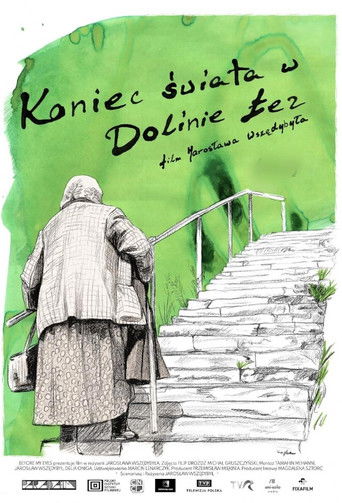
The inhabitants of the village of Tichilesti in eastern Romania live far away from civilization, in the quiet among dogs and cats that roam the streets. However, this tranquillity portends death as Tichilesti was where lepers were sent years ago.
After hearing that Sodom is in grave danger, the greatest sodomite-patriote Adam decides to embark on a journey to save it. Will he manage to save his beloved country?
Batory is a Trans Man and inmate at the Warszawa-Grochów Detention Center in Poland. Truly a film inspired by the cinema-verité movement, Batory navigates having difficult conversations with his significant other and parents upon his release - showing us a unique perspective on the lives of those in other worlds.
The detective tells about one of his cases.
A story of combining the obsession with collecting sperm with the inability to choose to use it. The heroine is entangled in one-off love stories, and the only constant relationship connects her with the fish. What happens when her space becomes the only one available for another sperm storage fridge?
Short Animation.
Sam Fisher's daughter is abducted. From that moment on, a man tries to get her out of her kidnappers' hands, risking his life in the process....

Waves wash ashore different objects, which gradually become associated with Roman Polanski's "Two Men and a Wardrobe".

A cheerful series about the adventures of a group of children living in the countryside, produced in a Polish-West German co-production (the pictures were taken in picturesque locations in Dąbrowa nad Czarna, as well as in sand caves near Sulejów). The biggest attraction of the area is the historic water mill, which becomes a great place for fun for an amused crowd. As is usually the case in the countryside, its equal inhabitants are - next to people - animals. No wonder the little heroes become friends with them. And so days go by together. Almost each of them brings a new, amazing and unexpected adventure. The child's imagination makes even ordinary events take on the flavor of fairy tales and mystery.
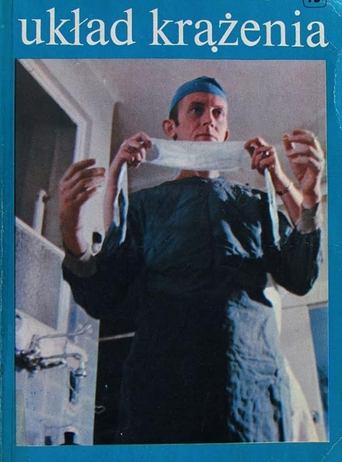
It is a psychological and social series, the protagonist of which is a doctor, Dr. Bognar. He is characterized by honesty, vocation, professional passion and stubbornness. Falsely accused of euthanasia and suspended from the right to practice the profession, he decides on his own - regardless of the investigation conducted by the MO authorities - to investigate and find the real culprit. To this end, he moves from place to place, changes jobs several times, meets different people. Each episode presents the next stage in the search for Dr. Bognar. Bognar goes through a complex process of gaining life and human experience - from section to section it becomes richer with experience gained from working in rural health centers or provincial hospitals.
Adaptation of the novel by Jarosław Iwaszkiewicz. An epic picture of the fate of representatives of the Polish intelligentsia from 1914 to 1947. Their fate, determined by two great wars, which shook the world and scattered heroes all over Europe, changed their fate, life choices, ended love and started others. The series is the story of the next generations of three families: Myszyński, Royski and Gołąbek.
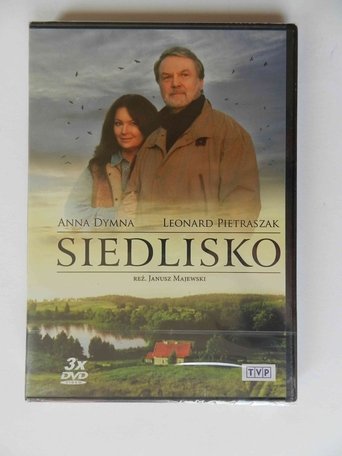
Marianna and her husband Krzysztof learn that they received a house in Masuria as part of their inheritance. The couple decide to sell the property because they prefer to stay in the city. However, when inspecting the property, they begin to notice some advantages of living in a peaceful place close to nature.

The series is a picture of the formation of the Zakopane community and the entire Podhale region, seen through the prism of historical and socio-economic changes over the years 1825-1918. The plot of the episodes shows: events of social and historical importance on the symbolic example of a highlander family - the Gąsienica family; and "human" matters - the great ones, such as love, death, murder, and the ordinary, everyday ones, such as work, struggle for existence, entertainment and fun.
The series presents the post-war fate of a group of friends who fought together in the Warsaw Uprising. The action covers twenty years and begins in the spring of 1945, shortly after the end of the war.
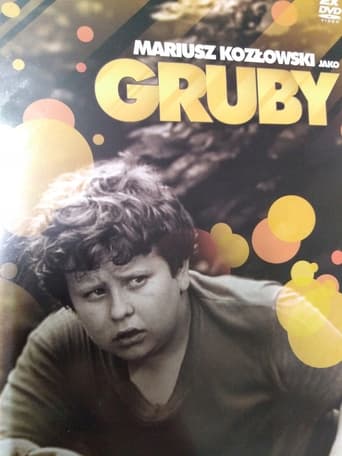
The heroes of the story are seventh-grade students who are just starting their studies in a newly opened school in a small town in the Recovered Territories, right after the end of the war. The difficult process of assimilation of the settlers who came to Lower Silesia in 1946, the echoes of the war: the subversive actions of Werwolf, the actions of the looters - constitute the background for the adventures taking place in the foreground.
"Trzy młyny" is a television series based on the stories of Jarosław Iwaszkiewicz "Młyn nad Utrata" (1936), "Młyn nad Lutyniu" (1946) and "Młyn nad Kamienna" (1950). The action of the miniseries takes place from 1928 to the 1950s.
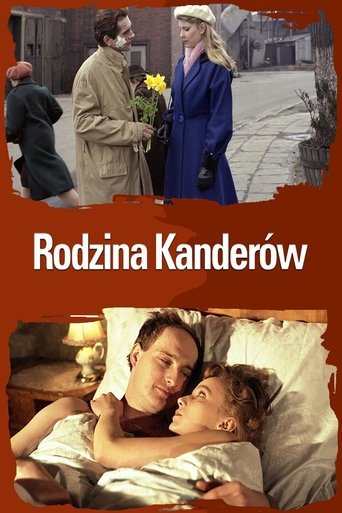
A ten-episode series dealing with Silesian issues. A picture of the life of a multigenerational family in the period of rapid social and political changes - just after World War II, until the 1970s. All Kanderowie work in the mine. Newcomers from other parts of Poland appear here. Their lifestyle and moral freedom differ from the rules of life of a traditional, patriarchal Silesian family. This often causes conflicts and fights with "aliens". Moral changes are slowly taking place in the everyday life of the younger generation, but the pattern of a traditional family is still strong.
