
Tudor 1963
Tudor Vladimirescu fights against the Ottoman Turkish domination of Romania and the social agitation ,his story includes the war between Russia and Turkey from 18o6 to 1812,for which he was decorated by the Russians.
Tudor Vladimirescu fights against the Ottoman Turkish domination of Romania and the social agitation ,his story includes the war between Russia and Turkey from 18o6 to 1812,for which he was decorated by the Russians.

Set in early 19th century Wallachia, Romania, a policeman, Costandin, is hired by a nobleman to find a Gypsy slave who has run away from his estate after having an affair with his wife.

An intimate and vital account of love and friendship within a group of youngsters. They live in a complex, contradictory, and isolated world – the self-proclaimed state of Transnistra, where the national flag still holds the hammer and sickle. Tanya plans to move abroad, however future seems to offer frighteningly limited possibilities for her lovestruck friends.
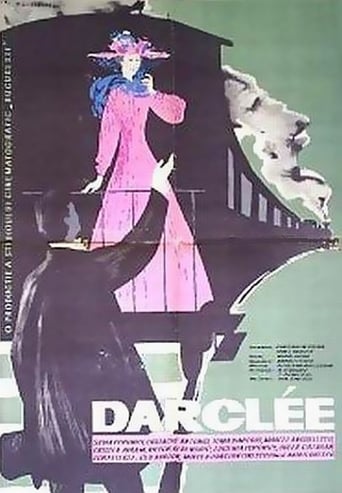
Darclee is a lead singer for an opera company in Romania with a heavy load of responsibility. It seems the company is in dire need of a decent physical structure for their performances and a brace -- or more -- of good singers to improve their image and sales. In other words, they need just about everything except an excellent lead singer; Darclee fills that bill. And so the company rather unfairly leans on her to get the people and the funds they so desperately want.
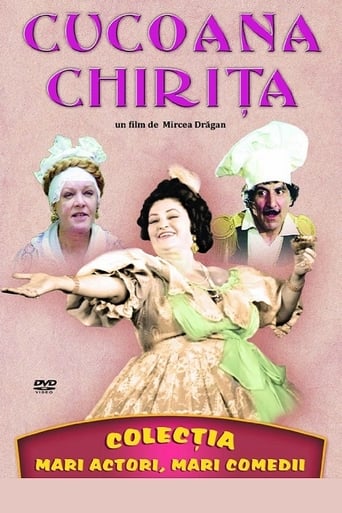
The Bârzoi manor comes back to life when the lady of the house, Chirița, sends news that she will be soon coming back from Paris. As the City of Light has changed her views on the world, the family and the help must follow.
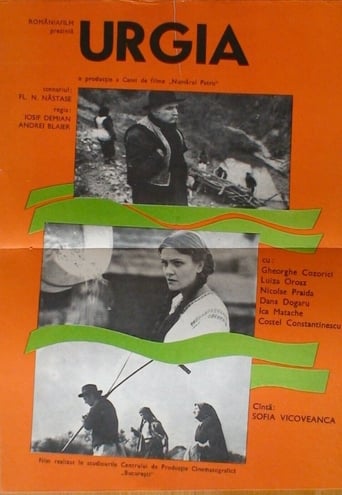
A village celebrates being granted the title of city. During the festivity an old, sick, beat down man shows up. No one seems to recognise him but he claims to be a villager that everyone thought had died in the war 30 years earlier.
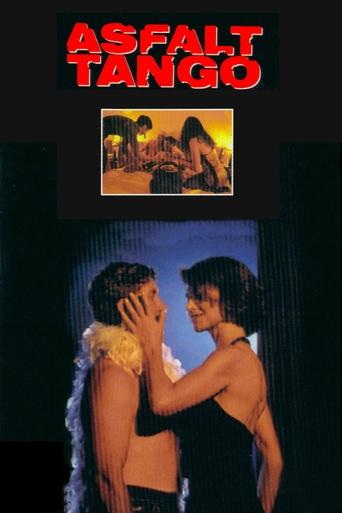
A desperate husband chases a bus full of beautiful women headed for Paris, France.

In 1942, Nea' Vitu is in trouble with his children: a son is fascinated by the world of war profiteers, and the daughter is going around with the speculator "Treispemii" (Dan Nutu). On the evening of her engagement, Vitu is denounced by his son for hiding an illegal printing press in a painter's house. Thirty years later, he returns to the slum and searches for the Vitu family. They no longer live there, the neighbors have changed, and he investigates to find out what happened to them. Nea Vițu, you raise your daughter, Rădița, and son Fănică. His wife Dorina died when Fănică was born. Apparently, family problems are difficult barriers to overcome. He's an honest man. He gets angry at the slick Fănică. Fănică is also chased away by the slum priest, because he wanted to make a new bible... where he'd be Fănică the God .... Rădița goes around with the speculator "Treispemii". In 1942, nea Vițu joins the fight against the Nazis and runs an illegal printing house with a painter...

On a hot summer day, Vasile, a 50-something year old peasant, refuses to accompany his wife Lucretia to a religious ceremony arguing he has to finish the ditch in front of their house to avoid paying a fine. Scared by the hard work ahead of him, he tries to find somebody to help him. Petre, a Gypsy young man seems to be the right person. After changing a few words with him, Vasile notices that Petre is upset because none of the villagers wants to be the Godfather for his kid. Vasile decides to baptize the child himself asking Petre in exchange to help him finish the ditch. In the evening, Lucretia learns about Vasile's decision and a new ordinary domestic fight starts between them.

In London, a young Romanian couple's relationship suffers due to their poor sleeping conditions.
Madleen is a young girl forced to beg on the streets, while carrying a baby. From the moment she realizes the baby has died in her arms, she finds herself in a no-escape situation.

A middle-aged woman decides to overthrow the powerful oligarch who controls her country. She must stop the oligarch from stealing the people's money and making her country the poorest in Europe.
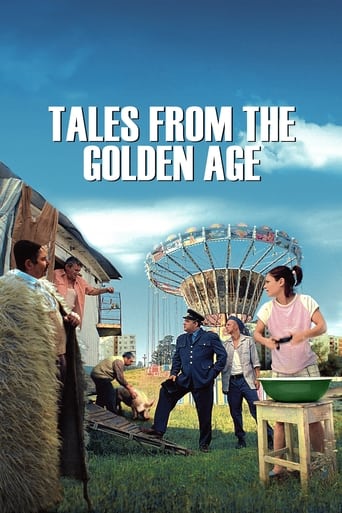
Composed of six unconventional vignettes, each one dealing with the late communist period in Romania, a narrative is told through its urban myths from the perspective of ordinary people. The title refers to the alluded "Golden Age" of the last 15 years of Ceaușescu's regime.

Nelu works at a pawn shop, and Ilinca is employed at a travel agency in the same busy intersection. Their daily routine includes having a quick lunch together while making various life plans.
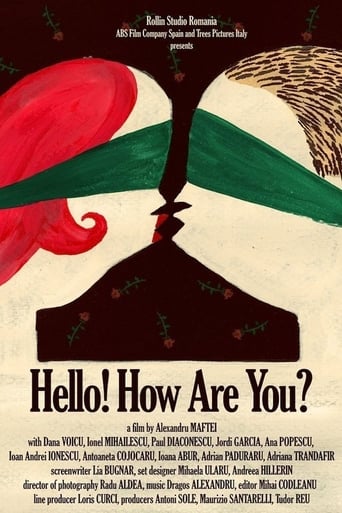
Musician Gabriel and dimpled dry-cleaning proprietress Gabriela live like two strangers who no longer see each other. But in humorous contrast to their staid, passionless lives, characters in a constant state of sexual arousal surround them. Their libidinous teen son, whose hilarious voiceover commentary intermittently provides important narrative information, prides himself on being the high school stud and aspires to a career in porn. Gabriela's sexy employee switches boyfriends the way she changes clothes. And despite being married, Gabriel's colleague is working his way through the female members of their orchestra. Ultimately, the two Gabys find their virtual affairs reconnect them with their own desires, but in a way less movie-fantasy and more satisfyingly real-life. Written by Palm Springs Internation Film Festival
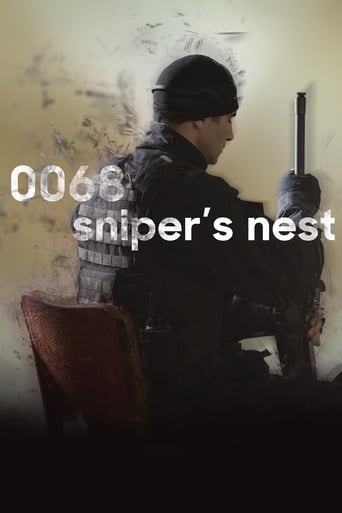
Two of the employees of the Security Service ring the bell of an apartment and ask for permission to fix a supervision post during a Summit. Neluta, the woman who opened the door agreed them to fix the device and barged in the house with a completely equipped Sniper. The Sniper in charge with the mission in this area meets the owner of the apartment, an Old palsied Lady who firmly asks: "Shoot me".
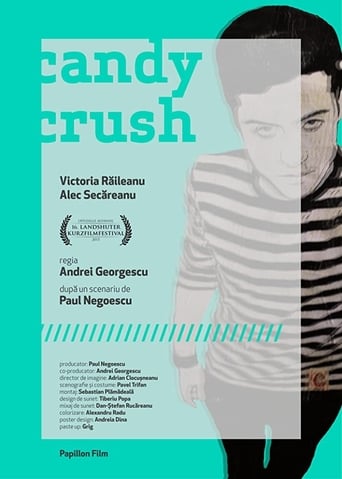
A young couple is having an ordinary afternoon together until Andreea finds a massage oil in the bathroom.

In late eighties, in Ceausescu's Romania, a black market VHS bootlegger and a courageous female translator brought the magic of Western films to the Romanian people and sowed the seeds of a revolution.
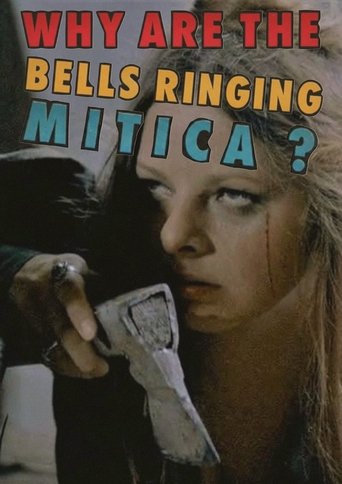
Based on a theatrical text by Romanian writer Ion Luca Caragiale (1852-1912), who was a bitter and funny witness of the turn-of-the-20th-century Romanian bourgeois mores, Carnival Scenes manages to preserve and further enhance the slightly hysteric atmosphere of his plays. Pintilie creates a strange combination of carnival scenes which is brought to the screen as a burlesque, fast-paced, screwball comedy with a meditative undertone. This film was banned in Romania for a decade until the death of Ceausescu in 1989 and was only released after the 1989 revolution.

Mitu and Elena get to know each other in the course of a vodka drinking contest and discover that they are both dissatisfied with the status quo. Mitu is about to begin military service and Elena is to be married to a man she does not love. They decide they are meant for each other and plan on a different future, one that is on a collision course with the authorities, and start a mad affair.

