
Early Patterns 1971
Exploring textures and patterns in nature.
Exploring textures and patterns in nature.
Shot at the first Earth Day in 1970, this new release features Allen Ginsberg reflecting on the state of American culture and society at the end of the 60s. In April 1970 the first Earth Day in Philadelphia was actually a week of celebrations for Mother Earth. This film was shot in and around the city, with cameo appearances and observations by the likes of Terry Southern, Jerry Rubin, mayor John Lindsay, and Wavy Gravy. But the film features Allen Ginsburg, both at the main event on Belmont Plateau and during a van ride across Pennsylvania, in which he riffs on American culture and society, at a meal at HoJo's and reading a poem on the banks of the Susquehanna. The talk is of polarization and the battle for the soul of America. Fifty years later, the argument goes on.
“Drug Use or Abuse” focuses on the differences between utilizing drugs which have been prescribed by a doctor versus illicit drug use and abuse.
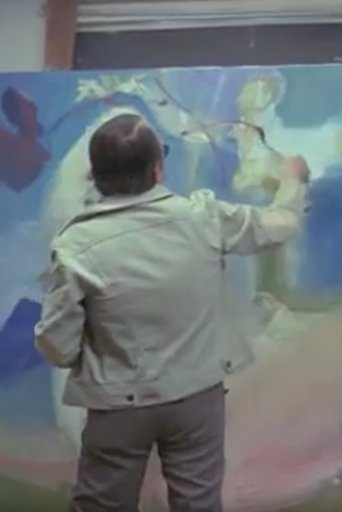
Documentary based on painter Augusto Rivera.

Archive footage of the University of St Andrews in 1971 gives an insight into what it was like to be a student at the University over 40 years ago.
Many times the decisions on economy matters made by the highest parliamentary bodies are not very thoughtful. But the opening ceremonies of new built industrial structures are always carefully prepared, not as carefully as the funeral ceremonies of the same companies.
A forty-minute black-and-white tape done in 1971. Fried is seated at a table, trying to run the gauntlet of choices while ordering in a restaurant. He keeps answering the waiter’s questions with more questions.
The film is made up of recordings taken from Tuggener's entire period of creative activity, and brings together places and factories to which the artist produced individual films, books and corporate publications. An inventory of his far-reaching analysis of industry, its activities and the people working within it.


The documentary is a record of a marriage ceremony that took place in April 1971 and was performed in accordance with Ainu traditions at the request of the young bride. There were two hurdles to overcome in the realization of the ceremony: first, a group of Ainu had to be convinced, who were against a revival of the tradition. Secondly, there were only a few members of the community who knew the details of the ceremony at all, since most of them had already been celebrating a wedding in their own style for over 80 years.
The candid record of a unique 14-day theatre school, held at the village of Manutuke by the New Zealand Maori Theatre Trust.
A student discussion film regarding the economic, infrastructural, and environmental impacts of the American highway system
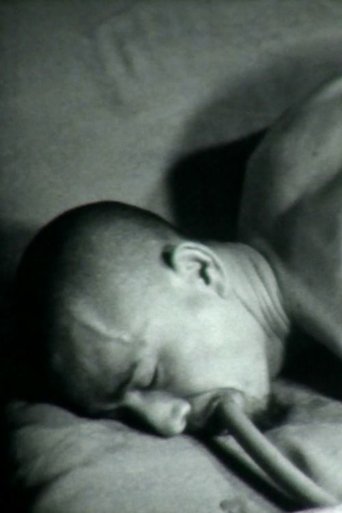
This film documents a performance by Taku Furusawa, acting as the Aoyama Outpost of the Kingdom of Lilliput under the influence of Matsuzawa associate Shō Kazakura. Furusawa also acted in the underground theatre group Theater Yakōkan (Night Theater), which had ties with Matsuzawa as well, and in his later years was active under the name Kubikukuri Takuzō, but this film is a valuable document of his early convulsive performance.
The film you are about to see is the outcome of a two-semester high school art project. It was made by a seventh grade art class at Charles Evans Hughes Junior High School in Woodland Hills, California. After seeing it, we felt it should be shared with other classes and other teachers.
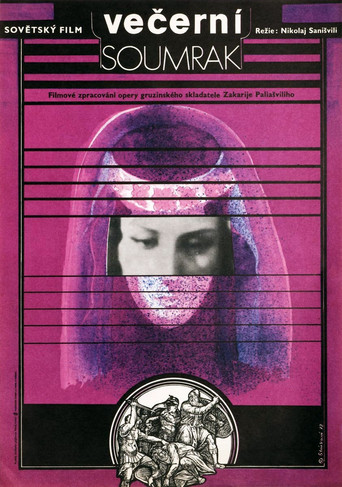

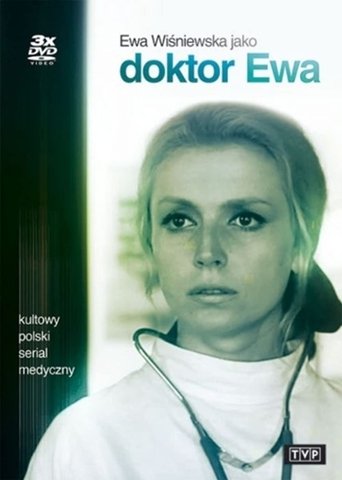
Doctor Ewa Lipska, an attractive young woman just after graduation, with interesting professional prospects for the future, chooses the job of a village doctor. Brought up in a big city, she settles in the small town of Międzybórz in the Łódź Province. She is forced not only to overcome the daily difficulties resulting from medical practice in a rural health center, but also to learn to talk to people of a different mentality and gain the trust of her patients.
In "Run", Avraham filmed filmed himself running from point to point, and then edited the film layer by layer. The result is a chromatic intruiguing film.
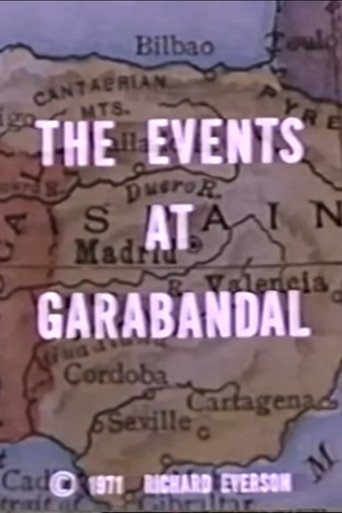
This documentary by Richard Everson marked the first groundbreaking attempt to depict the events of Garabandal in color 16MM film.

