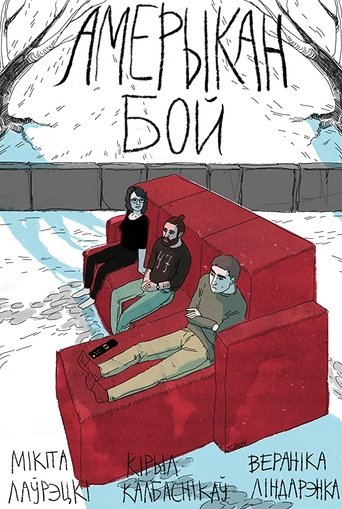
Amerykan Boy 2015
Maxim, yearning for the departing image of old Minsk, meets his friend Yanka, whom he had not seen for a year while he was studying in America ...
Maxim, yearning for the departing image of old Minsk, meets his friend Yanka, whom he had not seen for a year while he was studying in America ...

n 2003, Studio Tatyana was shut down by the Lukashenka administration, but the filmmakers' work continued: this is the studio's final manifesto, completed after the closure using the archival material that managed to escape confiscation. Investigative and unsettling, the film documents the rise of the dictator and the political repression – including political assassinations – from the perspective of Russian and Belarusian politicians and citizens attempting to resist.
Documentary short by Volha Dashuk.

A choice... Does it even exist? And if it does, what should one do with it?
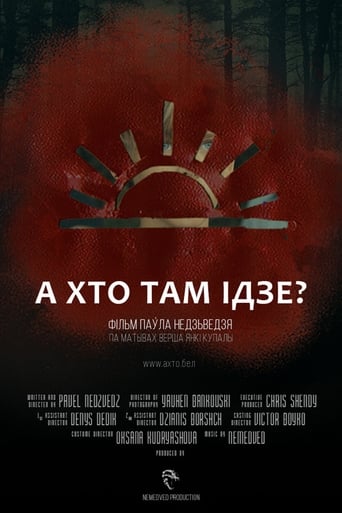
Belarusian poet Yanka Kupala wrote his verse "And, say, who goes there?" more than 100 years ago. And now, when the call for change is heard, only the bravest dare to come out of the forest and at least look: "Who goes there?"
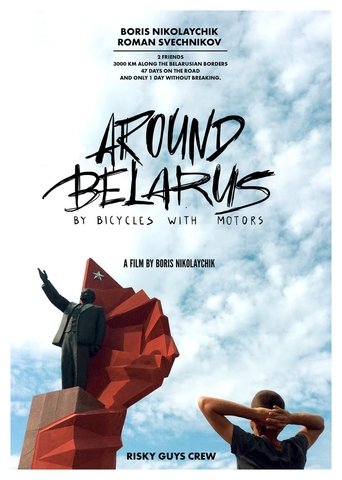
Two friends set off on a journey along the borders of Belarus on Chinese bicycles with gasoline engines. 47 days of travel, endless breakdowns and dozens of random encounters add up to sketches about the life of the outskirts of the most Soviet of all post-Soviet countries. Villagers, students, rappers, drunks. The long road gradually erases the line between reality and cinema, and with each kilometer it becomes more difficult to distinguish one from the other.

A film about dreams and ambitions in the Belarus through the eyes of the younger generation. An insight into the recent history of Belarus and the growing movement for change in 'Europe's last dictatorship'.
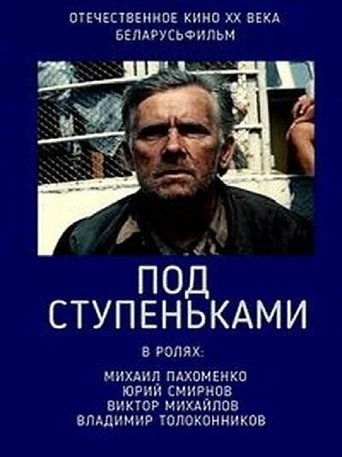
Yakov Deryabin returns from prison, where he ended up thanks to his wife, and suffers in search of work and housing. No one takes part in the fate of a kind and unfortunate man. And while he sleeps in the entrance of an apartment building under the stairs...

The young man Denis Dashkevich is the director of the rural House of Culture in the agricultural town of Pobolovo, Rogachev district. In an attempt to find new aspects of the work of the cultural center in the village, he plans to create a computer class for elderly people. But in reality, this idea faces many difficulties due to the psychology of the villagers and age.
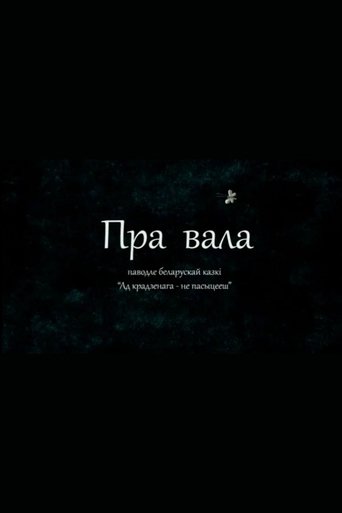
Based on the Belarus tale "Ад крадзенага — не пасыцееш". The villager had two sons. Time has come and father brought them to get a job. Then one of the sons said that he don't want to work and will be stealing the oxen instead.
Radiation came and changed a lot. The last villagers live as in another reality, but it doesn’t seem to be as gloomy as it might appear.
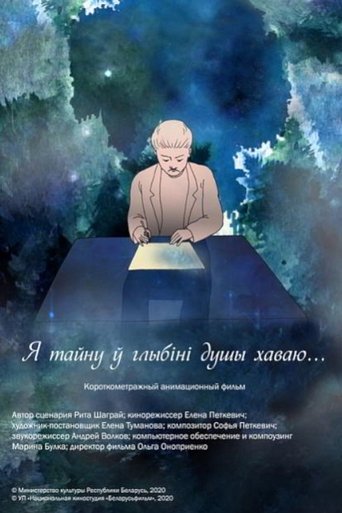
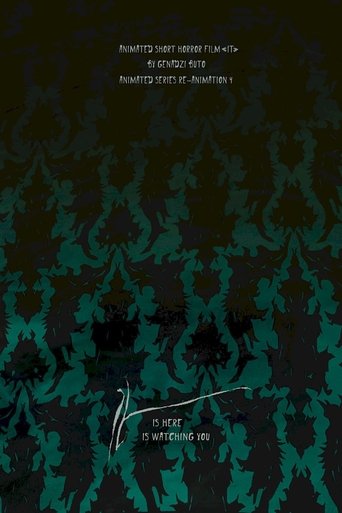
A creature takes up residence in a young man's room and feeds him but, at the same time, kills him. His life is falling apart, and he has no choice but to fight to the death against this dependency.
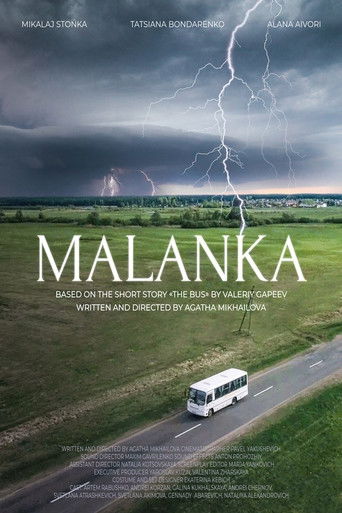
Belarus, 11 passengers from a provincial town go to Minsk, the capital,each with their own purpose. Lightning strikes the bus and something unusual begins,it drives in a circle and is unable to stop. The passengers are complete strangers and are forced to cooperate and try to find a way out of the bus to survive.
Everyone in the yard knows the eccentric Oleg, but no one knows where he goes on his two-wheeled tractor...
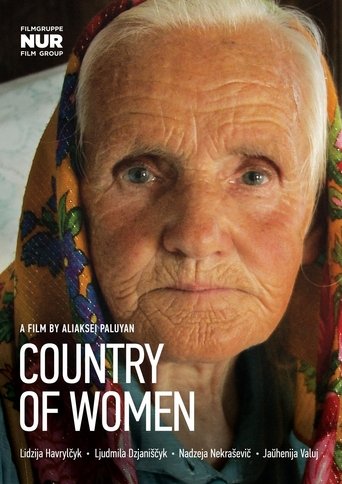
The Belarusian village Lubeiki is inhabited solely by women. They not only outlived their husbands, but their children as well. Nevertheless, they have immense vitality and will to live. In the words of one of the main characters, "life is short, but sweet." In the film, they sift through their memories and share with us their wisdom.
Every year during the summer solstice the Belarusians celebrate “Kupalle”. Kupalle is the triumph of love, abundance of the nature power, unity with the native land. Kupalle always gave the Belarusians the energy charge for the whole next year. Сelebrating Kupalle people used to create new couples, bear healthy children. The contemporary political situation has broken the connection of the Belarusians with their native culture, has replaced the true nation’s spiritual values with the tendency of low-grade mass entertainments. But while the people’s initiative exists, while there are charismatic individuals, who still have the soul power to care about the tradition, so the Belarusian nation lives – side by side with the imposed absurd.

The story of a guy named Yura from the Minsk suburbs, who loves sucking locally-flavored soapy beer, staggers in search of work and tearfully sings while playing his guitar: "Chemistry, chemistry, you little wait for me and remember me." Having accidentally appeared on an opposition rally dispersed by police, Yura meets an activist of the "Beaver Youth" movement, which exists due to Western grants, and steals a cell phone from their office. And it falls into history, and more precisely, into the field of state interests of the Belarusian state. First, an American spy, and then A.G. Lukashenko himself, begin calling Yura. As a result, “Beaver” nominates a homeless president who has become the next owner of the ill-fated mobile phone, and Yura returns to his “little one,” drinking unbearable domestic beer and watching stupid TV shows.
