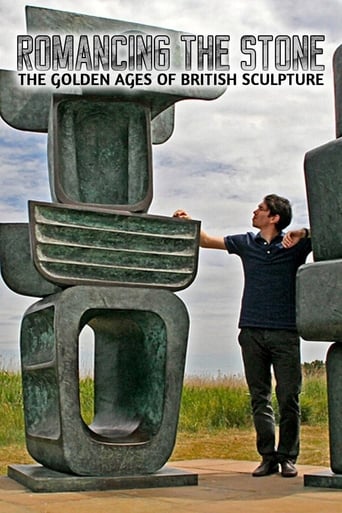
Romancing the Stone: The Golden Ages of British Sculpture 2011
Alastair Sooke examines three periods in the history of British sculpture and the masterpieces they produced.
Alastair Sooke examines three periods in the history of British sculpture and the masterpieces they produced.

Heist is a one-off 2008 television comedy-drama, written by Peter Harness and directed by Justin Hardy. It was completed at the end of 2006 and first broadcast on 23 April 2008 on BBC Four as part of its Medieval season. Loosely based on real events surrounding Richard of Pudlicott, it is a parody of and/or homage to heist films, set in medieval England, using several of that genre's conventions, and trailed under the same tagline as the 2003 remake of The Italian Job. As per the medieval setting, the film dialogue contains several Middle English and pseudo-Middle English expressions and insults. Marshall as lead character narrates several parts of the backstory to the audience during the film.
Art historian Dr James Fox traces the momentous impact of the west's contact with the peoples and cultures of the Pacific. It is a story of exploration, encounter and exploitation.
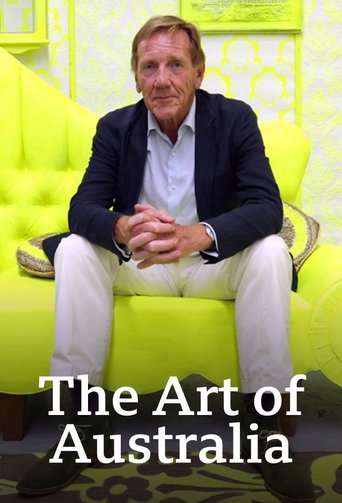
Former director and chief curator of the Art Gallery of New South Wales, Edmund Capon explores the story of Australian art through the country's rich cultural traditions stretching back 30,000 years.
Dr Jago Cooper explores the extraordinary and resilient culture of the American Northwest, revealing one the most inspiring stories in human history.
A witty and stimulating look at Chance, Logic, Data and Statistics and the roles they play in our lives.
Doctors to Be: 20 Years On is a biographical documentary series first broadcast on BBC Four by the BBC in 2007. It is a sequel to the series about ten medical students Doctors to Be, and gives an update on the careers and lives of the same people after they had qualified.
Four extraordinary pieces of music performed in full by BBC orchestras.
In this series Suzy Klein examines how music transformed throughout the 19th century. The host discusses the political history and the industrial revolution of the era, exploring how this influenced the music industry. With the weakened rank of Europe's aristocracy, after the French Revolution, the middle classes emerged and thrived in their entrepreneurial pursuits

Presented by digital photography guru Tom Ang, this major six-part companion series to A Picture of Britain visits the same six regions as the BBC One series to capture a vision of contemporary Britain in all its diversity.
Living with the Future is a television documentary series first broadcast on 15 January 2007 on BBC Four. It is a follow-up series to Living with Modernism, also on BBC Four. In each episode, presenter Simon Davis visits the owners of a private house, then stays overnight so he can comment on what the building is like to actually live in. The preceding series visited older "classic" buildings where modernity was the key feature. In this series, buildings have been constructed in the last few years and often rely on cutting-edge materials and have "green" elements of re-use and efficiency.
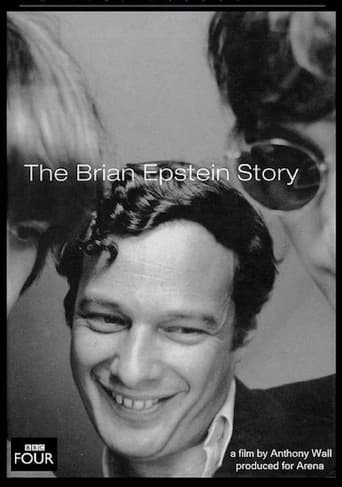
Documentary on the life of Brian Epstein, the man who brought The Beatles to fame. First in a two-part documentary examining the turbulent life and career of Beatles manager Brian Epstein. Gay when homosexuality was illegal, a gambler, shopkeeper and failed actor, he was also pop king with a Midas touch who, in the 60s, was as well known as the band he managed.
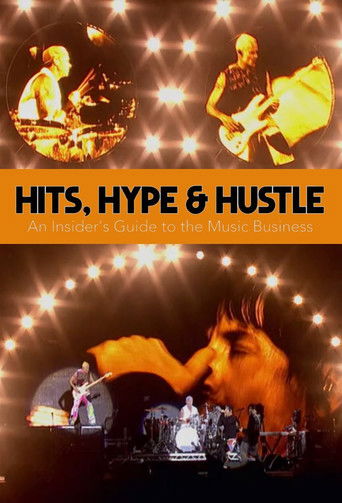
What does it take to spot a pop genius? To break a global act, to book a million-selling tour or reunite music legends to great acclaim - and huge profits? In this series, three music industry insiders reveal how the business really works.
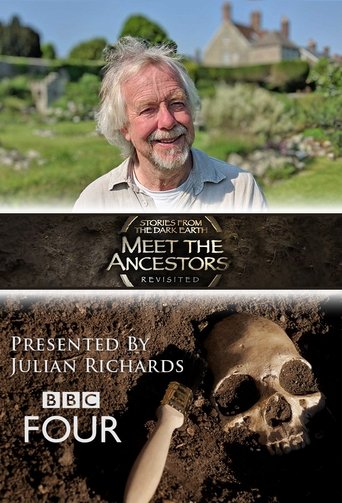
Archaeologist Julian Richards returns to some of his most important digs to discover how science, conservation and new finds have changed our understanding of entire eras of ancient history.
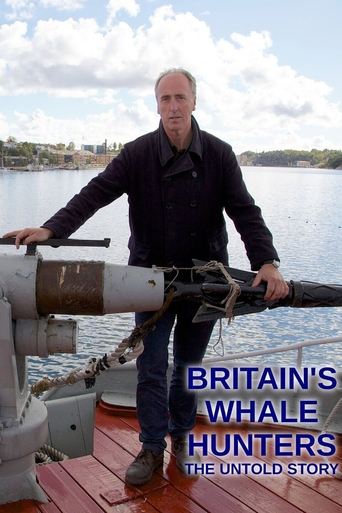
Adam Nicolson looks at how and why whale populations were so drastically reduced in the 20th century, and attempts to see whaling through the eyes of the time.
The Worst Journey in the World is a 2007 BBC Television docudrama based on the memoir of the same name by polar explorer Apsley Cherry-Garrard. The narrator Barry Letts, best known for his tenure as the producer of Doctor Who, played Cherry-Garrard in the 1948 film Scott of the Antarctic.
