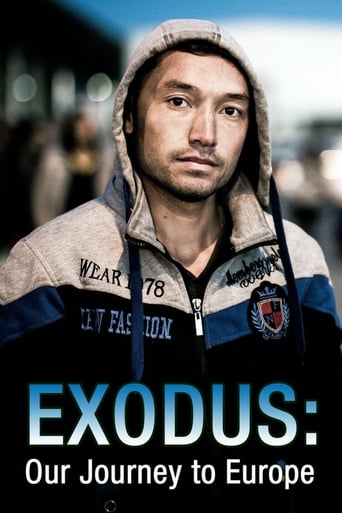
Exodus: Our Journey 2016
A terrifying, intimate, epic portrait of the biggest movement of people that Europe has seen since World War II.
A terrifying, intimate, epic portrait of the biggest movement of people that Europe has seen since World War II.
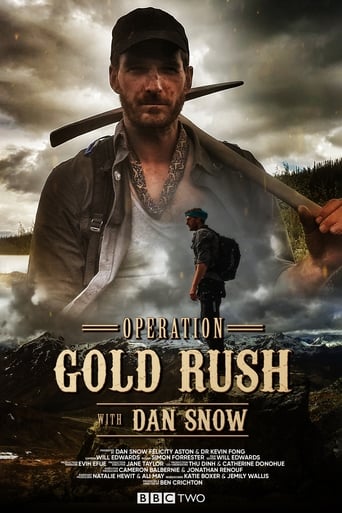
Dan Snow leads a team of adventurers on an epic journey across the Canadian wilderness, following in the footsteps of the 19th-century Klondike gold rush. Their mission? To find their own gold.

Documentary series following hopefuls through a year at the Drama Centre in London.
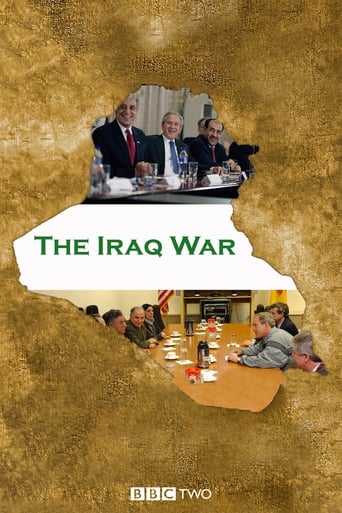
Top US, European and Iraqi leaders - political and military - tell the inside story of their private talks, phone calls, deals and clashes. Former members of Saddam Hussein's regime tell - for the first time on television - just what he said to them as the threat of war grew. Over three episodes, the series gets the insiders to tell what happened at crucial moments on the road to war following 9/11, the first year after the invasion as Iraq's liberation became a US occupation and Iraq's descent into civil war.
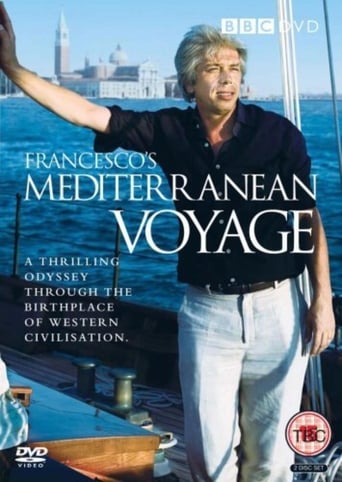
Venetian architect and historian Francesco da Mosto sets out from Venice to cross the Mediterranean - following in the wake of his ancestor, the explorer Alvise da Mosto - to discover the cities and islands where Western civilization was born. Sailing in a late nineteenth-century yawl, his journey starts in Venice and finishes in Istanbul. Along the way he takes in spectacular ruins, like the Acropolis in Athens and the Lycian Tombs in Turkey; sacred sites like the monasteries of Mount Athos and the Hagia Sophia in Istanbul; and beautiful Dubrovnik (destroyed and rebuilt in the last decade). Ancient history and bygone legends intertwine as Francesco visits these wonderful ancient sites, bringing the past vividly to life, and taking viewers on a thrilling cultural odyssey.
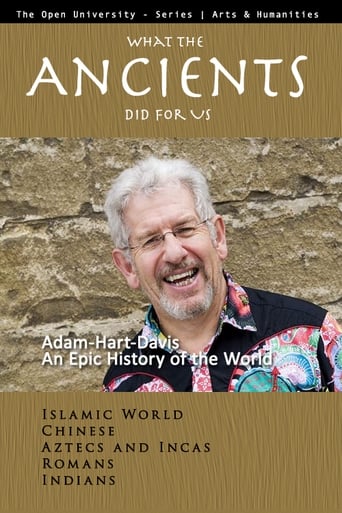
What the Ancients Did for Us is a 2005 BBC documentary series presented by Adam Hart-Davis that examines the impact of ancient civilizations on modern society.

BBC Two's documentary strand, an annual eight-part series of hour-long films about different aspects of contemporary British life.
I Love the '80s is a BBC television mini-series that examines the pop culture of the 1980s. It was commissioned following the success of I Love the '70s and is part of the I Love... series. I Love 1980 premiered on BBC Two on 13 January 2001 and the last, I Love 1989, on 24 March 2001. Unlike with I Love the '70s, episodes were increased to 90 minutes long. The series was followed later in 2001 by I Love the '90s. The success of the series led to VH1 remaking the show for the US market: I Love the '80s USA.
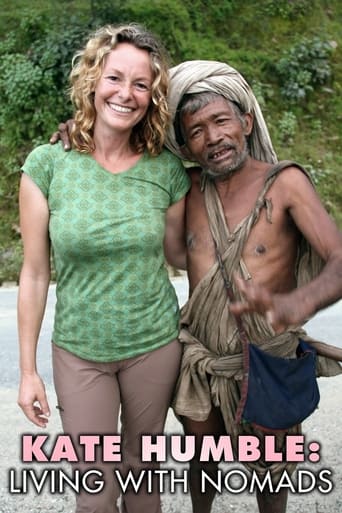
When she was a child, Kate Humble wanted to be a nomad. Living in some of the world's most remote wildernesses, cheek by jowl with nature, seemed like such a wildly romantic existence.

Tom recruits eight families keen to change their lives for the better. He believes that cooking from scratch with fresh ingredients will make them healthier, fitter and happier.
The birth and development of the Industrial Revolution is explored by visiting factories, mines, and other industrial relics where the modern world was made -- not by statesmen and philosophers, but by men, women and children with dirt on their hands.
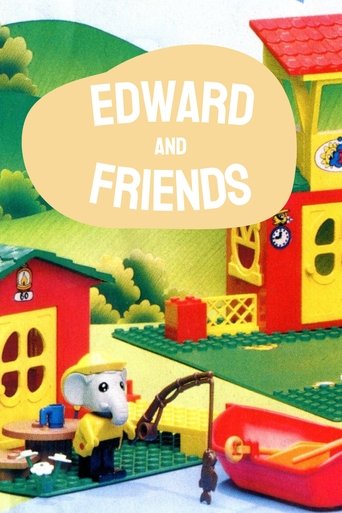
Edward and Friends was a children's TV series in clay animation from FilmFair that aired on British and Canadian television in 1987. The series was 5-minute stop-motion shorts based on the LEGO's "Fabuland" line of toys that lasted 10 years from 1979 to 1989. Edward was the main character in the show and the episodes were centered around him and his two friends Bonnie and Max. The series was set in the fictional town of Fabuland. It was Lego's first foray into animation and television in general. Bernard Cribbins provided the voice-over for the show. Written by Michael Cole with music by Mike Batt. A FilmFair London Production.

Adventurer and journalist Simon Reeve heads to Cuba to find a communist country in the middle of a capitalist revolution. Two years ago Cuba announced the most sweeping and radical economic reforms the country has seen in decades.
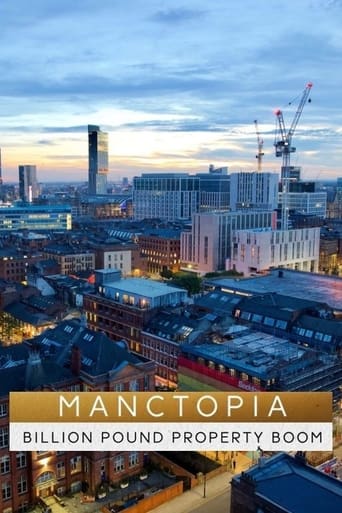
Meet the people living and working in the eye of Manchester’s remarkable housing boom.

A three-part insight into an amazing wartime mission in Norway, undertaken in the early 1940s, which was immortalised by the Hollywood movie The Heroes of Telemark.
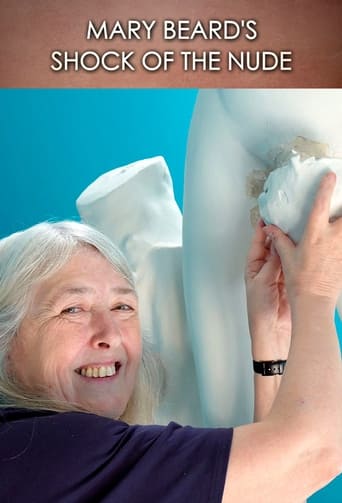
Mary Beard gives a personal and provocative take on the nude in Western art, from Ancient Greece to the present. Just why do artists and viewers seem so obsessed by nudity?
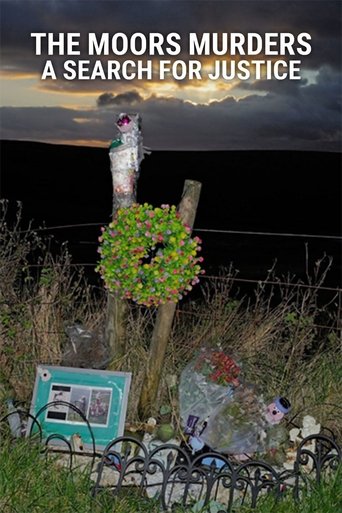
Six decades of suffering for the victims' families and a case that shook the nation. Revelations and newly uncovered evidence as experts pursue answers and, ultimately, justice.
Series of four programmes in which writer John Berger and photographer Jean Mohr question the nature and practice of photography. GB. Annalogue, for the BBC. BBC2 tx 07/05/1989 - 28/05/1989
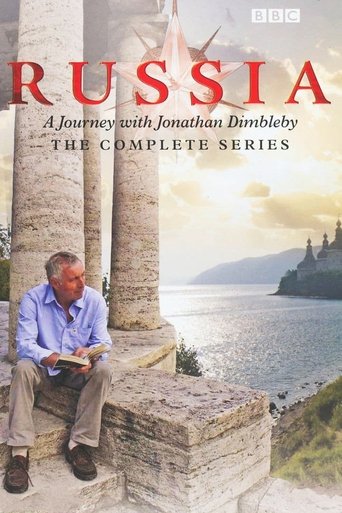
In this landmark five-part series, he explores the extraordinary changes that are taking place in Russia today and reveals the contours left by history on this vast land. From the Arctic Circle, where the summer sun never sets, to the breathtaking cities of Vladivostok and St Petersburg, from white witches to hirsute masseurs, from oil wells to shamans, Dimbleby’s journey by boat, train, truck and foot is heart-warming, entertaining and compelling. This is television’s first comprehensive look at a country shrouded in myth. Look through one window and you see an authoritarian regime trying to modernise itself into an oil-rich economy. Look through another and you see exuberant people enjoying new opportunities, struggling with old problems. Everywhere, the marker stones of their turbulent past. Uncover an enormous and diverse country in transition in this beautiful and exhilarating series

