RTP1

Sempre 2024
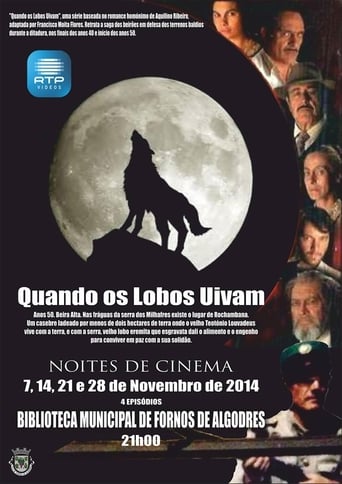
Half a century of dictatorship came to an end on April 25, 1974. The main protagonists, and the unfolding of events, are duly and meticulously portrayed. But hundreds, perhaps thousands of episodes of tension and fear, courage and adrenaline, pain and loss, fury and dreams were experienced by anonymous citizens during the intense hours that changed the country.
Favàritx 2025
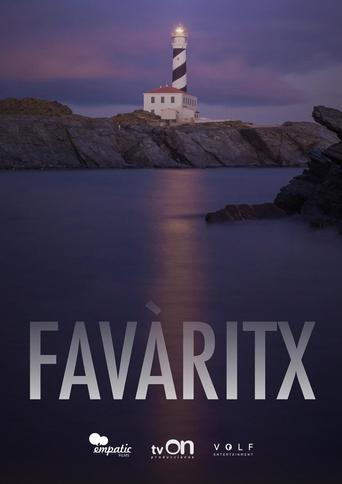
Detectives Marta Serra and Álex Castro are faced with a complex case when Laura Vidal, a prominent government official, is found dead. What begins as an apparent suicide develops into a pattern of murders in which the perpetrator camouflages his crimes as suicides. The victims appear to be connected by a dark secret from the past, which adds an extra dimension to the case.
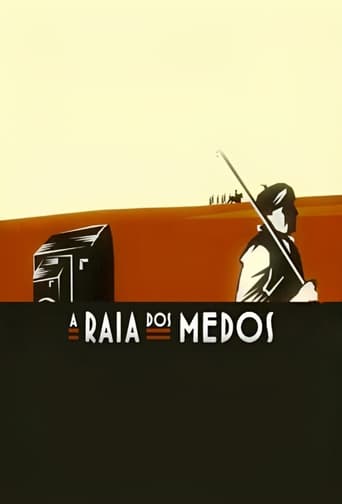
A Raia dos Medos 2000
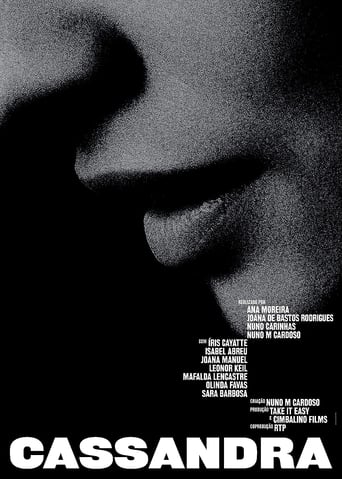
Cassandra 2023
Seven visions of a country, in Cassandra's voice, that reveal different concerns about the future and the contradictory forces that shape it, with diverse themes such as politics, the media, technology, sexuality, work and revolution.
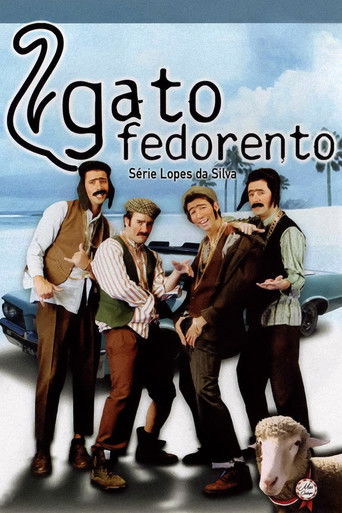
Gato Fedorento: Série Lopes da Silva 2006
Satires and humorist sketches about everyday life and the ridiculousness of social interactions.
O Mandarim 1991

Aqui há talento 2007
Aqui há talento was the older Portuguese version of the Got Talent series. It launched on RTP1 on February 1, 2007. Singers, dancers, comedians, variety acts, and other performers competed against each other for a €10,000 money prize. It was hosted by Sílvia Alberto. The judges were Joaquim Monchique, Sílvia Rizzo and Paulo Dias.
Vento Norte 2021
Clubíssimo 1988
I Love Portugal 2019
Two celebrity teams face off in a variety of fun games to display how much they know about their home country.

Faro 2025
Liga dos Últimos 2004
Teams from all over the country show what they are worth, or not, in a Tv show that puts the country's classification upside down. Psychic whipping, goalkeepers in crisis, desperate players and bankrupt clubs cheer the sports program where all who go last are the stars. The presentation is by Álvaro Costa, with reports by Sérgio Sousa and Sónia Lacerda and comments by Hêrnani Gonçalves and João Nuno Coelho.

Débora 1998
Meu Querido Avô 1997
Lendas e Narrativas 1995
República 2010