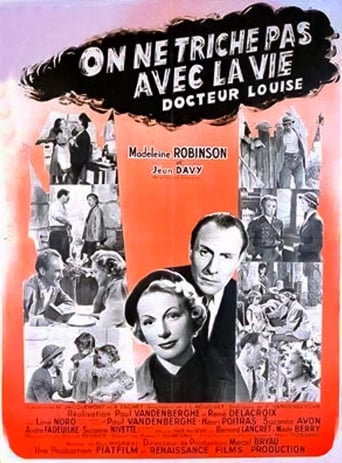
The Story of Dr. Louise 1949
The struggle of a female doctor against superstition and healers.
The struggle of a female doctor against superstition and healers.
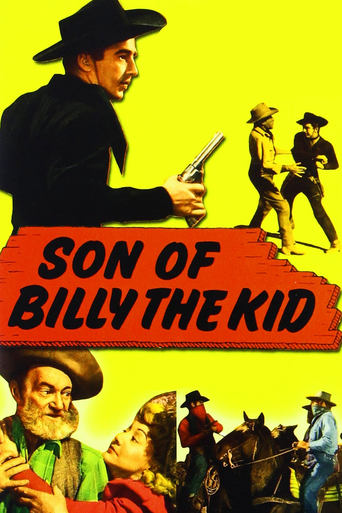
Jack Garrett interrupts a stagecoach holdup where he meets Fuzzy (The town's stagecoach driver, station agent, baggage agent, and sheriff) and banker Jim Thorn. The trio team up to prevent robberies of Thorn's bank by Clem Yantis's large gang.

A group of policemen look over three murder cases including a cutthroat that prays on young women, a madman that hid his deformed landlord's corpse in the floor, and a wine aficionado who buries his friend alive.
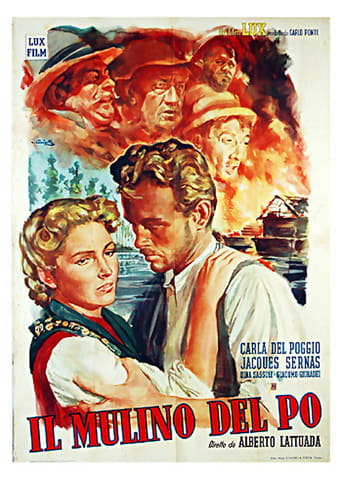
In the Po Valley during the 19th century, a rich girl engaged to a well-to-do farmer ends up penniless and is forced to work for her fiancé’s relatives. Peasant unrest, carried to extremes by both workers and landowners, leads to violence and tragedy.
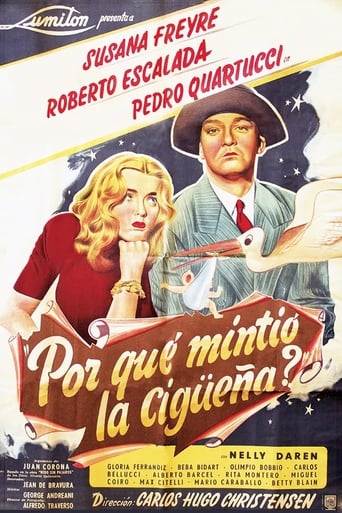
To avoid the abandonment of her husband, a woman rents three children with the intention of making him believe that he is the father. Sudden maternity will bring complications in triplicate.
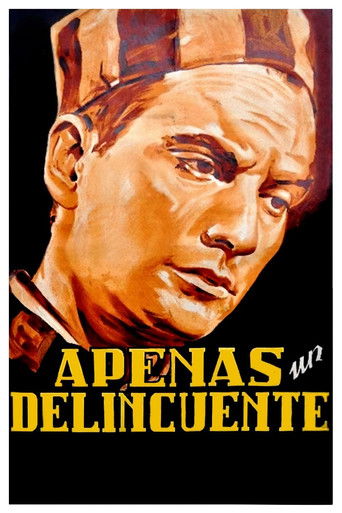
A bank employee uses a loophole in Argentine law to concoct the perfect crime, planning to reap the rewards of his embezzlement after serving six years in prison…
A French fugitive arrives in Genoa, where he becomes entangled with an Italian woman and her daughter.

Based on that testimony, an investigation is launched in the entertainment district, and through a brief conversation between Toda and Nanako at the cabaret "R-Red," it becomes apparent that her lover, Kaneda, is suspicious. Toda and Kaneda are, in fact, members of the gang currently being frantically pursued by the Metropolitan Police. Their leader is a ruthless man named Yoshio Matsui, known as "Tetsu the Murakumo," who has his mistress, Aiko, working as a singer at this cabaret. Kaneda, using his leg injury caused by Detective Mishima as leverage, demands a large sum of money from Tetsu, but is instead met with gunfire from Tetsu's gang. Upon hearing the gunshots, Officer Fujita, who was patrolling nearby, gives chase. As Kaneda lies dying, he reveals the truth before drawing his last breath. With this near-confirmation, Fujita puts out an all-points bulletin for Tetsu.
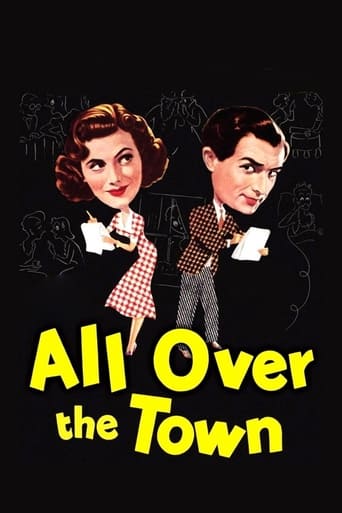
Newspaper reporter Nat Hearn returns home after serving in the Royal Air Force during World War II. When one of the paper's owners dies, the man's partner and son offers Nat a position as editor in return for his financial backing. But Nat's reluctance to shy away from controversial issues raises more than a few eyebrows.

Two Jews and their former British comrade land on opposite sides of the Palestine issue following World War II.
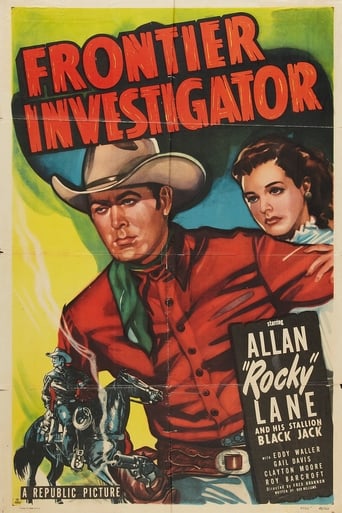
Rocky Lane, out to find the murderer of his brother, runs into a battle between two stage lines for a mail contract.
Casper the Friendly Ghost, sad that he can make no friends since everyone he meets is afraid of him, hatches an abandoned egg and becomes the emerging little duck's best friend and protector.
1949 movie version of the Rossini opera

A young girl, Suli, marries a young man, Zhengli. After the marriage, Su Li realizes that her husband is acting strangely, so she follows him to Zheng Li's former home and encounters a series of strange events. Finally, Su Li learns from her nanny, Wang Ma, that the house was haunted three years ago, and that Zheng Li's sister-in-law, Li Zhen, was forced by a ghost to hang herself from a beam, and that Zheng Li's brother came back as a madman. The day after Su Li learns of all this, the bookkeeper Lao Wang is killed again, and next, the nursemaid is also brutally murdered. Suli knows she is in danger and wants to leave immediately, but Zhengli does not agree. Suli is in danger several times, but fortunately saved, and finally finds the real killer, and kills him because he is full of evil!
A light-skinned African-American family are "passing" in an all-white New England town. When the truth comes out, the more prejudiced neighbors demand their expulsion from the community.
An American veteran returns to Tokyo to try to pick up the threads of his pre-World War II life there, but finds himself squeezed between criminals and the authorities.

Sicilian Uprising or Sicilian Vespers is a 1949 Italian historical drama film directed by Giorgio Pastina and starring Marina Berti, Clara Calamai and Roldano Lupi.
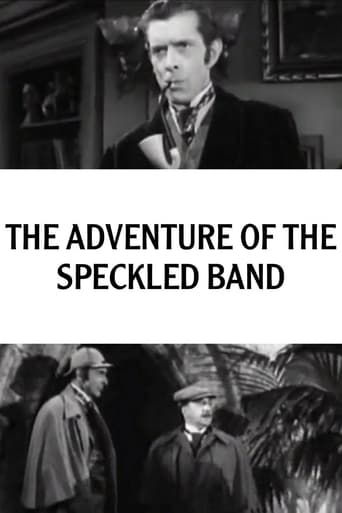
Sherlock Holmes gets the clues he needs to solve a murder, and to prevent another one from occurring, when he finds out that a doctor owns a poisonous snake--the deadly swamp adder. Filmed on the expensive sets leftover from the movie Joan of Arc at Hal Roach Studios in Culver City and produced for the "Your Show Time" series, the short has been released as a solo feature on many DVDs that chronicle classic Sherlock Holmes films..
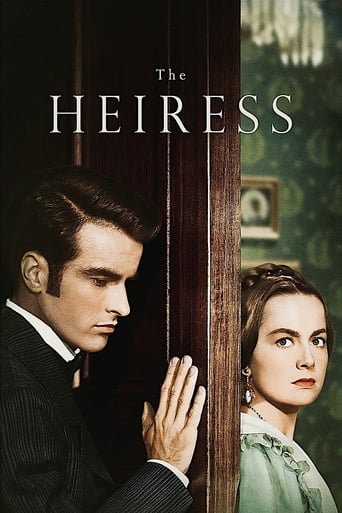
In 1840s New York, the uneventful and boring days of the daughter of a wealthy doctor come to an end when she meets a dashing poorer man — who may or may not be after her inheritance.

Armande, the wife of surgeon Colbert, has numerous love affairs and pursues Jacques, whom Armande’s girlfriend Liliane has in her sights.
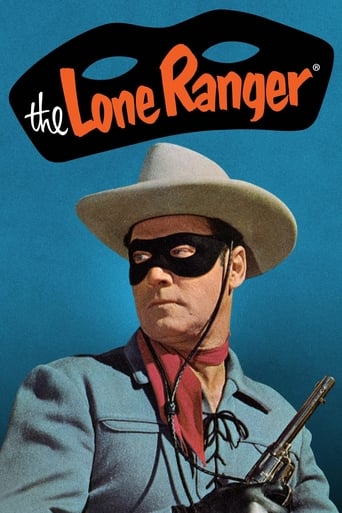
The Lone Ranger is an American western television series that ran from 1949 to 1957, starring Clayton Moore with Jay Silverheels as Tonto. The live-action series initially featured Gerald Mohr as the episode narrator. Fred Foy served as both narrator and announcer of the radio series from 1948 to its finish and became announcer of the television version when story narration was dropped there. This was by far the highest-rated television program on the ABC network in the early 1950s and its first true "hit".

BAFTA presents awards for film, television and games, including children's entertainment, at a number of annual ceremonies across the UK and in Los Angeles, USA.
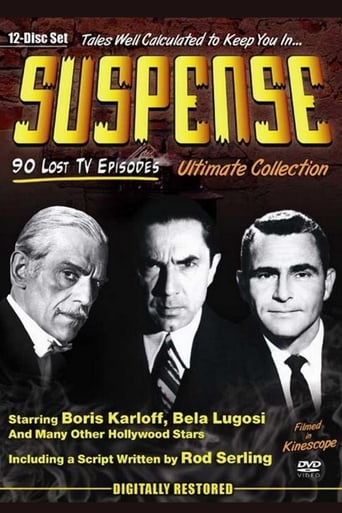
An anthology series adapted from the radio program of the same name. Like the radio program, many scripts were adaptations of literary classics by well-known authors. Classic authors such as Edgar Allan Poe, Agatha Christie, and Charles Dickens all had stories adapted for the series, while contemporary authors such as Roald Dahl and Gore Vidal also contributed.
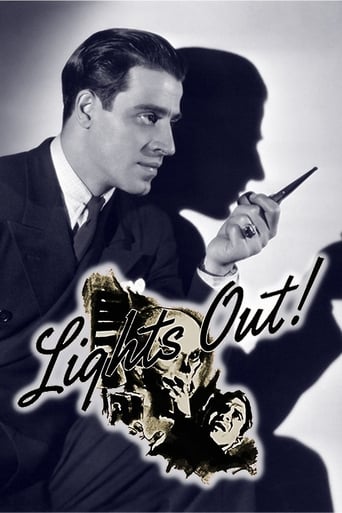
Lights Out was an extremely popular American old-time radio program, an early example of a network series devoted mostly to horror and the supernatural, predating Suspense and Inner Sanctum. Versions of Lights Out aired on different networks, at various times, from January 1934 to the summer of 1947 and the series eventually made the transition to television. In 1946, NBC Television brought Lights Out to TV in a series of four specials, broadcast live and produced by Fred Coe, who also contributed three of the scripts. NBC asked Cooper to write the script for the premiere, "First Person Singular", which is told entirely from the point of view of an unseen murderer who kills his obnoxious wife and winds up being executed. Variety gave this first episode a rave review ("undoubtedly one of the best dramatic shows yet seen on a television screen"), but Lights Out did not become a regular NBC-TV series until 1949.
Fireside Theater is an American anthology drama series that ran on NBC from 1949 to 1958, and was the first successful filmed series on American television. Stories were low budget and often based on public domain stories or written by freelance writers such as Rod Serling. While it was panned by critics, it remained in the top ten most popular shows for most of its run. It predated the other major pioneer of filmed TV in America, I Love Lucy, by two years.

An annual awards ceremony honoring the best in U.S. prime time television programming as chosen by the Academy of Television Arts & Sciences.
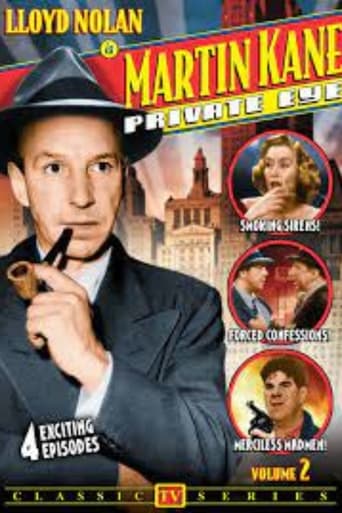
Martin Kane, Private Eye was an early radio series and television crime series sponsored by United States Tobacco Company.

A Woman to Remember is a soap opera which ran on the DuMont Television Network from February 21, 1949 to July 15, 1949. The show initially ran in daytime, but starting May 2, aired Monday through Friday from 7:30 to 7:45 pm ET. John Haggart served as creator and writer, and Bob Steele was producer and director. The show followed Captain Video and His Video Rangers and had no sponsor.
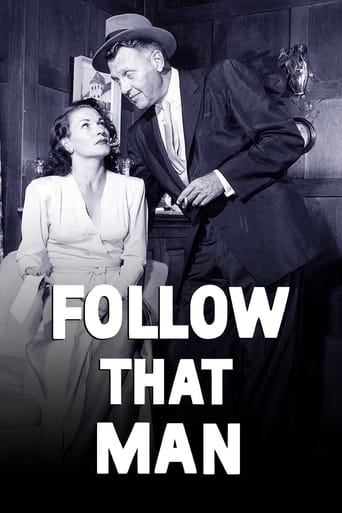
Man Against Crime, one of the first television programs about private eyes, ran on CBS, the DuMont Television Network and NBC from October 7, 1949 to August 26, 1956. The show was created by Lawrence Klee and Paul Alter and was broadcast live until 1952. It was also directed by Paul Alter. The series was one of the few television programs ever to have been simulcast on more than one network: the program aired on both NBC and DuMont during the 1953-1954 television season.
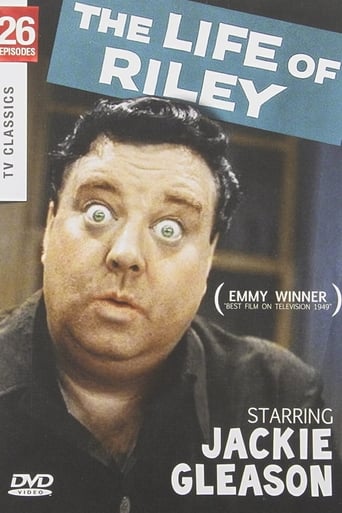
Riley worked in an aircraft plant in California, but viewers usually saw him at home, cheerfully disrupting life with his malapropisms and ill timed intervention into minor problems. His stock answer to every turn of fate became a catch phrase: 'What a revoltin' development this is!"

Based on a popular radio series, each show tells a different reporter's Big Story, a true story selected from newspapers across the United States. Comments from the actual reporter open and close each show but the permanent narrator drives the plot line and a featured actor dramatizes the reporter's role.
Hands of Murder was an American mystery/anthology series that aired on the DuMont Television Network.
The Silver Theatre is a television series that was broadcast on the CBS television network from 1949 to 1950. It was a live anthology series consisting of dramatic teleplays about romance. It was sponsored by the International Silver Company.
The Plainclothesman was an American crime drama series broadcast on the now defunct DuMont Television Network.
Mama was a weekly Maxwell House and Post-sponsored CBS television comedy-drama series from July 1, 1949 until March 17, 1957.
The Clock is a 30-minute American anthology television series based upon the American Broadcasting Company radio series which ran from 1946–48. The half-hour series mostly consisted of original dramas concerning murder, mayhem or insanity. Series narrator Larry Semon was the only regular; each week a new set of guest stars were featured. The title of the series was derived from a clock which was a major plot element in each story. The show's musical theme was "The Sands of Time". Ninety-one episodes aired from 1949 to 1952, most of them on NBC, except for the final season which aired on ABC. Courtesy of Wikipedia.

Two children named Jim and Judy enter their television for adventures.
