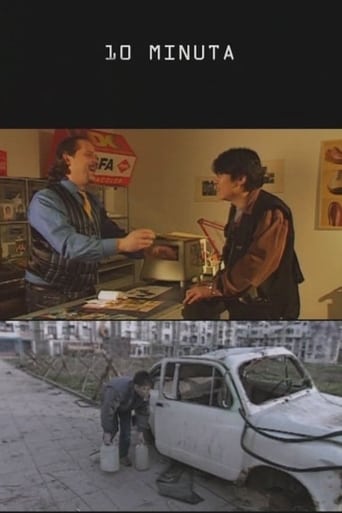
10 Minutes 2002
10 minutes doesn't seem long to a Japanese tourist waiting for some photos in Rome, but a lot can happen in the same 10 minutes for a family in Sarajevo during the Bosnian War.
10 minutes doesn't seem long to a Japanese tourist waiting for some photos in Rome, but a lot can happen in the same 10 minutes for a family in Sarajevo during the Bosnian War.

Thomas Geer is an American journalist who comes to Sarajevo, Bosnia and Herzegovina, to make an objective report on political events and conflicts. The main actor in his report is a high-ranking official who is responsible for making an identity law. Thomas reveals too much information through his investigation on the aforementioned politicians, and revealing things that might change direction on the radical moves.

A TV crew visits the remote Bosnian village of Blervici to film their cooking show, drawn by its rustic charm. Their host, Meho, impresses them with a mysterious traditional dish. However, a sudden rainstorm traps them overnight, and they reluctantly accept Meho's hospitality. As they discover his dark secret, what began as a routine shoot turns into a fight for survival against an ancient evil.
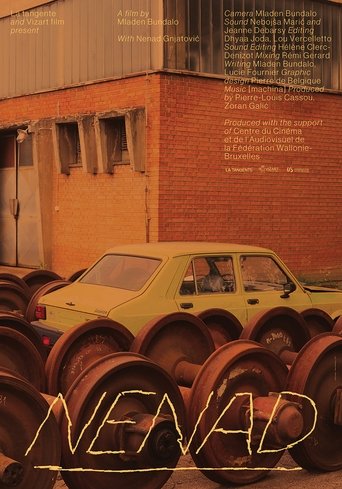
Nenad is a worker at a train repair factory in Prijedor, Bosnia and Herzegovina, and as many young people around him, he plans to go to work and possibly permanently live in Slovenia. Between nostalgia for the homeland and dreams of a better life, the film explores the dilemmas that arise when you decide to leave your country.
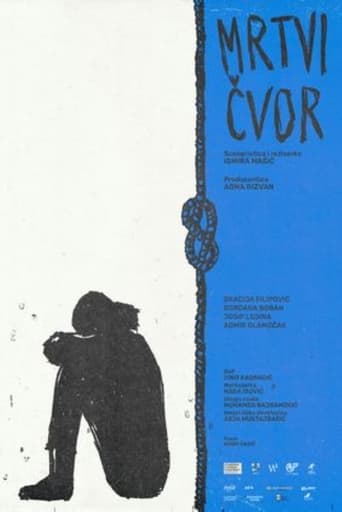
Amra (23) is a girl who tries to live a normal life despite childhood traumas, despite the mother's illness, and despite guilt. Her biggest fear is going home, visiting her mother, which is also her biggest dream. One morning Amra, after an argument with her boyfriend, goes home and finds her mother in serious condition. As she removes the burnt beans from the stove, Amra tries to stay strong in front of her mother who doesn't even know what day it is. The hard night ends with a lullaby that Amra sings to her mother, treating her like a baby.
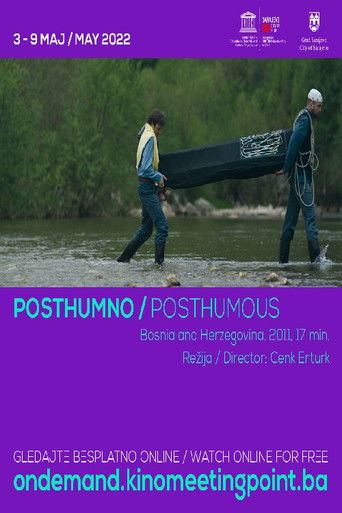
Mirsad’s father’s village is evacuated due to dam construction. The village will soon be under water. Mirsad arrives from the city intending to move his father’s remains from the old village cemetery to a grave in the new village’s graveyard.
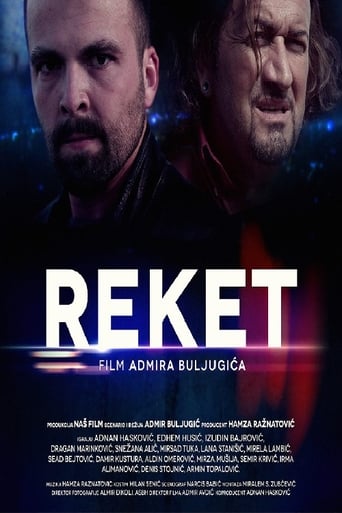
Amil Pasic has been working abroad for three years as a freelance photographer. For the first time after a year he comes back to Sarajevo to visit his father Mufid and finds out that a local criminal Bakir is extorting a monthly racket from Mufid which he categorically refuses to pay. Amil suggests to his father to contact the police to no avail. After his father suffers a heart attack Amil decides to take matters into his own hands.
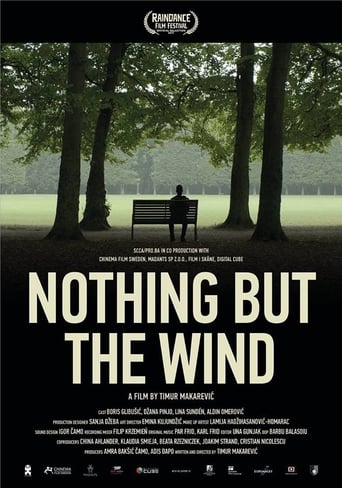
What is the true phrase? Heart is where the home is? Home is where the heart is? Bajo (37) is Bosnian-born Swede. After 18 years he has to visit his hometown. Against his will, Sarajevo is changing him. But that does not make him less Swedish or more Bosnian, just more himself. Or simply, home is where you are.
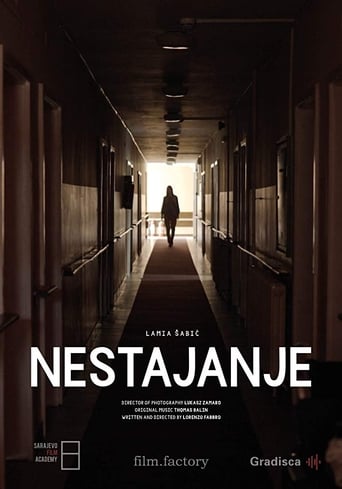
Nestajanje is the story of an oneiric and surreal journey taken by a girl to look for her missing grandmother inside the nursing home.

Adnan is driving a grocery van on his way to sell produce at the market. While he is waiting for a friend's phone call, he suspects his loyalty.
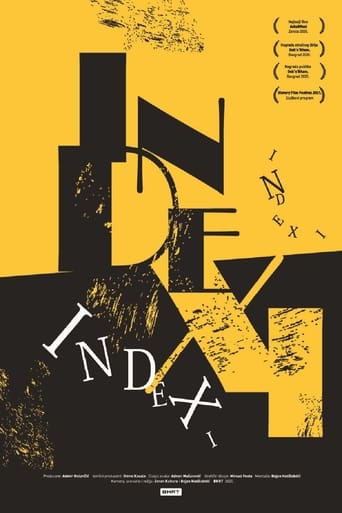
Documentary about Indexi, a Bosnian and former Yugoslav rock band popular in Yugoslavia. It formed in 1962 in Sarajevo, Bosnia and Herzegovina, and disbanded in 2001 when singer Davorin Popović died.

Sara, a twenty something girl, has one more day to say goodbye to everything that matters to her in her hometown, Sarajevo.

The author of the film about the “coach of all coaches” and the celebrated coach of the ‘Vatreni’, who won bronze with Croatia at the World Cup in France in 1998, is Bosnian-Herzegovinian sports commentator Sabahudin Topalbećirević. Those who feature in the film include former players Davor Šuker, Robert Jarni and Aljoša Asanović, but also Bosnian-Herzegovinian national team players Edin Džeko and Miralem Pjanić, as well as many others. The film begins with a look back at Ćiro’s childhood, reminiscing about the difficult days of growing up in Travnik during World War II, and some sad and tragic moments in his life, and then experiences a twist by highlighting his famous playing and coaching days on football fields in Switzerland, former Yugoslavia, Croatia and Bosnia and Herzegovina.

Made by the Sarajevo Group of Authors (SAGA), a collective created during the siege of Sarajevo, this documentary captures stories of war that occurred during the conflict.
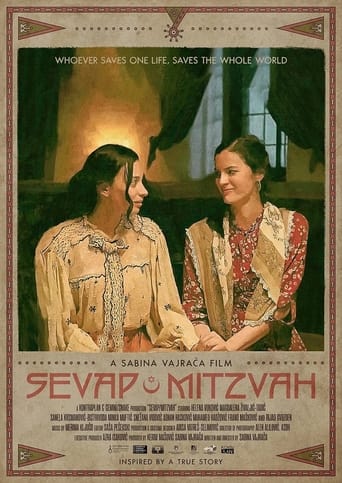
During WWII in Nazi-occupied Bosnia, a Muslim woman risks everything to save her Jewish friends. 50 years later the tables have turned. Inspired by a true story.

In Zenica, a giant steel factory belches toxic gasses into the air day and night, making the city one of the world’s most polluted, and people are dying. Samir Lemes and citizen activists from Eko Forum fight an uneven fight for change against the reckless corporation, the local politicians who focus on jobs, investments, and re-elections, and the EU who co-funds the corporation without enforcing laws and international standards. Instead, they name Zenica ‘A Green City Project’, building bicycle lanes in a city where breathing is a health hazard. A film about financial cynicism, political pragmatisk and greenwashing, in which West European countries play a surprisingly big role.
SARAJ’VO describes the real size of the capital of Bosnia and Herzegovina, its seductive spirit and scope of the microcosm that it borders. Mustafa Mustafić, the legendary cameraman, filmed the dedication to the city where he spent his life. Regardless of the long and extremely prolific career as a film and television cameramen, Mustafa Mustafić, Pujdo as his colleagues affectionately call him, feels that there are many untold stories of Sarajevo, rituals and undiscovered perspectives on our common and unusual days. THIS IS THE CITY sums up everything about this very unusual environment, together with its inhabitants, guests and tourists.
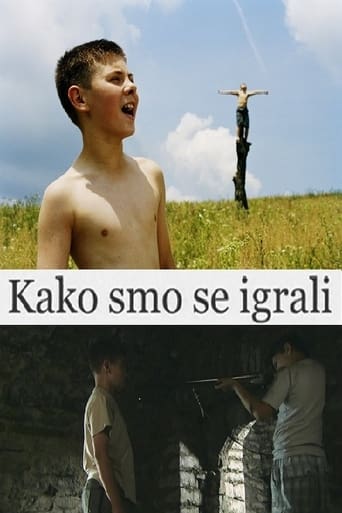
On the eve of war in Bosnia, two boys go looking for treasure in an abandoned hill fort oblivious to the encroaching danger. Instead of gold they find a gun and overnight both their lives are changed forever.

Nearly 20 years since the end of the 1992-95 Bosnian war, there are people who still live in refugee Centers, usually located on the outskirts of cities and villages. In such centers what should have been temporary has become indefinite. Collecting medicinal herbs or scraps from nearby coal mines and raising children who were born as refugees in their own country are just some aspects of the monotonous daily life of the people in Ježevci.
This is a film that shows portraits of three children who lived in Sarajevo during the siege. Through their stories the film tries to give a picture of youngsters who live in the war for three and a half years and their efforts to overcome the trauma. The stories are seemingly separate, but the thread that connects them is a three-year-old boy who on his tricycle constantly wanders the streets of Sarajevo, passing everywhere and always seeing everything. He takes us from one child to another, opening up before us a picture of the bizarre life of children in Sarajevo.
